
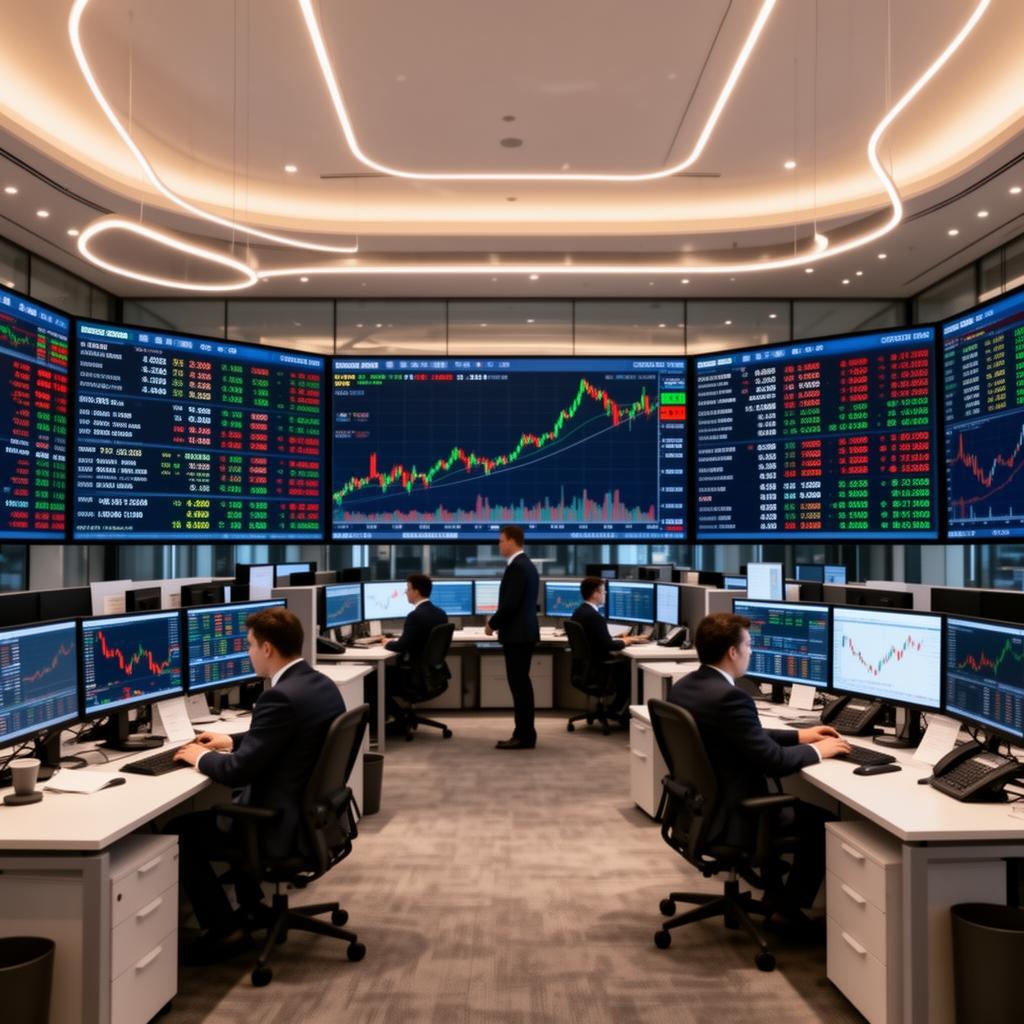
Casablanca’s stock market is entering a more demanding phase.
After several years in which rising prices rewarded broad exposure, investors are becoming more selective.
The clearest signal is valuation.
The estimated 2026 price-to-earnings ratio of the Moroccan market fell from 20.9 times at the beginning of the year to approximately 18.8 times by 10 July, reflecting both lower share prices and changing earnings expectations.
At the same time, average daily trading volume on the central market had fallen to roughly 373.6 million dirhams, compared with 481.85 million dirhams over the comparable period of 2025 — a decline of more than 22%.
That combination matters.
Valuations are becoming less stretched.
Liquidity is lower.
Investors are looking harder at individual companies.
Casablanca is moving away from a market where almost every rising sector could attract capital toward one where earnings increasingly have to justify price.
18.8 Times Is Not Cheap By Default
A lower price-to-earnings ratio can make a market look more attractive.
But 18.8 times earnings does not automatically mean Moroccan equities are inexpensive.
A valuation multiple only makes sense relative to growth.
A company expected to increase profit rapidly can justify a higher valuation.
A company with weak growth cannot.
Investors therefore need to move beyond the headline market multiple.
Which companies can expand revenue?
Which companies can protect margins?
Which companies generate cash?
Which companies can fund growth without repeatedly raising capital?
These questions matter more when the market stops rewarding almost everything equally.
The next phase of Casablanca may be less about buying the index and more about identifying businesses capable of growing into their valuations.
Construction Shows How Quickly Valuations Can Reset
Few sectors illustrate this better than construction and infrastructure.
At the beginning of 2026, expectations around World Cup infrastructure, public investment and major projects had pushed valuations to demanding levels.
By July, the estimated 2026 price-to-earnings multiple for construction, building materials and infrastructure companies had fallen from around 27.3 times to 21.2 times.
Individual moves were even larger.
JET Contractors fell from an estimated 28.6 times earnings to 18.7 times.
TGCC moved from around 33.7 times to 25.1 times.
SGTM fell from roughly 40.6 times to 24.4 times.
The companies did not suddenly become unimportant.
Morocco still has a major infrastructure pipeline.
What changed was the price investors were prepared to pay for future growth.
That distinction is fundamental.
A good company can still be a bad investment at the wrong price.
2030 Cannot Justify Every Valuation
Morocco’s 2030 investment cycle is real.
Stadiums.
Railways.
Airports.
Roads.
Hotels.
Urban infrastructure.
Energy.
Water.
But public investment narratives can become dangerous when investors treat them as automatic profit.
Winning contracts is not enough.
Margins matter.
Execution matters.
Working capital matters.
Payment schedules matter.
Debt matters.
A company can double its order book while simultaneously increasing financial pressure.
Investors therefore need to separate national investment momentum from shareholder returns.
2030 creates opportunity.
It does not guarantee that every listed company exposed to infrastructure deserves any valuation.
Banks Look Different
The banking sector has experienced a more moderate valuation adjustment.
Estimated 2026 sector earnings multiples fell from approximately 13.1 times at the beginning of the year to 11.8 times by July.
Attijariwafa bank moved from around 14 times to 12.7 times.
BCP declined from 10.9 times to 9.9 times.
CIH Bank moved from approximately 11.9 times to 10.1 times.
These levels tell a different story from construction.
Banks already trade at lower multiples because their growth profiles and capital structures are different.
But they also offer investors something increasingly valuable in a more selective market:
Visibility.
Large loan books.
Recurring fee income.
Deposit franchises.
African operations.
Dividend capacity.
When investors become more cautious, predictable earnings can become more attractive.
Earnings Season Matters More Now
When market multiples are rising, investors sometimes tolerate weak individual results because sentiment remains strong.
That becomes harder when valuations are under scrutiny.
Half-year results therefore become more important.
Revenue growth needs to translate into profit.
Order books need to translate into cash.
Capital expenditure needs to translate into future earnings.
Banks need to demonstrate asset quality.
Retailers need to protect margins.
Industrial companies need to show utilisation.
The market begins rewarding execution rather than narrative.
This is usually a sign of greater maturity.
A market does not become sophisticated because prices always rise.
It becomes sophisticated when investors differentiate between companies.
Lower Liquidity Can Amplify Movements
The decline in average daily trading activity is important.
When liquidity falls, individual transactions can have greater influence on share prices.
That creates larger moves in both directions.
A relatively small amount of selling can push a stock down sharply.
A strong buyer can do the opposite.
For investors, this creates another risk.
The price displayed on screen may not always represent the price at which a large position can actually be sold.
Liquidity therefore needs to become part of valuation analysis.
A company may appear attractive fundamentally.
But if the market for its shares is extremely thin, entering and exiting becomes more difficult.
Casablanca’s development depends on improving this depth over time.
More Listings Can Help
One way to deepen the market is through new listings.
Casablanca has already seen renewed IPO activity and additional companies entering public markets.
That matters for several reasons.
More sectors become investable.
Institutional investors gain more options.
Entrepreneurs gain another source of capital.
Successful listings can attract new retail investors.
Competition for capital becomes stronger.
A stock market with only a small group of dominant companies naturally concentrates investor flows.
A broader listed universe creates more sophisticated portfolio construction.
The long-term objective should therefore be both higher market capitalisation and greater diversity.
IPO Quality Matters More Than IPO Quantity
More listings alone are not enough.
The companies need to be investable.
Transparent.
Profitable or possessing a credible path to profit.
Well governed.
Liquid enough.
Properly priced.
An IPO that arrives at an excessively aggressive valuation may generate short-term excitement but weaken investor trust when performance disappoints.
The strongest public markets develop when entrepreneurs understand that listing is not the end of a financing process.
It is the beginning of a long relationship with public shareholders.
Every quarter matters afterwards.
Management communication matters.
Capital allocation matters.
Governance matters.
The company becomes continuously valued by the market.
Retail Investors Are Becoming More Important
Casablanca has historically been heavily influenced by institutional investors.
Banks.
Insurance companies.
Asset managers.
Pension funds.
Retail participation can make the market broader.
Digital banking and investment platforms can lower barriers.
Public interest increases when IPOs generate attention.
But retail participation should grow alongside financial education.
Price movement is not the same as value creation.
A share rising rapidly does not become safer because everybody is discussing it.
New investors need to understand earnings, valuation, dividends and risk.
A stronger retail-investor base should make the market deeper, not more speculative.
The 1 Trillion Dirham Threshold Matters Psychologically
Casablanca’s total market capitalisation moved above 1 trillion dirhams during 2026, including approximately 1.076 trillion dirhams at the end of April.
That threshold is symbolically important.
It demonstrates the growing scale of Moroccan listed equity.
But total capitalisation is not the same as economic depth.
A market can be worth more than 1 trillion dirhams while much of that value remains concentrated in relatively few companies.
The next objective is quality of capitalisation.
More listed private-sector champions.
More free float.
More trading.
More sectors.
More institutional coverage.
More research.
Scale should become increasingly usable.
Valuation Gaps Create Opportunities
A more selective market creates something investors did not have as easily during broad rallies.
Valuation dispersion.
Some stocks remain expensive.
Others have reset much more sharply.
LabelVie’s estimated 2026 earnings multiple, for example, fell from around 20 times to 14.4 times by July, while Maroc Telecom declined from roughly 18.9 times to 14.4 times. TAQA Morocco remained much more highly valued at around 39.5 times despite falling from approximately 45.4 times earlier in the year.
Those differences force investors to make choices.
Is the expensive company capable of delivering extraordinary growth?
Is the cheaper company undervalued or simply slower?
This is where stock selection becomes meaningful.
Dividends Become More Important In A Sideways Market
When share prices rise strongly, investors often focus mainly on capital gains.
When the market consolidates, dividends become more visible.
Moroccan listed companies with stable cash generation can become attractive even if their shares do not appreciate dramatically.
Banks.
Telecoms.
Utilities.
Mature industrial businesses.
A consistent dividend can provide return while investors wait for earnings growth.
This also places pressure on management teams to allocate capital rationally.
A company should retain profits when it has strong opportunities to reinvest them.
If it does not, shareholders may prefer cash.
Capital discipline becomes more important when valuation expansion is no longer doing all the work.
Foreign Investors Need Liquidity And Predictability
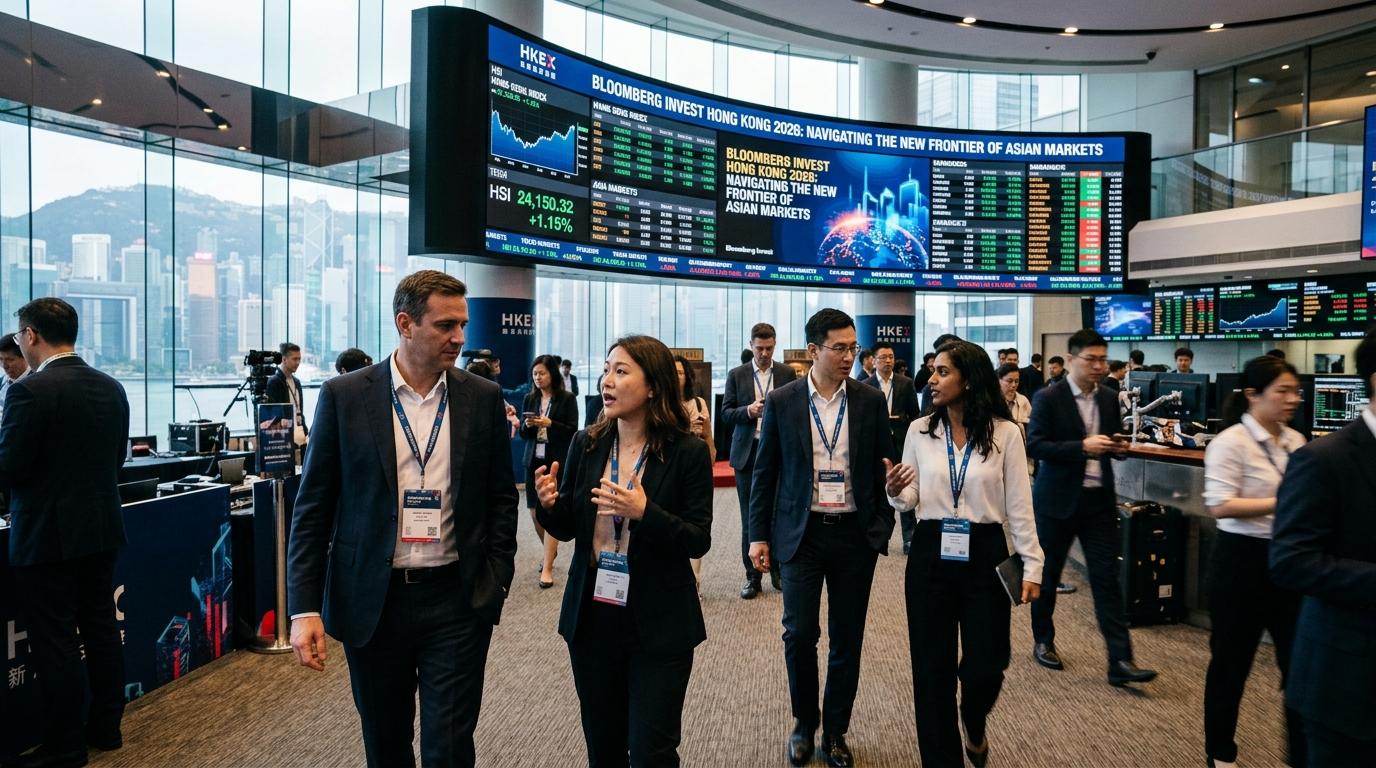
Casablanca wants to become more relevant to international investors.
Valuation alone will not achieve that.
Foreign funds need liquidity.
Reliable financial reporting.
Corporate governance.
Currency confidence.
Accessible market infrastructure.
Research coverage.
Large investable companies.
International investors compare Morocco not only with neighbouring markets.
They compare it with emerging markets globally.
South Africa.
Egypt.
Saudi Arabia.
Turkey.
Eastern Europe.
Asia.
Capital moves toward the best combination of growth, valuation and accessibility.
Morocco’s macroeconomic and industrial story can attract attention.
The stock market still needs to translate that narrative into investable opportunities.
Futures Could Change Market Sophistication
The Casablanca Stock Exchange has also been preparing new market infrastructure, including futures linked to the MASI 20. The exchange highlighted AMMC approval for the product during 2026.
Derivatives can change the market if implemented successfully.
Institutional investors can hedge.
Portfolio managers can manage exposure more efficiently.
Market-making can deepen.
More sophisticated strategies become possible.
This does not automatically create liquidity.
But it expands the toolkit available to professional investors.
A modern capital market needs more than shares.
It needs instruments that allow investors to manage risk.
More Research Would Improve Price Discovery
As the number of listed companies increases, financial analysis becomes more important.
Investors need credible earnings forecasts.
Sector comparisons.
Cash-flow analysis.
Valuation frameworks.
Governance assessment.
More independent research can improve price discovery.
It can also help smaller listed companies receive attention.
Large companies naturally attract analysts.
A high-quality small company can remain underfollowed simply because limited research exists.
That creates inefficiency.
A deeper Casablanca market will need more analysts, financial media and institutional research coverage.
Better information makes capital allocation better.
The Market Is No Longer Trading One Story
For several years, Moroccan equities benefited from a powerful common narrative.
Infrastructure acceleration.
Tourism.
Industrial growth.
Bank profitability.
Public investment.
That story remains strong.
But markets eventually begin separating the winners from the companies merely exposed to the same theme.
Two construction businesses can operate in the same national investment cycle and produce completely different shareholder returns.
Two banks can experience the same economy but manage risk differently.
Two retailers can benefit from rising consumption but allocate capital differently.
The next phase should therefore be healthier.
It forces investors to ask what each company actually does with Morocco’s growth.
18.8 Times Earnings Changes The Question
At 20.9 times earnings, much of the market’s future optimism was already reflected in prices.
At around 18.8 times, some of that pressure has been removed.
But the new valuation does not answer whether Casablanca is cheap or expensive.
It changes the question.
Which earnings are credible?
Which companies can compound profit?
Which sectors still have pricing power?
Which management teams allocate capital well?
Which valuations leave enough margin for disappointment?
Those are more sophisticated questions than simply asking whether the MASI will rise.
Casablanca’s stock market does not need another permanent rally to prove that it is developing.
It needs a deeper market where good companies can be distinguished from good stories.
The fall to 18.8 times earnings may therefore represent something more important than a valuation reset.
It may mark the point where Morocco’s equity market begins demanding more from the companies it finances.