
Moroccan football has spent years proving that it can produce supporters, talent and sporting ambition.
MAS Fès is now testing something else.
Capital.
On 14 July 2026, the newly crowned Moroccan champion announced the arrival of four new investors into the capital of its sports company: BEST FINANCIERE, linked to Zouhair Bennani; HASOFA, linked to Moncef Belkhayat; OUAFA PLASTIQUE, linked to Reda Bencheqroun; and LS INVEST, linked to Mohamed Iraki.
The timing is significant.
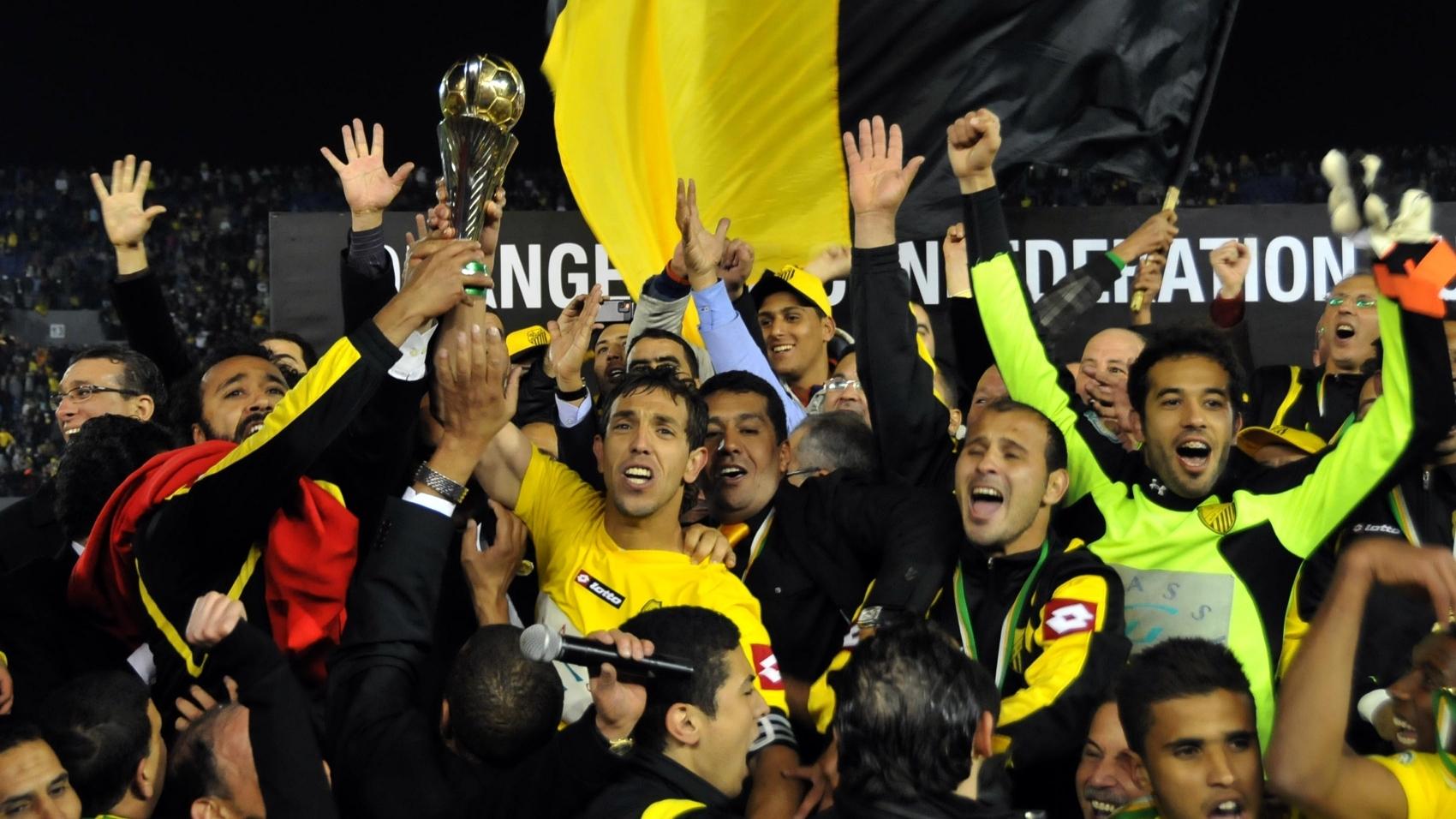
Only days earlier, MAS had won its fifth Moroccan league title and its first since 1985, ending a 41-year wait. The club is also preparing for a return to the CAF Champions League.
That creates a rare combination.
Sporting momentum.
New investors.
Continental exposure.
For Moroccan football, the real story is not simply that wealthy businesspeople have entered one club.
It is whether private capital can help turn a historic football institution into a stronger, more sustainable sports business.
A League Title Changes The Commercial Conversation
Winning changes everything in football.
Supporters become more engaged.
Sponsors become more interested.
Merchandise becomes easier to sell.
Players become more visible.
Corporate hospitality becomes more attractive.
Media attention increases.
MAS therefore enters its new investment phase from a position of strength.
This matters because raising capital after success is easier than raising it during crisis.
The club can present investors with momentum rather than rescue.
That creates a different negotiating position.
Capital can be used to build.
Not simply to repair.
Four Investors Means A Wider Business Base
The composition of the new shareholders is particularly interesting.
These are not four anonymous financial investors.
They come from established Moroccan business backgrounds.
That can provide MAS with more than cash.
Commercial relationships.
Management experience.
Corporate governance.
Access to sponsors.
Procurement knowledge.
Strategic discipline.
Football clubs often underestimate the value of those capabilities.
A club can have talented players and passionate supporters while still operating inefficiently as a company.
Professional investors naturally ask different questions.
What does each activity cost?
Which revenue streams are recurring?
How much cash is required each month?
What is the return on academy investment?
How much does a player actually cost over the full contract?
How valuable is the supporter database?
Those questions can change a club over time.
Financial Stability Must Come Before Aggressive Spending
MAS says the capital restructuring is intended to strengthen its financial stability and support long-term development.
That is the right starting point.
The most dangerous response to new investment would be immediate overspending.
Expensive transfers.
Higher salaries.
Large signing bonuses.
Short-term recruitment designed only to defend the league title.
That can create excitement.
It can also consume new capital quickly.
Football history is full of clubs that received fresh investment, expanded costs faster than revenue and returned to financial pressure within a few seasons.
MAS should treat capital as infrastructure.
Part of it may support the squad.
But part should strengthen the organisation underneath the squad.
Scouting.
Academy.
Sports science.
Commercial operations.
Digital systems.
Financial controls.
Supporter services.
The strongest football investments are often the ones supporters do not immediately see.
CAF Champions League Creates A Bigger Market
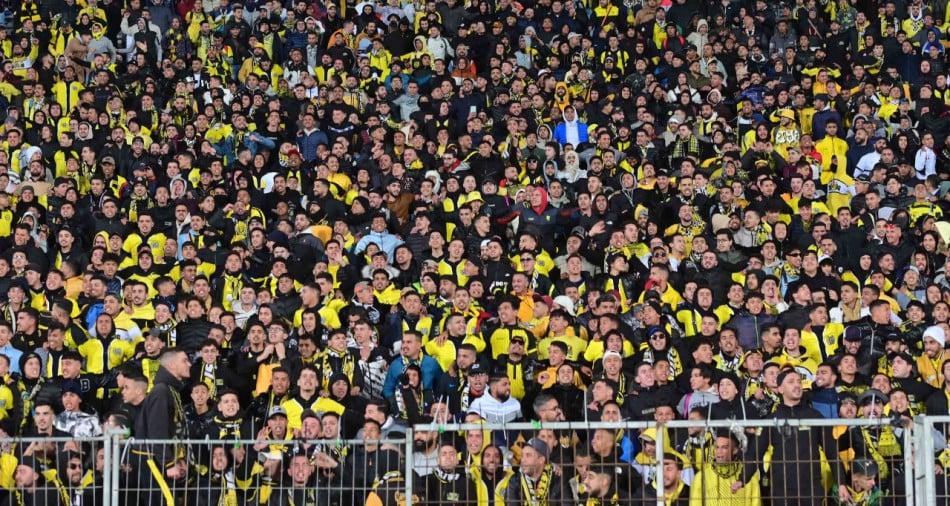
MAS is returning to the CAF Champions League at an important moment.
Continental competition changes the commercial reach of a club.
A domestic match speaks mainly to Moroccan supporters.
A CAF Champions League campaign creates exposure across Africa.
That attracts different sponsors.
Different broadcasters.
Different digital audiences.
Different player valuations.
The club therefore has an opportunity to reposition itself beyond Fez and beyond Morocco.
But continental visibility is temporary unless the organisation can convert it into lasting commercial relationships.
A strong African campaign should leave MAS with more than prize money.
It should leave the club with more sponsors, more followers and a larger customer base.
Supporters Are MAS’s Most Valuable Asset
Investors can provide capital.
They cannot manufacture history.
MAS already has that.
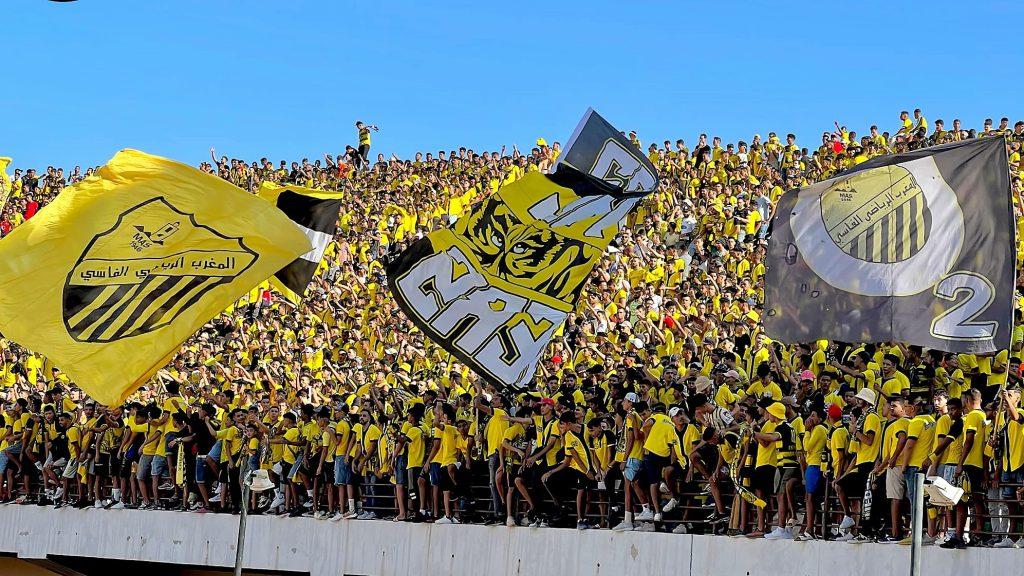
The club has one of Morocco’s most recognisable football identities and a deeply rooted supporter base in Fez.
That emotional connection is commercially powerful.
But Moroccan clubs still capture only part of the economic value created by supporter loyalty.
Tickets.
Season memberships.
Merchandise.
Digital memberships.
Hospitality.
Club events.
Children’s products.
Historical collections.
Supporters should have several ways to contribute economically to the club beyond purchasing an occasional ticket.
A fan who follows MAS for thirty years is not simply a spectator.
That relationship is one of the club’s most important long-term assets.
Merchandising Can Become Much Bigger
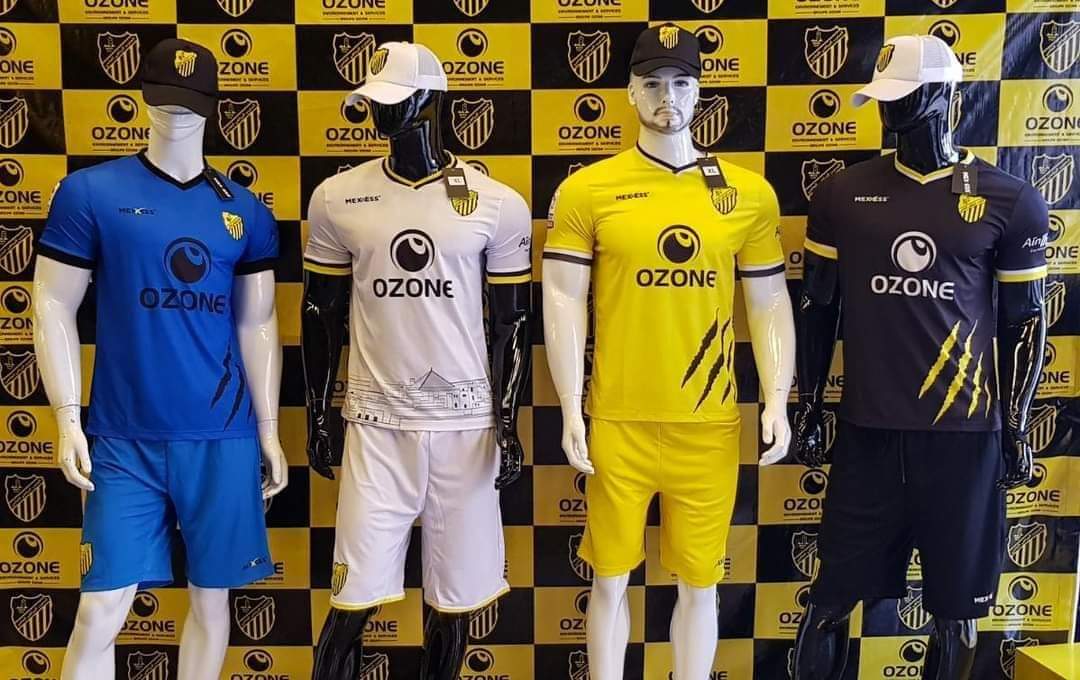
A championship season creates the perfect environment for merchandising.
Champion shirts.
Scarves.
Commemorative products.
Retro collections.
Children’s clothing.
Caps.
Accessories.
Limited editions.
Products connected to the club’s first title since 1985.
This is where historic moments can become durable commercial value.
The key is official availability.
Supporters need easy access through physical stores and online channels.
The club also needs pricing levels that reflect different purchasing power.
Not every supporter can buy the most expensive replica shirt.
Lower-cost authentic products can bring more fans into the official merchandise economy.
Counterfeit merchandise exists partly because demand is real.
The commercial response should be making official products easier to buy.
Fez Creates A Strong Local Business Opportunity
MAS also has something that many modern sports properties would pay heavily to acquire.
A strong geographic identity.
The club is tied directly to Fez.
That makes it attractive to local businesses.
Hotels.
Restaurants.
Retailers.
Real-estate companies.
Banks.
Transport operators.
Tourism businesses.
Regional manufacturers.
Local sponsorship can become more sophisticated than simply placing logos around the stadium.
A hotel could create match-weekend packages.
A retailer could sell official merchandise.
Restaurants could create club partnerships.
Banks could develop supporter products.
Businesses benefit from access to the fan base.
MAS benefits from revenue.
The club can become an economic platform for the city.
Football Tourism Is Underdeveloped
Fez is already one of Morocco’s major cultural tourism destinations.
MAS gives the city another potential reason to visit.
A supporter travelling from Casablanca, Tangier or abroad for a major match may also spend on hotels, restaurants and transport.
CAF Champions League nights can create even greater demand.
This is football tourism.
European clubs and cities understand this well.
A major match becomes a complete local economic event.
MAS can work with Fez tourism businesses to package the experience.
Match ticket.
Hotel.
Transport.
City experience.
Official merchandise.
The club benefits.
The city benefits.
The visitor receives a stronger product.
Football and tourism do not need to operate as separate sectors.
Digital Growth Can Break Geographic Limits
MAS’s physical market is naturally concentrated around Fez.
Its digital market is not.
Supporters live across Morocco and abroad.
France.
Belgium.
The Netherlands.
Spain.
Canada.
Other markets with Moroccan communities.
A strong digital strategy can maintain their connection with the club.
Training content.
Interviews.
Historical archives.
Academy stories.
Match analysis.
Behind-the-scenes footage.
Short-form video.
Digital memberships.
The objective should not simply be increasing follower counts.
Digital audiences need to become commercial audiences over time.
Merchandise.
Subscriptions.
Sponsor engagement.
Match packages.
A supporter in Paris may rarely enter the stadium.
That supporter can still create recurring revenue for MAS.
Investors Will Want Better Data
Private capital naturally creates greater demand for measurement.
MAS should know much more about its business than the number of tickets sold.
Who buys?
How often?
Which matches create the strongest demand?
Where do supporters live?
Which merchandise sells?
How many fans return?
Which sponsor activations work?
How many digital followers eventually purchase something?
Data allows the club to understand its customer base.
This makes commercial partnerships more valuable.
A sponsor will pay more when MAS can demonstrate precisely which audience it reaches.
Professional football is increasingly a data business off the field as well as on it.
Player Development Can Become An Economic Engine
MAS has historically been associated with Moroccan football talent.
That tradition should now become part of the business model.
Academies can produce sporting and financial returns simultaneously.
A successful academy graduate strengthens the first team without requiring an expensive transfer fee.
If the player is later sold, the club can generate capital gains.
That creates a powerful cycle.
Train.
Develop.
Play.
Sell selectively.
Reinvest.
Clubs operating in markets outside Europe’s largest leagues can rarely compete indefinitely by buying finished talent.
Player development is one of the strongest financial advantages available to them.
The new investors should therefore see the academy as an asset rather than simply a youth programme.
Recruitment Must Remain Disciplined
MAS has already changed important parts of its sporting structure after winning the title.
The club parted ways with sporting director Badr El Kaddouri and later with coach Rui Almeida before appointing Portuguese coach Paulo Alves to prepare the team for the new season and continental competition.
That demonstrates ambition.
It also increases the importance of institutional continuity.
A football club cannot rebuild its complete strategy every time a coach changes.
Recruitment principles.
Academy philosophy.
Salary discipline.
Performance analysis.
Scouting.
These should remain stable above the coaching cycle.
Managers come and go.
The business model must survive them.
Continental Ambition Raises Costs Quickly
CAF Champions League participation creates new revenue opportunities.
It also raises costs.
Travel.
Hotels.
Bonuses.
Squad depth.
Medical support.
Security.
Operations.
International match organisation.
A club entering continental competition can therefore increase spending before it receives the full commercial return.
MAS needs to budget for this carefully.
One successful season should not produce a permanent cost structure based on extraordinary competition revenue.
The club needs to distinguish between recurring costs and temporary campaign costs.
That discipline becomes especially important when investor capital is available.
Cash in the bank can create the illusion that every expense is affordable.
The stronger question is whether the club could sustain it for five years.
Corporate Governance Can Protect The Sporting Project
Football creates unusual governance pressure.
Supporters want victories immediately.
Coaches want players immediately.
Agents want deals immediately.
Sponsors want visibility immediately.
Investors may think longer term.
A professional board must balance all of them.
Clear decision-making is therefore crucial.
Who approves major transfers?
Who sets salary limits?
Who evaluates the sporting director?
How often does the board receive financial reporting?
What level of debt is acceptable?
What happens when revenue falls below plan?
These are not glamorous questions.
They are the foundation of sustainable football.
The arrival of four new investors gives MAS an opportunity to strengthen this architecture.
Investors Should Build Revenue, Not Only Fund Expenses
This may be the most important distinction.
The investors should not simply become additional sources of money.
Their real success will be measured by whether they help create additional sources of revenue.
More sponsors.
Better merchandising.
Greater hospitality.
Stronger academy economics.
Digital income.
Business partnerships.
Commercial events.
If investors continuously cover operating deficits, the club remains dependent.
If they help build revenue engines, the club becomes stronger.
Capital is most valuable when it reduces the future need for capital.
That should be the objective.
A Championship Can Become A Business Reset
Winning the league after 41 years gives MAS an emotional moment that cannot be recreated artificially.
The club can use that moment to reset its commercial position.
Supporters are engaged.
Businesses are paying attention.
Players want to join.
Media visibility is high.
CAF competition is approaching.
Investors have arrived.
Everything is aligned.
The danger is assuming that sporting momentum will continue automatically.
Football changes quickly.
The business infrastructure built during successful periods is what protects clubs when results become more difficult.
That is why 2026 may matter to MAS for reasons beyond the championship itself.
Morocco Needs More Investable Clubs
MAS’s transaction also sends a broader signal to Moroccan football.
Private businesspeople will invest when clubs can present credible projects.
That could gradually change the economics of the Botola.
Professional investors can bring new expectations around governance, financial reporting and commercial development.
Not every club should follow the same ownership model.
But Moroccan football needs more institutions capable of attracting long-term capital.
The league becomes stronger when clubs possess stable finances.
Better academies.
Professional management.
Competitive squads.
Stronger commercial departments.
This makes the entire football product more valuable.
Sponsors benefit.
Broadcasters benefit.
Supporters benefit.
Four Investors Could Change More Than MAS
BEST FINANCIERE.
HASOFA.
OUAFA PLASTIQUE.
LS INVEST.
Four new investors have entered MAS’s sports company immediately after the club ended a 41-year wait for a Moroccan league title and before its return to the CAF Champions League.
The timing gives the club a rare opportunity.
But the capital itself is not the transformation.
What MAS does with it will be.
If the money primarily produces higher transfer fees and salaries, the effect may disappear quickly.
If it builds commercial systems, academy capability, stronger governance and recurring revenues, the impact can last much longer than one championship cycle.
Moroccan football has already proved that passion can fill stadiums and create extraordinary sporting moments.
MAS now has an opportunity to prove something equally important:
passion, business discipline and private capital can belong inside the same football club.