
Morocco’s relationship with European capital is entering a larger phase.
The European Investment Bank expects to deploy more than €700 million in Morocco during 2026, after tripling its financing activity in the Kingdom over the past five years.
That follows €740 million of financing agreements signed in 2025, the EIB’s highest annual level in Morocco since 2012. The Bank says Morocco is now one of its principal financing partners across North Africa and the Middle East.
The numbers are important.
But the more significant story is where the money is going.
Transport.
Water.
Energy.
Education.
Private companies.
Export industries.
Post-earthquake reconstruction.
Morocco is increasingly using European institutional capital not simply to finance individual projects, but to strengthen the infrastructure supporting its broader economic transformation.
That makes the EIB relationship much more strategic than another foreign loan.
Europe Is Financing The Infrastructure Behind Moroccan Growth
Factories attract headlines.
The infrastructure allowing those factories to operate usually receives less attention.
Roads.
Railways.
Electricity networks.
Water systems.
Digital connectivity.
These determine how much additional investment an economy can absorb.
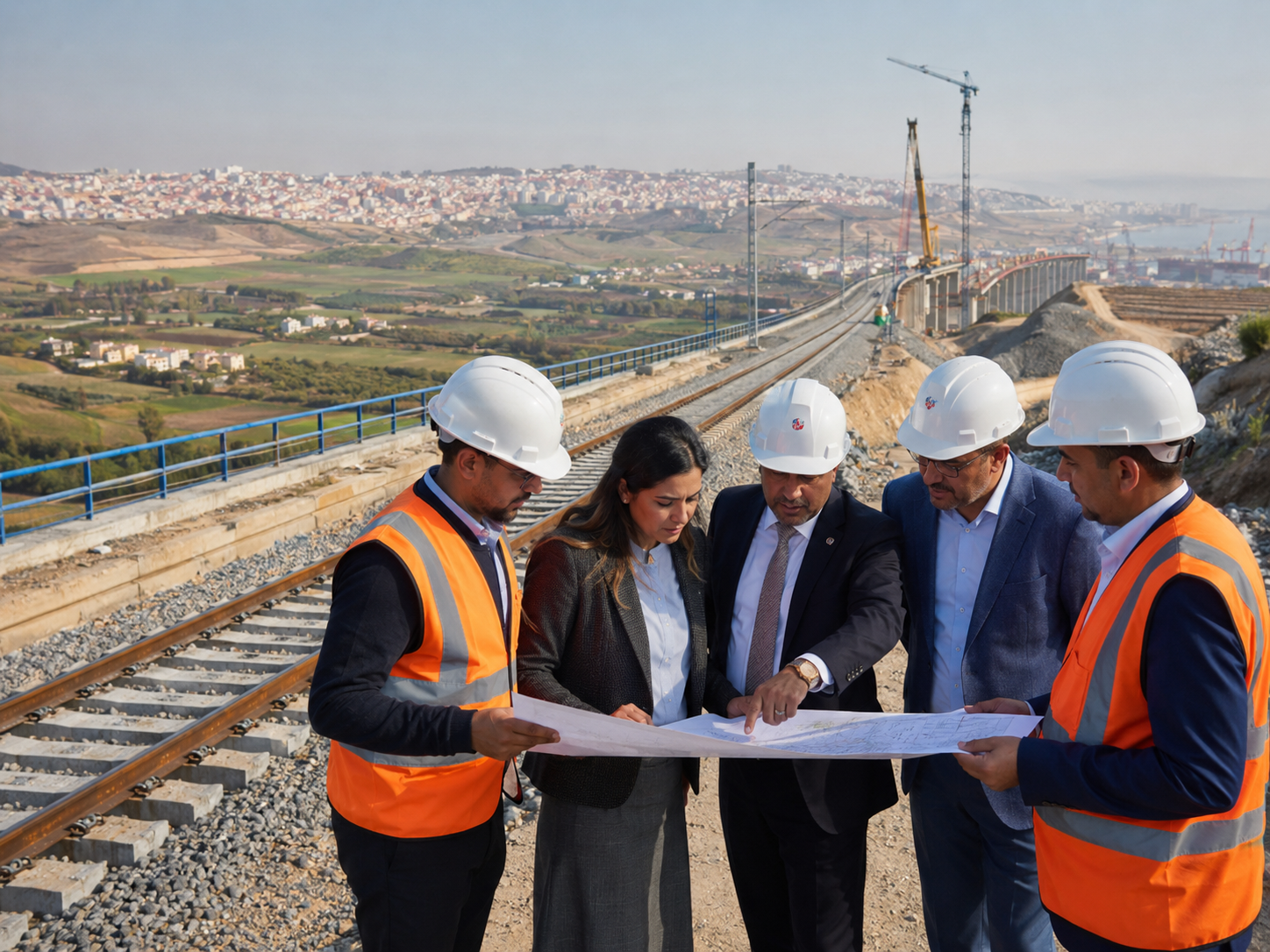
In June, the EIB announced another €365 million for Morocco’s road and rail networks, including financing designed to improve resilience, safety and connectivity. An additional €15 million EU grant supports climate-resilience measures in the railway component.
This matters because Morocco’s industrial expansion is creating increasing pressure on transport infrastructure.
Automotive components need to reach ports.
Tourists need rail connections.
Employees need mobility.
Industrial regions need reliable links with Casablanca, Tangier, Kenitra and other economic centres.
Better infrastructure effectively reduces the operating cost of the entire economy.
€700 Million Is Not Really About €700 Million
Development-bank financing can have a multiplier effect.
The EIB does not necessarily need to pay for an entire project.
Its participation can help mobilise additional capital.
Commercial banks.
European grants.
Private investors.
Other development institutions.
The EIB’s involvement can also improve credibility because projects undergo technical, environmental and financial evaluation.
That matters particularly for projects requiring long repayment periods.
A commercial bank may hesitate to finance infrastructure over several decades.
A multilateral institution is designed for that kind of horizon.
The €700 million target should therefore be viewed partly as catalytic capital.
Its real economic impact can be considerably larger than the headline financing amount.
Morocco Has Become A Strategic Southern Partner
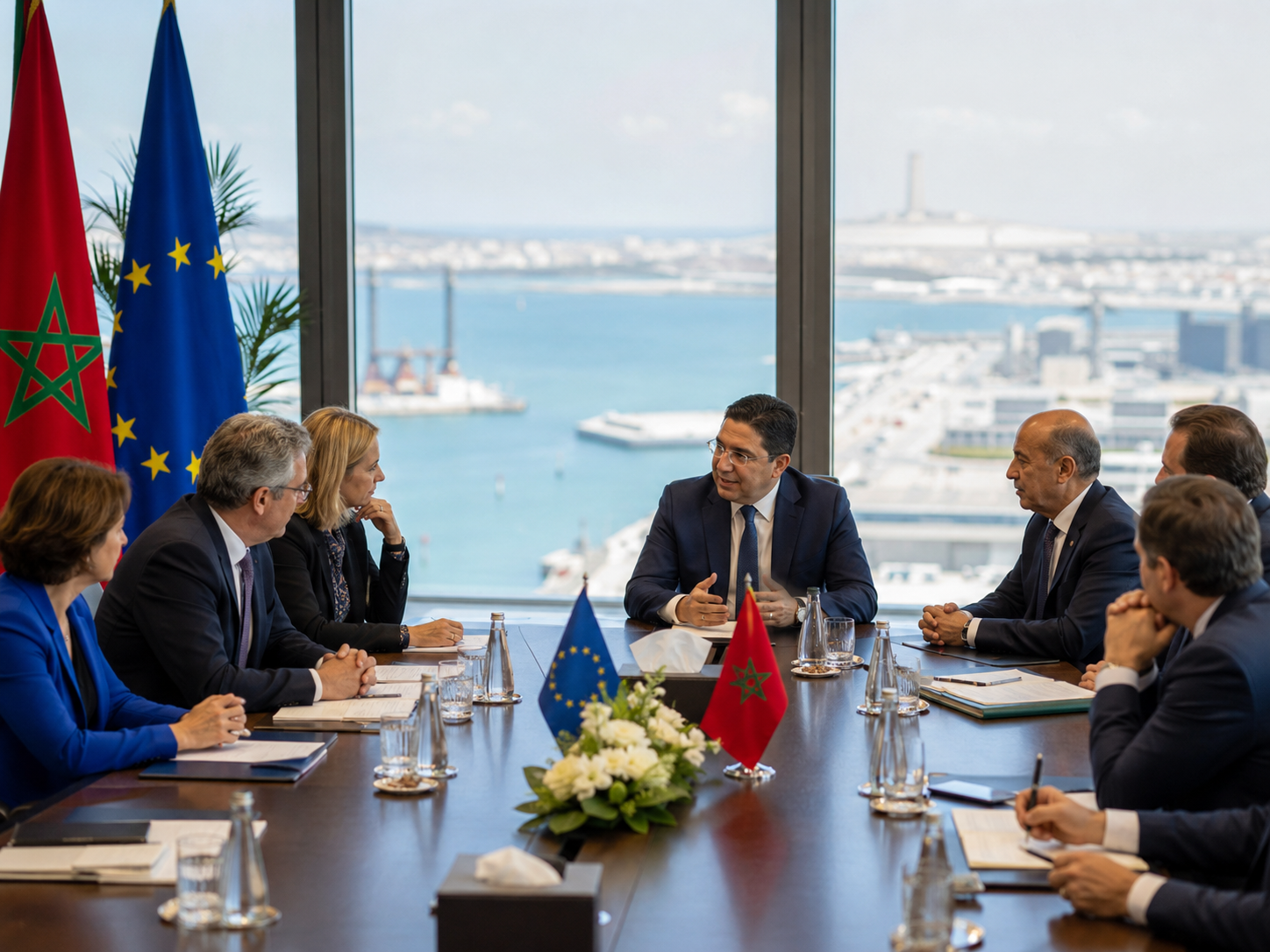
The EIB has worked with Morocco since 1979 and says it has mobilised more than €10 billion for structural projects over that period. Recent financing has accelerated considerably.
That acceleration reflects a broader change.
Morocco is increasingly relevant to European priorities.
Energy transition.
Industrial supply chains.
Migration-linked economic development.
Transport.
Digital connectivity.
Water security.
African market access.
The European Union wants resilient economic partners close to its borders.
Morocco wants capital, technology and market integration.
The relationship therefore contains clear mutual economic interests.
European financing helps Morocco modernise.
A stronger Morocco gives Europe a more capable industrial and economic partner on the southern side of the Mediterranean.
Tanger Med Shows What Long-Term Finance Can Create
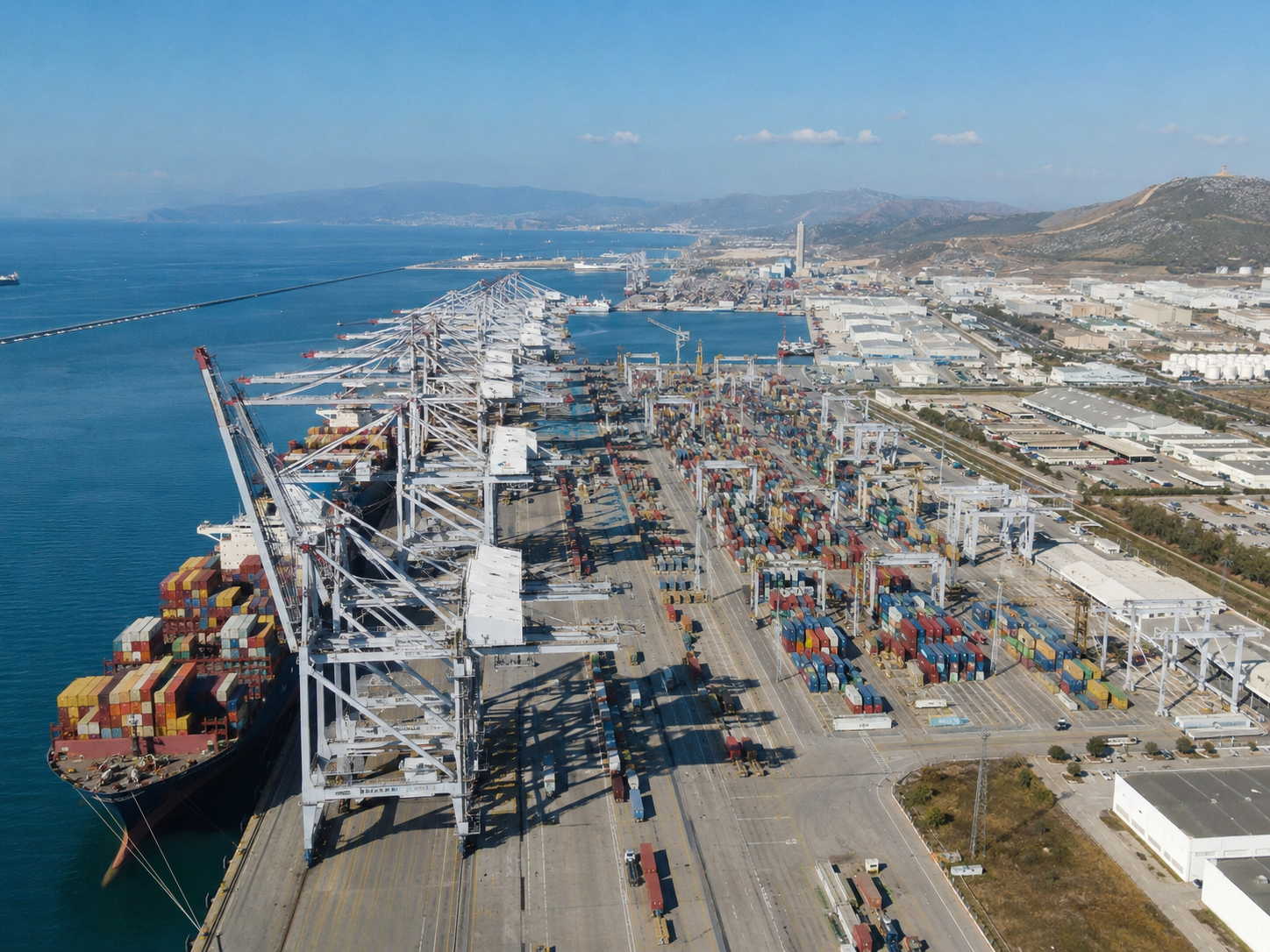
EIB President Nadia Calviño has specifically cited Tanger Med among the major Moroccan projects supported by the institution over the years.
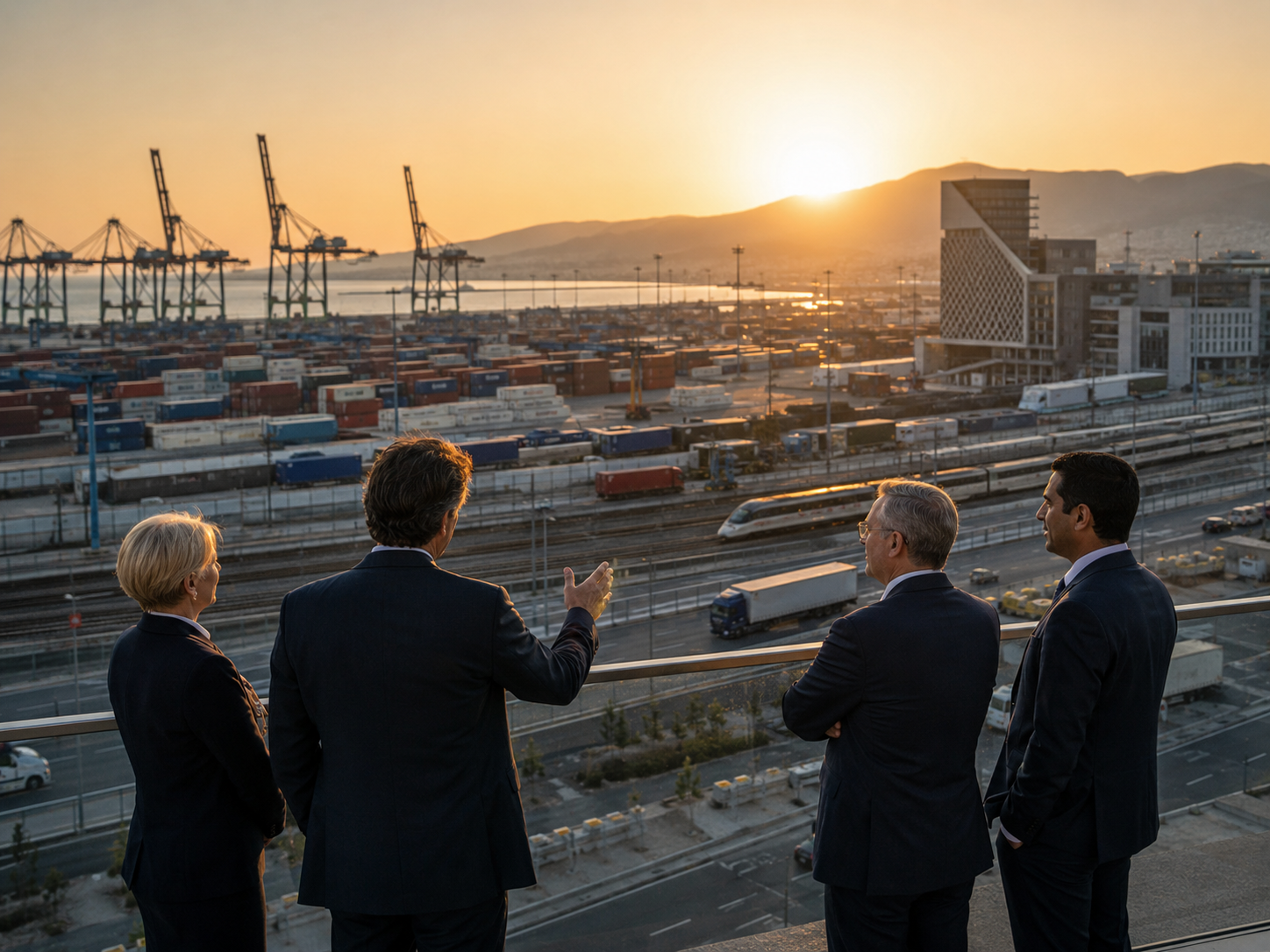
That example is useful because Tanger Med illustrates how infrastructure finance can change an entire economic geography.
The port itself created direct value.
But the larger effect came afterwards.
Automotive factories.
Logistics companies.
Industrial zones.
Warehouses.
Suppliers.
Export businesses.
Employment.
Foreign investment.
One infrastructure asset became the anchor for an industrial ecosystem.
That is the model Morocco should seek from future financing.
The objective should not merely be completing a road, railway or energy project.
It should be asking what additional private investment becomes possible because that infrastructure exists.
€365 Million For Transport Can Produce Much More
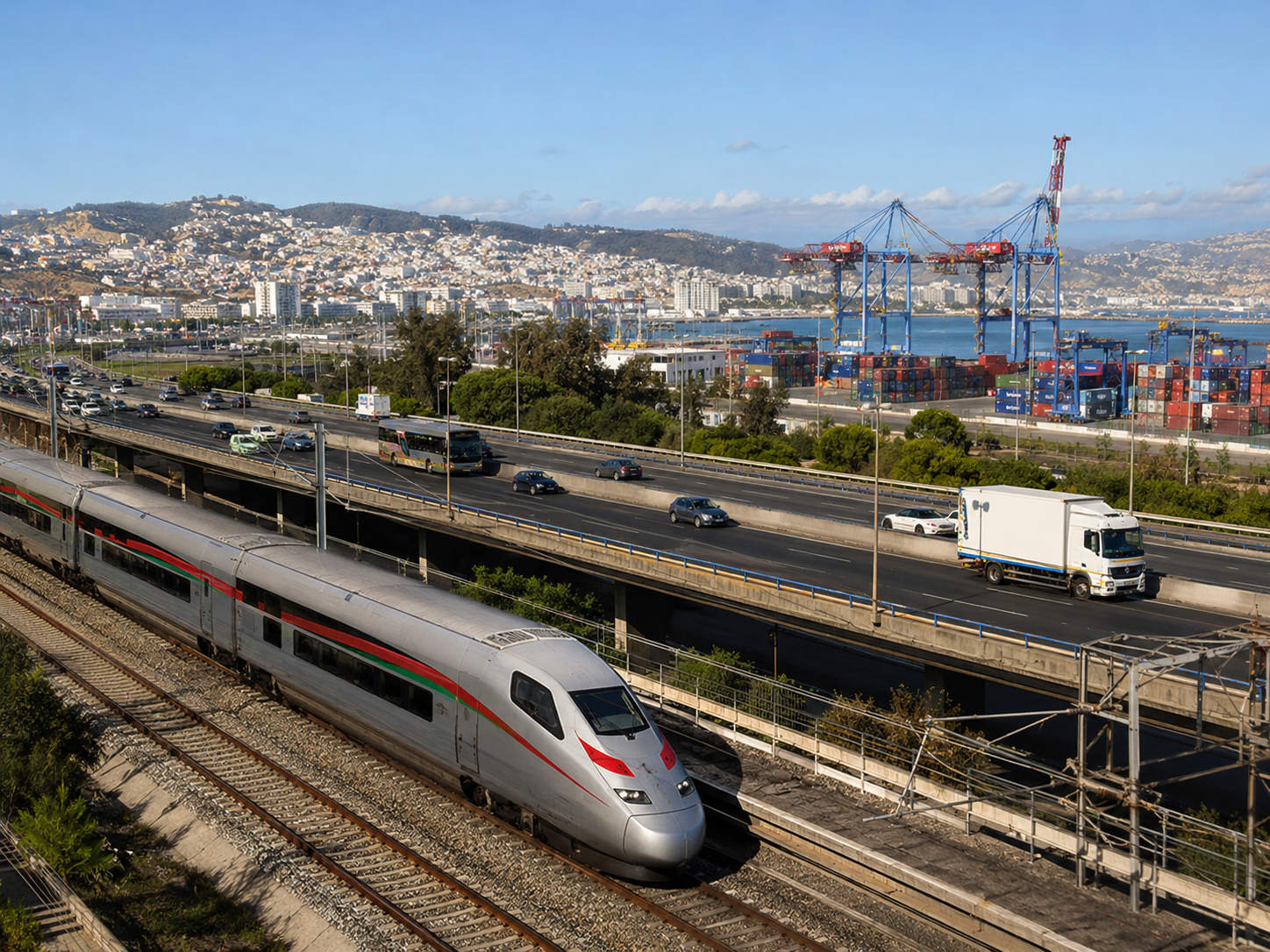
The EIB’s June transport package includes financing for Morocco’s motorway and railway networks.
Transport investment has unusually broad economic effects.
A faster railway can increase the distance from which people can realistically commute.
A stronger motorway can make a previously marginal industrial zone commercially viable.
Better logistics can reduce inventory requirements.
Tourism destinations become easier to reach.
Businesses gain access to larger labour markets.
The value therefore extends beyond transport operators.
Every company depending on movement benefits.
As Morocco prepares for substantially greater passenger and freight volumes approaching 2030, these improvements become increasingly important.
Water Finance Is Becoming Economic Finance
Water used to be treated largely as a public-service issue.
For Morocco, it is increasingly an economic constraint.
The EIB provided €70 million in 2025 to ONEE’s water branch to modernise drinking-water production and transmission infrastructure.
This connects directly with industrial policy.
Factories need water.
Cities need water.
Hotels need water.
Agriculture needs water.
New residential development needs water.
Morocco cannot continue attracting investment if infrastructure does not keep pace with demand.
Water security therefore becomes part of the investment proposition.
A multinational considering Morocco increasingly needs confidence not only in taxation and labour costs, but in utilities.
Development-bank financing helps strengthen that foundation.
Reconstruction Is Also An Investment In Productivity
The EIB is separately mobilising a second €500 million tranche for reconstruction in High Atlas regions affected by the September 2023 earthquake, bringing its total commitment under that programme to €1 billion.
The financing covers infrastructure including roads, schools and healthcare facilities.
That is humanitarian and social investment.
It is also economic investment.
A road reconnects communities with markets.
A school protects human capital.
A healthcare facility allows a region to function normally.
Reconstruction becomes more powerful when infrastructure is rebuilt to higher resilience and energy-efficiency standards rather than simply restored exactly as it existed.
The objective is not only recovery.
It is stronger recovery.
Private Companies Are Becoming More Important
Another significant part of the EIB strategy is support for Morocco’s private sector.
In 2025, EIB disbursements included financing channelled through Banque Populaire under an EU trade and competitiveness programme supporting Moroccan export value chains in automotive, textiles and agri-food.
This may become one of the most important areas of future cooperation.
Morocco has no shortage of infrastructure ambition.
But national economic growth ultimately requires companies capable of using that infrastructure productively.
SMEs need financing for:
Machinery.
Factory expansion.
Energy efficiency.
Digitalisation.
Export capacity.
Working capital.
Certification.
If European institutional funding can reduce financing constraints for Moroccan companies, the impact moves directly into the productive economy.
Morocco Needs More Mid-Sized Champions
Morocco has several large corporate groups.
The deeper challenge is creating many more mid-sized companies capable of becoming regional exporters.
This is where development finance can have disproportionate impact.
A small company may depend mostly on founder capital and bank debt.
A large corporation can access several financing markets.
Companies in between can struggle.
They may need €10 million, €30 million or €50 million to build the next factory or enter another market.
Too large for simple SME financing.
Too small for major capital markets.
European credit lines, guarantees and investment funds can help fill that gap.
If Morocco wants more corporate champions, growth capital must become easier to access.
Private Equity Is Entering The Picture
The EIB is also supporting investment funds targeting fast-growing companies across Morocco, Tunisia and Egypt.
In July 2026, it published a proposed investment of around $25 million into SPE Growth Fund III, a fund targeting businesses expected to generate significant trade with Europe. The fund itself is expected to reach approximately $350 million.
This represents a different financing model.
Rather than financing a government project or lending through a bank, institutional capital enters companies through private equity.
That can help businesses finance acquisitions, international expansion and industrial growth without relying entirely on debt.
Morocco’s financing ecosystem becomes stronger when several forms of capital coexist.
Banks.
Stock markets.
Private equity.
Development finance.
Corporate bonds.
No single financing source should carry the entire economy.
Europe Wants Stronger Supply Chains
There is also a strategic European reason for financing Moroccan businesses.
Europe increasingly wants supply chains that are geographically closer and more resilient.
Morocco already plays an important role in:
Automotive.
Textiles.
Agri-food.
Aerospace.
Energy.
Expanding Moroccan production can therefore support European companies looking to diversify supply away from distant markets.
This creates alignment.
European financing helps Moroccan manufacturers expand.
Those manufacturers become more capable suppliers to European markets.
Trade grows.
Employment grows in Morocco.
Supply-chain resilience improves for Europe.
Development finance becomes industrial policy on both sides of the Mediterranean.
Green Finance Could Become A Competitive Weapon
The EIB places substantial emphasis on climate-related investment.
Across Africa, 46% of EIB Global activity in 2025 was dedicated to climate action and environmental sustainability.
For Morocco, this can have direct commercial consequences.
European customers increasingly examine the environmental footprint of suppliers.
Moroccan companies able to produce using renewable energy, efficient machinery and lower-carbon logistics may become more competitive.
Green financing can help companies pay for that transition.
Solar installations.
Energy-efficient equipment.
Water recycling.
Electric logistics.
Industrial decarbonisation.
The result should not simply be better environmental reporting.
It should be lower operating costs and stronger export positioning.
Development Finance Must Remain Selective
Cheap or long-term capital is valuable.
It should not encourage poor investment.
Projects still need economic discipline.
Does the infrastructure solve a real bottleneck?
Will businesses actually use it?
Can the borrower repay?
Is the project properly maintained?
Could private financing deliver it without public support?
Institutional money works best when it unlocks investments that are economically useful but difficult to finance through conventional channels.
The €700 million target should therefore not be judged simply by how quickly the money is committed.
The quality of the projects matters more.
Europe And Morocco Are Becoming More Economically Interdependent
Morocco’s industrial transformation increasingly relies on access to European markets.
Europe increasingly relies on Morocco for nearby manufacturing, logistics, energy cooperation and regional stability.
Finance is becoming one of the tools connecting those interests.
The EIB’s activity illustrates that shift clearly.
€740 million signed in 2025.
More than €700 million targeted in 2026.
€365 million recently announced for road and rail infrastructure.
€1 billion committed to High Atlas reconstruction.
These are not isolated transactions.
Together, they describe an increasingly institutionalised investment relationship.
€700 Million Is Really A Confidence Signal
Money alone does not transform an economy.
What matters is what the financing enables.
A road that unlocks an industrial zone.
A railway that connects workers with jobs.
A water system that allows cities to grow.
A credit line that helps a manufacturer expand.
A private-equity fund that turns a Moroccan SME into an African company.
That is where development finance becomes economically meaningful.
Morocco has spent years positioning itself as a bridge between Europe and Africa.
The EIB’s accelerating financial commitment suggests Europe increasingly sees that bridge as infrastructure worth investing in.
The next test is ensuring that every additional euro does more than fund construction.
It should increase Morocco’s capacity to produce, export, compete and create companies capable of standing on their own long after the financing has been repaid.