
Morocco’s next major retail battle may happen inside the home.
Paint.
Tools.
Lighting.
Storage.
Garden equipment.
Bathroom products.
Electrical supplies.
Decoration.
Home renovation.
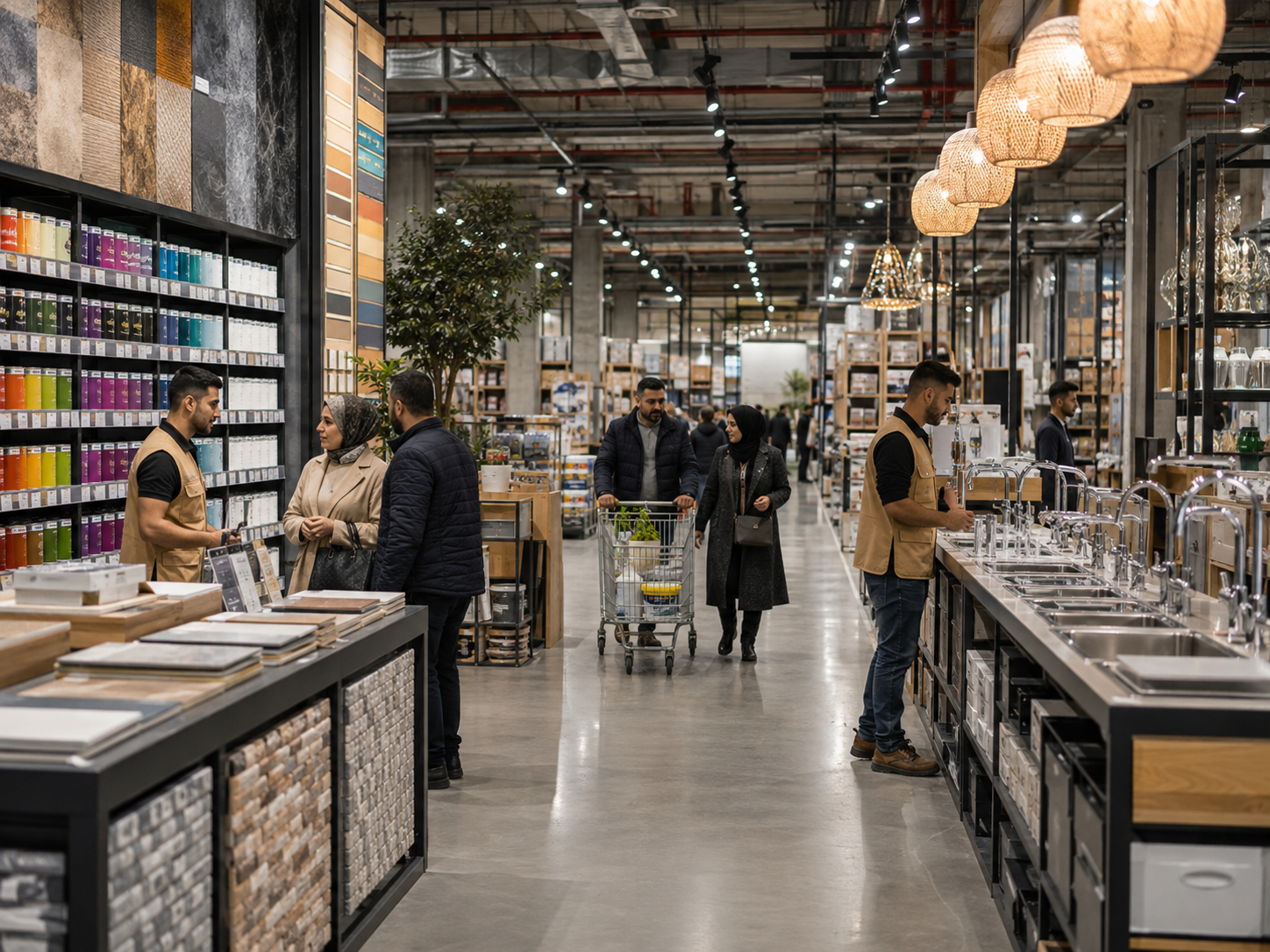
Mr.Bricolage Maroc has launched an expansion plan that aims to build a network of 45 stores across Morocco by 2032, backed by approximately 700 million dirhams of investment.
The programme officially entered its operational phase in June with the opening of the brand’s 12th Moroccan store at Sela Park Almaz in Casablanca. The longer-term plan targets more than 60,000 square metres of commercial and logistics space and approximately 2.2 billion dirhams in annual revenue by 2032.
That is much bigger than another store-opening programme.
It is a bet that Morocco’s housing economy is changing.
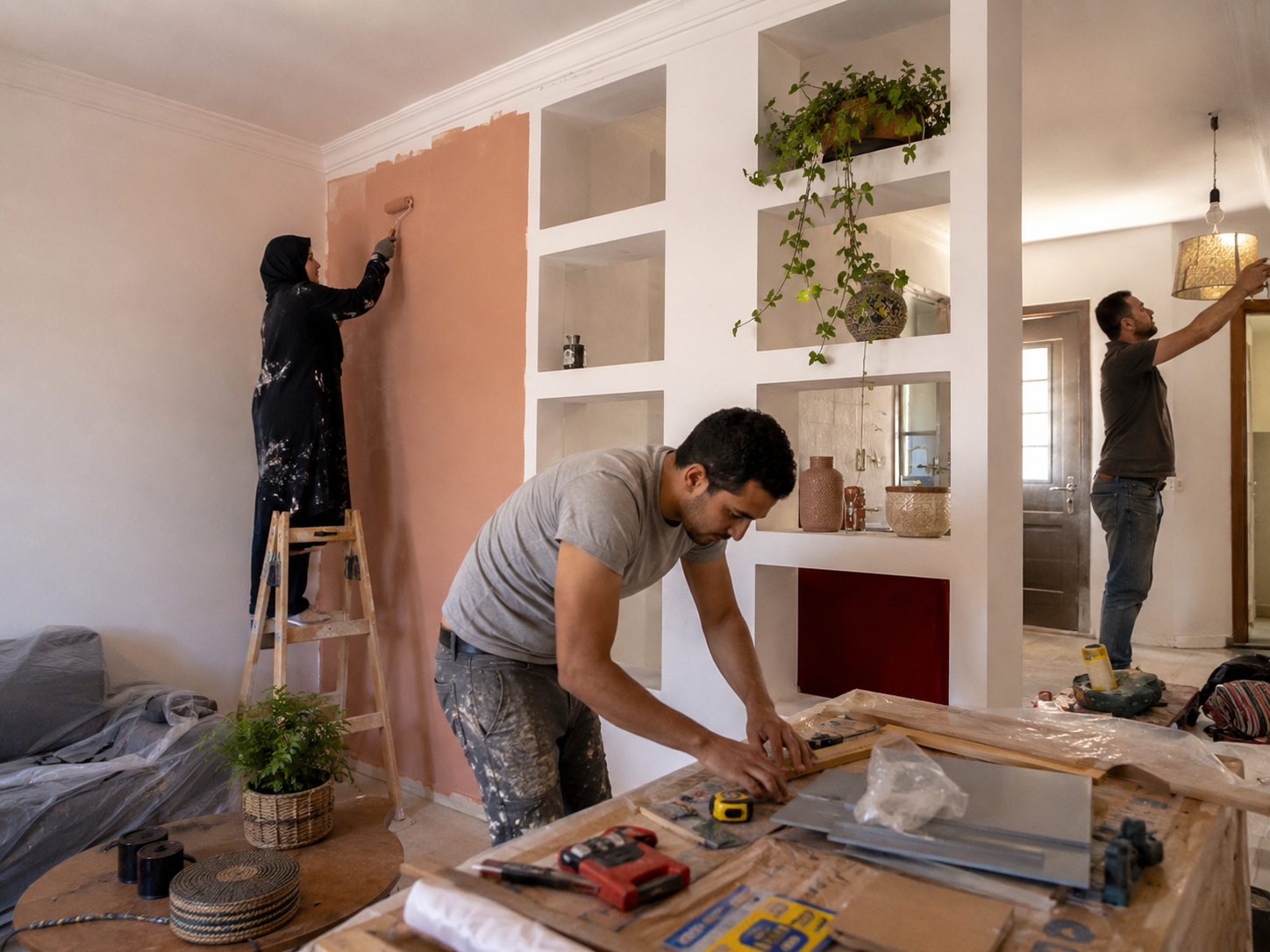
Families increasingly want to improve homes after purchasing them.
Apartment owners renovate.
New residences require furnishing.
Gardens and terraces become lifestyle spaces.
Property investors maintain rental units.
Artisans need professional supplies.
And more consumers want to purchase renovation products themselves rather than leaving every decision to a contractor.
DIY retail is therefore beginning to sit at the intersection of housing, consumption and lifestyle.
Morocco Is Moving From Construction To Home Improvement
Morocco has spent years building.
Apartments.
Villas.
Residential developments.
Hotels.
Offices.
New districts.
But every building eventually creates a second economy.
Maintenance.
Renovation.
Painting.
Plumbing.
Lighting.
Storage.
Decoration.
Gardening.
A newly constructed apartment may generate one transaction for the developer.
The home itself can generate spending for decades afterwards.
That is the opportunity Mr.Bricolage is targeting.
Home improvement is recurring.
People repaint.
Replace fixtures.
Upgrade kitchens.
Repair bathrooms.
Buy shelves.
Change lighting.
Improve terraces.
The property does not need to be newly constructed for the retailer to make another sale.
That makes renovation a fundamentally different market from construction.
45 Stores Would Turn DIY Into A National Retail Category
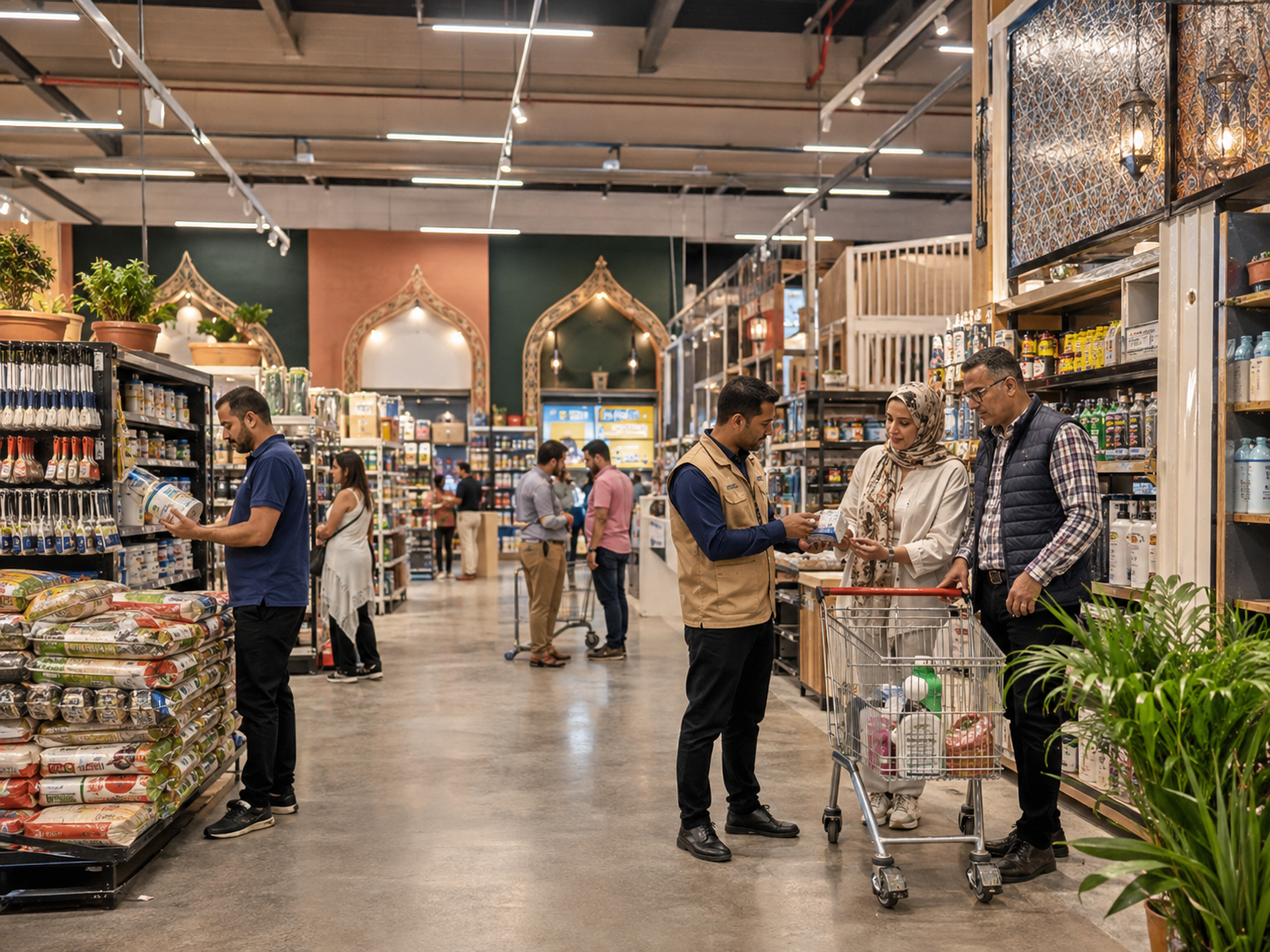
Mr.Bricolage currently has 12 stores in Morocco.
Going from 12 to 45 locations by 2032 would transform its national footprint.
The ambition extends far beyond Casablanca.
A national network means serving consumers in secondary cities where organised DIY retail may still be less developed.
That matters because home improvement demand exists everywhere.
A family in Kenitra needs paint.
A homeowner in Tangier needs tools.
A property owner in Agadir needs garden equipment.
An apartment in Fez eventually needs repairs.
Historically, much of this demand has been served by highly fragmented specialist retailers.
Hardware shops.
Paint sellers.
Electrical stores.
Sanitary-equipment shops.
Carpenters.
Independent suppliers.
The modern DIY model puts many of those categories under one roof.
Convenience becomes the product.
700 Million Dirhams Is Really A Logistics Investment
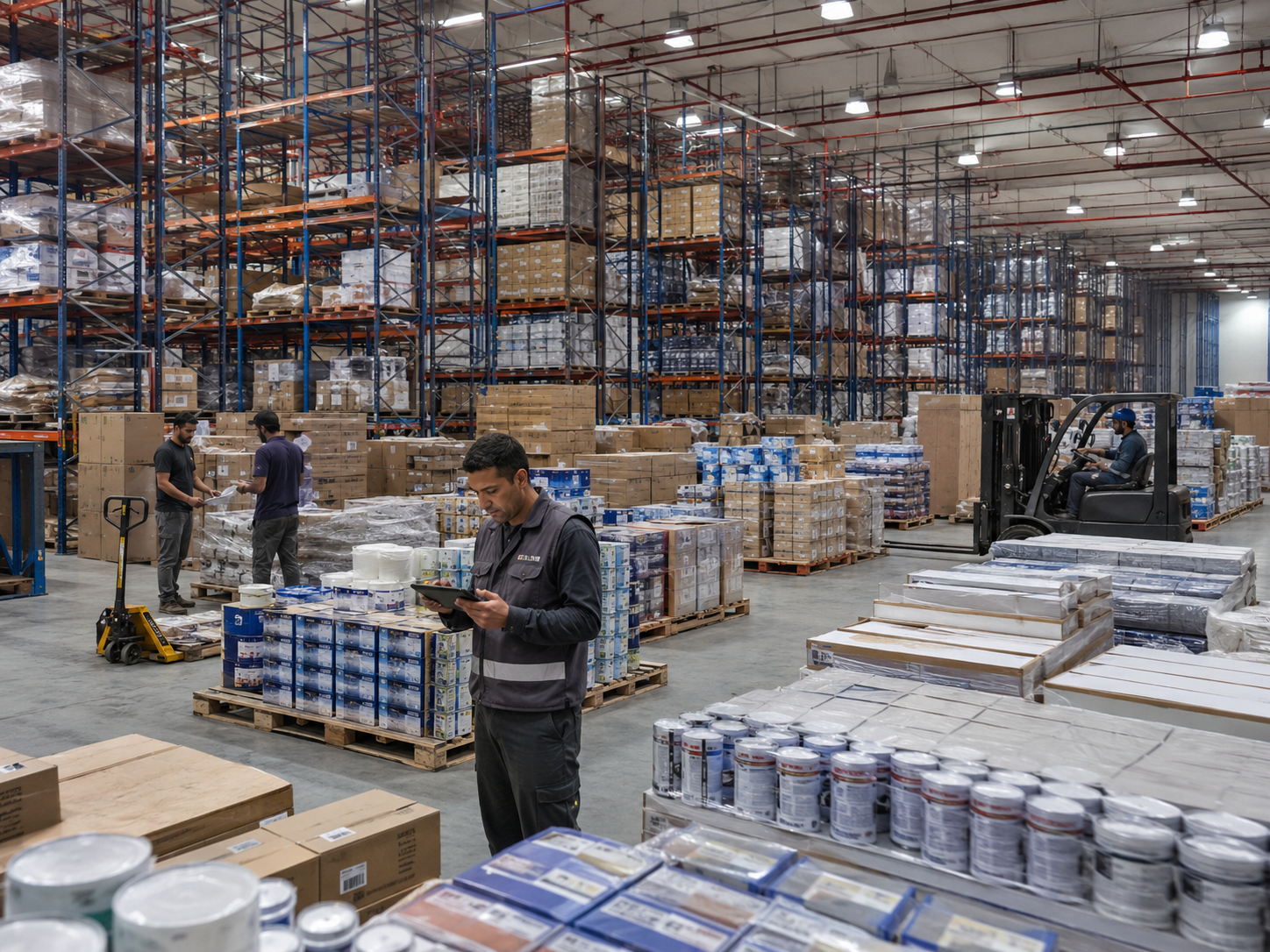
Opening dozens of stores requires much more than commercial property.
Every outlet needs inventory.
Thousands of product references.
Different sizes.
Different brands.
Different price points.
Some products move quickly.
Others may sit for months.
That creates an enormous inventory-management challenge.
The 700 million dirham programme therefore cannot be understood only as investment in stores.
Warehousing will matter.
Distribution systems will matter.
Forecasting will matter.
Technology will matter.
A customer visiting a DIY store usually has a specific problem to solve.
If the correct fitting, tool or paint colour is unavailable, the customer may simply go elsewhere.
Stock availability becomes part of customer service.
2.2 Billion Dirhams Requires High Store Productivity

Mr.Bricolage Maroc is targeting approximately 2.2 billion dirhams of revenue by 2032.
That creates a useful benchmark.
Forty-five stores cannot simply exist.
They need to perform.
Revenue per store.
Revenue per square metre.
Average basket.
Customer frequency.
Gross margin.
Inventory turnover.
These metrics will determine whether the expansion creates value.
Retail networks sometimes become obsessed with location count.
More stores generate impressive headlines.
They also generate rent, salaries and inventory commitments.
The strongest expansion is not the fastest one.
It is the one where each additional store strengthens the economics of the entire network.
One Retail Creates A Bigger Platform Behind The Brand
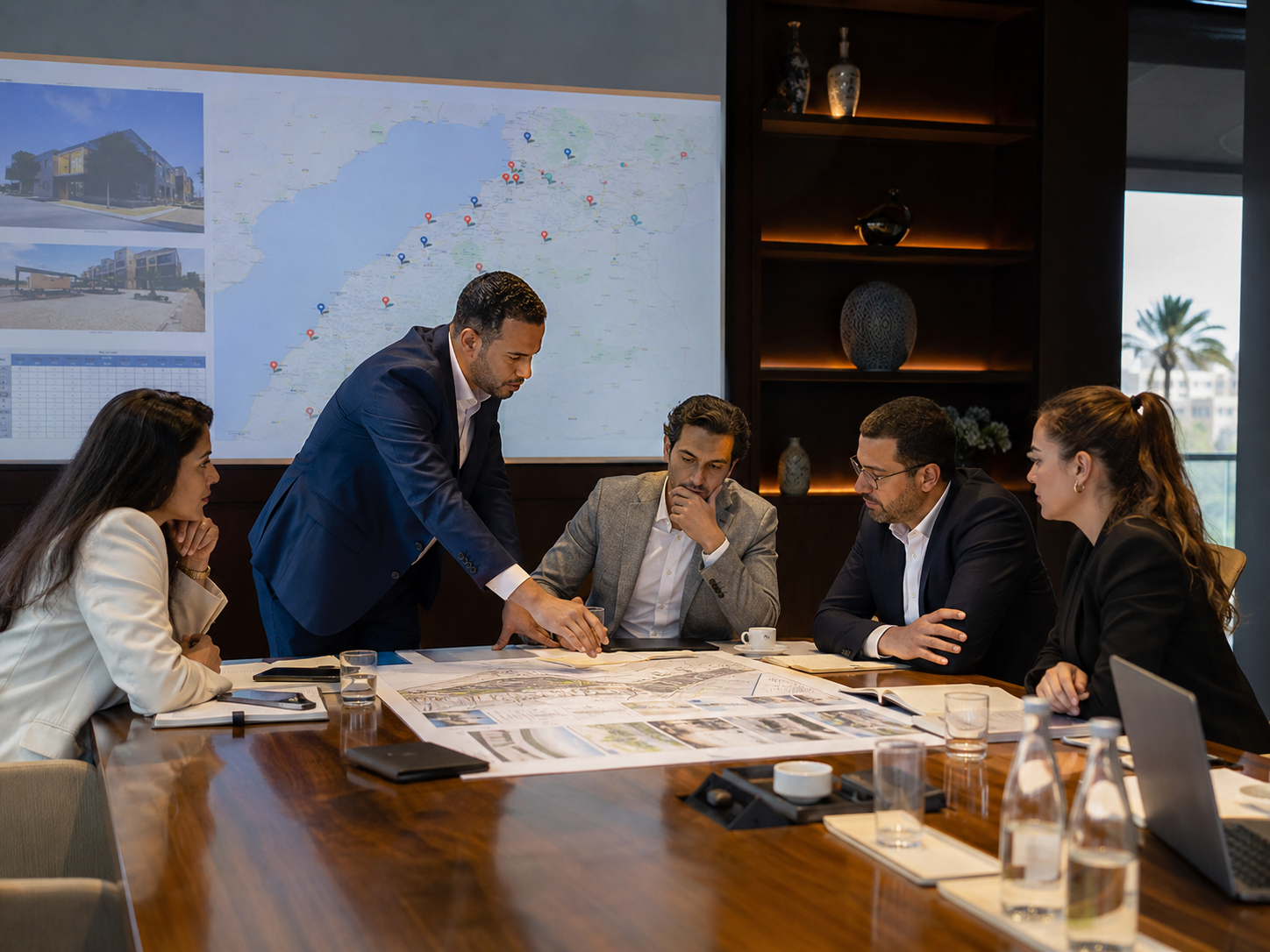
Mr.Bricolage Maroc operates inside One Retail, the retail vertical of H&S Holding.
That matters because the DIY business does not need to build every corporate function independently.
A larger retail platform can potentially share expertise in:
Real estate.
Procurement.
Human resources.
Finance.
Technology.
Marketing.
Logistics.
Expansion planning.
This can reduce duplication.
It can also help Mr.Bricolage scale faster than a standalone retailer starting from zero.
Retail groups become powerful when each brand maintains its customer identity while the infrastructure behind them becomes increasingly shared.
The consumer sees Mr.Bricolage.
The holding company sees a distribution platform.
1,200 Jobs Shows The Scale Of The Network
The expansion plan is expected to support more than 1,200 direct jobs. The group also intends to work with more than 220 Moroccan and international suppliers and develop relationships with artisans and maalems.
That supplier number may be even more strategically important than the employment figure.
Every new store creates shelf space.
Moroccan manufacturers can compete for it.
Paint.
Furniture accessories.
Storage.
Plumbing.
Electrical equipment.
Tools.
Garden products.
Home decoration.
Building materials.
A growing national retailer can become a distribution route for local manufacturing.
The more Moroccan products qualify for those shelves, the more retail expansion supports domestic industry.
Moroccan Suppliers Could Be One Of The Biggest Winners
Imagine a Moroccan manufacturer producing one successful home-improvement product.
Selling through independent retailers city by city requires a large sales organisation.
A national chain changes that.
One commercial relationship can potentially provide access to dozens of locations.
That lowers distribution friction.
It also allows manufacturers to plan larger production runs.
Scale can reduce cost.
Lower cost can improve competitiveness.
The retailer benefits from local sourcing.
The manufacturer benefits from distribution.
The customer potentially benefits from better pricing and availability.
This is how retail growth can create industrial growth behind it.
DIY Retail Is Also About Professional Customers
The word “DIY” can make the market sound entirely consumer-driven.
It is not.
Electricians.
Painters.
Plumbers.
Carpenters.
Property managers.
Small contractors.
Maintenance teams.
Artisans.
These professionals purchase repeatedly.
Their needs are different from those of households.
They value stock availability.
Price.
Volume.
Early opening hours.
Technical information.
Fast checkout.
Potential delivery.
A professional customer may spend significantly more over one year than a household visitor.
Mr.Bricolage therefore has an opportunity to build two businesses inside the same network.
Consumer home improvement.
Professional trade supply.
Maalems Should Become Partners, Not Competitors
Moroccan households frequently rely on maalems for renovation work.
That relationship should not be disrupted by modern DIY retail.
It can be strengthened.
Many customers want to choose products themselves but still require someone to install them.
Buy the bathroom fixture.
Need a plumber.
Buy lighting.
Need an electrician.
Buy kitchen elements.
Need installation.
A retailer connecting trusted professionals with customers can become much more valuable.
The shop stops being simply a place that sells products.
It becomes a solution platform.
Mr.Bricolage’s stated ambition to work with artisans and maalems therefore makes strategic sense.
Services Could Become As Important As Products
This is where the retail model can evolve.
Delivery.
Installation.
Measurement.
Paint mixing.
Assembly.
Home consultations.
Kitchen planning.
Garden advice.
Tool rental.
Customers are often willing to pay more when uncertainty disappears.
Someone may know they want to renovate a bathroom without knowing exactly which fittings are compatible.
Advice converts intention into purchase.
Service can also differentiate organised retail from marketplaces competing primarily on price.
The customer is not really buying a drill.
They are trying to make a hole.
The retailer that understands the problem owns more of the transaction.
Morocco’s Apartment Economy Supports The Model
Urban Morocco is heavily apartment-based.
That changes home-improvement demand.
Apartment owners need different products from large-villa owners.
Storage becomes important.
Space optimisation.
Lighting.
Compact furniture.
Balcony products.
Wall systems.
Kitchen organisation.
Sound insulation.
Small-scale renovation.
Modern DIY retail should adapt to those realities.
A giant garden department may work in one catchment area.
A dense urban store may need much more storage and interior-improvement inventory.
National chains still need local merchandising.
One Morocco does not mean one identical customer.
Homeowners Are Becoming More Design-Conscious
Social media has transformed home improvement.
Instagram.
Pinterest.
TikTok.
YouTube.
Consumers see interior ideas continuously.
They discover paint colours.
Lighting concepts.
Storage solutions.
Kitchen upgrades.
Furniture hacks.
Aesthetic expectations rise.
This can stimulate spending.
A homeowner who once replaced something only when it broke may now renovate because they want the room to look better.
That moves DIY retail partly from necessity into lifestyle.
The distinction is economically important.
Repair spending is defensive.
Design spending can be discretionary and significantly larger.
Home Ownership Creates Long-Term Customers
A house or apartment is usually one of the largest assets a family owns.
People therefore have a natural incentive to maintain it.
That makes home improvement relatively resilient.
Consumers may postpone a cosmetic renovation during difficult periods.
They cannot postpone every leak, electrical issue or repair.
As incomes rise, the same customer gradually shifts from maintenance toward improvement.
Basic paint becomes premium paint.
Functional lighting becomes decorative lighting.
Simple storage becomes interior design.
The retailer can grow with the customer.
New Residential Development Creates A Ready Market
Every new Moroccan residential project produces immediate downstream demand.
Curtain systems.
Lighting.
Shelving.
Paint.
Bathroom accessories.
Security.
Garden products.
Tools.
Storage.
Even apartments delivered as “finished” rarely remain exactly as received.
New homeowners personalise them.
Developers therefore create customers for retailers indirectly.
Mr.Bricolage should be mapping construction as carefully as traditional retailers map population density.
A new district containing thousands of apartments can support years of home-improvement demand.
Renovation Could Outgrow New Construction
This is the long-term structural opportunity.
As Morocco’s housing stock becomes larger and older, renovation naturally increases.
Every building ages.
Paint deteriorates.
Bathrooms become dated.
Electrical systems require updating.
Owners renovate before selling.
Landlords renovate between tenants.
Hotels refurbish.
Offices modernise.
The installed base of buildings becomes an economic asset for the DIY industry.
New construction creates future renovation customers.
Over time, home improvement can therefore become less dependent on the pace of new property development.
E-Commerce Can Solve A Major DIY Problem
DIY products are difficult to shop for online.
Consumers need technical information.
Dimensions.
Compatibility.
Colour.
Weight.
But digital tools can still improve the experience enormously.
Check availability before travelling.
Compare products.
Reserve items.
Watch installation videos.
Order heavy goods for delivery.
Reorder professional supplies.
Locate the nearest branch.
A plumber should not need to drive across Casablanca to discover the component is unavailable.
Digital inventory visibility can save time.
For professional customers, that convenience may become one of the strongest reasons to remain loyal.
Click-And-Collect Could Be Particularly Effective
Home-improvement retail suits click-and-collect well.
Customers research online.
Reserve exactly what they need.
Collect quickly.
This combines the convenience of e-commerce with immediate physical access.
It can also reduce delivery costs for the retailer.
For tradespeople, speed becomes extremely valuable.
A professional may know the exact product code.
They do not need a thirty-minute browsing experience.
They need the product waiting.
Retail digitalisation should therefore create different journeys for inspiration customers and mission-driven customers.
Private Labels Could Improve Margins
Large DIY retailers internationally often develop private-label products.
Tools.
Storage.
Accessories.
Hardware.
Cleaning.
Garden products.
Private labels can offer stronger margins and price differentiation.
They also make direct competitor comparisons harder.
A branded drill may cost exactly the same across several stores.
A retailer-owned brand exists only inside one network.
That creates loyalty when quality is credible.
With 45 planned stores, Mr.Bricolage Maroc could eventually possess enough scale to make local private-label manufacturing particularly interesting.
Moroccan suppliers could become part of that opportunity.
Scale Should Lower Prices
Seven hundred million dirhams of investment needs to create benefits customers can understand.
One should be purchasing power.
A 45-store chain can negotiate differently from a single independent retailer.
Larger volumes.
Central procurement.
Better logistics.
Longer supplier agreements.
Those efficiencies can create better prices while protecting margins.
If scale only creates larger stores but products remain consistently expensive, consumers may continue buying through traditional channels.
Modern retail needs to earn the right to replace fragmented purchasing.
Price is part of that equation.
Traditional Hardware Stores Will Not Disappear
Morocco’s independent bricolage and hardware shops possess advantages too.
Neighbourhood location.
Personal relationships.
Flexible service.
Technical knowledge.
Small purchases.
Credit relationships in some professional contexts.
Large chains will not automatically replace them.
The likely future is mixed.
Consumers use a large DIY store for major projects.
A neighbourhood hardware shop for urgent repairs.
Online channels for repeat purchases.
Specialist suppliers for technical categories.
Competition becomes about shopping occasion rather than total market dominance.
That is healthier than assuming one format will eliminate another.
Store Format Will Need To Vary By City
Mr.Bricolage’s plan targets national expansion.
Not every city requires identical store size.
Large metropolitan location.
Medium regional store.
Compact urban format.
Potential professional-focused outlet.
Different formats can improve capital efficiency.
A 5,000-square-metre store is unnecessary when a 1,500-square-metre format captures most of the local opportunity.
Flexible formats also accelerate expansion.
The real estate becomes easier to find.
Investment per opening falls.
The retailer can reach smaller cities sooner.
National scale often requires format flexibility.
Opening Every Eight Weeks Is Operationally Aggressive
Public reporting around the expansion plan described a pace of roughly one new location every eight weeks, although management communication has also referred to approximately quarterly openings.
Either pace is demanding.
Locations need to be found.
Leases negotiated.
Stores fitted.
Inventory purchased.
Employees recruited.
Managers trained.
Technology installed.
Marketing prepared.
Opening too fast can create uneven execution.
The most difficult resource may eventually be management talent.
A building can be prepared faster than an experienced store manager can be developed.
Expansion therefore needs a leadership pipeline running ahead of the real-estate pipeline.
60,000 Square Metres Needs A Supply-Chain Brain
The 2032 roadmap targets more than 60,000 square metres of commercial and logistics space.
Managing that footprint manually would be difficult.
Centralised technology needs to understand the network.
Which store needs which product?
Which region buys more garden equipment?
Where is paint demand rising?
Which SKU is moving too slowly?
What should be discounted?
What needs replenishment tomorrow?
Data can improve every one of those decisions.
Small improvements matter when applied across thousands of products and dozens of stores.
Retail technology becomes margin technology.
Morocco Could Eventually Export The Model
The ambition may not stop at the Moroccan border.
Management has publicly mentioned longer-term international expansion, particularly toward the MENA region, once the domestic platform is established.
That would change the significance of the strategy again.
A Moroccan retail operator would not simply manage an international franchise domestically.
It could potentially use the capabilities built in Morocco to expand regionally.
Logistics.
Real estate.
Store operations.
Supplier management.
Customer knowledge.
The country becomes a base from which retail expertise travels outward.
That is exactly the progression Morocco should want from successful franchise businesses.
700 Million Dirhams Is A Bet On How Moroccans Will Live
Mr.Bricolage Maroc’s plan can be summarised through four numbers.
45 stores by 2032.
700 million dirhams of investment.
More than 60,000 square metres of retail and logistics space.
2.2 billion dirhams in targeted revenue.
But those numbers rest on a much simpler bet.
Moroccans will continue spending more on their homes.
Not only buying property.
Improving it.
Maintaining it.
Personalising it.
Renovating it.
That makes DIY retail part of a broader lifestyle transformation.
The home is becoming a consumer category in its own right.
If Mr.Bricolage can combine national scale with competitive pricing, strong inventory, local suppliers, professional services and digital convenience, the company may do more than open another 33 stores.
It could help turn Morocco’s highly fragmented home-improvement market into one of the country’s next major organised retail categories.
And once that happens, the real competition will no longer be about who sells the most tools.
It will be about who owns the relationship with Moroccan households every time they decide their home can be better.
 Jamal Mahdad, Founder & Editor-in-Chief