
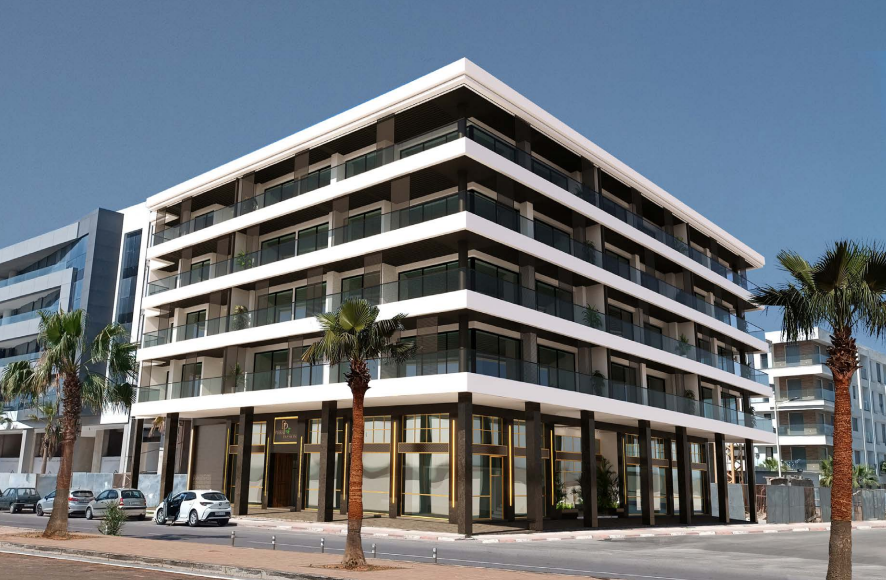
Forget the idea that buying a home in Morocco is only about summer holidays. For millions of Moroccans living in Europe, property back home is starting to feel like something bigger — a family base, a future plan, a smart money move before 2030 changes the country’s global profile even more. From Tangier to Marrakech, Casablanca to Agadir, the question inside many diaspora families is getting louder: should we buy before everyone else does?
The numbers are impossible to ignore. Moroccans living abroad sent more than $12.4 billion back home by the end of 2025. That is not just emotional support — that is serious economic power. For many families in France, Belgium, Spain, the Netherlands and the United Kingdom, buying property in Morocco is not only about investment. It is about belonging.
Tangier Feels Like The Smart Bet
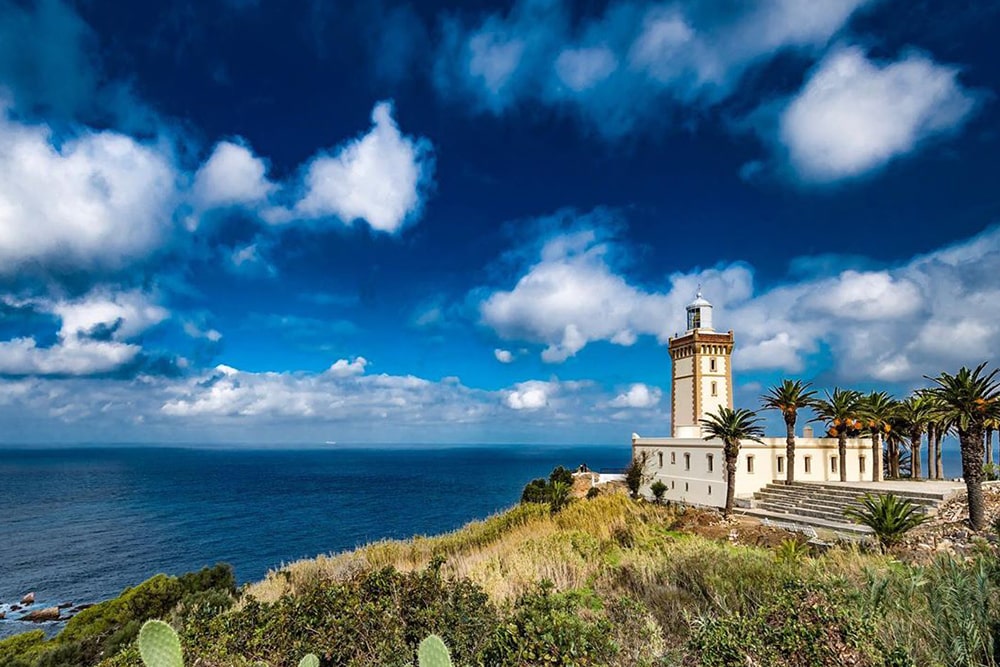
If one city is making diaspora buyers look twice, it is Tangier. The city has sea views, modern apartments, cafés, schools, beaches and quick access to Europe. It feels Moroccan, but international — and that matters for families who live between two worlds. A buyer from Amsterdam, Brussels, Madrid or Paris can imagine landing in Tangier and feeling close to both family and Europe. That is powerful. Property is never just about walls. It is about how a city makes you feel.
Marrakech is the emotional fantasy — riads, villas, palm trees, rooftop restaurants, warm evenings. Casablanca is different: Morocco’s economic capital, filled with offices, banks, companies, schools and a huge working population. People need places to live. Businesses need locations. That makes Casablanca less romantic, but very serious for long-term buyers. And Agadir sells sun, space and an easier holiday-home lifestyle with around 300 sunny days a year — exactly the kind of number that grabs attention in grey European winters.
The 2030 Effect Is Already In People’s Heads
The tourism numbers make the property question even bigger. Morocco welcomed a record 19.8 million tourists in 2025, up 14% from the year before, with revenues reaching around $13.5 billion. That is a major signal — more visitors can mean more demand for hotels, rentals, cafés, transport and holiday homes. A tourist today can become a buyer tomorrow.
Morocco will co-host the 2030 FIFA World Cup with Spain and Portugal, and Morocco plans to raise airport passenger capacity from 38 million to 80 million by 2030. For property buyers, better airports can make a city easier to visit, easier to rent and easier to sell. But the excitement needs discipline. Diaspora buyers should check title documents, developer reputation, service charges, building quality, rental rules, taxes and trusted legal advice. In property, emotion opens the door. Due diligence protects the money.