
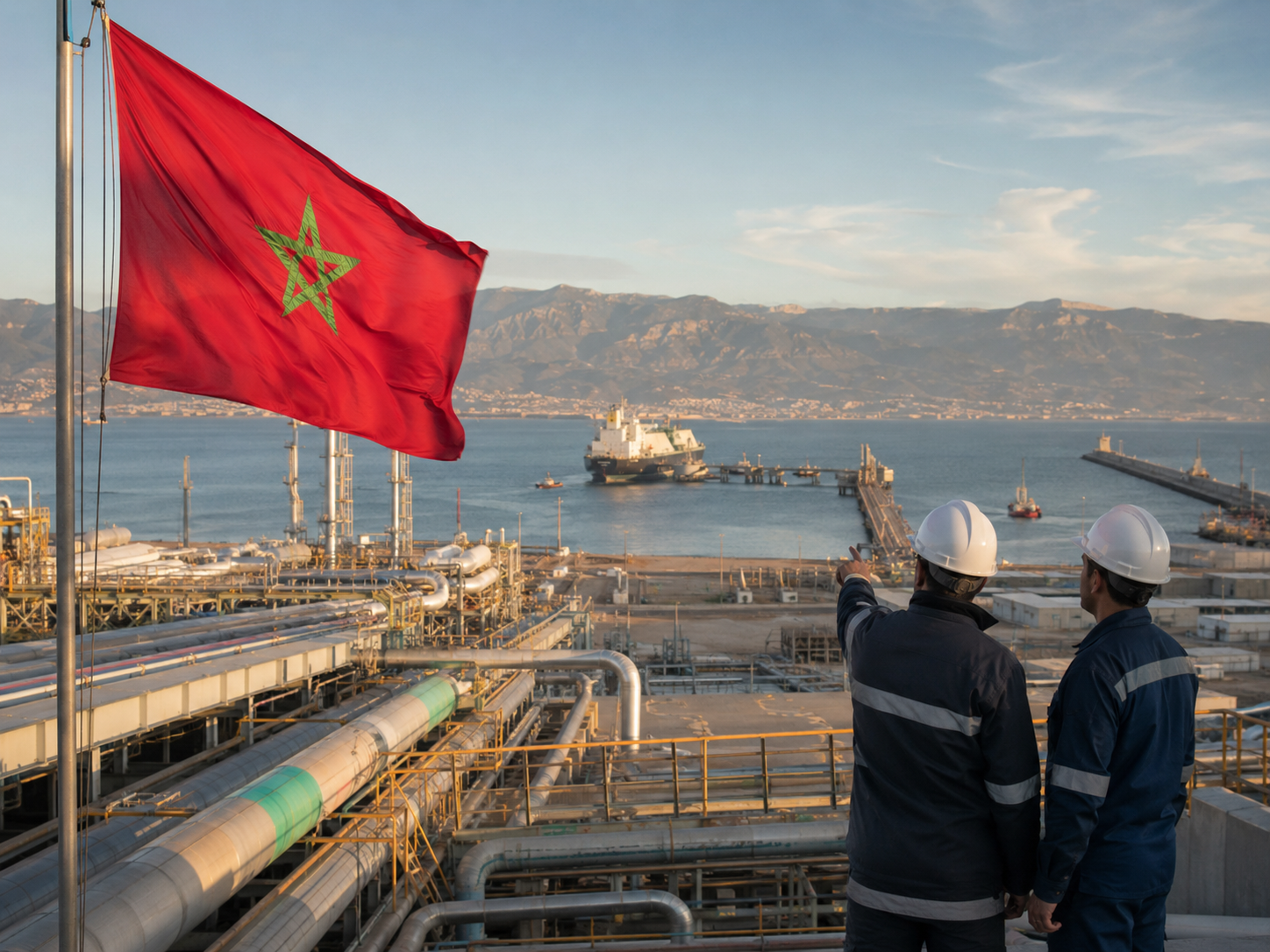
A 6,800-kilometre pipeline linking Nigeria to Morocco is moving closer to reality — and if it gets built, it could change far more than where African gas flows.
For years, the Nigeria–Morocco gas pipeline sounded like one of those enormous infrastructure ideas that might never leave the drawing board.
Now it is starting to look more serious.
The project has gained a wider regional legal framework, financing discussions have begun, and the scale of the ambition is becoming difficult to ignore.
The proposed pipeline would run along Africa’s Atlantic coast, link Nigeria to Morocco and eventually connect into the existing Maghreb–Europe gas network.
The estimated price tag is around $26 billion.
The planned route stretches roughly 6,800 kilometres.
And the pipeline could eventually carry as much as 30 billion cubic metres of gas every year.
That would make it one of Africa’s biggest energy projects.
But the real story is not just the gas.
It is what countries along the route might be able to build with it.
THE PROJECT IS GETTING HARDER TO DISMISS
The pipeline has been discussed for years.
What has changed is the political structure around it.
In July, ECOWAS leaders signed an intergovernmental agreement for what is now known as the African Atlantic Gas Pipeline, giving the project a broader regional framework instead of leaving it as simply a Nigeria–Morocco initiative.
That matters because the pipeline would cross several countries.
No project of this scale can move ahead without agreements on access, tariffs, regulation, security and long-term political cooperation.
The new framework does not guarantee construction.
But it pushes the project further away from the category of political announcement and closer to the world of real infrastructure planning.
MOROCCO IS LOOKING FOR THE MONEY
The biggest challenge is obvious.
Someone has to pay for it.
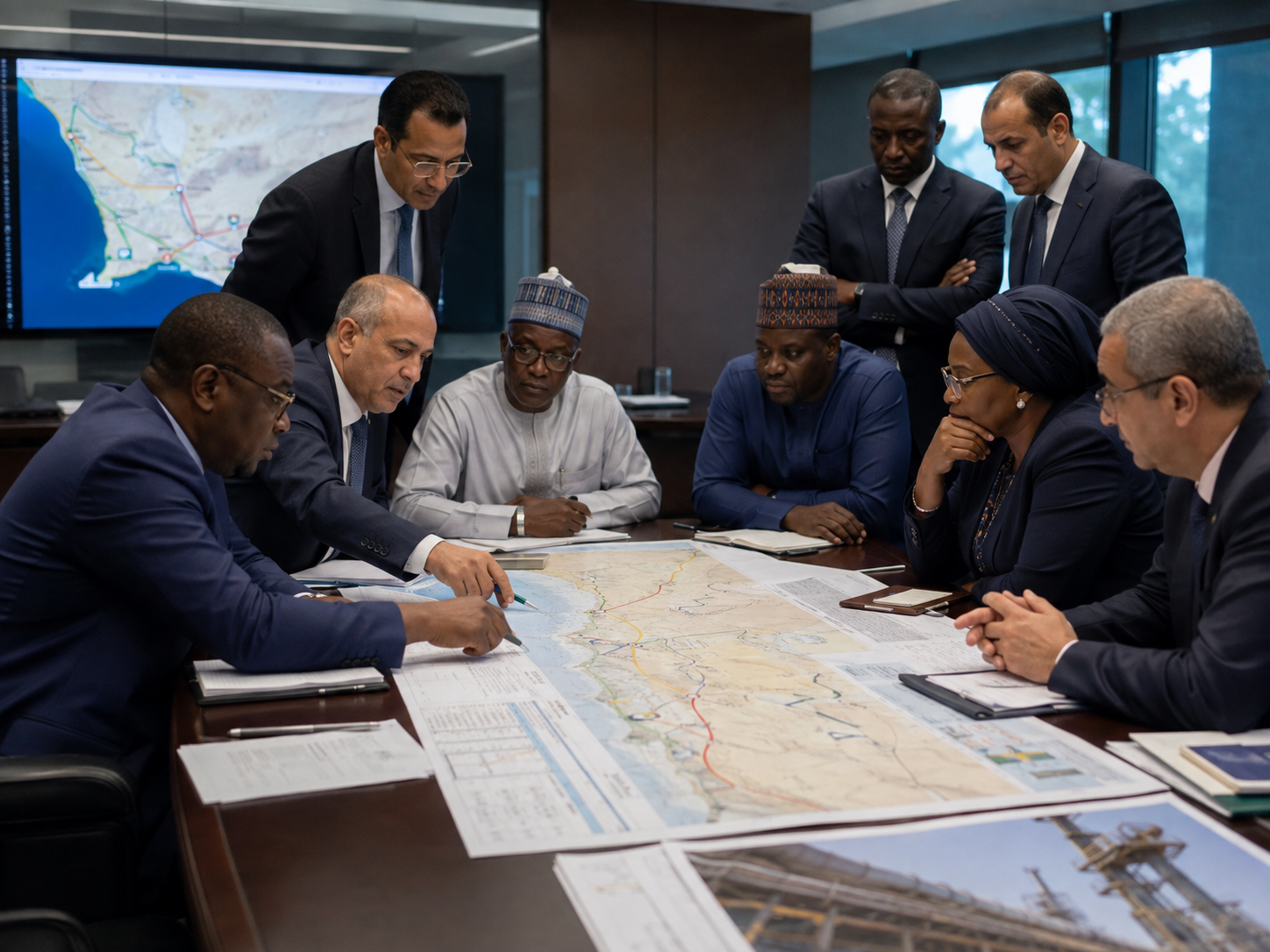
Morocco has already confirmed discussions with the US Export-Import Bank and the World Bank about potential financing.
That is where the project becomes much more serious.
Political support is one thing.
A bankable financing structure is another.
Lenders will want answers.
Who pays for construction?
Who buys the gas?
How stable are the agreements between countries?
Will the pipeline generate enough revenue to justify the cost?
And can a project crossing multiple borders remain commercially viable over decades?
Those questions will determine whether the pipeline actually gets built.
NIGERIA HAS THE GAS — BUT THAT IS NOT ENOUGH
Nigeria has some of the world’s largest natural gas reserves.
But having gas underground is not the same as having enough processed gas ready to move through a giant export pipeline.
Production has to increase.
Processing infrastructure has to keep up.
Domestic users still need supply.
Power plants need gas.
Factories need gas.
Nigeria also already has export commitments.
That creates a difficult balancing act.
The new pipeline only works if Nigeria can increase supply enough to serve the domestic economy and still feed a new corridor running towards Morocco.
MOROCCO COULD BECOME THE BRIDGE
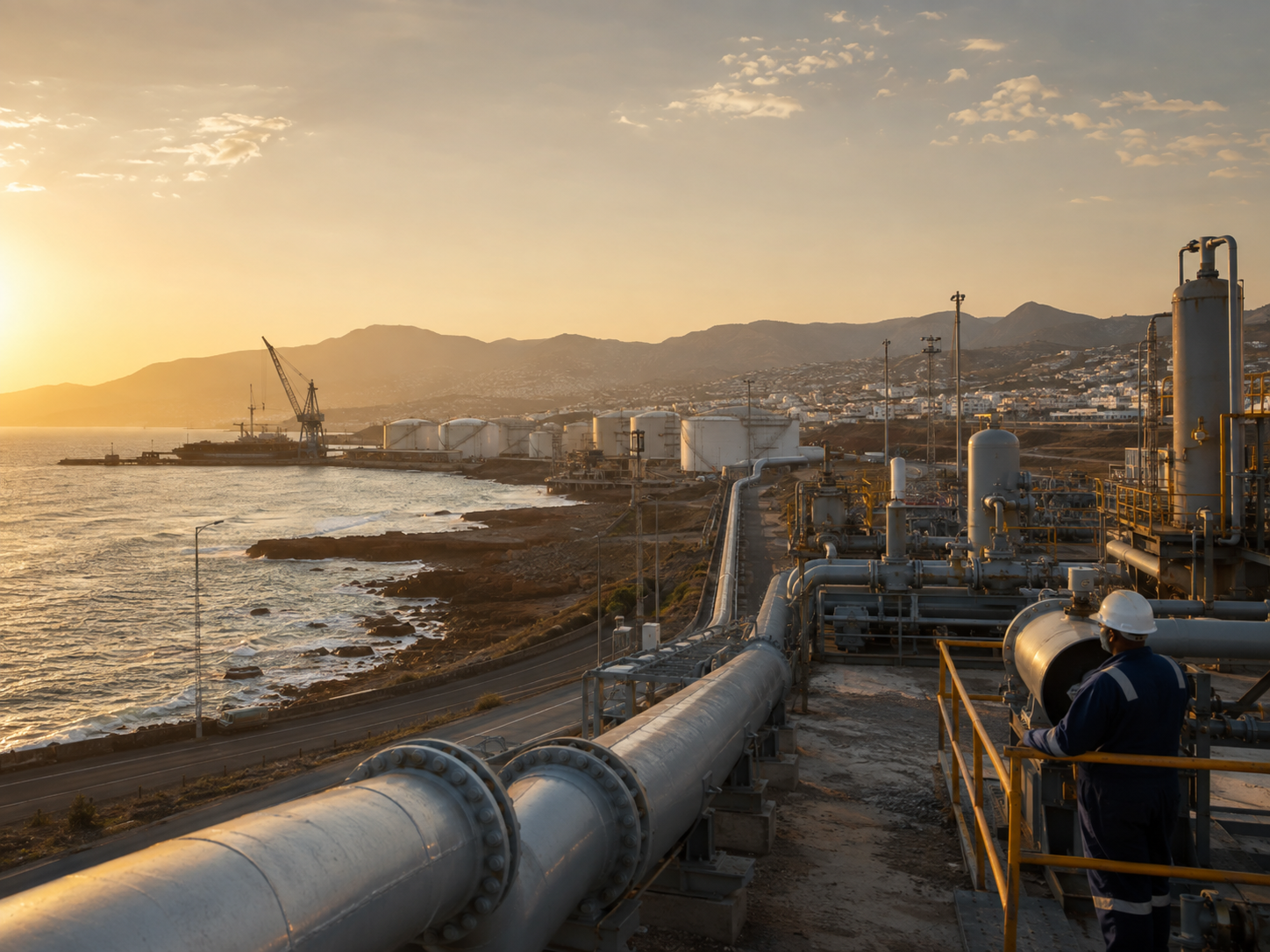
For Morocco, the strategic value is obvious.
The pipeline would give the country an even stronger role as a connection point between West Africa and Europe.
Gas could move north through Morocco and potentially enter the European network through existing infrastructure.
That gives Rabat a position that goes beyond simply being the end point of a pipeline.
It could become a major energy bridge.
Nigeria gets a new export route.
West African countries gain potential access to gas.
Morocco strengthens its position between Africa and Europe.
And Europe gets another possible source of energy.
THE BIGGER PRIZE IS INDUSTRY
But there is a much more interesting question.
What happens if African countries use the gas themselves?
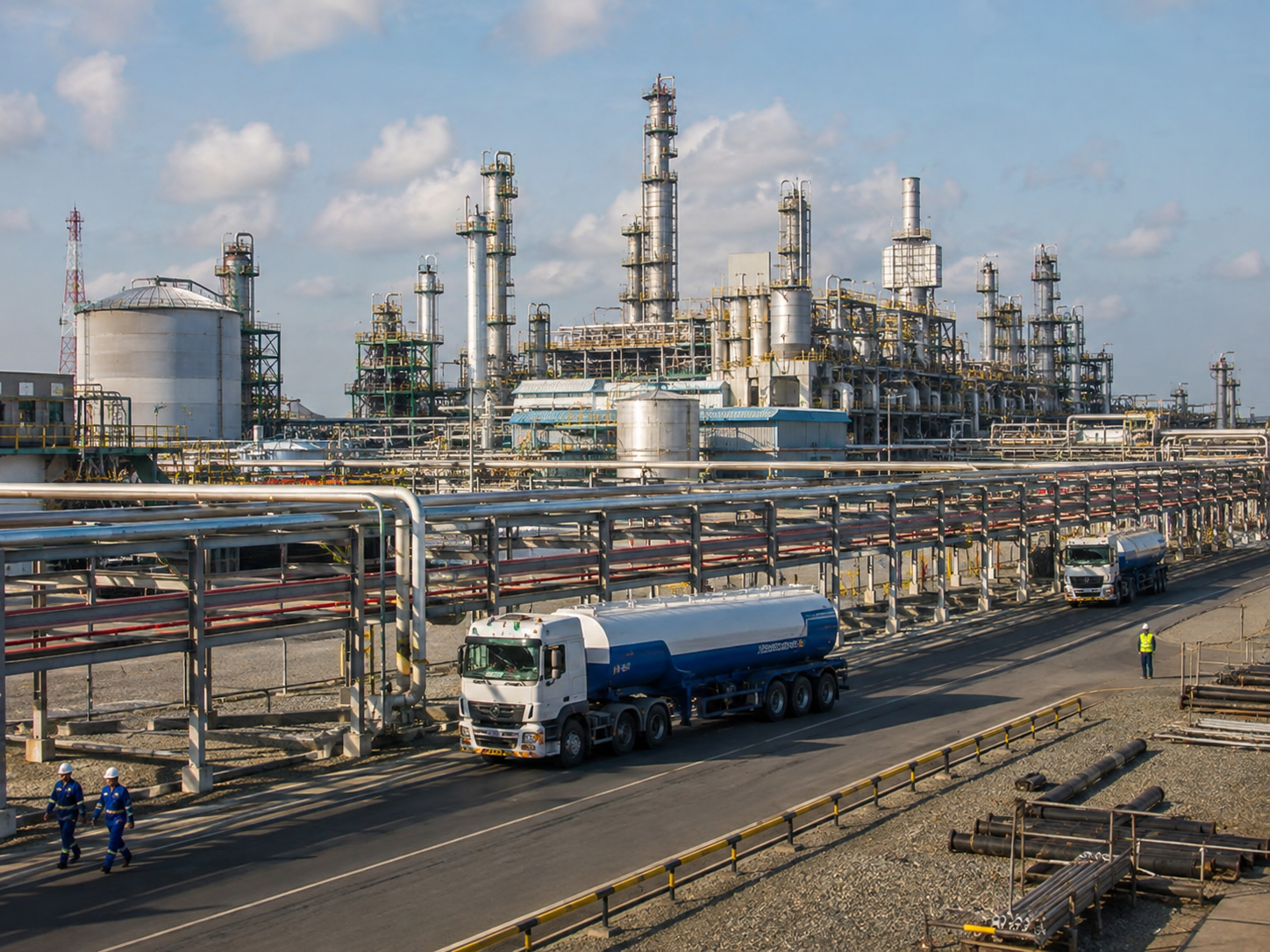
Gas can feed power plants.
It can support fertiliser production.
It can supply petrochemical plants.
It can reduce energy costs for factories.
And cheaper, more reliable energy can make local manufacturing more competitive.
That is why the project could matter far beyond the energy sector.
The pipeline could become a backbone for industrial growth along parts of West Africa.
But only if governments build the infrastructure around it.
Roads.
Industrial zones.
Electricity networks.
Ports.
Customs systems.
And predictable regulations.
Gas alone does not create factories.
It creates the possibility.
EUROPE SHOULD NOT BE THE ONLY DESTINATION
One of the biggest risks is that the pipeline becomes little more than another export corridor towards Europe.
That would still have value.
But it would miss much of the wider economic opportunity.
If African countries along the route can use the gas to support their own industries, the project could help make intra-African trade more competitive.
That matters because African countries still trade relatively little with each other compared with the size of the continent’s overall trade.
Businessfront cites Afreximbank data showing total African trade reached around $1.4 trillion in 2025, while intra-African trade represented roughly 18% of that total.
Energy costs are one reason local production struggles to compete.
A more reliable gas supply could help.
THE PROJECT STILL HAS MAJOR RISKS
None of this means construction is guaranteed.
The pipeline has to survive several huge tests.
Financing.
Security.
Political change.
Engineering.
Cross-border regulation.
Gas supply.
And eventually, a final investment decision.
A project stretching thousands of kilometres will outlive governments and political alliances.
That makes stability essential.
Countries along the route would need to maintain agreements even when administrations change.
That may be as difficult as building the pipeline itself.
THIS IS BIGGER THAN A PIPELINE
The easiest way to understand the project is to look at the map.
Nigeria sits on enormous gas reserves.
Morocco sits at the northern edge of Africa with existing connections towards Europe.
Between them are countries that need more reliable energy and more industrial investment.
The pipeline could connect all three realities.
That is why the project matters.
Not because it is long.
Not because it is expensive.
Not even because it could move billions of cubic metres of gas.
The real test will be what gets built beside it.
Factories.
Power plants.
Fertiliser production.
New industrial zones.
And new trade routes.
If that happens, the Nigeria–Morocco pipeline will not simply transport gas.
It could redraw Africa’s economic map as well as its energy map.