

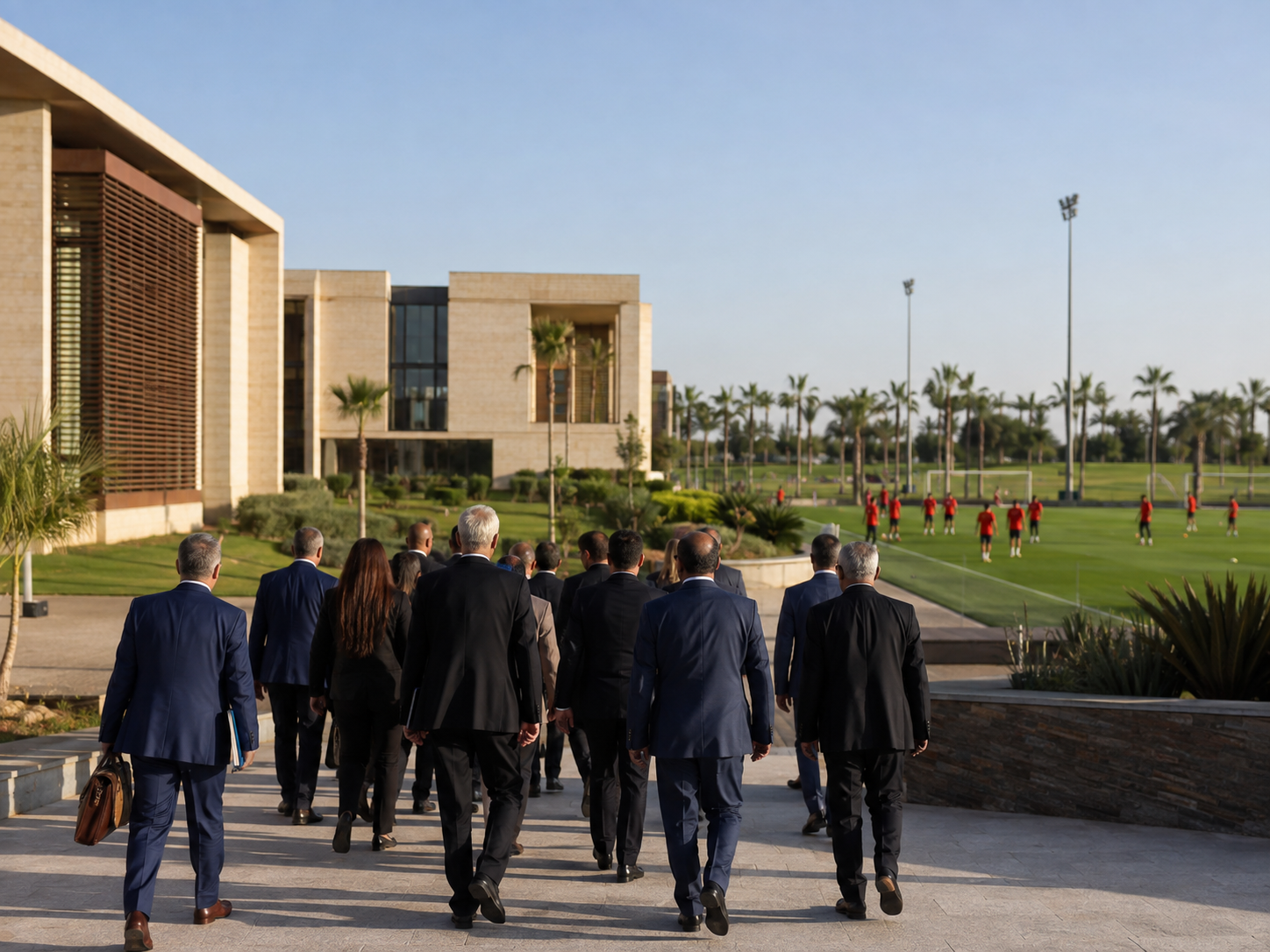
FIFA has opened its first office in North Africa on Moroccan soil, giving the country a permanent place inside football’s global administration years before the 2030 World Cup arrives.
Morocco’s rise inside world football is no longer visible only on the pitch.
It now has a FIFA office of its own.
The governing body opened a new regional office near Rabat, making Morocco home to FIFA’s first office in North Africa and its fifth on the continent.
The timing is impossible to ignore.
Morocco is preparing to co-host the 2030 World Cup with Spain and Portugal.
And FIFA has now planted a permanent administrative presence inside the country before the tournament even begins.
FIFA NOW HAS A PERMANENT BASE NEAR RABAT

The new office was inaugurated at the Mohammed VI Football Complex in Salé, near Rabat.
FIFA President Gianni Infantino attended the inauguration alongside CAF President Patrice Motsepe.
Infantino described the opening as a major moment for Moroccan, African and global football.
But beyond the ceremony, the office carries practical significance.
A regional FIFA presence means closer coordination with federations, football-development programmes and administrative projects across North Africa.
And Morocco is now the location from which part of that work will happen.
MOROCCO JOINS A SMALL AFRICAN GROUP
FIFA already operates regional offices in:
Senegal.
The Republic of Congo.
Rwanda.
South Africa.
Morocco now becomes the fifth African location and the first in North Africa.
That may sound administrative.
But international institutions rarely choose regional offices randomly.
Location matters.
Infrastructure matters.
Political relationships matter.
And influence matters.
Morocco has spent years strengthening all three inside African football.
THE 2030 WORLD CUP CHANGES THE SCALE
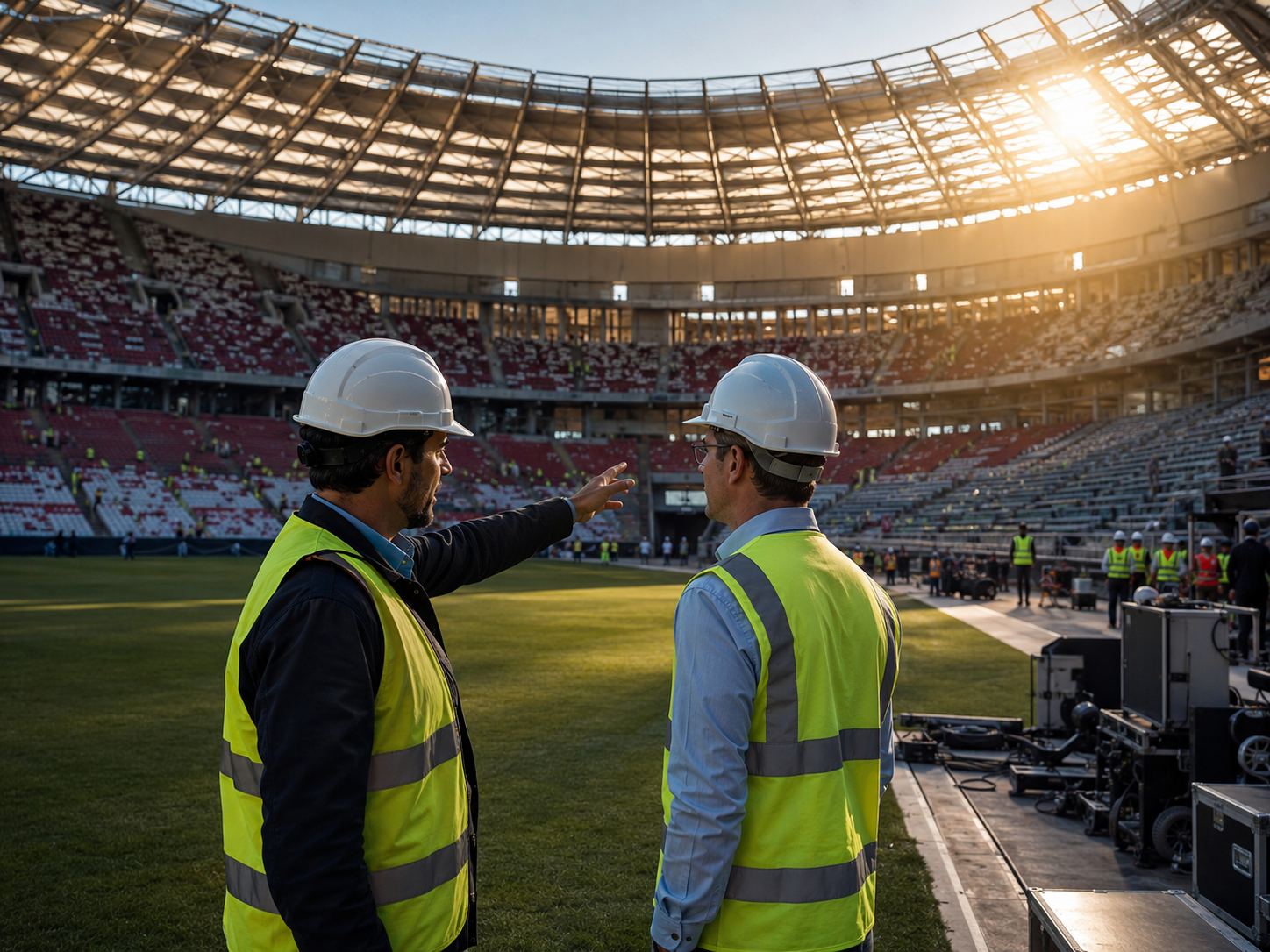
Morocco will become only the second African country to host a men’s World Cup, after South Africa in 2010.
The kingdom reached that point after five previous unsuccessful attempts to host the tournament.
This time, it will share the 2030 edition with Spain and Portugal.
That means the coming years will involve far more than stadium construction.
Transport.
Training facilities.
Security.
Broadcasting.
Hotels.
Fan movement.
Commercial operations.
And coordination between three host countries.
Having FIFA physically present in Morocco gives the country a much closer institutional connection during that preparation period.
MOROCCO’S FOOTBALL INFLUENCE HAS GROWN QUICKLY
The office also reflects a much broader transformation.
Morocco has become increasingly central to African football.
The national team reached the semi-finals of the 2022 World Cup.
The country has invested heavily in training facilities and stadiums.
It hosts major CAF events.
Moroccan clubs regularly compete deep into continental tournaments.
And the Mohammed VI Football Complex has become one of the continent’s most prominent football facilities.
The FIFA office adds another layer.
Morocco is no longer simply a successful football nation.
It is becoming part of the infrastructure through which African football itself is managed.
THE MOHAMMED VI COMPLEX IS BECOMING A FOOTBALL POWER CENTRE
The location matters too.
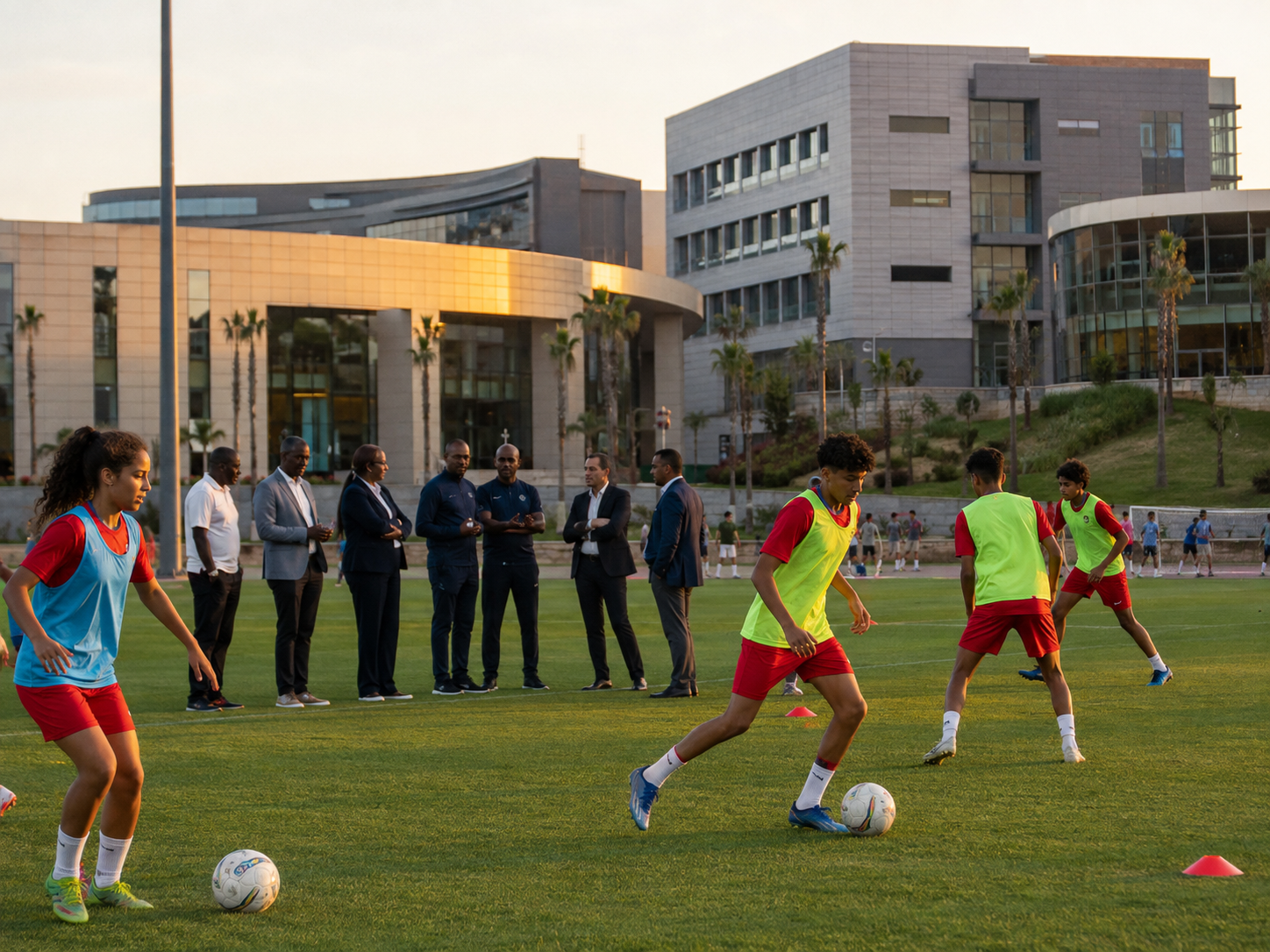
The Mohammed VI Football Complex is much more than a training ground.
It hosts national teams, technical programmes and football-development infrastructure.
Placing a FIFA regional office there effectively brings the international governing body into one of Morocco’s most important football institutions.
That creates proximity between FIFA officials and the Moroccan football ecosystem.
For coaches, administrators and development programmes across North Africa, Rabat could increasingly become a regional meeting point.
THIS IS ALSO ABOUT AFRICA
Morocco’s 2030 ambitions naturally dominate the story.
But the office has a broader continental role.
FIFA’s regional offices are intended to bring the organisation closer to its member associations.
That means supporting football development.
Governance.
Infrastructure.
Training.
And FIFA programmes at a regional level.
North Africa contains some of the continent’s most important football nations.
Morocco.
Algeria.
Tunisia.
Egypt.
Libya.
Having a permanent FIFA presence in the region creates a new administrative centre for football development across that part of the continent.
MOROCCO HAS COME A LONG WAY FROM FAILED WORLD CUP BIDS
There is a certain symbolism in the timing.
Morocco unsuccessfully bid for the World Cup five times.
For years, the country remained close to football’s biggest prize without getting it.
Now the situation is almost reversed.
The World Cup is coming.
FIFA has opened an office.
Major stadium and infrastructure projects are underway.
And Morocco’s voice inside African and international football is considerably stronger.
What once looked like repeated disappointment has turned into institutional influence.
THE OFFICE MAY OUTLAST THE WORLD CUP
The 2030 tournament will eventually end.
The FIFA office will not necessarily disappear with it.
That is what makes the development more significant than another World Cup preparation announcement.
Stadiums are built for tournaments.
Offices create relationships.
Staff stay.
Programmes continue.
Networks deepen.
And over time, administrative presence can translate into influence.
For Morocco, that may be the real long-term value.
FROM HOST COUNTRY TO FOOTBALL HUB
The obvious headline is 2030.
But the larger story is what Morocco wants to become after 2030.
Not simply a country that hosted a great World Cup.
A football hub.
A training centre.
A tournament destination.
A base for international football organisations.
And potentially one of the places where major decisions affecting African football are increasingly discussed.
The new FIFA office fits neatly into that ambition.
Morocco spent years trying to bring FIFA’s biggest tournament to the country.
Now, before the tournament has even arrived, FIFA itself has moved in.