

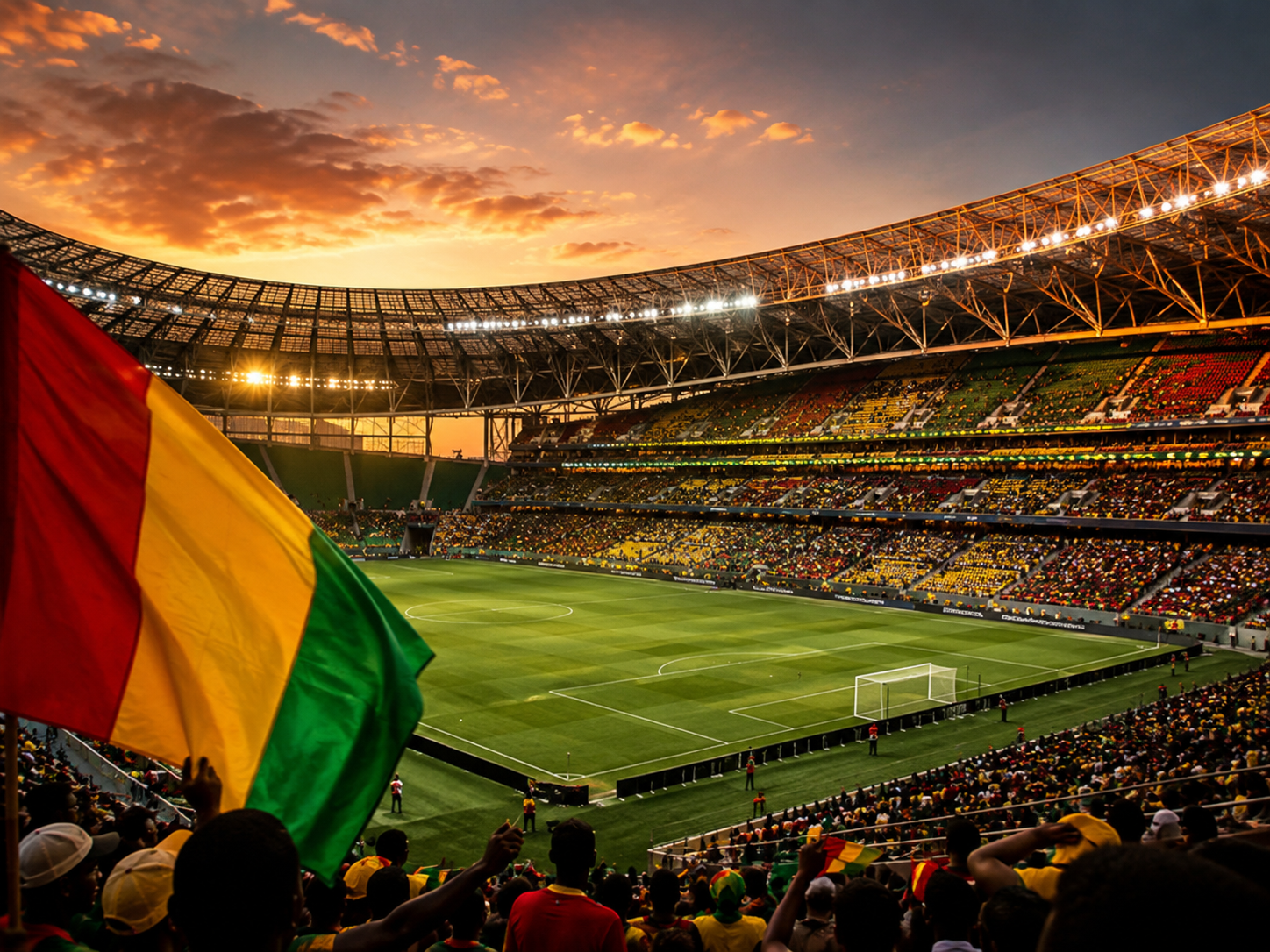
Guinea has never staged an Africa Cup of Nations finals. It was supposed to host the 2025 tournament before losing the event over readiness concerns. Now Conakry is coming back with an even bigger ambition: bids for both AFCON 2032 and 2036.
Guinea is refusing to give up on its AFCON dream.
The West African country has officially submitted applications to host the 2032 and 2036 Africa Cup of Nations tournaments, according to a government statement reported by AFP.
Prime Minister Amadou Oury Bah signed the applications after a meeting in Conakry focused on the country’s plans to bring Africa’s biggest football tournament to Guinea.
It is a bold move for a country that has never hosted an AFCON finals.
And it comes with history attached.
Guinea was once supposed to host the 2025 tournament.
That opportunity disappeared.
Now it wants another one.
Or potentially two.
GUINEA IS AIMING FOR 2032 AND 2036
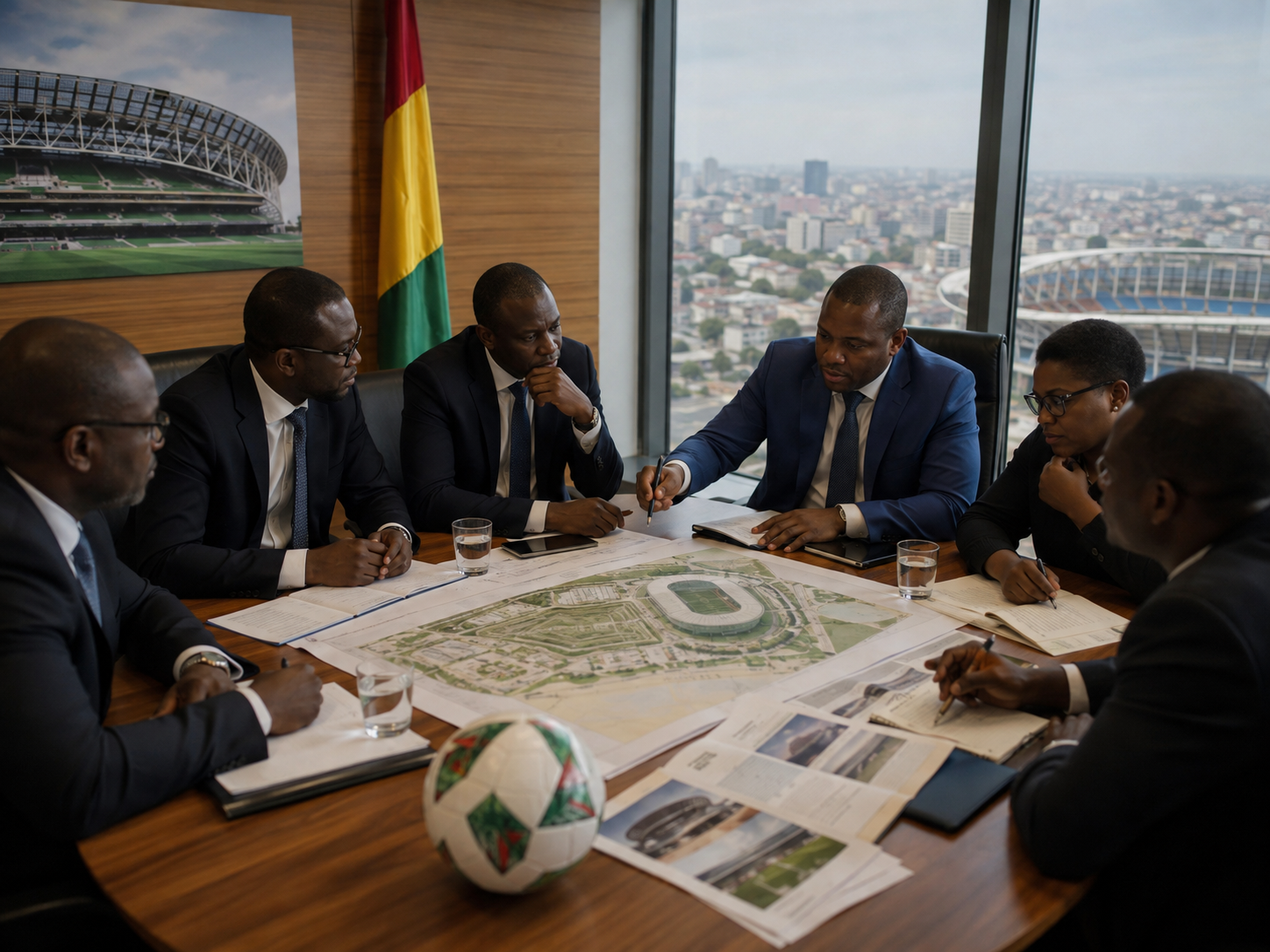
The Guinean government says the country now has what Prime Minister Bah described as a strong bid built after studying the requirements needed to stage a competition of AFCON’s scale.
The applications cover both 2032 and 2036.
President Mamadi Doumbouya has made hosting major international sporting events part of a wider national ambition, according to the government.
For Guinea, winning an AFCON would mean much more than football.
It would require stadiums.
Roads.
Airports.
Hotels.
Security.
Telecommunications.
And the ability to move thousands of supporters between host cities.
That is why an AFCON bid can become an infrastructure project as much as a sporting one.
THE COUNTRY HAS BEEN HERE BEFORE
Guinea knows what it feels like to be awarded AFCON.
It also knows what it feels like to lose it.
The country had originally been selected to host the 2025 Africa Cup of Nations, but CAF removed the tournament because preparations were not progressing quickly enough.
The competition ultimately went to Morocco.
That history makes the new bid particularly interesting.
Guinea is not approaching CAF as a country with no previous ambition.
It is approaching as a country trying to prove that the problems that cost it 2025 can be fixed.
THIS TIME, GUINEA SAYS IT IS PREPARING EARLY
One advantage of targeting 2032 and 2036 is time.
Guinea is not pretending it can host immediately.
Earlier this year, officials acknowledged that 2028 would be too soon and said the country needed a longer runway to complete major infrastructure projects.
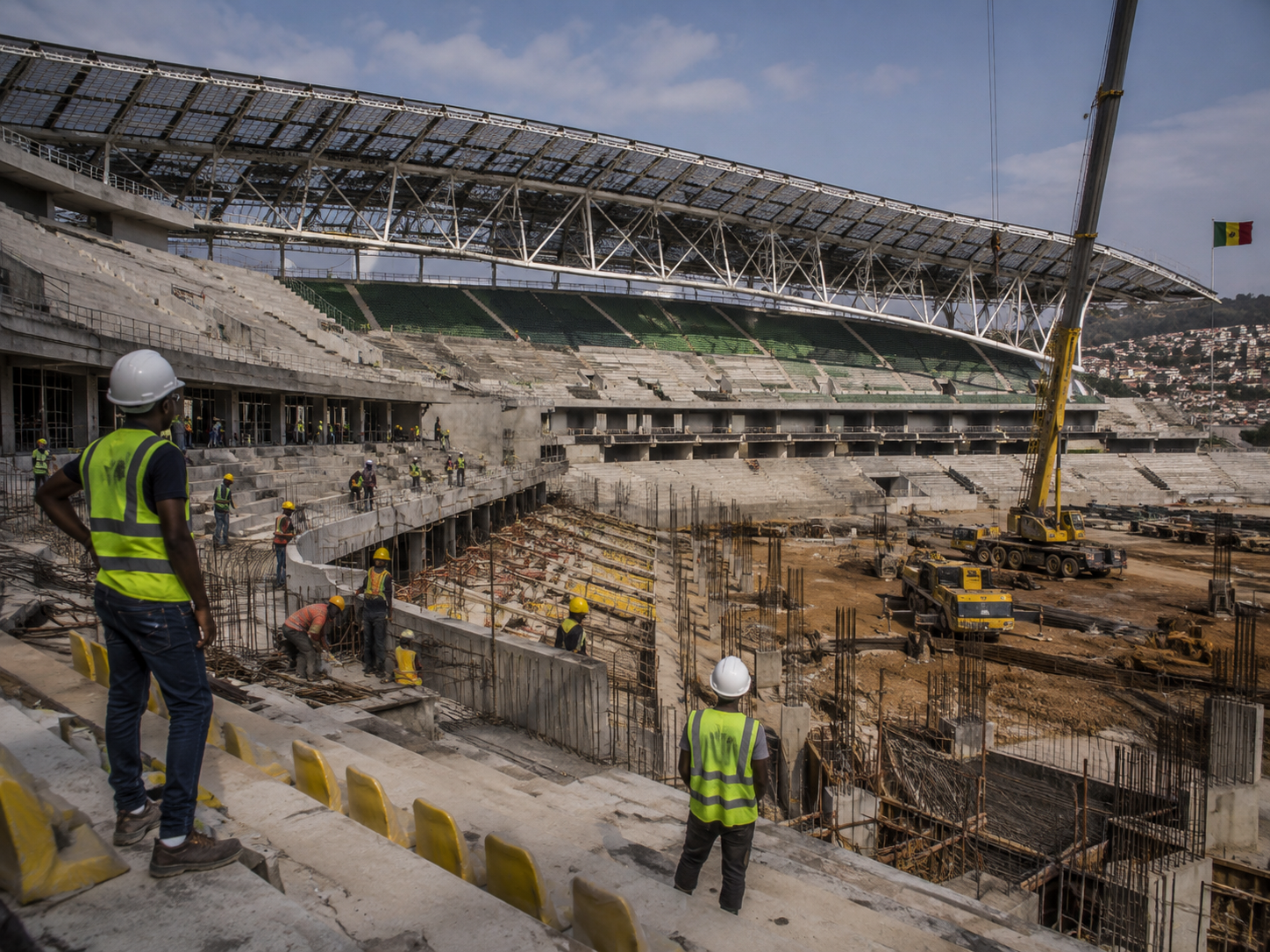
That includes stadium construction and renovation.
The Stade du 28-Septembre has undergone extensive reconstruction, while work has continued at the General Lansana Conté stadium in Nongo. Guinea has also discussed plans for a new large stadium at Kansonya.
The strategy is clear:
Do not rush.
Build first.
Bid for the tournament when the country believes it can actually deliver.
AFCON ITSELF IS CHANGING
Guinea’s timing also reflects a major change to the tournament.
From 2028 onward, AFCON is set to move from its traditional two-year cycle to a four-year schedule.
That means the future editions currently in play include 2028, 2032 and 2036.
CAF has already opened commercial preparations around those editions.
For bidding countries, that makes each hosting opportunity more valuable.
There will simply be fewer AFCON tournaments.
GUINEA WILL NOT HAVE THE FIELD TO ITSELF
The race for 2032 could become particularly interesting.
Mali, Burkina Faso and Niger have also expressed interest in a joint bid for that edition, according to AFP.
That gives Guinea a potentially serious regional rival.
A solo Guinean bid would be judged against a multi-country project involving three Sahel states.
Each model has advantages.
One country offers simpler organisation.
A joint bid can spread the infrastructure burden and reach a larger regional audience.
CAF will ultimately have to decide which proposal looks more convincing.
STADIUMS ARE ONLY PART OF THE TEST
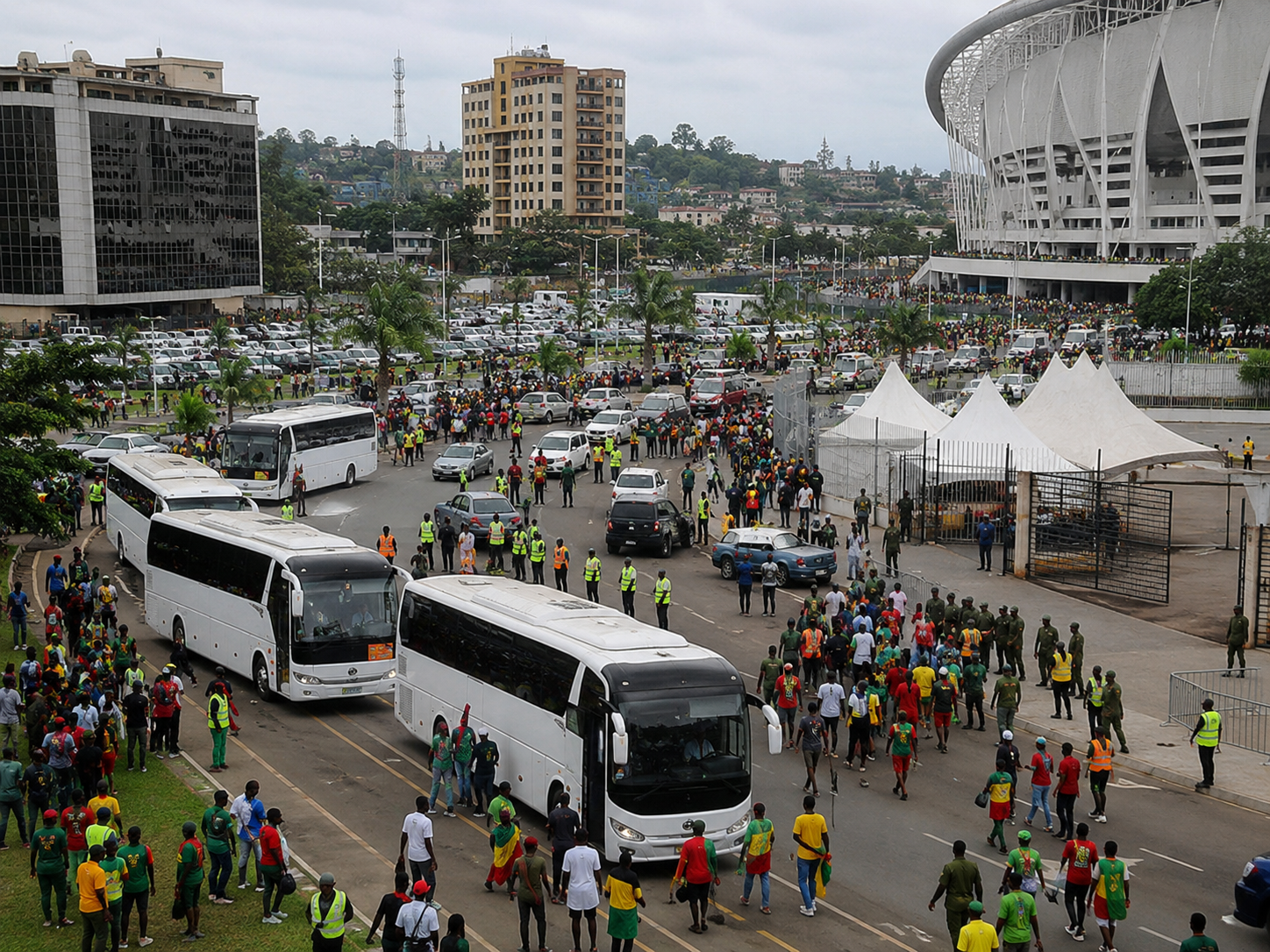
AFCON hosting is often discussed in terms of stadium capacity.
But stadiums alone do not make a tournament.
Supporters need hotels.
Teams need training grounds.
Broadcasters need reliable communications.
Cities need transport.
Airports must absorb increased traffic.
Security planning has to work across multiple venues.
Medical infrastructure matters.
Even the roads between airports, hotels and stadiums can become part of the tournament experience.
Guinea’s government has said infrastructure development across several cities is already part of its broader national programme.
The question is whether that development can move fast enough to satisfy CAF.
THE NATIONAL TEAM HAS ITS OWN AFCON STORY
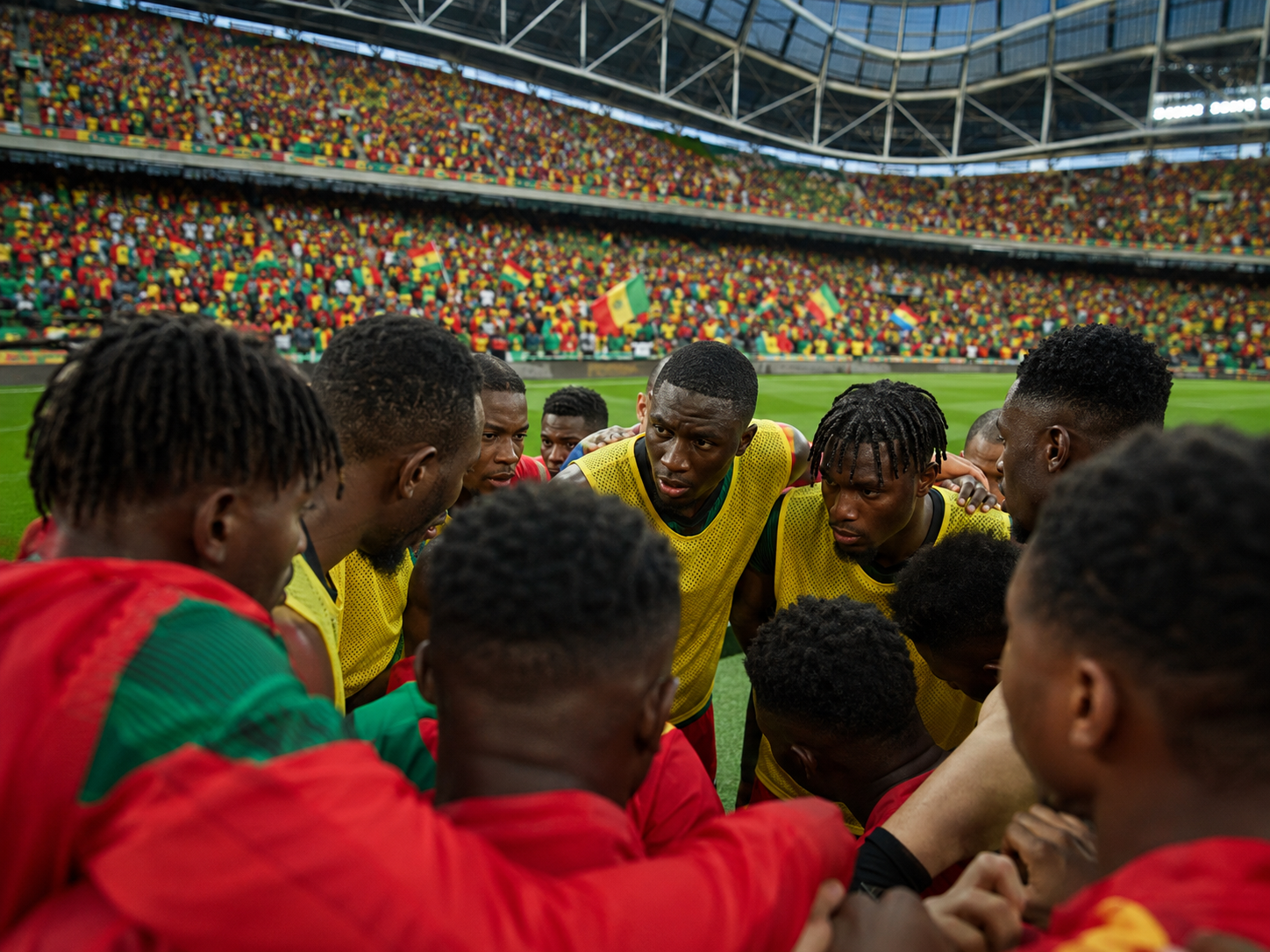
There is another irony.
Guinea wants to host the tournament after failing to qualify for the last two editions.
The Syli National have historically been competitive in African football, with their best AFCON finish coming in 1976, when they ended as runners-up behind Morocco in the final group stage.
But hosting creates a different kind of opportunity.
A tournament at home can transform national interest in football.
New stadiums can create long-term infrastructure.
Youth academies often receive more attention.
And the national team gets the psychological boost of playing in front of its own supporters.
For Guinea, the dream is therefore not simply to organise AFCON.
It is to rebuild its position inside African football.
LOSING 2025 STILL HANGS OVER THE BID
CAF will inevitably remember what happened before.
Guinea had the tournament.
Then it lost it.
That means every new promise will be measured against the old failure.
Can the stadiums be finished?
Can deadlines be respected?
Can transport infrastructure keep pace?
Can the country demonstrate that the conditions which caused CAF to remove the 2025 event will not return?
Those questions will matter as much as political enthusiasm.
A strong bid document is only the beginning.
BUT THE AMBITION IS HARD TO MISS
There is something striking about Guinea’s response to losing AFCON 2025.
It could have walked away.
Instead, it has come back asking for another chance.
And not just one.
The government has put its name forward for 2032 and 2036.
That makes the message difficult to misunderstand.
Guinea does not simply want to return to the AFCON hosting conversation.
It wants to stay in it until it wins.
The country has never hosted Africa’s biggest football tournament.
It once came close.
Now it is trying again.
And this time, Guinea is giving itself two shots.