

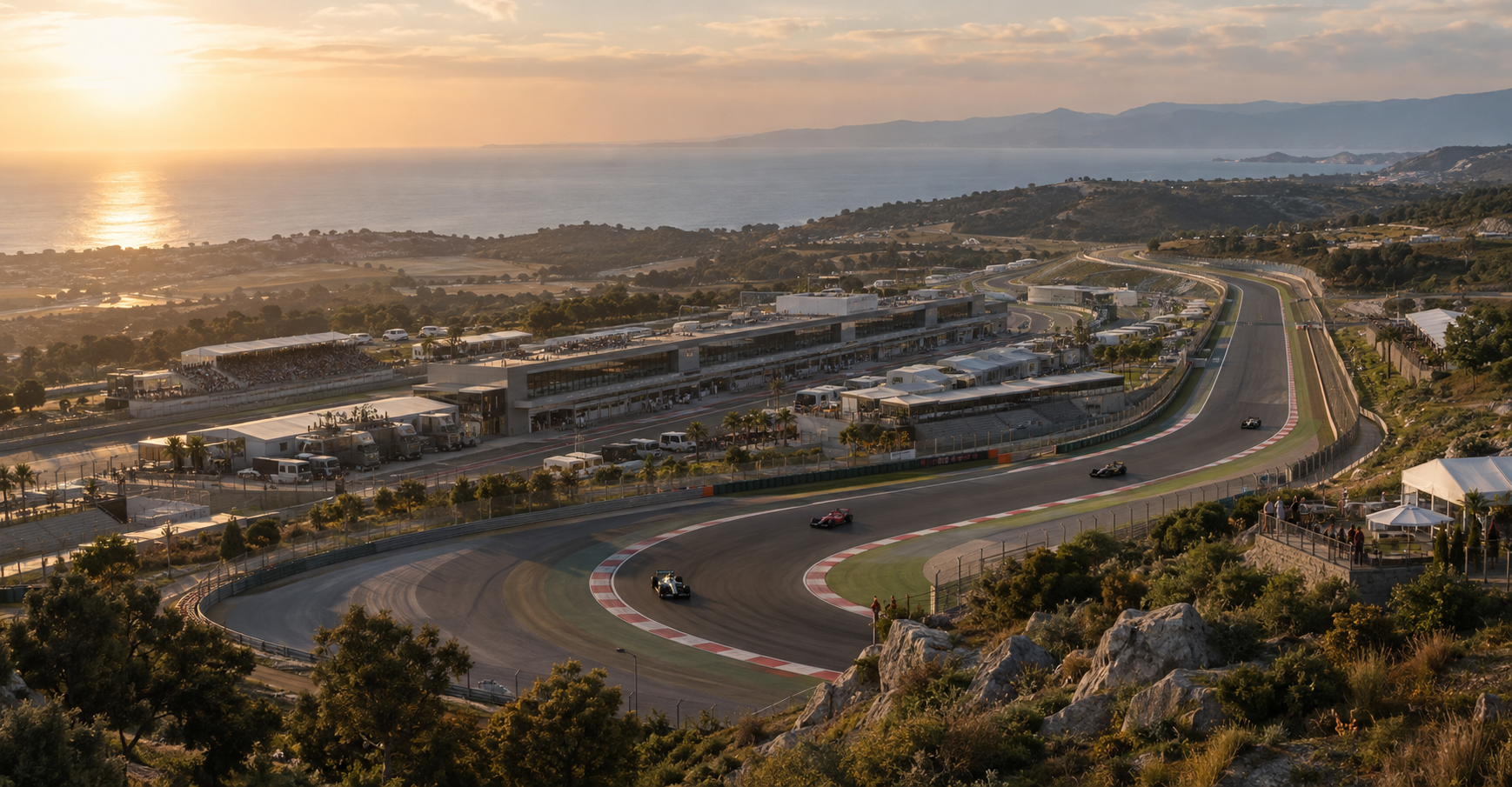
Rwanda deserves congratulations for securing a landmark 10-year agreement to bring Formula 1 back to Africa. The achievement reflects years of ambition and preparation, while raising an important question for Morocco: did the country miss a rare opportunity to establish its own annual Grand Prix near Tangier?
Rwanda has delivered a historic achievement for African motorsport.
After 33 years without a Formula 1 Grand Prix on the continent, the championship has announced a landmark 10-year agreement to bring racing back to Africa, with the first event expected in Rwanda in the early 2030s.
It is a milestone that deserves recognition and congratulations, not only for Rwanda but for the wider African sporting community.
The agreement reflects sustained efforts to establish the country as an international sporting destination and gives millions of African motorsport supporters something they have awaited for more than three decades: the prospect of seeing Formula 1 compete on their own continent again.
For Rwanda, the achievement goes beyond securing a place on the racing calendar. It offers an opportunity to build a lasting sporting, tourism and business platform.
For Morocco, which hosted Africa's first Formula 1 World Championship race in 1958, the announcement also invites reflection.
Could Morocco have turned its proposed Tangier Grand Prix into a similar long-term opportunity — and did that window close before the country was ready to act?
Rwanda'S Achievement Deserves Africa'S Recognition
Rwanda's success did not emerge overnight.
The country formally announced its ambition to host Formula 1 in December 2024, building on its wider strategy to attract international sporting competitions and major events.
Kigali has previously hosted high-profile gatherings, including the FIA Awards, while Rwanda also welcomed the 2025 UCI Road World Championships and developed its presence in international basketball and sports tourism.
These efforts helped establish a broader foundation for its Formula 1 ambitions.
The agreement announced on October 13 represents a major step forward.
The planned Formula 1 African Grand Prix, presented by Visit Rwanda, will take place at a purpose-built circuit in Bugesera, approximately 40 kilometres south of Kigali, near the country's new international airport.
The circuit will be developed to FIA Grade 1 standards, with its layout designed to incorporate the area's natural elevation.
According toFormula 1's official announcement, thedevelopment is intended to support tourism, investment, employment, skills development and year-round commercial activity.
The project is being led by the Rwanda Development Board in collaboration with Formula 1 and other partners.
The circuit remains to be built, and its first race date has yet to be confirmed. Significant delivery and financial challenges therefore remain.
Nevertheless, the achievement deserves recognition.
Rwanda has moved from expressing an ambition to securing an international agreement.
For African motorsport, that is a victory worth celebrating.
Why A Ten-Year Agreement Matters
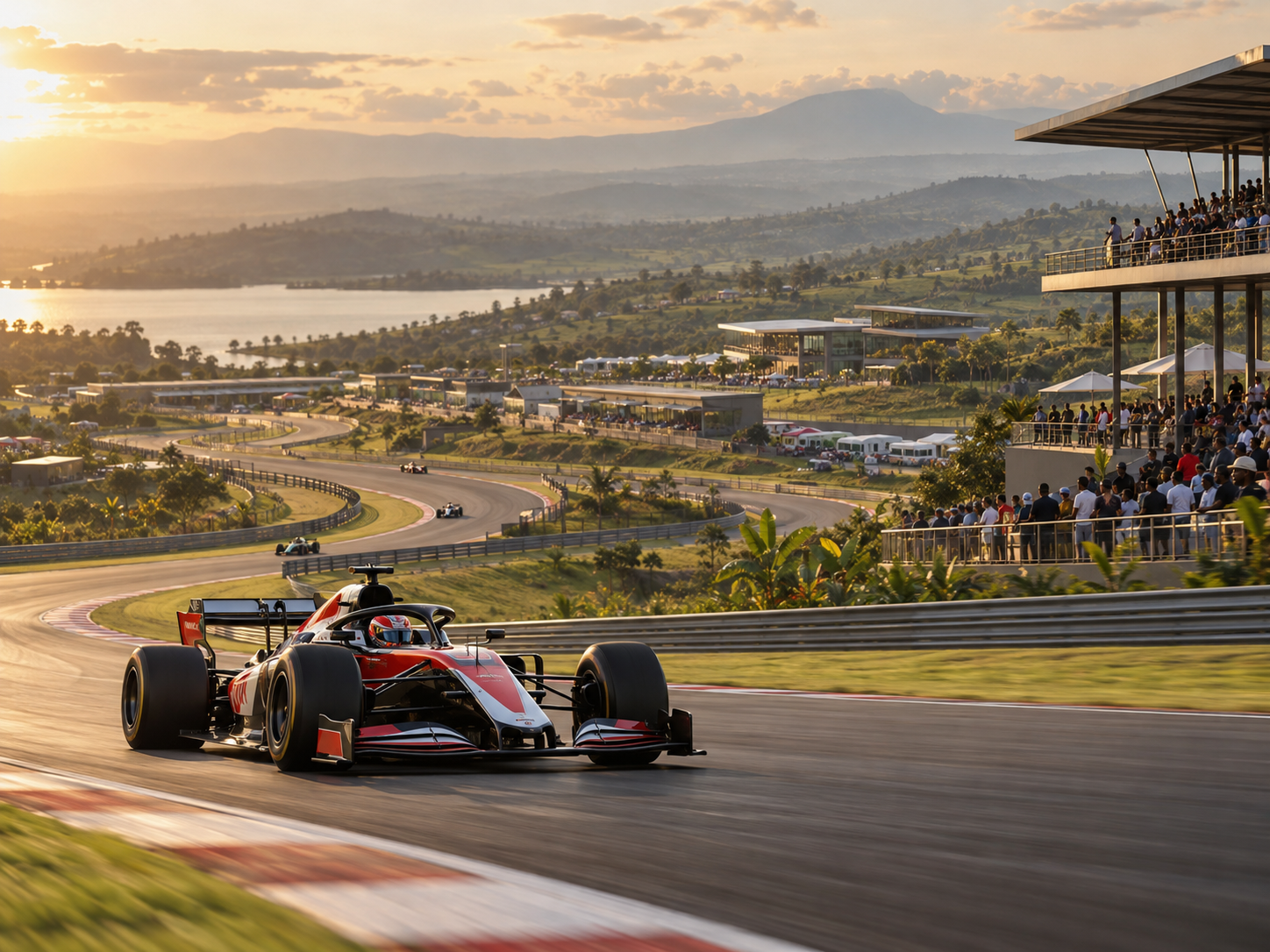
The significance of Rwanda's agreement extends beyond the excitement of a single Grand Prix.
A 10-year hosting commitment provides the basis for an annual international event, potentially attracting broadcasters, sponsors, visitors, racing teams and commercial partners over successive seasons.
This continuity could help Rwanda develop a more predictable international events economy.
Hotels, tourism operators, transport providers and local businesses may benefit from repeat demand, while investment in sporting infrastructure could create opportunities beyond the race weekend.
Formula 1 estimates that more than 100 million people across Africa follow the championship.
The agreement also opens the possibility of greater participation by African engineers, technicians, race officials and aspiring drivers.
Those outcomes are not automatic. Construction costs, hosting fees and operating expenses will determine whether the development delivers sustainable economic returns.
But Rwanda has secured an important first step: a long-term contractual foundation around which to plan.
That distinction is central to understanding why the announcement also matters to Morocco.
Morocco Had The Ingredients For A Formula 1 Destination
Morocco has its own distinguished place in Formula 1 history.
On October 19, 1958, Casablanca's Ain-Diab circuit hosted the first Formula 1 World Championship Grand Prix on African soil.
British driver Stirling Moss won for Vanwall, while Ferrari's Mike Hawthorn finished second and secured the world championship.
Nearly seven decades later, the possibility of restoring that connection attracted international attention.
In May 2025,RacingNews365 reporteddetails of a proposed$1.2 billion motorsport and tourism complex approximately 20 kilometres south of Tangier.
Associated with former McLaren and Lotus Formula 1 team principal Éric Boullier, the development envisaged an FIA Grade 1-standard circuit, hotels, entertainment facilities and a marina.
Tangier offered several potential advantages.
Its proximity to Europe, the Tanger Med port complex, international transport infrastructure and established tourism facilities provided a logistical argument for locating an African Grand Prix in northern Morocco.
The country's expanding automotive industry also offered possibilities for connecting international motorsport with technical education, engineering and industrial partnerships.
These were meaningful strategic advantages.
However, the reported development remained a proposal. It had not resulted in a publicly confirmed Formula 1 hosting agreement.
Rwanda, meanwhile, converted its ambitions into a decade-long commitment.
Two MMO Analyses Had Already Identified The Opportunity
The strategic importance of a permanent Moroccan Formula 1 destination had been examined by My Morocco Observer before Rwanda's announcement.
On August 18, 2026, MMO publishedBUILD AFRICA A CIRCUITWORTH RACING: Why Morocco Should Advance the Tangier Grand Prix.
The analysis argued that Morocco should treat Formula 1 as a recurring international economic platform rather than a one-off sporting attraction.
It highlighted northern Morocco's geographical advantages and proposed a permanent motorsport destination combining an international racing circuit with driver academies, engineering programmes, tourism and year-round commercial activity.
The analysis also emphasised the importance of connecting a future Grand Prix with the country's existing logistics and industrial infrastructure.
One week later, on August 25, MMO published a second analysis,FROM GRAND PRIX VISION TO INVESTABLE PROJECT: How Morocco Could Structure a Tangier Circuit Without Writing Formula One a Blank Cheque.
This article examined the financial arrangements required to transform the idea into a commercially credible investment.
It recommended separating circuit ownership, Grand Prix promotion, hospitality development and supporting infrastructure into distinct commercial responsibilities.
It also stressed that Morocco should secure an appropriately structured hosting agreement before committing substantial construction capital.
Most notably,MMO proposed a binding Formula 1 agreementcovering at least ten race editions, arguing that such a commitment would providea more suitable investment horizon for a new circuit.
Seven weeks later, Rwanda announced a ten-year agreement.
The similarity is noteworthy, although the MMO recommendation was an independent editorial proposal rather than evidence of an official Moroccan negotiation.
The two analyses illustrate that a potential Tangier Grand Prix could be examined through the same fundamental questions now facing Rwanda: contract duration, financial viability, infrastructure development and long-term economic value.
The World Cup Is Historic. An Annual Grand Prix Would Have Been Different.
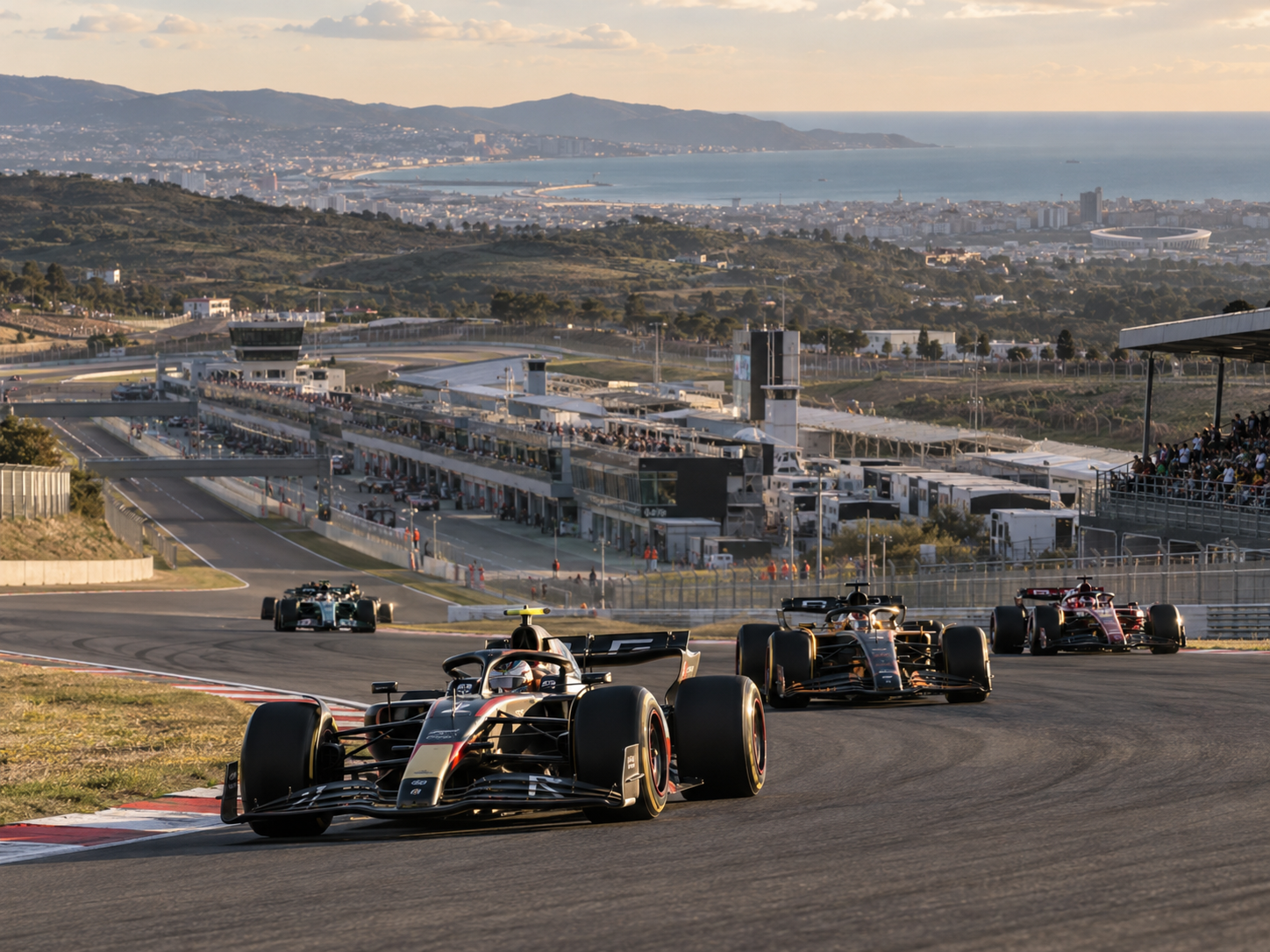
Morocco is preparing to co-host the 2030 FIFA World Cup alongside Spain and Portugal.
It is a historic sporting achievement that offers the country an opportunity to strengthen its international profile and accelerate investment in transport, stadiums, airports, hospitality and tourism.
The tournament could leave an important economic and infrastructure legacy.
But the World Cup and Formula 1 offer different forms of international exposure.
The World Cup takes place during a defined period, even if its wider benefits extend for years.
A Grand Prix supported by a long-term hosting agreement offers the possibility of recurring international attention, visitor demand and commercial activity every year.
For Morocco, a permanent racing destination near Tangier could potentially have complemented the infrastructure and international visibility associated with the 2030 tournament.
The goal would not have been to choose between football and motorsport.
It would have been to develop two different platforms: one built around a historic global tournament, the other around a recurring annual event.
As MMO argued in August, Morocco's sporting and infrastructure investments should also be evaluated for their ability to create international economic activity beyond 2030.
Rwanda's agreement demonstrates why that question matters.
Did Morocco Miss A Strategic Opportunity?
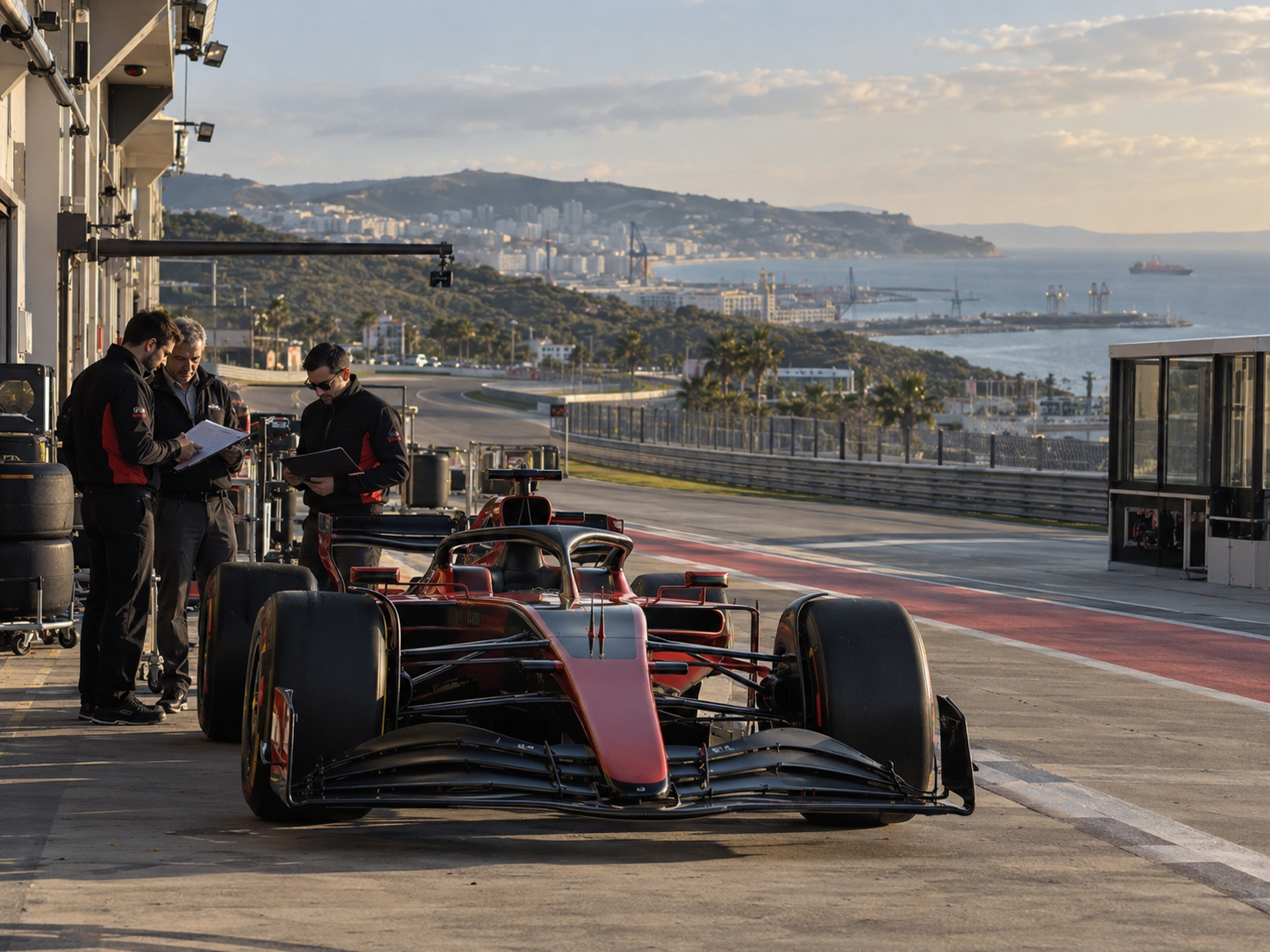
Rwanda's achievement should not be interpreted as a defeat for Morocco.
A successful African Grand Prix can help expand the continent's place in global motorsport, create opportunities for African talent and encourage further investment in racing infrastructure.
Those benefits deserve support across Africa.
But celebrating Rwanda's achievement does not prevent Morocco from examining its own missed possibilities.
The publicly established facts are clear.
Morocco had a reported $1.2 billion development proposal, a historical connection to Formula 1 and logistical advantages that could have supported an international racing destination.
Two MMO analyses subsequently outlined the sporting and financial case for developing the project, including the importance of a long-term hosting agreement.
Rwanda has now secured that type of commitment.
Morocco has not announced an equivalent agreement.
What remains unclear is whether Morocco had a sufficiently advanced, financeable proposal to compete for the contract, or whether negotiations could realistically have produced a different outcome.
There is no established evidence that Morocco possessed a guaranteed opportunity and simply rejected it.
Nevertheless, the difference between an unrealised proposal and a signed agreement is significant.
It raises a legitimate question about whether Morocco gave sufficient priority to developing a commercially credible Formula 1 project while the championship was actively seeking its return to Africa.
The potential missed opportunity is not a guaranteed financial profit. It is the chance to establish a recurring global sporting platform at a moment when Formula 1 was looking for an African destination.
Rwanda'S Success Offers A Lesson For The Continent
Rwanda's agreement does not automatically rule out a future Moroccan Grand Prix.
However, Formula 1 operates within a crowded international calendar, and competition for hosting agreements remains intense.
With Rwanda now contracted to host the championship's African return, another proposed venue would need to present its own convincing commercial case.
For Morocco, the immediate opportunity may lie in reassessing whether Tangier can support an internationally competitive motorsport destination, even without an immediate Formula 1 commitment.
The country's logistical, tourism and automotive advantages remain relevant.
A permanent circuit could potentially serve endurance racing, GT competitions, driver academies, automotive testing and international business events.
But any development would need to be supported by credible demand, financing, environmental assessments and a sustainable operating model.
For Rwanda, the challenge is now to deliver the circuit and turn its agreement into lasting benefits for businesses, communities and future generations of African motorsport talent.
For Morocco, the challenge is to draw constructive lessons about how major international opportunities move from ambitious proposals to financeable projects and contractual commitments.
Both perspectives can coexist.
Rwanda deserves genuine congratulations for its determination, preparation and historic achievement. Africa has every reason to celebrate the return of Formula 1.
And Morocco has every reason to reflect on what might have been.
The lesson is not that one African country has succeeded at another's expense.
It is that major opportunities require more than vision: they require preparation, credible investment structures, commercial agreements and the ability to act while the opportunity remains available.
Rwanda has secured a decade of Formula 1. Morocco may have missed an important opportunity — but the wider victory belongs to African motorsport.