
Six to eight hours to make one bag. Moroccan artisans working by hand. And an entrepreneur determined to build a luxury leather brand around skills developed in Morocco.
That is the vision behindMiratti, a Casablanca-basedleather goods company founded in 2019 by Moroccan entrepreneurYoussef Ghalem.
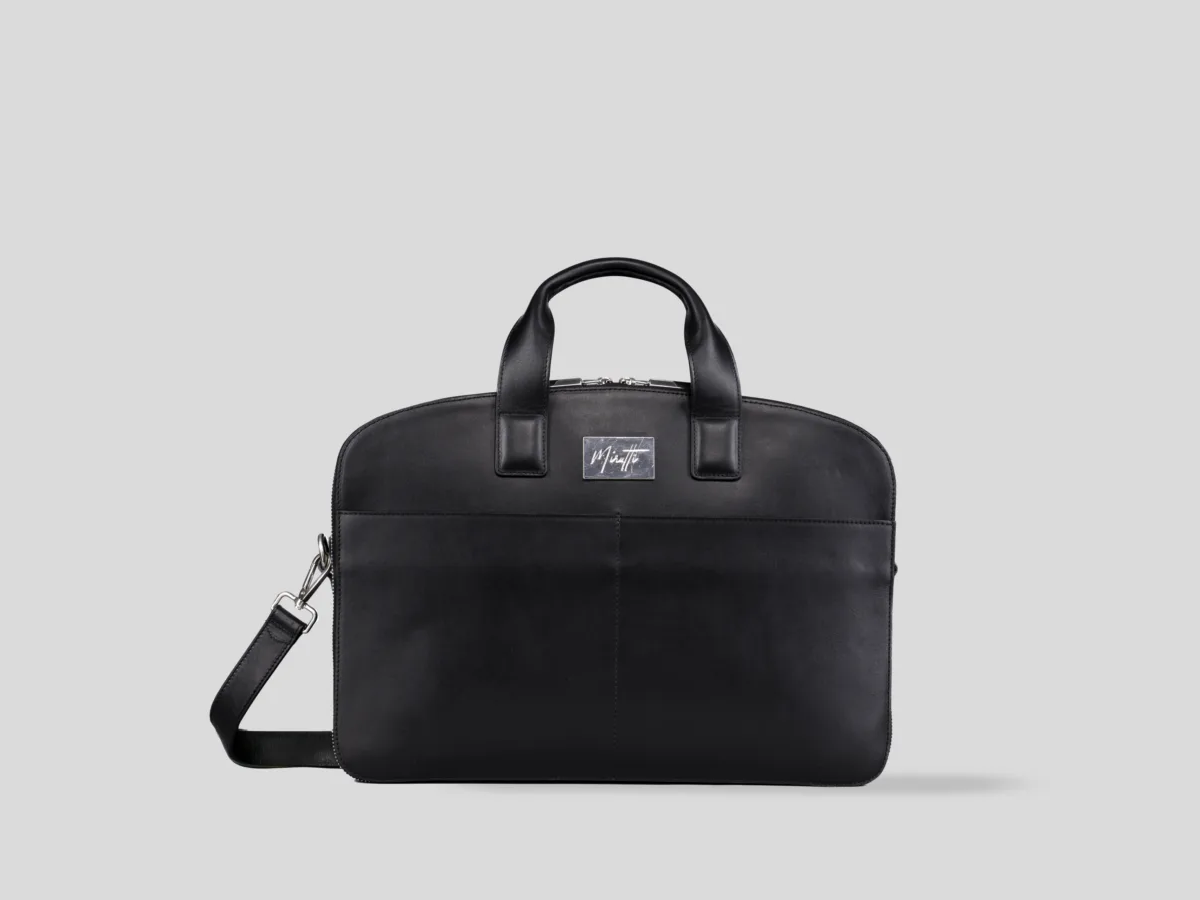
The brand produces premium bags and accessories for professionals and consumers, combining contemporary design with traditional leatherworking techniques.
According to Ghalem, each Miratti bag can require betweensix and eight hours of work, reflecting an approach centred on craftsmanship rather than mass production.
The ambition extends beyond selling leather goods. Ghalem wants to establish a recognisable Moroccan brand in a market historically dominated by established international luxury houses.
Six To Eight Hours For One Bag
Miratti places artisanal production at the centre of its identity.
Ghalem says its bags are made in Moroccan workshops using full-grain leather, manual cutting, saddle stitching and hand finishing.
The collections include business bags, backpacks, travel accessories and smaller leather products designed for everyday use.
The company also incorporates modern components, including zippers from Japanese manufacturer YKK.
Rather than competing primarily on production volume, Miratti promotes limited collections, material quality and attention to detail.
For Ghalem, these choices form part of a broader attempt to position Moroccan leather craftsmanship within contemporary luxury fashion.
The production methods and manufacturing times are described by the company and have not been independently assessed by Morocco Times Daily.
From An Early Business To Miratti
Ghalem founded Miratti in 2019 following an earlier entrepreneurial experience in leather goods through Aldabag.
The company gained wider public attention after appearing on the Moroccan television programmeQui veut investir dans mon projet ?in December2020.
That exposure introduced the brand to new audiences and helped support its ambitions for expansion.
Miratti subsequently explored international markets, including opportunities in Europe.
But the company’s development was not without difficulties.
In a public reflection on his entrepreneurial journey, Ghalem acknowledged that decisions taken during2021 and 2022had resulted in significant setbacks.
He described the experience as a reason to reassess the pace of expansion and refocus on the fundamentals of the business.
The lesson was an important one for a young consumer brand.
Building international visibility does not automatically create a sustainable international business.
Made In Morocco As A Premium Identity
Morocco has a long-established tradition of leatherworking, with skilled artisans producing bags, footwear and other goods across the country.
Miratti is attempting to connect that expertise with the expectations of contemporary consumers.
Its positioning combines locally rooted production with a modern visual identity and products designed for professional lifestyles.
The brand also says it supports the transmission of artisanal skills through training initiatives.
These commitments form part of Miratti’s stated approach, although the scale and impact of those programmes have not been independently verified.
For Moroccan consumer brands, the wider opportunity is significant.
Manufacturing a product locally is one step.
Creating a brand recognised for its design, quality and reliability is another.
That distinction matters particularly in the luxury sector, where customers are paying not only for materials and craftsmanship, but also for consistency, service and brand identity.
The Next Challenge Is Sustainable Growth
Miratti’s development illustrates both the opportunity and difficulty of building a premium consumer brand.
Handcrafted production can create differentiation, but it also introduces limits on manufacturing capacity and cost.
International expansion requires reliable distribution, consistent quality and sustained customer demand.
For Miratti, publicly available figures do not yet establish its current revenue, production volumes or international sales.
Its longer-term commercial performance therefore remains difficult to assess independently.
What is clear is the strategy Ghalem is pursuing: building a Moroccan leather goods brand around craftsmanship, contemporary design and controlled production.
The company has experienced early recognition, attempted expansion and strategic setbacks.
Its next phase will depend on translating that experience into lasting commercial performance.
For Ghalem, the ambition remains closely connected to the skills behind the product.
Miratti’s ambition is not to make the most bags. It is to give Moroccan craftsmanship a place in the conversation about modern luxury.