
The Moroccan womenswear retailer has established three stores in the Paris region, extending an international business built on domestic manufacturing, accessible fashion and more than two decades of retail experience.
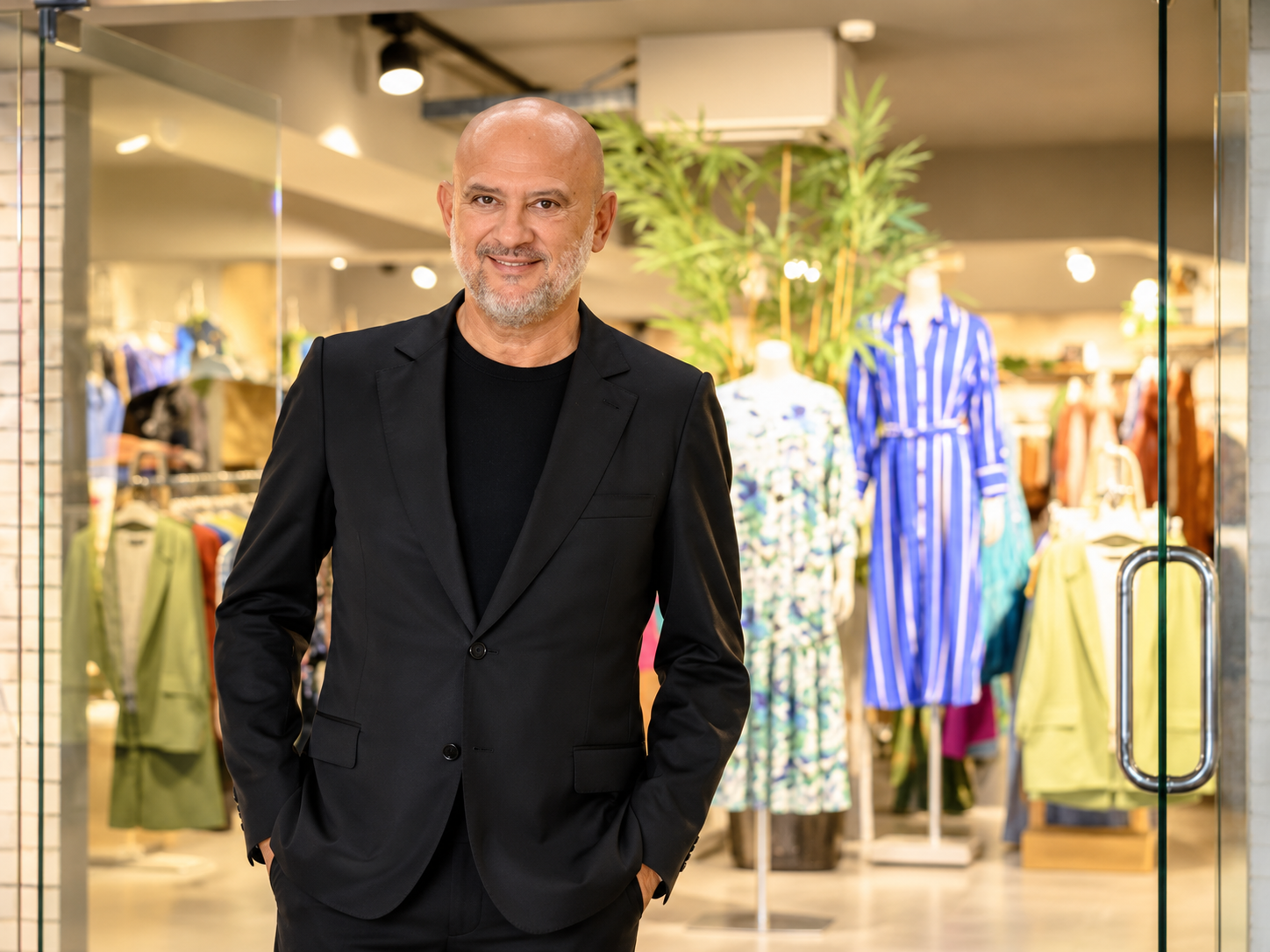
CASABLANCA — Moroccan fashion retailer Marwa has expanded its presence in France with three stores in the Paris region, marking a new stage in founder and chief executive Karim Tazi's efforts to develop an international fashion brand.
The Casablanca-based company, established in 2003 and operated by Folly Fashion, has opened stores at Côté Seine in Argenteuil, Le Spot in Évry and O'Parinor in Aulnay-sous-Bois.
Tazi confirmed the three locations in 2026 and said agreements had been signed for two additional outlets. Their opening dates and current operational status have not been independently confirmed.
The expansion places Marwa in one of Europe's most competitive clothing markets, where established international chains, online retailers and changing consumer habits present significant challenges for newcomers.
For the Moroccan company, the strategy rests on a business model developed over more than two decades: combining fashion design, manufacturing capabilities and direct retail distribution.
From 14 to 73 Stores: The Growth Behind Marwa
Marwa's French expansion follows a period of substantial growth supported by institutional investment.
In 2025, CDG Invest Growth announced the sale of its stake in Folly Fashion, ending an investment partnership that began in 2009 through its Capmezzanine I fund.
During that partnership, Marwa expanded its retail network from 14 to 73 stores, according to the investment firm.
At the time of the divestment, CDG Invest Growth reported that the company operated 73 stores in Morocco, five in Saudi Arabia, two in Lebanon, two in Kuwait and one in France. It also had three e-commerce platforms.
Those figures reflect the company's position at the time of the transaction, rather than its current consolidated store count.
The investment partnership had supported the development of company-operated and franchised outlets, giving Marwa a larger distribution network and experience managing operations across multiple markets.
Moroccan business publication Challenge subsequently reported that Tazi had bought back the investment fund's stake, using bank financing to complete the transaction.
The ownership change came as Marwa was pursuing further international growth.
Its expansion in the Paris region represents a continuation of that strategy, rather than the company's first attempt to establish itself abroad.
Moroccan Manufacturing Meets European Retail
Marwa was founded to offer contemporary women's clothing at accessible prices, with collections adapted to local preferences.
Unlike businesses operating exclusively as distributors of imported fashion, the company has developed links between product design, manufacturing and its retail network.
This industrial foundation has been central to Tazi's approach.
The founder has previously emphasised the importance of maintaining production in Morocco, positioning the country's textile capabilities as part of the company's international development.
For a fashion retailer operating across borders, the relationship between production and distribution can influence delivery times, inventory availability and the ability to respond to changing consumer demand.
France offers Marwa a geographically accessible market, but proximity alone does not guarantee a competitive advantage.
The company must manage store operating costs, product selection, distribution and pricing while competing against retailers with established European networks.
Tazi has also explored the use of technology to improve the company's operations.
In a public account of Marwa Tech, he described an internally developed system that analyses sales, product characteristics and inventory turnover to recommend stock allocation, replenishment and transfers.
He reported that the initiative had contributed to higher sales, improved profitability and a reduction in inventory of nearly 20%.
Those results are company-reported and have not been independently audited.
Nevertheless, the initiative illustrates an operational priority extending beyond physical expansion: using data to improve the efficiency of an increasingly complex retail business.
The Commercial Test for Marwa in France
Marwa's latest French openings provide an opportunity to assess demand for a Moroccan fashion brand beyond its established markets.
Tazi described the initial reception at O'Parinor as stronger than expected and subsequently said the location ranked among the company's best store openings after its first week of trading.
He did not disclose the sales figures behind that assessment.
The company has also not published financial results showing the investment committed to its latest French stores, their revenue or their profitability.
These distinctions are important in assessing the expansion.
Opening additional outlets demonstrates the company's ability to secure commercial locations and establish operations. Sustained performance will depend on sales, repeat customers, operating margins and effective inventory management.
For Moroccan businesses, Marwa's development also raises a wider commercial question: whether domestic manufacturing expertise can support internationally competitive consumer brands, rather than serving primarily as a production base for foreign retailers.
Marwa has already demonstrated an ability to develop a substantial domestic distribution network and establish operations in several international markets.
Its next challenge is to reproduce that model in France, where customer expectations, competitive pressures and retail costs differ from those in Morocco.
The Paris-region expansion marks another step in Marwa's international development. Its long-term significance will depend less on the number of stores opened than on their ability to generate sustainable sales and profitable growth.