

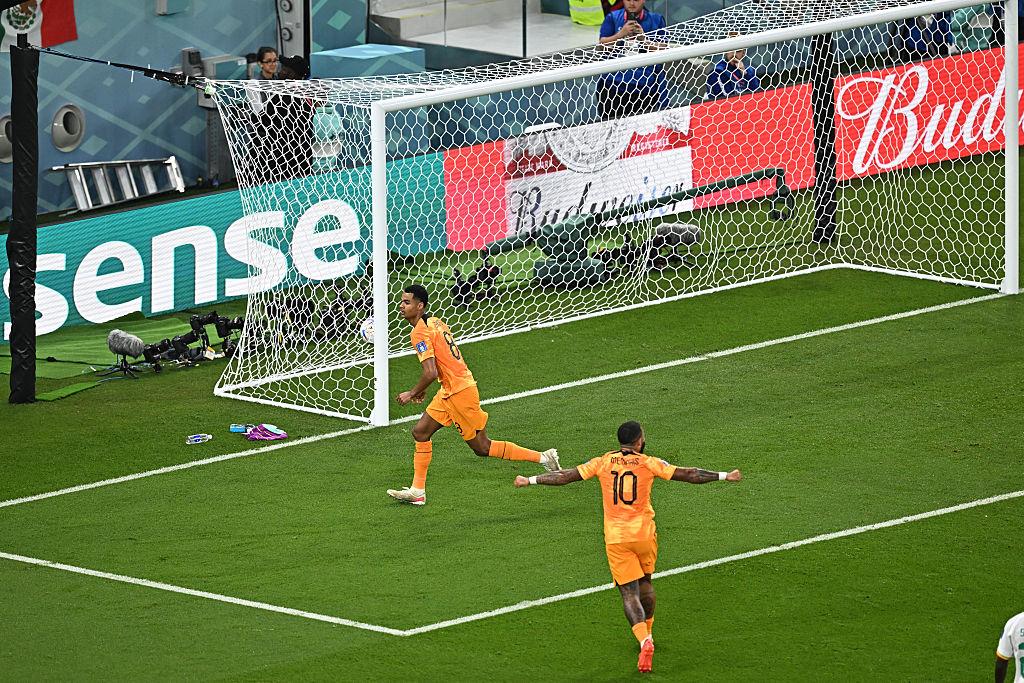
This World Cup is not waiting to entertain anyone.
It is exploding.
The 2026 FIFA World Cup reached 100 goals in just 33 matches, making it one of the fastest-scoring editions in modern tournament history.
For fans, that means one thing.
Highlights everywhere.
Big finishes.
Wild scorelines.
Viral clips.
And a tournament that feels built for the social media age.
A Tournament Full Of Goals
World Cups can sometimes start slowly.
Teams are nervous.
Coaches are cautious.
Players fear mistakes.
But this edition has been different.
The goals have arrived quickly, and the tournament reached the 100-goal mark after only 33 matches.
That is a massive entertainment signal.
Fans do not need to wait until the knockout stage for drama.
The group stage is already delivering it.
Why 100 Goals Feels So Big
The number matters because it gives the tournament a clear identity.
Some World Cups are remembered for tactics.
Some for shocks.
Some for penalties.
Some for one superstar.
This one is already building a reputation for goals.
A tournament with high scoring becomes easier to follow, easier to share and easier to sell to casual fans.
People who may not watch every full match will still watch the goals.
That is where the entertainment power begins.
The Highlight Economy Loves This
Modern football is not only watched in 90-minute blocks.
It is watched in clips.
A goal on TikTok.
A save on Instagram.
A celebration on X.
A fan reaction on YouTube.
A tactical breakdown on Facebook.
A meme in WhatsApp groups.
The more goals a tournament produces, the more content it creates.
The 2026 World Cup is feeding that machine perfectly.
Every match becomes a possible highlight factory.
Cody Gakpo Hit The Century Mark
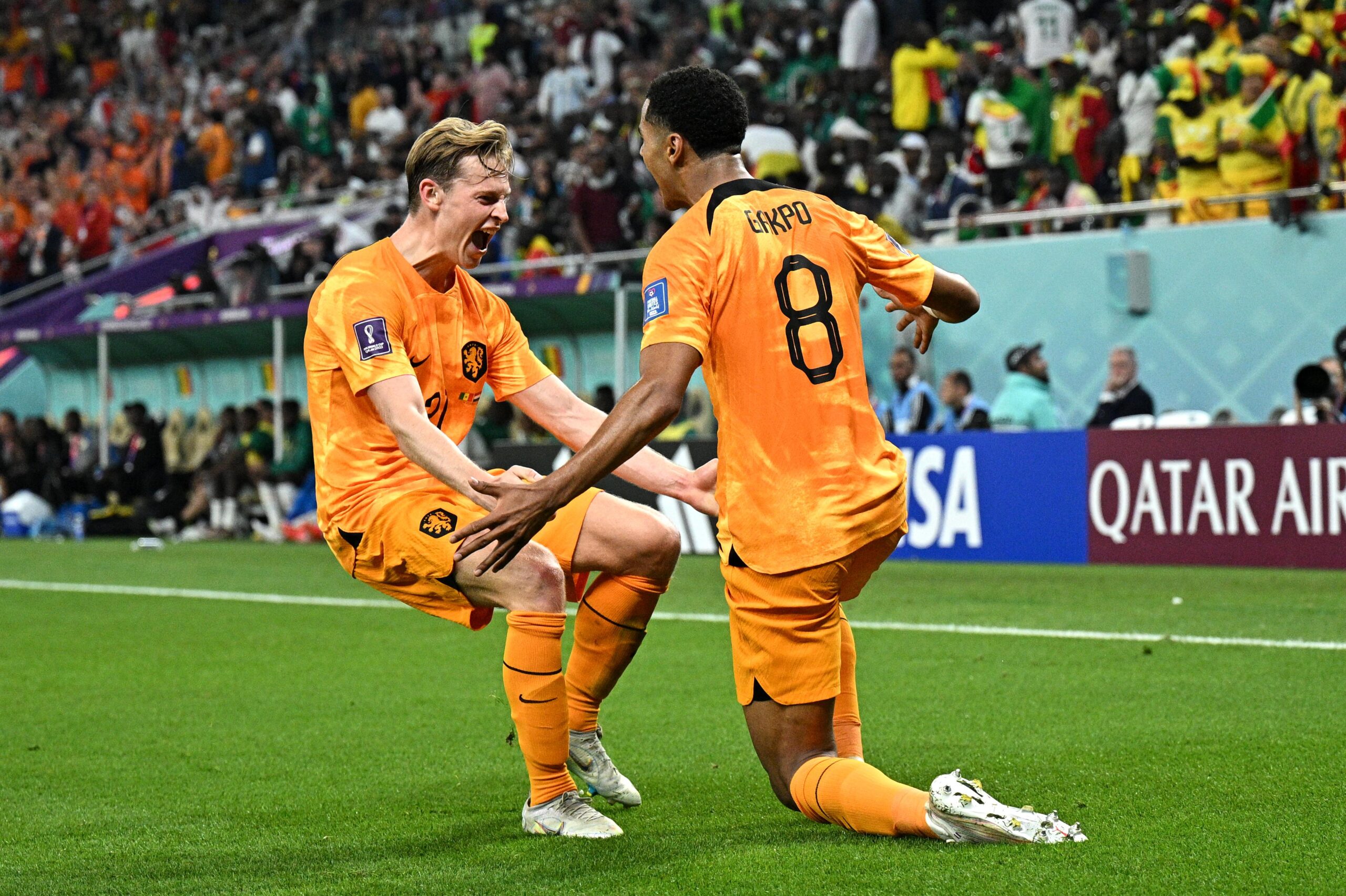
Reports say the 100th goal of the tournament came from Cody Gakpo during the Netherlands’ 5-1 win over Sweden.
That is the kind of detail fans remember.
A player.
A match.
A milestone.
It turns a normal goal into a tournament marker.
Years from now, people may not remember every group-stage result.
But records and milestone goals help give the competition a story.
The Expanded World Cup Adds More Drama
The 2026 World Cup is the first edition with 48 teams.
That means more matches, more nations, more fanbases and more storylines.
For entertainment, that is huge.
More teams means more unexpected moments.
More styles.
More debutants.
More underdogs.
More goals.
More viral shocks.
Some critics worried that an expanded tournament could reduce quality.
But if the goals keep coming, the entertainment argument becomes much stronger.
Fans Want Action
Football purists may love a careful 0-0.
But casual viewers want action.
They want shots.
They want goals.
They want mistakes.
They want comebacks.
They want chaos.
A high-scoring World Cup gives casual fans a reason to keep watching.
It makes every match feel like it could deliver a moment.
That is important for a tournament trying to capture global attention across time zones.
Every Goal Has A Second Life Online
A World Cup goal no longer ends when the ball hits the net.
That is only the beginning.
The clip is posted.
The angle is replayed.
The celebration is slowed down.
The commentator’s voice is shared.
The fan reaction becomes a meme.
The player’s name trends.
The goal gets ranked, compared and debated.
That is why 100 goals in 33 games matters.
It gives the internet more fuel.
The Stars Are Feeding The Machine
A high-scoring tournament becomes even bigger when famous players are involved.
Fans want to see established stars deliver.
They want young talents to announce themselves.
They want surprise names to become overnight heroes.
This World Cup is already producing that mix.
Some goals come from global names.
Others come from players many fans are discovering for the first time.
That combination keeps the tournament fresh.
Underdogs Make Goals Feel Bigger
Not every goal carries the same emotional weight.
A favourite scoring early is exciting.
An underdog scoring against a giant is unforgettable.
The expanded format gives more countries a chance to create those moments.
For smaller nations, one goal can become national history.
For fans back home, one strike can mean tears, street celebrations and lifelong memory.
That is what makes World Cup goals different from club football goals.
They carry countries with them.
Morocco Are Part Of The Show
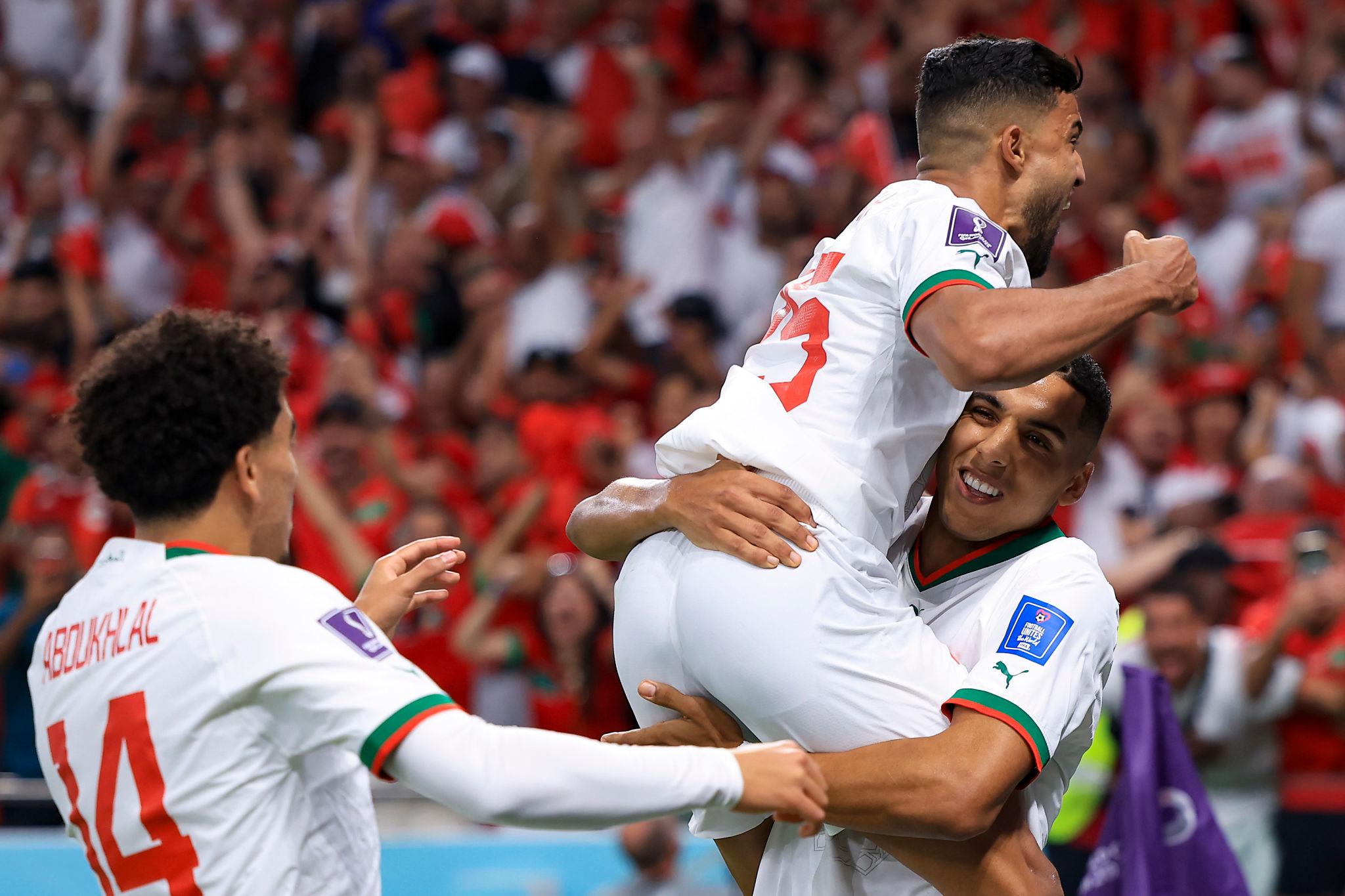
Morocco are also part of this tournament’s entertainment story.
The Atlas Lions drew 1-1 with Brazil, beat Scotland 1-0, produced a 71-second goal from Ismael Saibari, and completed 601 passes against Scotland.
That mix of drama and control gives Morocco a strong tournament identity.
They are not just grinding results.
They are creating moments.
For Moroccan fans, the highlight machine has already delivered.
The Group Stage Feels Bigger Than Usual
In some tournaments, the group stage is seen as a warm-up.
Not this time.
With more teams and more qualification scenarios, group-stage matches feel packed with possibility.
A big win can change a table.
A late goal can rescue a country.
A surprise result can go viral worldwide.
That makes the early part of the tournament feel more like prime entertainment.
Fans do not need to wait.
The show is already on.
Broadcasters Will Love This
Goals are gold for broadcasters.
They create promos.
They build halftime packages.
They fill social feeds.
They make post-match shows easier.
They pull in casual viewers.
A World Cup with goals gives television and streaming platforms more to work with.
It also helps sponsors, advertisers and media outlets.
Entertainment value is not only emotional.
It is commercial.
A high-scoring tournament is easier to market.
The Social Media World Cup
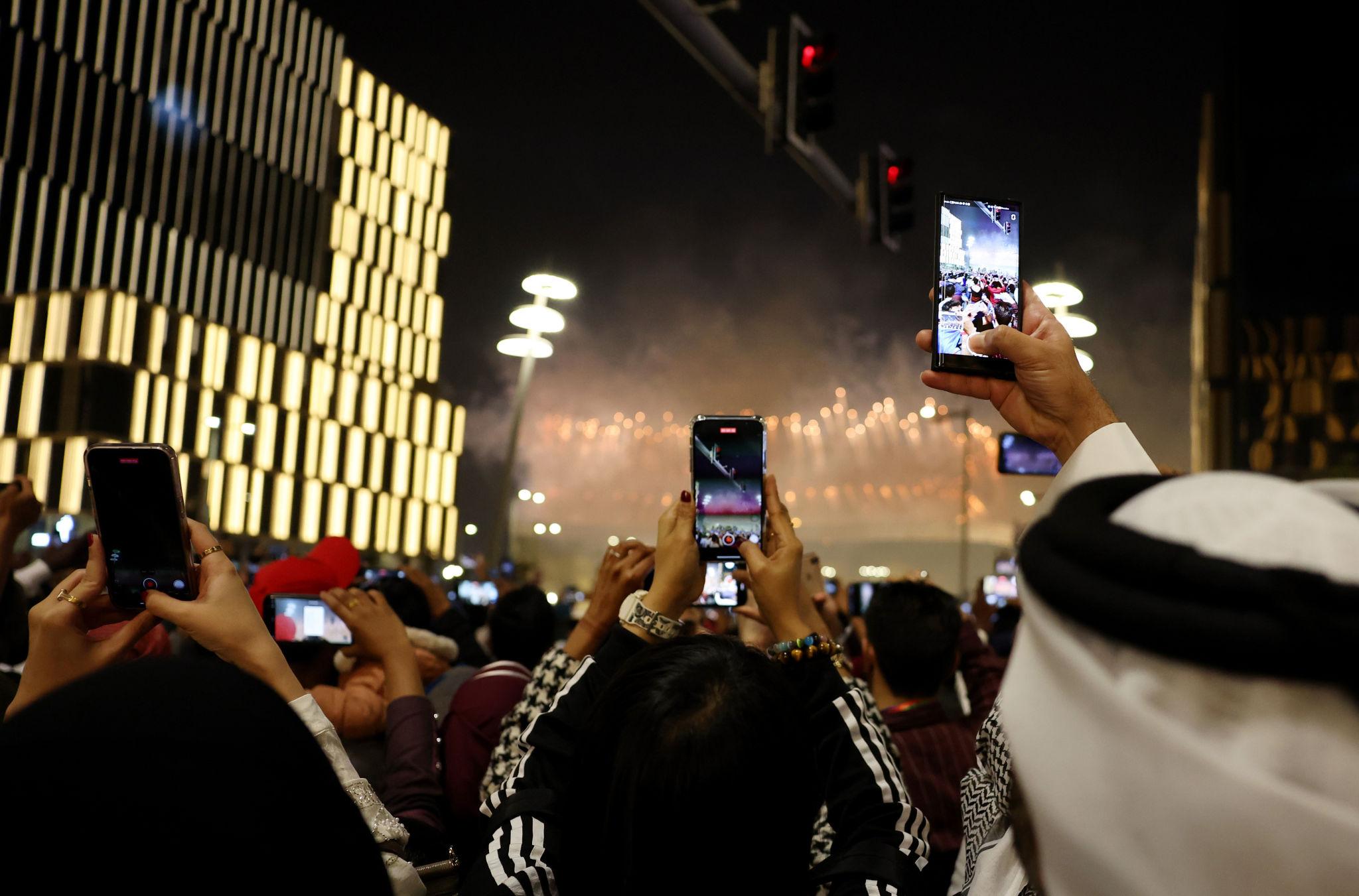
This may become one of the most social-media-shaped World Cups ever.
Matches are happening across the United States, Canada and Mexico.
Fans are posting from stadiums, fan zones, airports, bars, homes and streets.
Every goal creates waves across time zones.
A fan in Casablanca can react at the same time as a supporter in Atlanta, Toronto, Paris or Doha.
The World Cup has always been global.
Now it is instant.
Can The Scoring Pace Continue?
The big question is whether the goals will keep coming.
Knockout rounds can become tighter.
Coaches may take fewer risks.
Teams may defend deeper.
Penalties and extra time can slow the rhythm.
But the early signal is already strong.
Even if the pace drops later, the tournament has already created a high-energy identity.
The first 33 games have done their job.
They made the World Cup feel alive.
Why This Belongs In Entertainment
This is not only a sport story.
It is entertainment.
The goals are the content.
The celebrations are the clips.
The fans are the audience.
The memes are the aftershow.
The highlights are the product.
The 2026 World Cup is giving people drama every day, whether they watch full matches or only scroll through their phones.
That is modern entertainment at global scale.
The Final Whistle
The 2026 FIFA World Cup reaching 100 goals in 33 matches is turning the tournament into a highlight machine.
With one of the fastest scoring starts in modern World Cup history, the competition is giving fans constant action, viral clips and daily drama.
For broadcasters, it is gold.
For casual fans, it is easy to follow.
For football lovers, it is a feast.
And for the social media age, it is perfect.
This World Cup is not just being played.
It is being replayed, shared and watched again.