

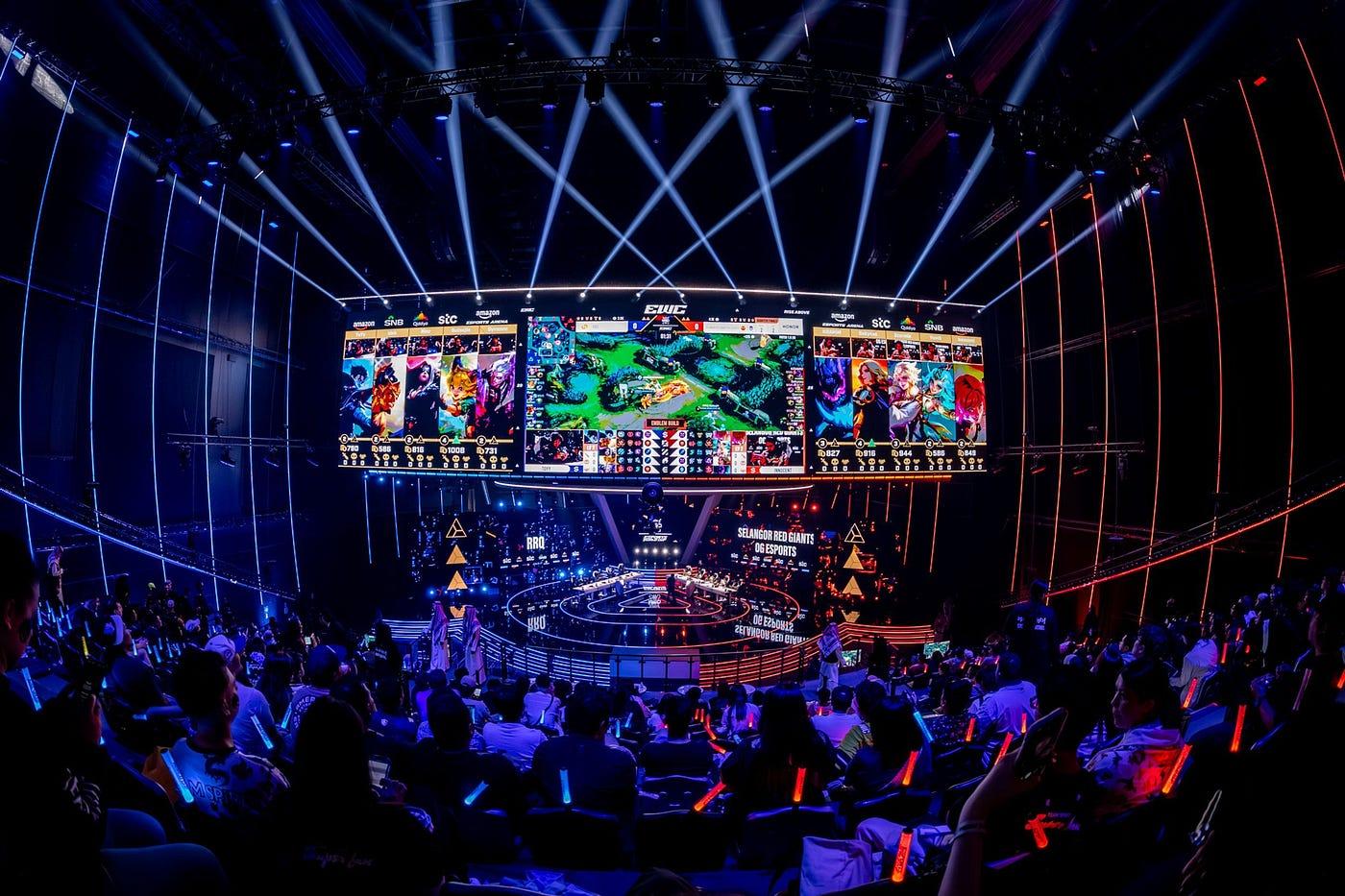
Gaming is no longer staying in bedrooms. It is moving onto the main stage.
Esports is becoming one of the fastest-growing entertainment stories of 2026, with huge tournaments, massive prize pools, streaming shows, global clubs and young players turning into digital-era stars. This is not just people playing games. This is business. This is entertainment. This is sport-style drama for a generation that grew up online.
Esports Is Becoming A Mainstream Show
For years, esports was treated like a niche. Gamers understood it. Parents often did not. Traditional sports fans sometimes laughed at it. Television ignored it. That old view is changing fast. The biggest esports events now look more like global entertainment festivals than small gaming competitions. There are arenas, lights, teams, coaches, sponsors, walkouts, commentators, streaming audiences and serious money. The screen may be digital. But the emotion is real.
The Prize Money Is Getting Huge
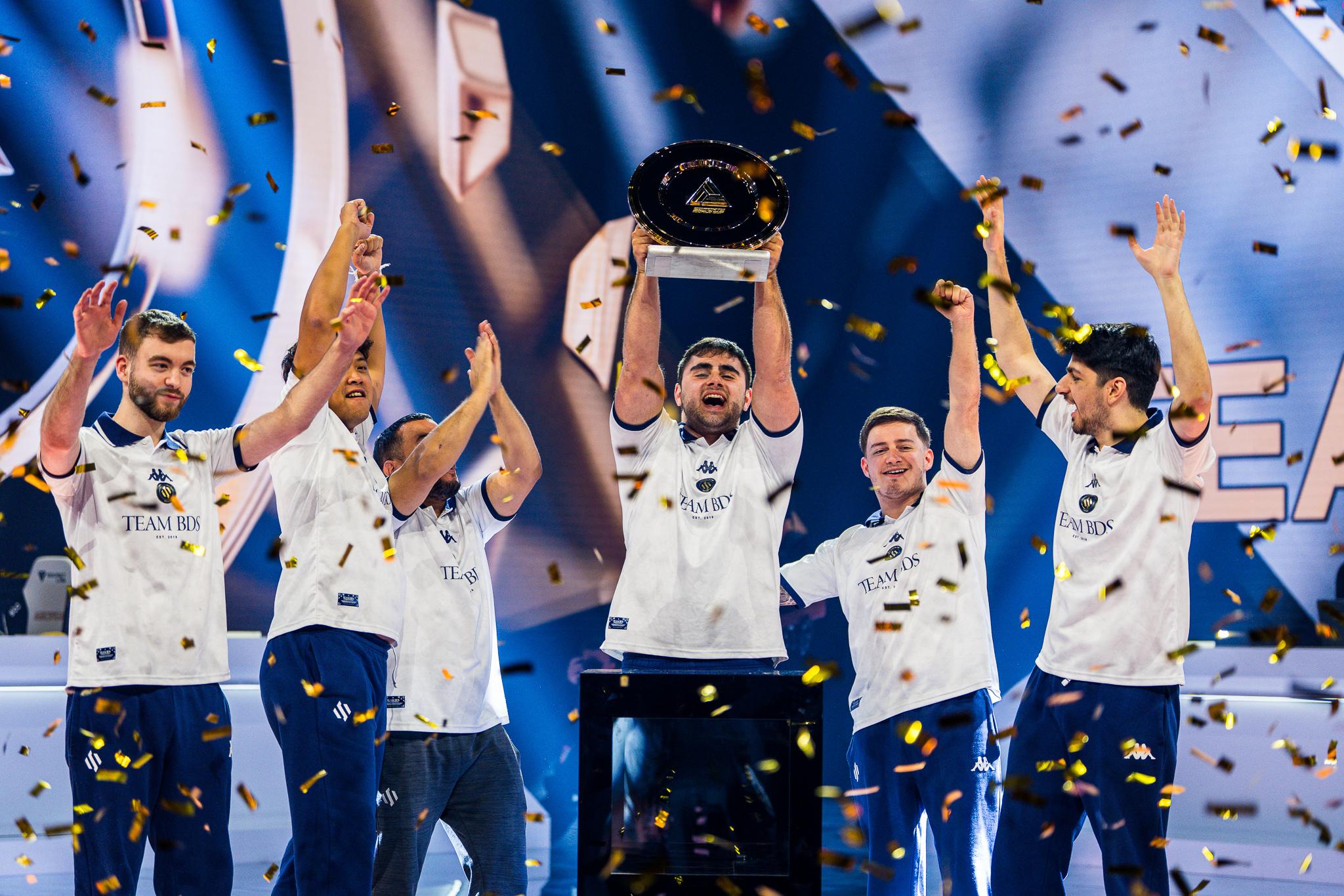
The money tells the story. The Esports World Cup 2026 has been reported with a prize pool around $75 million, bringing together more than 2,000 players, more than 200 clubs and competitors from more than 100 countries. Those are not small numbers. That is not a hobby event. That is a global tournament machine. For young gamers, the message is powerful. A controller, keyboard or mouse can now become a career path.
Players Are Becoming Digital Celebrities
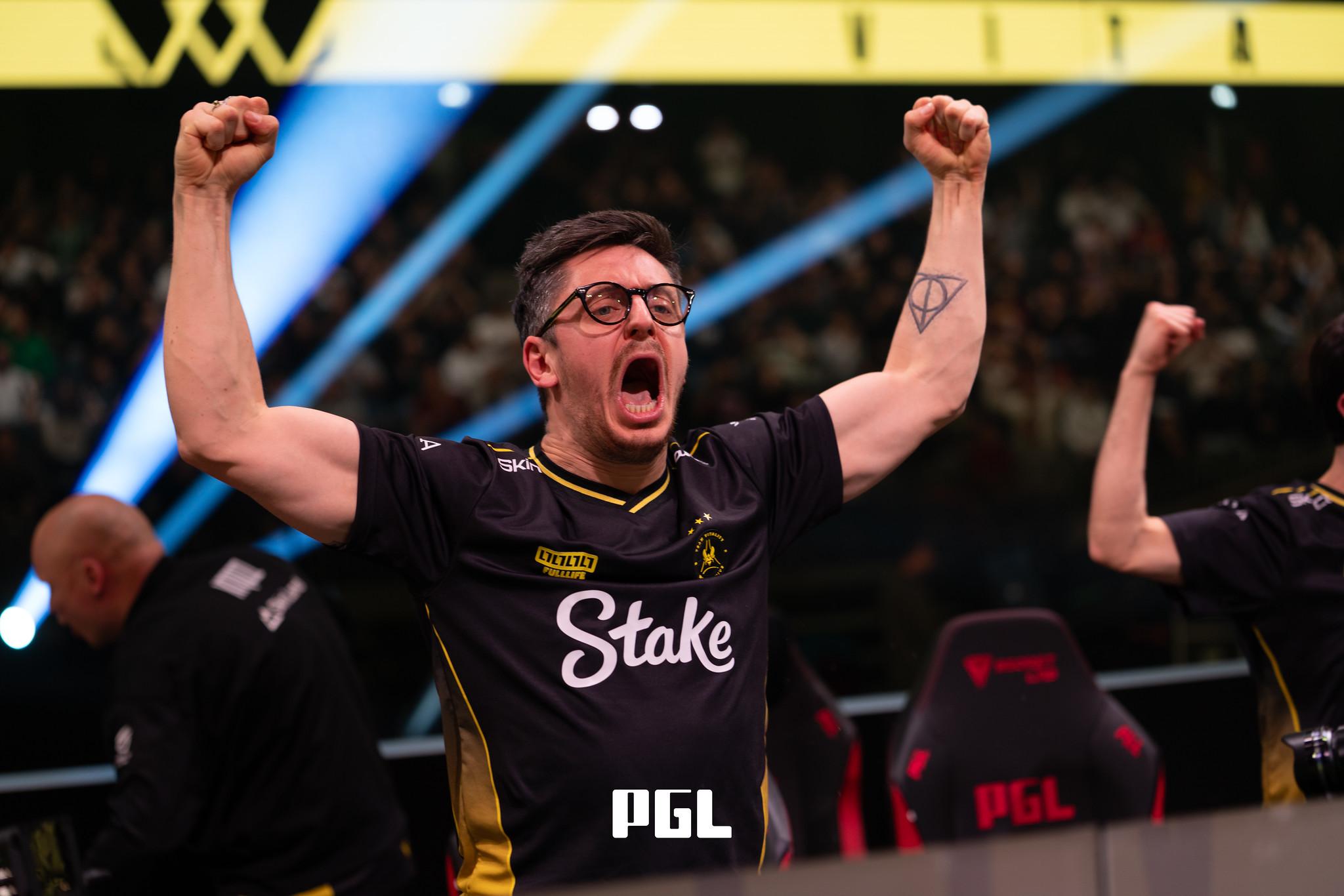
The best esports players are no longer only known inside gaming forums. They are becoming celebrities. Fans follow their streams. Clips go viral. Training routines are discussed. Team transfers become news. Personality matters. Reaction videos matter. Rivalries matter. A great player can build a fanbase across Twitch, YouTube, TikTok, Instagram and tournament broadcasts. That is why esports is now entertainment as much as competition. People do not only watch who wins. They watch who becomes a star.
Streaming Changed Everything
Traditional sports needed television. Esports was born online. That gives it a major advantage with younger audiences. Fans already know where to watch. They already use the platforms. They already understand clips, memes, live chat and creator culture. A football match may be watched on a big screen. An esports final can be watched on a phone, laptop, tablet or gaming setup. That flexibility makes it easy to spread. One crazy moment can be clipped in seconds and travel around the world before the match is even over.
Prime Video Shows The New Direction
The entertainment push is also becoming more polished. Behind-the-scenes storytelling is now part of the esports package, with productions such as Esports World Cup: Level Up on Prime Video helping introduce players, teams and pressure to wider audiences. That matters. A casual viewer may not understand every game mechanic. But they understand pressure. They understand ambition. They understand rivalry. They understand a young player trying to win a life-changing title. Storytelling makes esports easier to enter. It turns gaming into drama.
The Tournament Is Bigger Than One Game
One reason esports can grow so quickly is that it does not depend on one single title. The big events bring together many games. Shooters. Battle royale. Football simulations. Fighting games. Strategy games. Racing games. Mobile games. That gives esports a wider audience. A fan may not care about every game, but they may care deeply about one scene. This is different from traditional sports. A World Cup in football is one sport. An esports mega-event can be a full entertainment universe.
Clubs Are Becoming Brands
Esports teams are not only teams. They are brands. They sell identity. Logos. Merch. Content. Player access. Community. Some fans follow a club across multiple games. That makes the business model more flexible. A team can win in one title, build content in another and recruit fans in a third. For sponsors, that matters. They are not only buying visibility in one match. They are buying access to digital communities.
Parents Are Starting To Understand
The older generation may still struggle with esports. But the numbers are becoming harder to ignore. When tournaments offer millions, when players train professionally, when clubs sign contracts and when global platforms stream the events, the conversation changes. Parents may not love the idea of children gaming all day. But they can see that esports is no longer a joke. It has structure. It has careers. It has discipline. It has pressure. That does not mean every child becomes a professional gamer. But it does mean gaming has entered the serious entertainment economy.
The Pressure Is Real
People who do not watch esports often think it is easy. It is not. Top players train for hours. They review mistakes. They study opponents. They work with coaches. They manage stress. They perform live in front of huge audiences. They face online criticism. They can lose a match because of one tiny mistake. That pressure is one reason esports works as entertainment. The games may be digital, but the nerves are human.
The Audience Is Young And Valuable
Brands care about esports because the audience is young. Many traditional sports are fighting to keep younger viewers. Esports starts with them. Teenagers, students and young adults already live inside gaming culture. They understand the language, the jokes, the personalities and the platforms. That gives esports commercial value. Advertisers want attention. Esports has attention. Especially from people who may not watch normal television at all.
The Big Challenge Is Making Money Sustainably
Still, esports is not a guaranteed gold mine. The industry has had problems. Some teams have struggled financially. Some sponsors have pulled back. Some leagues have failed. Some audiences are large but difficult to monetise. That is why the new big-money tournament push matters. It is trying to give the industry more structure, more visibility and more long-term support. But the question remains. Can esports turn hype into a stable business? That is the real test.
The Saudi Factor Brings Debate
Esports’ rise also comes with debate. Large investments from the Gulf, including Saudi-backed gaming and esports projects, have pushed the industry forward quickly. Supporters see money, infrastructure and global ambition. Critics raise questions about image-building, ownership and influence. That tension will not disappear. As esports becomes bigger, it will face the same questions as traditional sports. Who pays? Who benefits? Who controls the stage?
Why This Belongs In Entertainment
Some people may call esports sport. Others call it gaming. But for MTD, the strongest angle is entertainment. Because the modern esports product is built for viewers. The lights. The music. The personalities. The backstage stories. The viral clips. The fan wars. The streaming platforms. It is not only competition. It is a show. And that show is getting bigger.
The Bottom Line
Esports is going prime time. With prize pools around $75 million, more than 2,000 players, more than 200 clubs and a growing push into streaming entertainment, competitive gaming is no longer a small online subculture. It is becoming a global stage. Players are turning into stars. Clubs are turning into brands. Tournaments are turning into festivals. And for millions of young fans, gaming is no longer something they only play. It is something they watch, follow and live.