
Luxury travel is beginning to move away from the old promise of endless sun. For decades, the premium holiday formula was simple: warmer weather, beach access, long lunches, Mediterranean terraces and the idea that summer heat was part of the reward. That model is now under pressure as extreme temperatures turn comfort into a new luxury indicator.
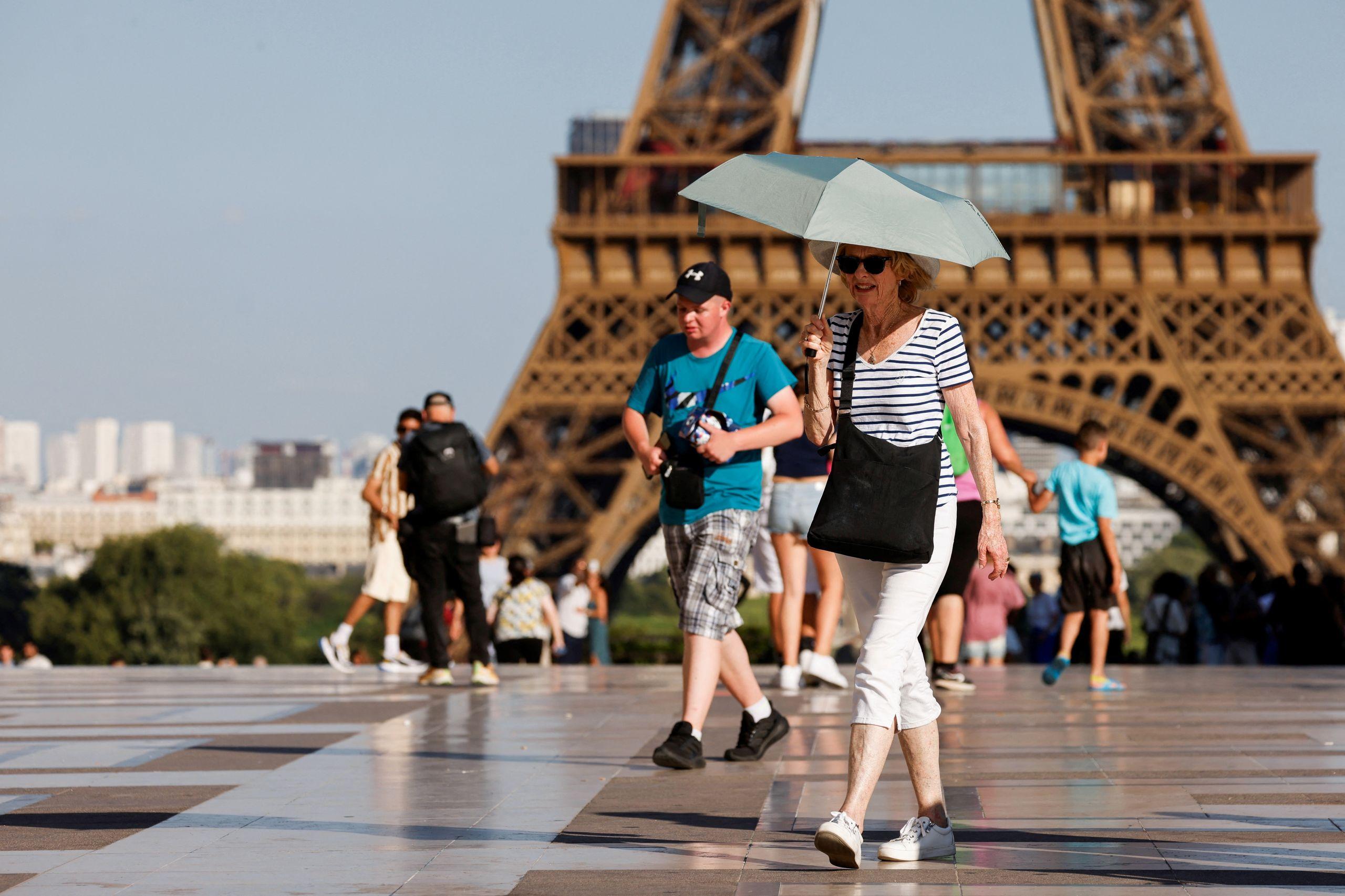
The shift is not theoretical. Europe’s 2026 heatwaves have pushed temperatures to record levels, disrupted infrastructure and forced travellers to reconsider where, when and how they spend money. When Barcelona reaches 40.7°C, its highest temperature in 112 years, and parts of Spain move toward 44°C, the travel industry cannot treat heat as a seasonal inconvenience. It becomes a route planner.
Heat Is Changing The Meaning Of Luxury
Luxury travel used to sell heat as pleasure. Now it must sell comfort as protection. That is a major psychological change. A wealthy traveller no longer only asks whether a destination is beautiful, famous or exclusive. They increasingly ask whether it is breathable in July, whether the hotel has shaded outdoor space, whether the city can function in a heatwave and whether the experience still feels relaxing when temperatures become physically exhausting.
This is why climate is becoming part of the premium filter. A destination can have five-star hotels, strong restaurants and famous views, but if the main season becomes too hot for walking, shopping, dining outside or sightseeing, the luxury value weakens. Comfort is no longer a soft detail. It is becoming the product.
The Old Summer Map Is Under Review
Southern Europe built a huge part of its tourism economy around summer demand. Spain, Italy, Greece, Portugal, southern France and parts of the Mediterranean have long benefited from the idea that July and August are the peak months for sun-seeking travellers. But extreme heat is making that map less automatic.
Some travellers are shifting toward cooler destinations. Others are moving trips into spring and autumn. Some luxury operators are promoting Scandinavia, the Baltic coast, mountain retreats, Atlantic routes and shoulder-season travel as more comfortable alternatives. This is not the end of Mediterranean tourism. The brand power of those destinations remains enormous. But it does mean the seasonal calendar is becoming more complicated. The question is no longer only where people want to go. It is when the destination still feels usable.
The Coolcation Is No Longer A Joke
The travel industry’s term coolcation can sound like marketing language, but the behaviour behind it is real. A cooler destination used to feel like a compromise for travellers who could not access classic summer glamour. Now it can look smarter, healthier and more exclusive. Clean air, lower temperatures, mountain access, forests, lakes and quieter high-end stays are moving up the value chain.
That is especially important for older travellers, families with children and wealthy clients who want privacy and wellbeing more than heat. A luxury holiday is not only about showing that one can afford the trip. It is about controlling discomfort. In a hotter world, avoiding heat may become a status move.
Hotels Must Adapt Or Lose Pricing Power
The climate shift is also a hotel story. A five-star property cannot rely only on design, service and location if the surrounding environment becomes difficult to enjoy. Heat changes how guests use a property. Outdoor dining becomes less attractive. Pool areas become overcrowded. Afternoon city tours disappear. Air-conditioning becomes a health requirement rather than a convenience.
That forces hotel owners to think differently. Shade, ventilation, cooling systems, water management, insulated rooms, evening programming, indoor wellness spaces and climate-sensitive landscaping will all matter more. The best hotels will not simply promise luxury. They will design for heat resilience. That is where future pricing power may sit.
Cities Are The Weak Point
Urban destinations are especially exposed. Historic cities were not always designed for modern heatwaves, mass tourism and long outdoor queues. Stone streets, crowded squares, limited shade and overheated transport systems can turn a luxury city break into a difficult physical experience.
That is a serious issue for destinations that depend on cultural tourism. A museum visit, shopping day or walking tour depends on the city remaining comfortable enough to move through. If tourists spend afternoons hiding indoors, the entire visitor economy changes. Restaurants lose terraces. Retail loses foot traffic. Guides lose bookings. Taxis and transport face more pressure. Heat does not only affect the traveller. It reshapes the daily economics of a destination.
Morocco Must Read The Signal Carefully
For Morocco, this climate travel shift is both an opportunity and a warning. The Kingdom has strong year-round tourism assets: coastlines, mountains, deserts, medinas, riads, food, culture and growing air connectivity. But it also faces heat pressure, water stress and seasonal concentration in the same summer months that many international travellers may begin to question.
That makes strategy essential before 2030. Morocco can benefit if it positions itself as a smarter, more seasonal destination: spring city breaks, autumn cultural routes, Atlantic coastal escapes, mountain retreats, desert travel outside the hottest months and premium wellness experiences built around timing rather than only temperature. The country should not sell one Morocco for all seasons. It should sell different Moroccos at the right time.
The Atlantic Coast Becomes More Valuable
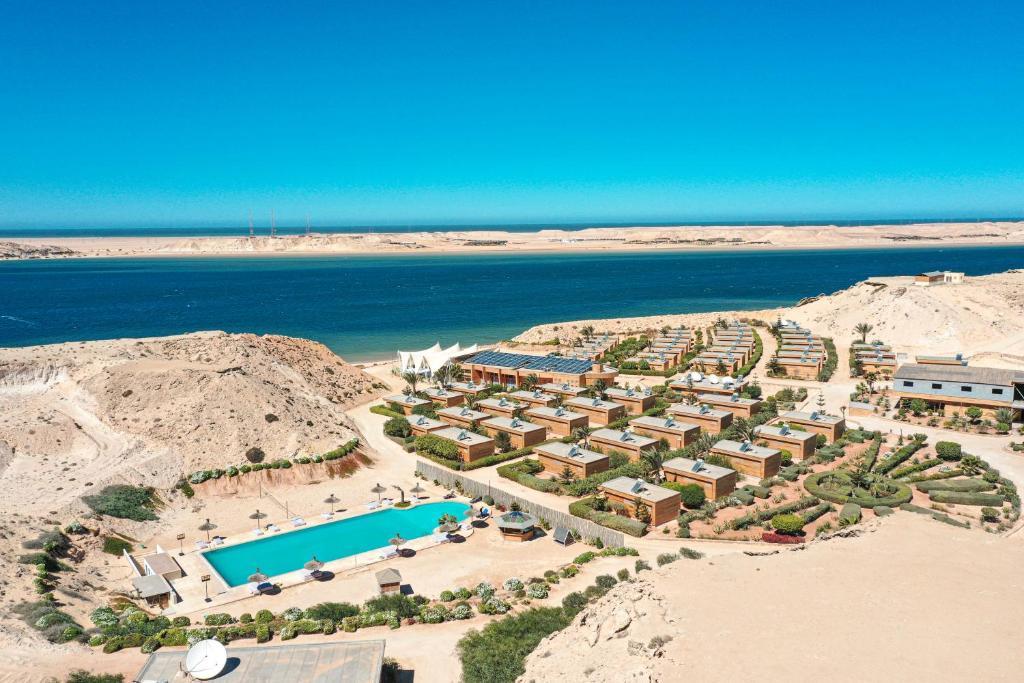
One likely winner in the new travel map is Morocco’s Atlantic identity. Cities and regions such as Essaouira, Dakhla, Agadir, Rabat, Tangier and parts of the northern coast may gain more strategic value as travellers search for air, wind, ocean and softer summer conditions.
That does not mean every coastal destination is automatically ready. Infrastructure, hotel quality, transport, cleanliness, safety, restaurant depth and service standards still decide whether interest becomes repeat demand. But the climate logic is moving in Morocco’s favour if the country packages the coast intelligently. In a hotter travel market, ocean access becomes more than scenery. It becomes climate positioning.
Marrakech Needs A Seasonality Strategy
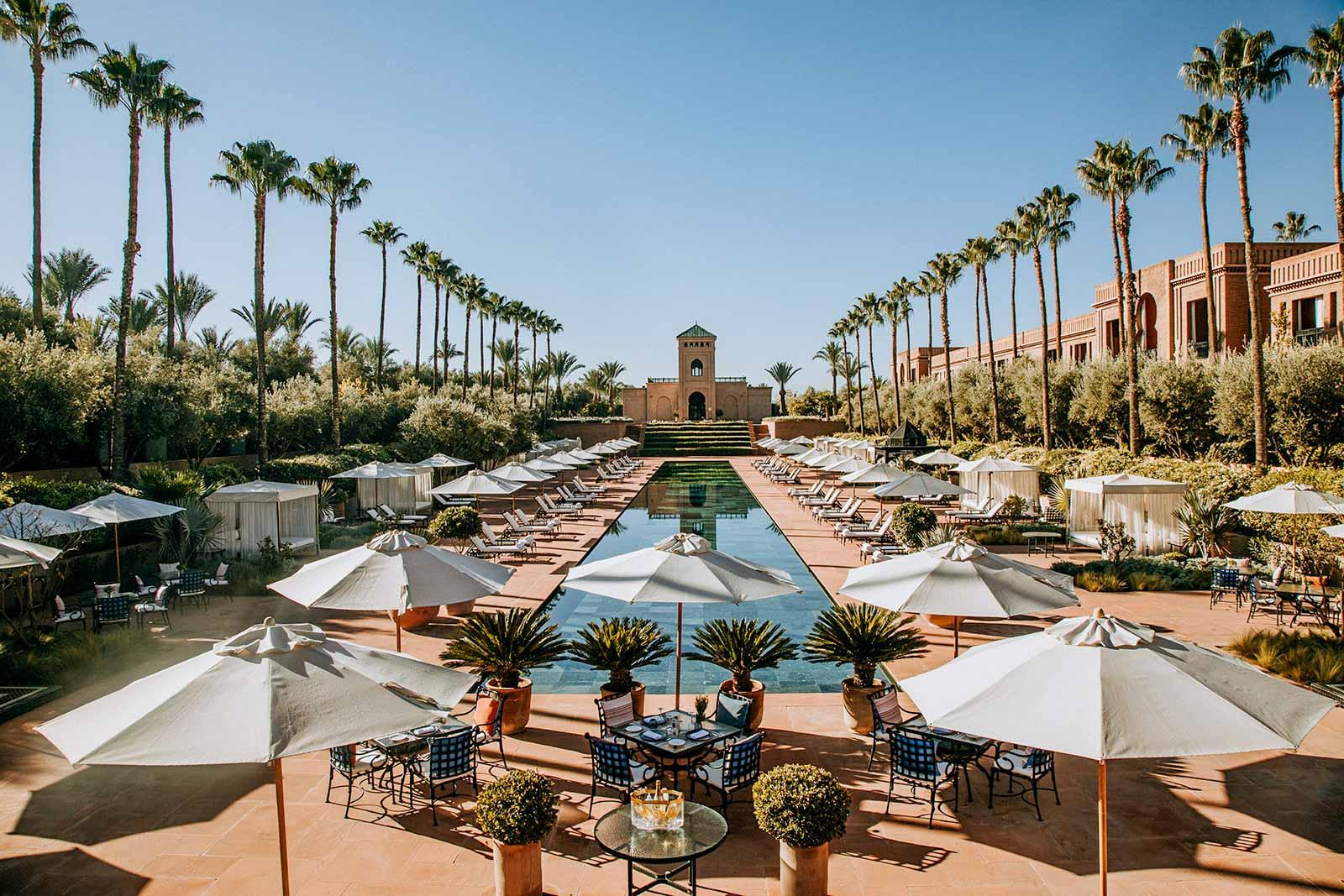
Marrakech remains one of Morocco’s strongest tourism brands, but it also faces one of the clearest climate challenges. The city can still dominate global desire in cooler months. Its riads, restaurants, gardens, luxury hotels, shopping and cultural image remain powerful. But peak summer heat can reduce the quality of the visitor experience, especially for older travellers and families.
That does not weaken Marrakech. It means Marrakech must be sold more intelligently. Autumn, winter and spring can become even more valuable. Evening programming, shaded gardens, indoor wellness, pool-based luxury and short-stay premium packages can help protect the city’s position. The future is not less Marrakech. It is better-timed Marrakech.
Luxury Travellers Will Pay For Climate Intelligence
The premium market is likely to reward operators who solve climate problems before guests ask. That could mean redesigned itineraries, earlier activities, shaded transfers, flexible cancellation during heat alerts, climate-informed concierge advice, better hydration planning, indoor cultural access and more precise seasonal recommendations.
This is where high-end travel agencies and luxury hotels can differentiate themselves. A normal operator sells a destination. A climate-intelligent operator sells control. That difference will matter more as heatwaves become more frequent and more visible in media coverage.
The Insurance And Safety Layer Is Coming
Extreme heat also adds a risk-management layer to travel. Travel insurance, event planning, health warnings, airline delays, wildfire risk, transport disruption and emergency planning will all become more important. For luxury travel, where clients pay for smoothness, any visible disruption can damage trust.
A destination that can manage heat professionally may become more attractive than a destination that simply hopes the season goes well. This is another reason Morocco must integrate climate adaptation into its tourism strategy before 2030. The issue is not only sustainability branding. It is operational credibility.
Climate Will Redistribute Value
The biggest travel effect may be redistribution. Some destinations will gain in shoulder seasons. Others will gain in cooler regions. Some hotels will win because they adapt faster. Some cities will lose peak-summer value but gain in spring and autumn. Some luxury travellers will still chase heat, but more will ask whether the holiday feels physically comfortable and low-risk.
That means climate is becoming a pricing force. It will affect room rates, flight demand, event timing, cruise routes, restaurant revenue, urban planning and destination marketing. The travel map is not being erased. It is being repriced.
The Bottom Line
Extreme heat is reshaping luxury tourism routes. As Europe faces record-breaking temperatures, with Barcelona hitting 40.7°C and wider heatwaves disrupting health, infrastructure and daily life, travellers are beginning to reassess the old summer formula.
For luxury travel, the new value is not only sunshine. It is comfort, timing, air quality, shade, water security, wellness and operational resilience. For Morocco, the message is clear before 2030. The Kingdom has major tourism upside, but the winners in the next cycle will be the destinations that understand climate as part of the product. Coastal routes, shoulder seasons, mountain escapes and heat-smart hospitality can become strategic advantages. The future of travel will not only ask where people want to go. It will ask where they can still feel good when they arrive.