

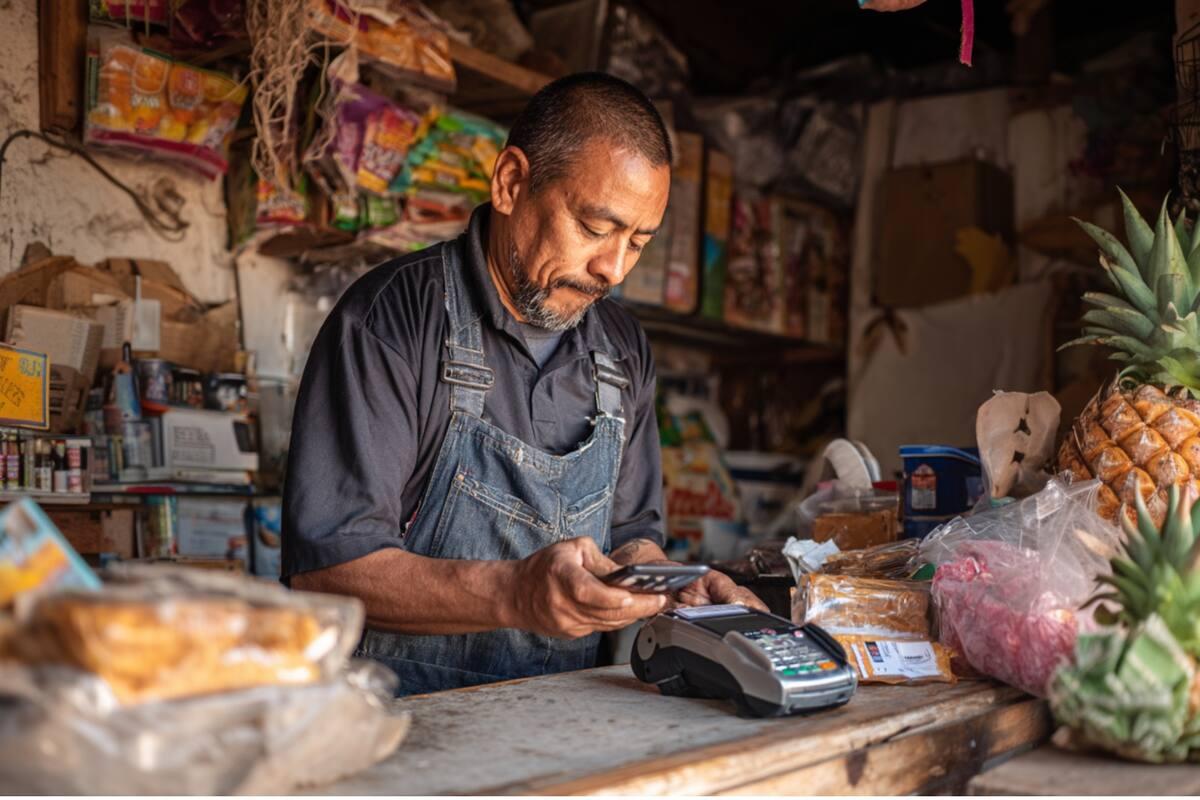
Morocco’s payment reform is not only a technical adjustment for banks. It is a test of whether the country can make digital payments cheap enough, simple enough and trusted enough for small merchants who still live inside a cash-first economy.
The headline is the fee cap. The deeper story is adoption. For years, electronic payments in Morocco have carried a basic contradiction. Consumers were increasingly familiar with cards, mobile wallets and online transactions, but many small shops, cafes and service providers still preferred cash because the cost, equipment, settlement delays and administrative friction made digital payments feel like a burden rather than an upgrade.
Lowering that barrier is now becoming part of Morocco’s wider economic modernisation.
The Fee Question Is The Adoption Question
A merchant does not decide to accept electronic payments because digitalisation sounds attractive in a government presentation. They decide when the numbers work. If card payments cost too much, small shops resist. If margins are already thin, even a small commission can feel like a tax on survival. A corner store, barber, bakery, snack shop or small clothing retailer does not operate with the same buffer as a large supermarket chain.
That is why fee regulation matters. A lower payment cost changes the business logic. It makes electronic payments less painful for merchants and gives them fewer reasons to refuse cards or push customers back toward cash. The reform is therefore not just about payments. It is about whether digital tools can reach the informal and semi-formal parts of Morocco’s daily economy.
Cash Still Dominates The Street
Morocco’s real economy remains heavily shaped by cash. That is visible in taxis, small groceries, cafes, street vendors, local services, small repairs and neighbourhood retail. Cash is immediate, familiar and psychologically simple. It does not require a terminal, an app, a bank process or a merchant statement.
But cash also has hidden costs. It is harder to track, harder to secure, harder to integrate into accounting and harder to connect with credit, tax compliance and formal business growth. For the state, a cash-heavy economy limits visibility. For merchants, it can keep them trapped in a small operating model. Digital payments can help change that, but only if they are priced and delivered in a way that merchants can tolerate.
The Small Merchant Is The Real Battleground
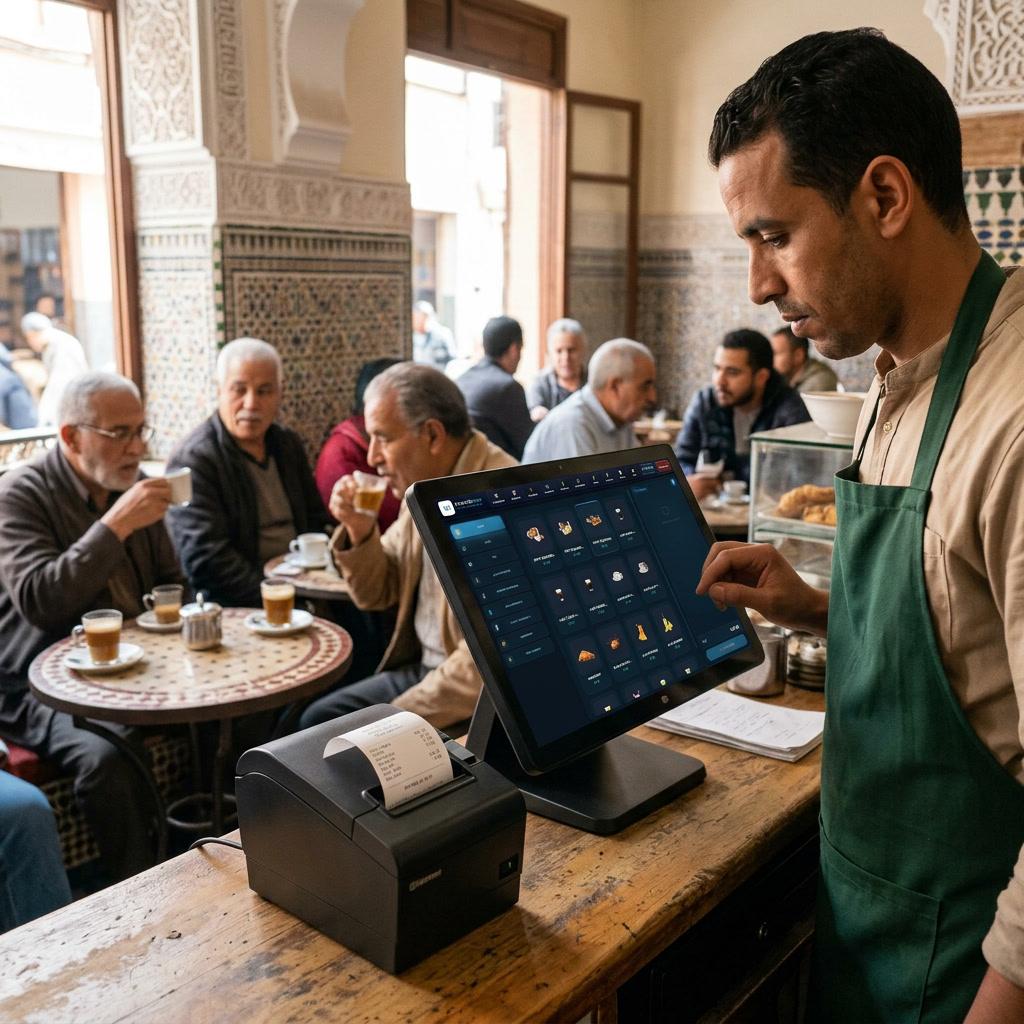
Large retailers will adopt digital payments because customers expect it and because the systems fit their scale. The real battleground is the small merchant. That is why the government’s plan for an acquisition support fund matters. A small shop may need more than a lower fee. It may need a terminal, training, onboarding, after-sales support, better connectivity and reassurance that payments will settle reliably.
Digital adoption fails when policymakers assume the merchant only needs a rule change. In reality, the merchant needs a working system. If the device is difficult, the settlement is slow, the bank support is weak or the fees are unclear, cash wins again.
Consumers Must Not Pay The Hidden Bill
The regulation also raises another important issue: merchants cannot legally pass these charges directly to consumers. That principle is important because digital payments lose trust if customers feel punished for using a card. If a shop adds an extra fee at the counter, the consumer learns quickly that cash is cheaper and the digital transition slows down.
For electronic payments to scale, both sides of the transaction must feel protected. The merchant needs a fair cost. The consumer needs a clean price. Without that balance, the reform risks becoming a rule on paper rather than a habit in the street.
Digital Payments Are Also A Tourism Tool

This reform is not only domestic policy. It is part of Morocco’s tourism readiness. Visitors expect to pay easily. They do not want to carry cash for every taxi, snack, coffee, museum ticket, small shop or local experience. A tourist economy that still relies too heavily on cash creates friction, especially for travellers coming from markets where contactless payments have become normal.
That matters before 2030. Morocco is preparing for a much larger global audience as it builds toward co-hosting the World Cup with Spain and Portugal. Stadiums, airports and hotels will attract attention, but the visitor experience will also be shaped by small transactions. A country feels modern when payments are easy everywhere, not only inside luxury hotels.
The Formalisation Effect Could Be Bigger Than The Fee Cut
The most important long-term impact may be formalisation. When more merchants accept electronic payments, more transactions become visible. That can help businesses build records, qualify for credit, manage inventory and participate more fully in the formal economy.
This is sensitive. Many small merchants fear that digital payments will expose them to tax pressure or bureaucracy before they receive any benefit. That fear cannot be ignored. A payment reform that feels like surveillance will face resistance. The policy challenge is to make formalisation feel like a path to growth, not only a path to inspection. If merchants believe digital payments help them access financing, customers and operational tools, adoption becomes more realistic.
Banks Must Also Change Their Behaviour
The reform should not be read only as a message to merchants. It is also a message to banks and payment providers. For years, financial institutions have spoken about inclusion, fintech and digitalisation. But inclusion is not achieved by offering products that small merchants find expensive, confusing or badly supported.
If Morocco wants a payment leap, banks must compete on simplicity. Transparent pricing. Fast onboarding. Reliable settlement. Low-cost devices. Good support. Clear dispute handling. These details decide whether a merchant keeps using the system after the first month.
The Mobile Payment Opportunity Remains Underused
Morocco has already built elements of a mobile payment ecosystem, including QR-based solutions and payment institutions. Yet adoption has often moved more slowly than ambition. That gap is familiar in many markets. The technology exists before the habit does.
For mobile payments to work at scale, customers must see merchants accepting them, merchants must see customers using them, and both sides must trust that the transaction will be fast and safe. This is why fee caps, support funds and awareness campaigns must work together. No single measure creates a payment culture by itself.
The Informal Economy Will Not Disappear Overnight
The reform should not be oversold. A fee cap will not instantly transform Morocco’s cash economy. It will not make every small merchant digital. It will not remove the cultural comfort of cash from daily transactions. But it can change the direction of travel.
Payment habits shift gradually. First in supermarkets and large chains, then in cafes and services, then in smaller shops, then in informal-adjacent businesses where customers begin to expect a digital option. The important thing is not whether cash disappears. It will not. The important thing is whether digital payments become normal enough to sit beside it.
The 2030 Economy Needs Cleaner Transactions
Morocco’s 2030 project is often discussed through stadiums, rail, airports and tourism capacity. But the payment system is part of the same project. A modern host economy needs clean transactions at scale. Visitors, residents and small businesses should be able to pay quickly, safely and transparently.
The more digital the payment layer becomes, the easier it is to measure spending, improve services and connect small merchants to formal financial tools. In that sense, a payment cap can look small but carry wider significance. It is a micro-reform inside a macro-transition.
The Risk Is Implementation
The risk is not the idea. The risk is implementation. If merchants do not understand the pricing, they will hesitate. If banks add other costs around the capped fee, trust will weaken. If the support fund is slow or bureaucratic, small businesses may ignore it. If customers keep facing informal surcharges, digital payments will remain uneven.
The reform must therefore be monitored in the real world, not only announced in policy language. The true test is not whether Morocco can cap a fee. It is whether a small merchant in Casablanca, Fes, Agadir, Tangier, Rabat or a smaller town feels that accepting digital payments is finally worth it.
The Bottom Line
Morocco’s payment reform is a digital leap only if it reaches the counter of the small merchant. Lower transaction costs, capped commissions and support for electronic-payment adoption can help local shops move beyond a cash-only model, but the success of the policy will depend on trust, simplicity and execution.
The opportunity is clear: more formal transactions, better tourist convenience, stronger financial inclusion and a payment system that fits Morocco’s 2030 ambitions. The warning is just as clear. If the reform remains a banking adjustment without practical support on the street, cash will keep winning.