

The World Cup is supposed to be about goals.
But sometimes the sky steals the show.
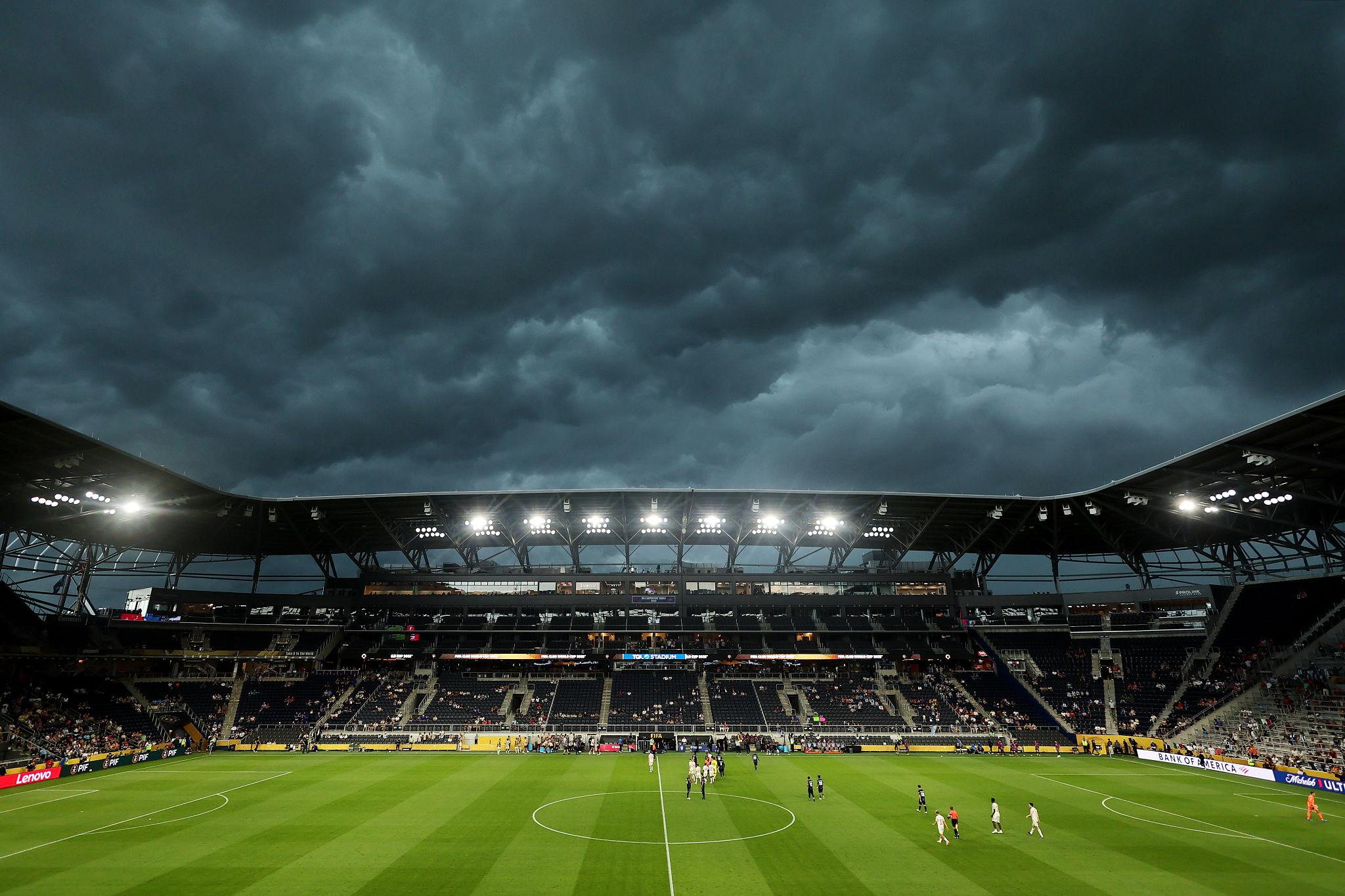
The France vs Iraq match at the 2026 FIFA World Cup became one of the tournament’s most talked-about moments after severe thunderstorms and lightning in Philadelphia forced a long weather delay.
The game stopped at halftime.
Fans waited.
Players disappeared inside.
Social media exploded.
And suddenly, a football match became a storm story.
The Match That The Weather Interrupted
France were leading 1-0 at halftime after Kylian Mbappé scored in the 14th minute.
Then the weather took over.
The second half was delayed because of thunderstorms and lightning near the stadium.
Reports said the interruption lasted nearly two hours before play resumed.
For fans in the stadium and viewers watching around the world, it was strange television.
The match paused.
The drama continued.
But the ball was not moving.
Why It Went Viral
Football fans love the unexpected.
A red card.
A missed penalty.
A fight in the tunnel.
A wild celebration.
A referee mistake.
And now: a storm delay.
The France-Iraq stoppage went viral because it broke the normal rhythm of a World Cup night.
People expected football.
They got lightning protocols, waiting fans, weather maps, empty pitch shots and speculation about when the match would restart.
That is perfect social media material.
The Stadium Became Part Of The Show
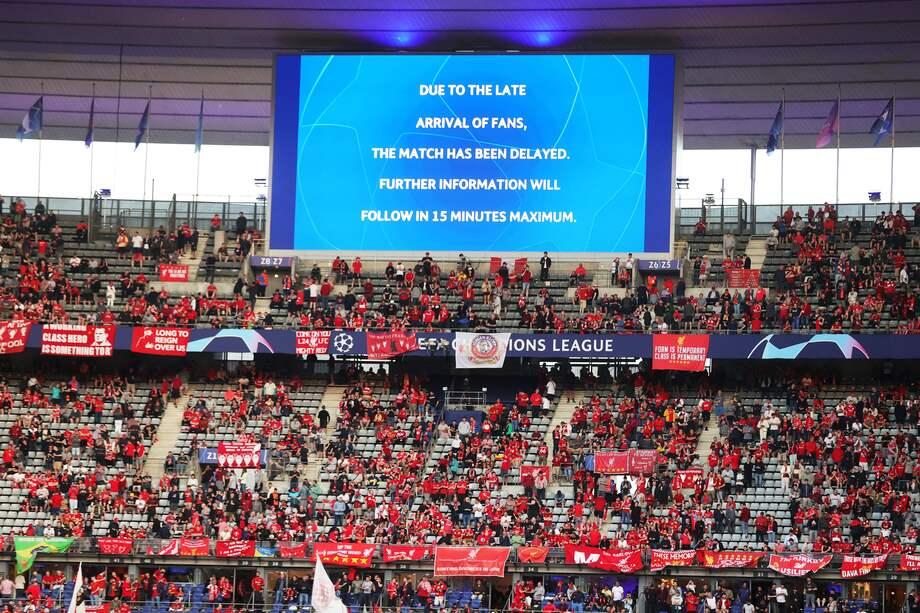
The match was played in Philadelphia, at a major American football venue adapted for the World Cup.
But during the delay, the stadium itself became the story.
Fans waited under shelter.
Cameras showed the atmosphere.
Commentators had to fill time.
Updates came in slowly.
Everyone watched the sky.
A stadium is usually the container for entertainment.
For nearly two hours, it became the entertainment.
Lightning Changes Everything
A rain delay is one thing.
Lightning is another.
In the United States, strict safety protocols apply when lightning is detected near a stadium.
Reuters reported that if lightning is detected within eight miles of a venue, the match must be suspended, with a 30-minute wait required after the last strike before play can resume.
Each new lightning strike can reset the clock.
That explains why delays can become long very quickly.
Football can wait.
Safety cannot.
Fans Got A Different Kind Of Drama
A weather delay creates a strange mood.
At first, there is confusion.
Then jokes.
Then frustration.
Then speculation.
Will the match restart?
Will it be abandoned?
Will the players stay warm?
Will one team lose momentum?
Will fans get restless?
That uncertainty is why the moment spread so quickly online.
People were not only watching a game.
They were watching a situation.
Mbappé Was Already The Headline
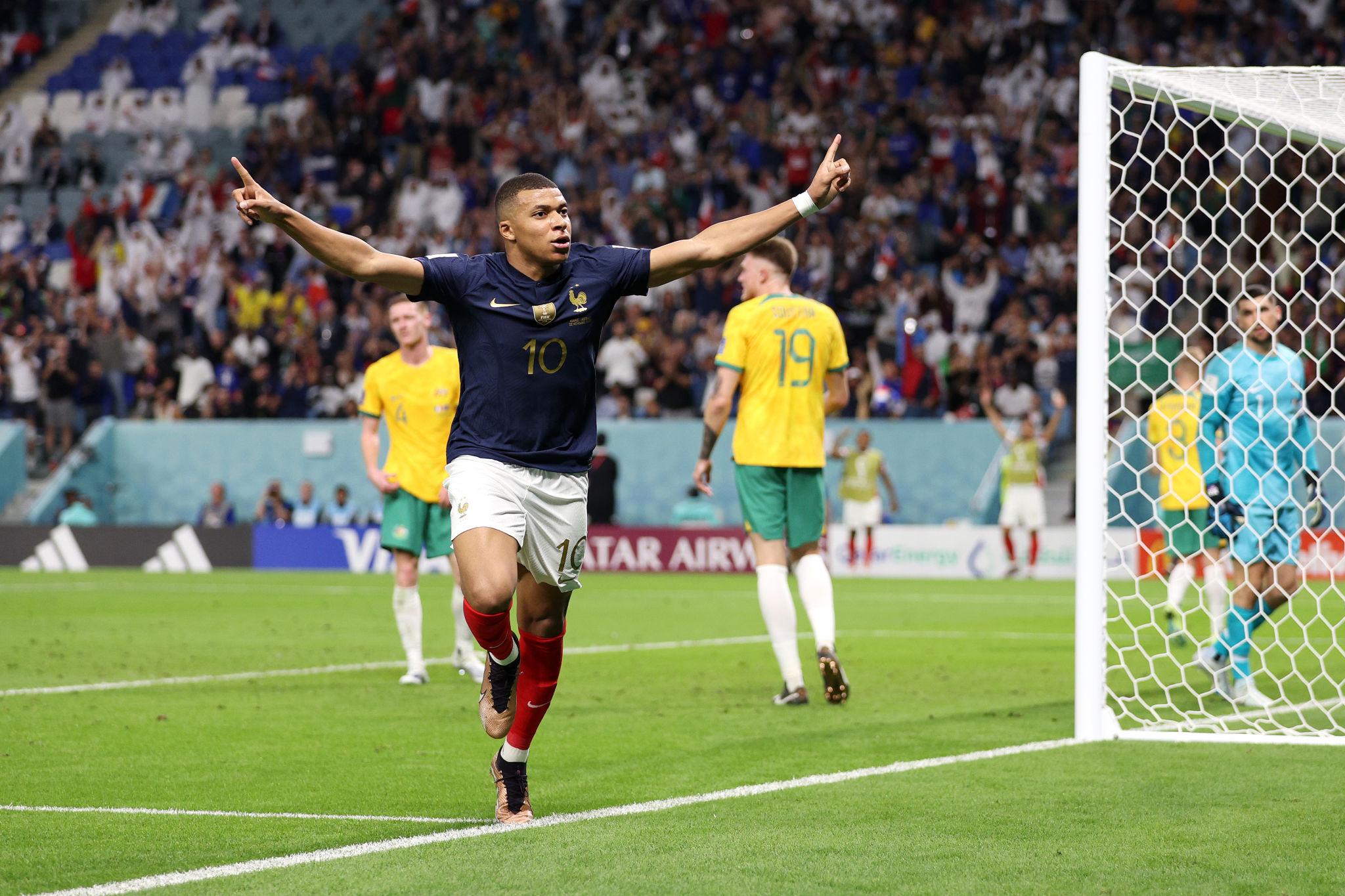
Before the storm, Kylian Mbappé had already given France the lead.
That made the delay even more interesting.
France were ahead.
Iraq still had a chance.
The second half was supposed to decide whether Iraq could fight back or France would take control.
Instead, the pause created a new question.
Would the delay help the chasing team or break the rhythm of the leaders?
Weather can change a match without touching the ball.
The Players Had To Restart Mentally
For players, a long delay is difficult.
The body cools down.
Focus drops.
Adrenaline changes.
Coaches have to keep the group calm.
Medical teams manage warm-ups.
Players must avoid injury when the game restarts.
A normal halftime is short and controlled.
A two-hour weather break is not normal.
It turns the match into two different events.
First half.
Storm break.
Second half.
That is mentally demanding.
France Still Finished The Job
When play finally resumed, France did not lose control.
They went on to beat Iraq 3-0.
Mbappé scored again, and Ousmane Dembélé also found the net.
That helped France turn a strange night into a strong result.
But the scoreline was not the only story.
The delay became part of the match’s identity.
People will not remember only France 3-0 Iraq.
They will remember the storm game.
The First Weather Delay Of The Tournament
Reuters described the incident as the first weather-related delay of the tournament.
That makes it even more memorable.
Every World Cup has its own weird moments.
A strange VAR check.
A broken goal net.
A fan invasion.
A waterlogged pitch.
A bizarre celebration.
For 2026, this storm delay now joins the list.
It became one of those unexpected moments that give a tournament character.
The 2026 World Cup Has A Weather Question
The 2026 World Cup is spread across the United States, Canada and Mexico.
That means many cities, climates and stadium conditions.
Heat, storms, humidity, travel and different time zones are all part of the event.
Philadelphia’s storm delay is a reminder that hosting a huge tournament across a massive region brings weather variables.
The World Cup is global.
But the weather is always local.
Broadcasters Had To Improvise
For television, a long weather delay is both a problem and an opportunity.
Producers need filler.
Commentators need talking points.
Analysts need to explain rules.
Cameras need to find images.
Social teams need updates.
Fans at home need reassurance.
When nothing is happening on the pitch, the broadcast still has to keep people watching.
That can be difficult.
But if handled well, the delay becomes part of the drama.
Social Media Did The Rest
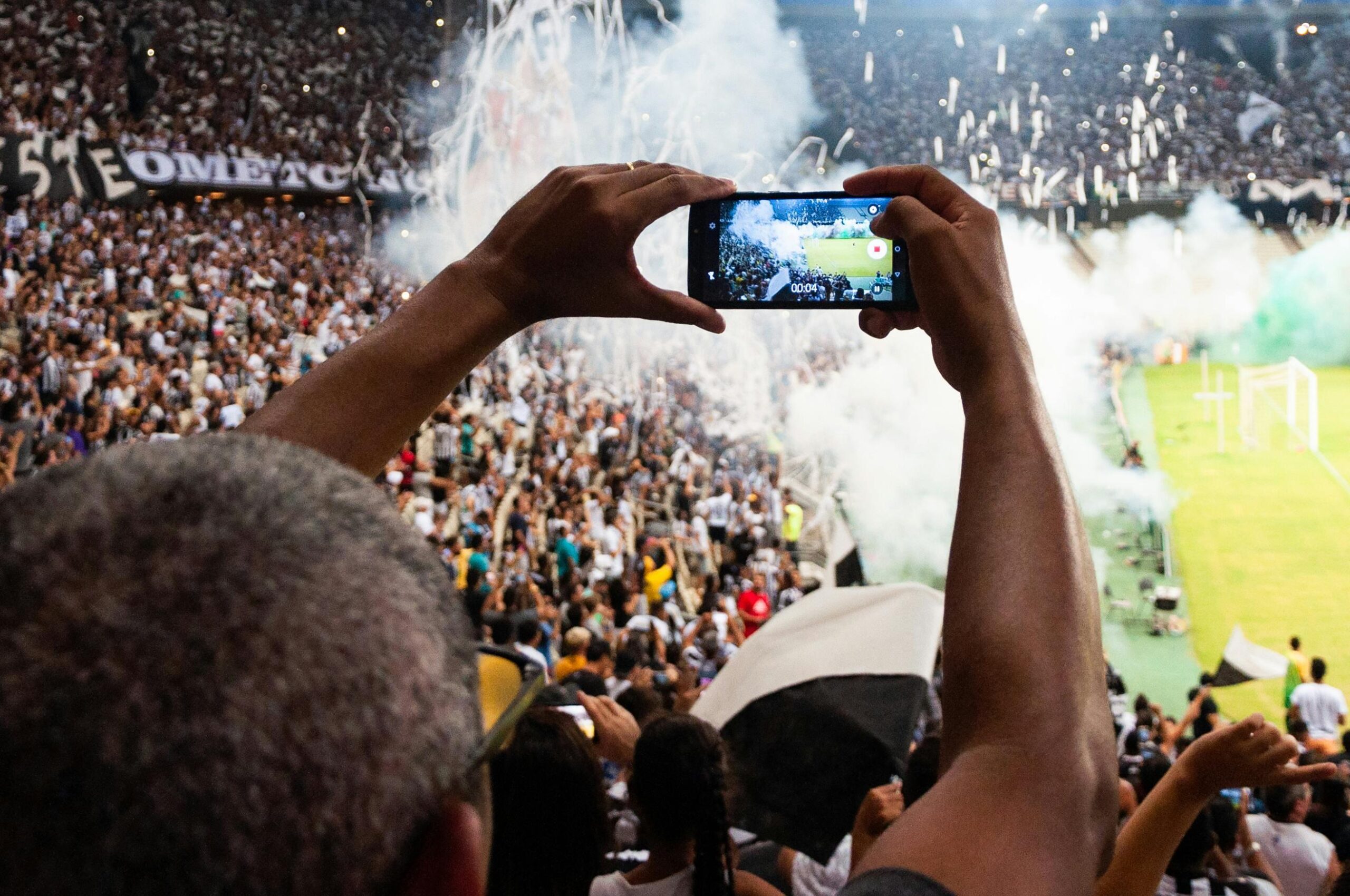
The internet loves pauses because pauses create jokes.
Fans posted memes.
Some complained.
Some asked about rules.
Some joked about the storm saving Iraq.
Some wondered whether the match would finish.
Some simply shared dramatic images of the weather.
That is how a delay becomes entertainment.
Football social media does not need 90 minutes of action.
Sometimes it needs one strange interruption.
Why This Belongs In Entertainment
This is technically a sports story.
But the reason it went viral is entertainment.
It had suspense.
Uncertainty.
Visual drama.
A superstar goal.
A huge stadium.
A long wait.
Fans reacting in real time.
A restart.
A final result.
It became a live show with an unscripted twist.
That is exactly how modern entertainment works.
The unexpected moment becomes the content.
Fans Will Watch Weather Differently Now
After this, fans may look at forecasts differently.
A World Cup matchday is no longer only about lineups and injuries.
It may also be about thunderstorms, heat warnings and stadium protocols.
People will ask new questions.
Is there lightning risk?
Is the stadium covered?
Could the match be delayed?
What happens if it cannot restart?
That changes how fans experience a tournament.
The weather becomes part of the preview.
It Also Shows Organiser Pressure
For FIFA and local organisers, the incident shows the importance of safety planning.
A weather delay can frustrate fans.
But ignoring lightning risk would be far worse.
Organisers must manage stadium communication, player safety, broadcast timing, transport, security and crowd patience.
A storm delay tests more than teams.
It tests the event machine.
On this night, the match resumed and finished.
That is the result organisers wanted.
The Final Whistle
The France vs Iraq storm delay became the latest viral moment of the 2026 FIFA World Cup because it turned a football match into an unscripted drama.
France led 1-0 at halftime through Kylian Mbappé.
Then thunderstorms and lightning in Philadelphia delayed the second half for nearly two hours.
The match eventually resumed, France won 3-0, and the tournament moved on.
But fans will remember the pause.
The waiting.
The storm.
The memes.
And the night the weather became part of the World Cup show.
 Martino Oosterveer, Contributing Editor