

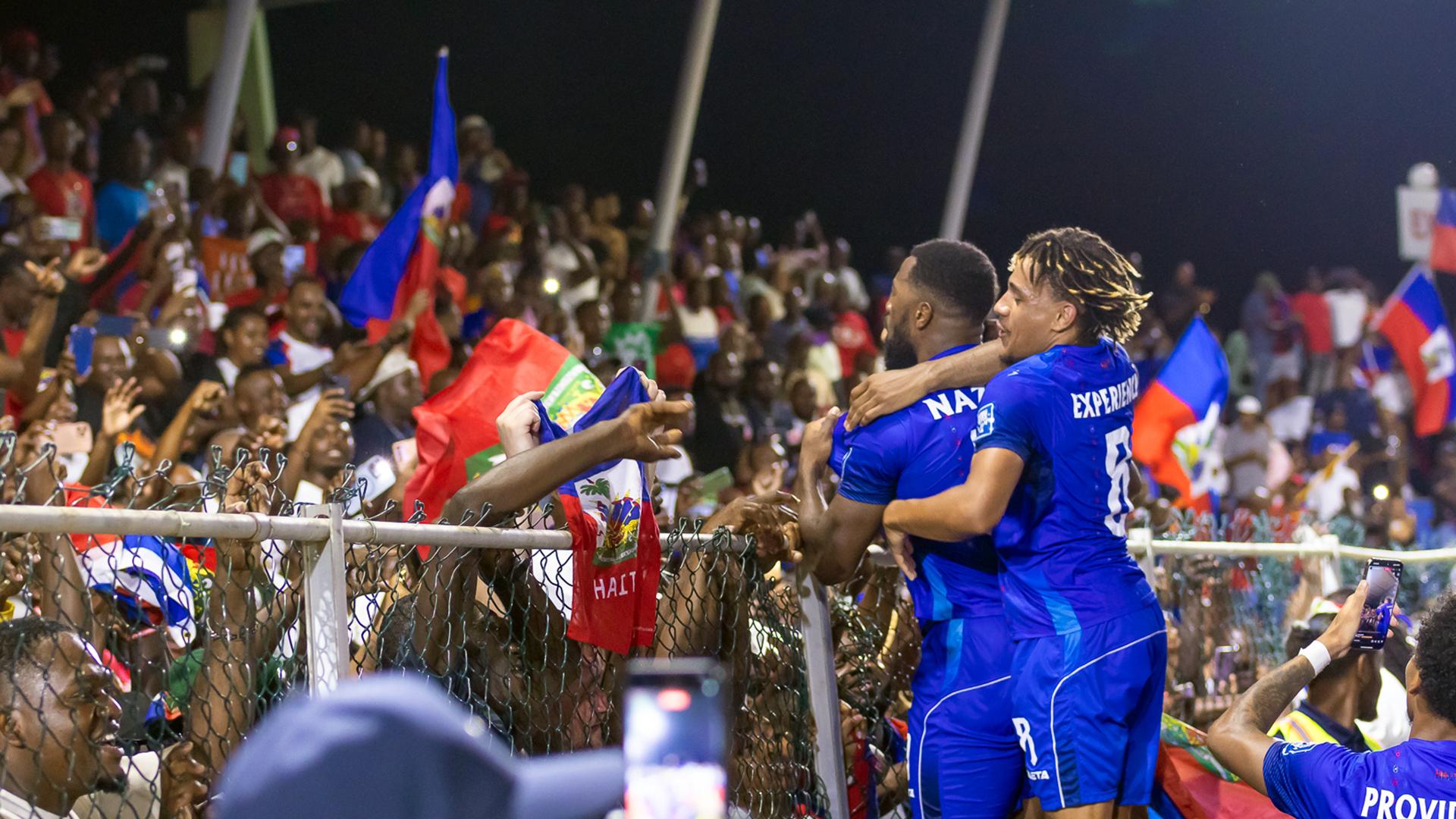
Haiti lost the match.
But they did not lose the story.
The Caribbean side bowed out of the 2026 FIFA World Cup after a dramatic 4-2 defeat to Morocco in Atlanta, ending their group stage with three losses.
On paper, that looks painful.
On the pitch, it looked different.
Haiti led Morocco twice.
They scored two World Cup goals.
They pushed a 2022 semi-finalist into panic.
And they left with pride.
A Defeat That Felt Bigger Than The Score
Football is cruel because the table only remembers results.
Haiti lost to Scotland.
They lost to Brazil.
They lost to Morocco.
Three matches.
Three defeats.
Elimination.
But the World Cup is also about moments.
And Haiti’s final match gave them moments the country will remember.
They scored.
They fought.
They believed.
They made Morocco work for everything.
That matters.
Haiti Shocked Morocco Early
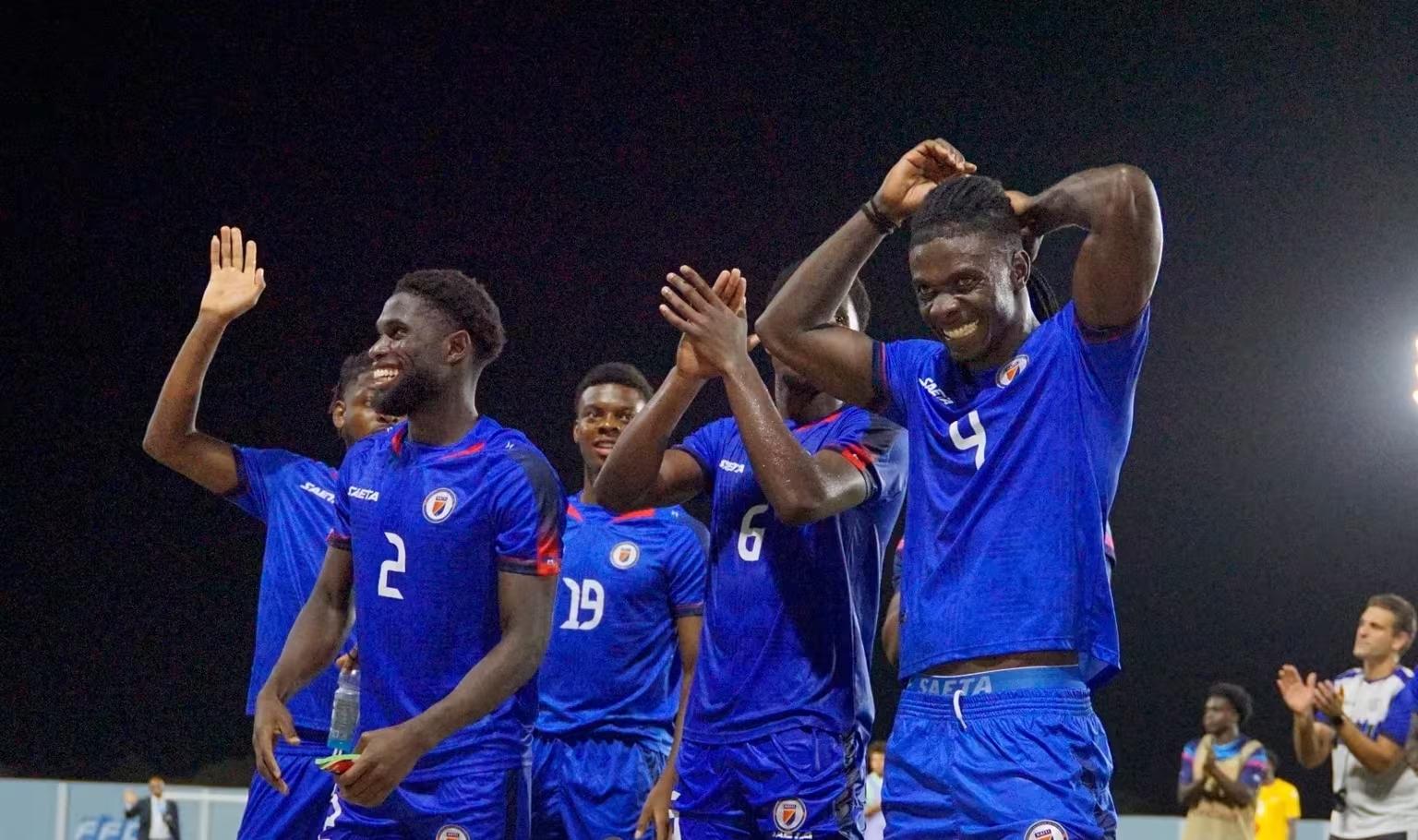
The first major moment came after only 10 minutes.
Haiti forced the pressure, and Morocco goalkeeper Yassine Bounou was credited with an own goal.
Suddenly, Haiti were ahead.
The Atlas Lions looked shaken.
Moroccan fans were nervous.
Haitian fans had something to scream about.
For a team already eliminated, that early lead was a huge emotional punch.
It said Haiti were not here to disappear quietly.
Then Came Wilson Isidor’s Strike
Morocco equalised through Achraf Hakimi.
But Haiti were not finished.
In the 43rd minute, Wilson Isidor scored a brilliant goal to put Haiti back in front.
That moment was special.
A World Cup goal.
Against Morocco.
In front of thousands.
With the whole world watching.
For Haiti, it was more than a scoreline.
It was proof that they could hurt a serious team on the biggest stage.
Two Leads Against Morocco
This is the part that gives Haiti pride.
They led Morocco once.
Then they led Morocco again.
Morocco are not a small football nation anymore.
They reached the 2022 World Cup semi-finals.
They drew with Brazil in this tournament.
They beat Scotland.
They have stars playing at major clubs.
Yet Haiti made them suffer.
That is why the defeat still became a pride story.
Haiti did not just participate.
They competed.
The Return After 52 Years
Haiti’s presence at this World Cup already carried history.
This was their first World Cup appearance in 52 years.
That kind of wait changes everything.
For players, it was a lifetime dream.
For older fans, it was a return to memories.
For younger fans, it was something they had never seen before.
For the diaspora, it was a chance to wear the flag on the global stage.
Even before the first whistle, Haiti’s tournament meant something.
The Diaspora Made It Loud
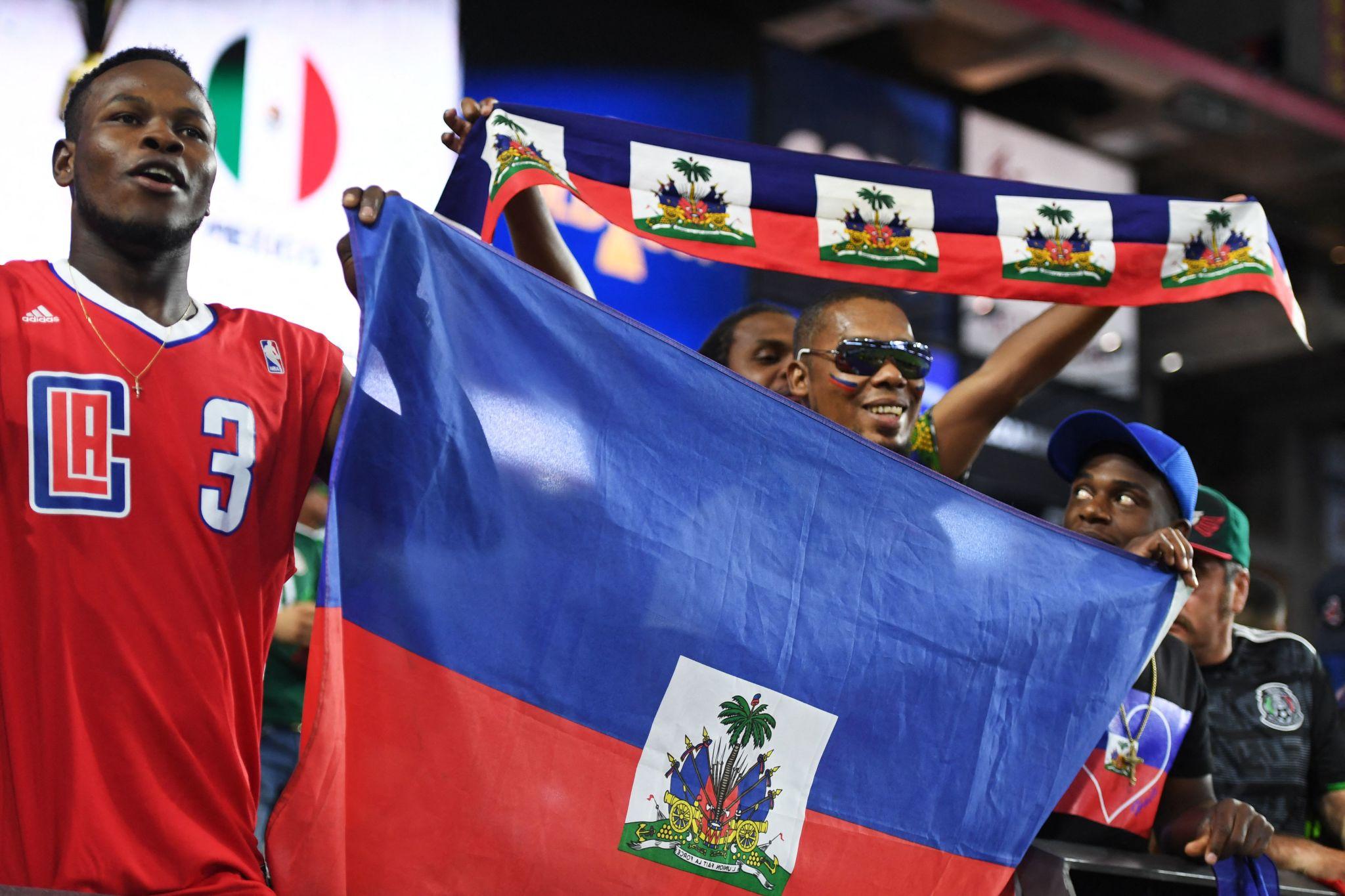
Haiti’s fans were not only in Haiti.
They were across the United States.
In Boston.
In Atlanta.
In New York.
In Miami.
In Montreal.
In Paris.
In communities across the world.
The 2026 World Cup in North America gave Haitian supporters a chance to show up in numbers.
Flags, drums, shirts and songs followed the team.
For many diaspora fans, this tournament was not only football.
It was identity.
Johny Placide’s Emotional Goodbye
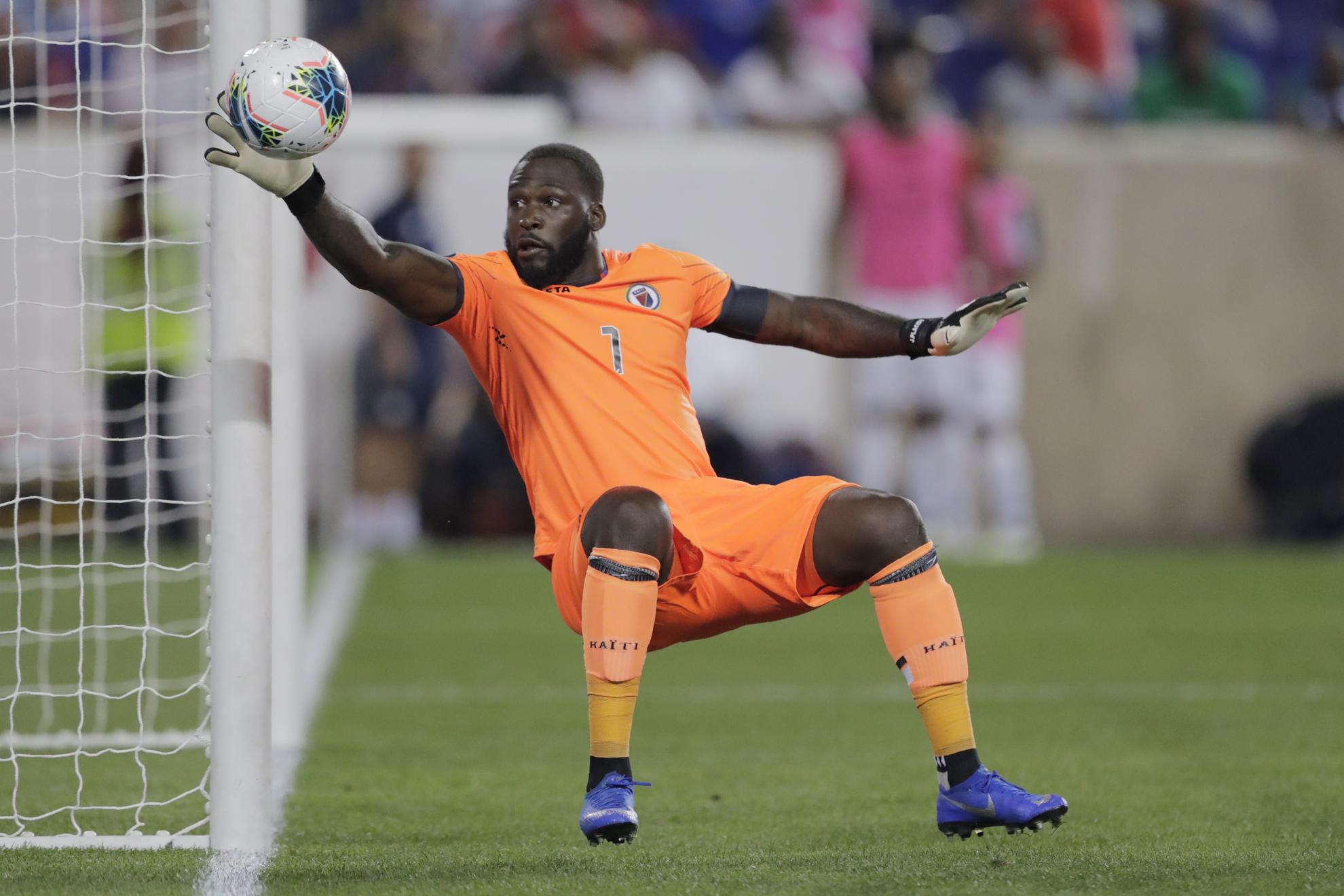
Veteran goalkeeper Johny Placide became one of Haiti’s emotional faces.
He made important saves against Morocco and played his final international match.
A final World Cup game.
A final national-team night.
A final chance to wear the captain’s responsibility.
That kind of farewell matters.
Not every football story ends with a trophy.
Some end with respect.
Placide left with that.
Haiti’s Coach Was Proud
Haiti coach Sebastien Migne expressed pride in his team after the match.
That reaction made sense.
His players had taken heavy pressure from stronger opponents, but they did not collapse emotionally.
They kept fighting.
They kept attacking.
They kept believing they belonged.
For a team that had waited more than five decades to return, pride was not a consolation prize.
It was part of the mission.
The Score Does Not Tell The Whole Story
A 4-2 defeat sounds clear.
Morocco scored four.
Haiti scored two.
Morocco went through.
Haiti went home.
But anyone who watched the match knows the scoreline does not tell the whole story.
Haiti made the first half wild.
They created panic.
They forced Morocco into a comeback.
They made neutral fans pay attention.
That is what smaller teams dream of at the World Cup.
To be seen.
A Bigger Message For Small Nations
Haiti’s tournament also sends a message to smaller football nations.
Expansion gives more countries a chance.
But some critics say the bigger World Cup may include teams that are not ready.
Haiti answered that on the pitch.
They may not have won a match.
But they showed they belonged.
They scored.
They pushed elite opponents.
They gave fans a reason to believe.
That is exactly what a global World Cup should do.
The First Goal Changed Everything
For countries that rarely reach the World Cup, one goal can mean more than people understand.
A goal gives fans a memory.
A goal gives children a clip to watch.
A goal gives players proof.
A goal tells the world: we were here.
Haiti scored twice against Morocco.
That is a major football memory.
The result hurt.
But the goals will live.
Morocco Had To Respect Them
Morocco could not walk through Haiti.
They had to fight.
They had to equalise twice.
They had to wait until the 78th minute to lead for the first time.
They needed late goals from Soufiane Rahimi and Yassine Gessime to finish the job.
That tells you something.
Haiti may have finished bottom of the group.
But they left Morocco sweating.
That is respect earned the hard way.
The Human Story Was Bigger Than The Table
Haiti’s national team has carried more than football.
The country has faced deep instability, violence and hardship, and the team’s World Cup journey happened against a difficult national backdrop.
That made every Haitian goal feel heavier.
Every flag mattered more.
Every fan celebration carried emotion beyond sport.
Football cannot solve a country’s problems.
But it can give people a moment of pride.
Haiti gave its people that.
Players Vowed To Return
After the tournament, Haiti’s message was not only goodbye.
It was see you again.
Players and staff spoke about proving they belong and wanting to return to the World Cup stage.
That is the right attitude.
A first return after 52 years should not be the end.
It should be the beginning of a new target.
Haiti now have something to build on.
World Cups Need Stories Like This
The World Cup is not only about champions.
It is also about countries that fight for one unforgettable moment.
A first goal.
A brave performance.
A goalkeeper’s farewell.
A fanbase that refuses to stop singing.
A team that loses but earns applause.
That is why Haiti’s story matters.
Without stories like this, the World Cup would be poorer.
Not every team can lift the trophy.
But many can lift hearts.
The Final Whistle
Haiti’s 4-2 defeat to Morocco still became a World Cup pride story because the team gave everything.
They led twice.
They scored two goals.
They pushed a powerful Moroccan side deep into the match.
They gave their fans emotion after a 52-year wait to return to the tournament.
And even after three defeats, they left with their heads high.
Morocco moved on to the Last 32.
Haiti went home.
But Haiti also left a message.
They belonged on this stage.
And they want to come back.
 Jamal Mahdad, Founder & Editor-in-Chief
  Martino Oosterveer, Contributing Editor