

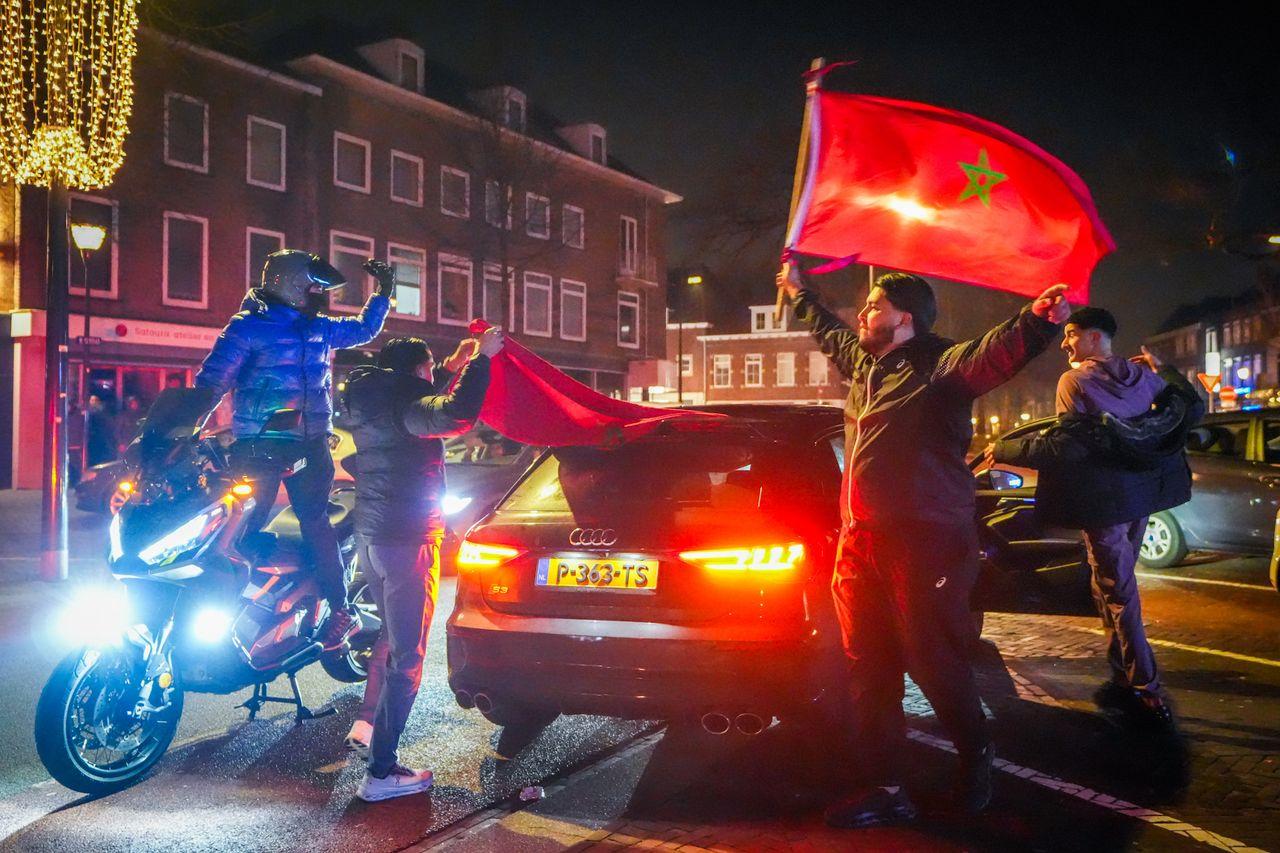
Morocco vs Netherlands is not only a World Cup knockout match.
It is a family story.
The Round of 32 clash in Monterrey brings together two football nations with very different histories, but it also touches one of Europe’s most visible diaspora connections: the Moroccan community in the Netherlands.
For some fans, the match is simple.
Morocco or the Netherlands.
For many Dutch-Moroccan families, it is more complicated.
It is the country of roots against the country of daily life.
The Fixture Is Confirmed
The Netherlands reached the knockout stage as Group F winners after beating Tunisia 3-1, finishing with seven points and setting up a Round of 32 match against Morocco in Monterrey.
Morocco advanced as Group C runner-up after beating Haiti 4-2 in a dramatic comeback, also finishing with seven points but behind Brazil on goal difference.
That created one of the most emotionally charged ties of the tournament.
On paper, it is a football bracket.
In real life, it is a diaspora moment.
Why The Match Carries Extra Weight
The Netherlands is home to a large Moroccan-origin community, built over decades of migration, family settlement, work, education and cultural life.
Moroccan names, businesses, cafés, mosques, football clubs and families are part of the urban fabric in Dutch cities.
That makes this match different.
It is not a distant fixture between two unfamiliar countries.
It is a match that will be watched in homes where both flags may mean something.
The emotional question is not only who wins.
It is what people feel when both sides matter.
Amsterdam, Rotterdam And The Split Heart
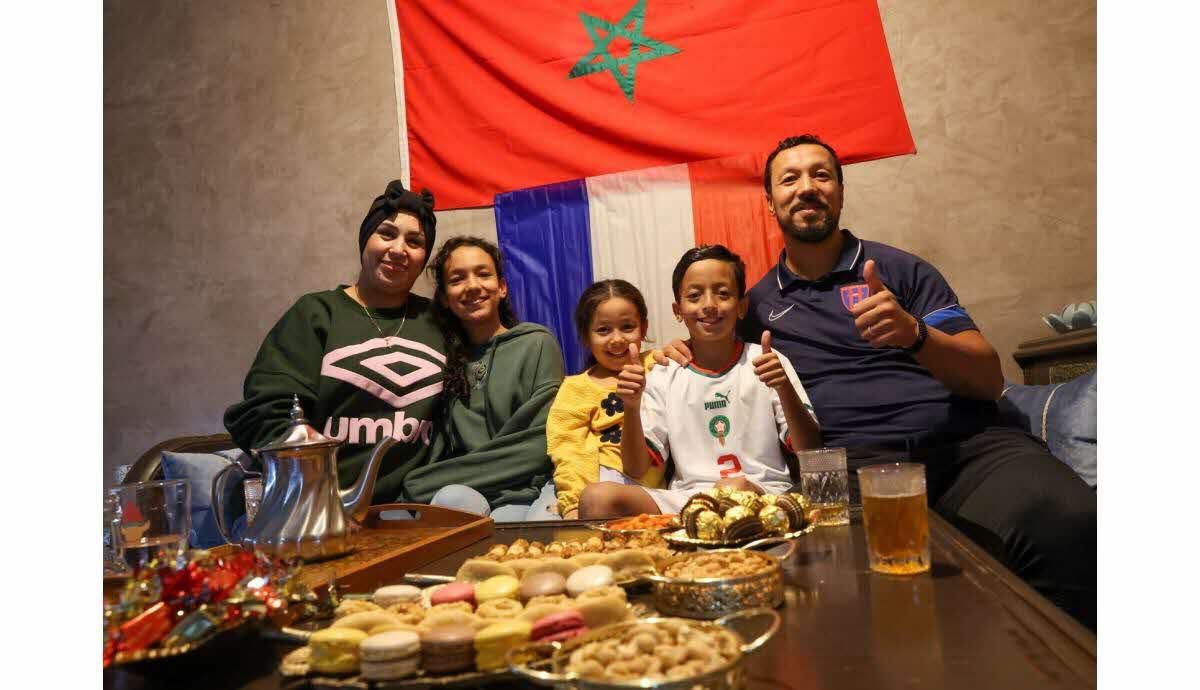
In Amsterdam and Rotterdam, the match will not feel abstract.
These are cities where Dutch-Moroccan identity is part of daily life.
The same family may have grandparents born in Morocco, parents raised in the Netherlands and children who speak Dutch at school and Moroccan Arabic at home.
Football compresses that whole identity into 90 minutes.
A Morocco goal may feel like heritage.
A Dutch goal may feel like home.
That is why the phrase “split heart” fits this match so well.
A World Cup Mirror
World Cups often show more than sport.
They show migration.
Language.
Belonging.
Memory.
Generational change.
Morocco vs Netherlands reflects all of that.
For first-generation Moroccans, the Atlas Lions may represent the homeland left behind.
For second- and third-generation Dutch-Moroccans, the match may represent a more complex identity: Moroccan by roots, Dutch by upbringing, global by culture.
The match becomes a mirror for how modern Europe lives with multiple identities.
No Need For Hostility
The power of this fixture does not come from hatred.
It comes from connection.
Morocco and the Netherlands are not entering this match as enemies. The emotional weight comes from the people who feel linked to both.
That is why the story should be told carefully.
It is not about division.
It is about dual belonging.
Football forces a temporary choice, but identity does not disappear after the final whistle.
Many fans will still love both sides when the match is over.
Morocco’s Rise Changed The Feeling
This tie would not have felt the same 20 years ago.
Morocco’s football image has changed dramatically.
The 2022 World Cup semi-final run transformed the Atlas Lions into a global football force. Morocco beat Spain and Portugal, reached the final four and became the first African team to reach a World Cup semi-final.
That matters now.
The Netherlands are not facing a romantic underdog.
They are facing a team with recent knockout credibility and global respect.
For Dutch-Moroccan fans, that makes the match even more intense.
Morocco are not just participating.
They are capable of winning.
The Dutch Bring Their Own History
The Netherlands also carry a major football story.
Dutch football has produced legendary players, famous teams and several World Cup final appearances, but the trophy has never come home.
That creates pressure every tournament.
The Dutch are expected to play with control, intelligence and ambition.
Against Morocco, they will also know that the match carries emotional importance beyond their own supporters.
This is not just another knockout opponent.
It is a team with deep connections inside Dutch society.
Koeman Knows The Threat
Netherlands coach Ronald Koeman has already shown caution before the Morocco tie.
After the Netherlands topped Group F, Reuters reported that Koeman was taking nothing for granted and warned that Morocco would be a formidable opponent in the Round of 32.
That respect matters.
It shows Morocco are now treated as a serious knockout test, not a lucky qualifier.
The Dutch may have topped their group, but they know the Atlas Lions can make big teams uncomfortable.
That makes the match sportingly serious and emotionally powerful.
The Family Living Room Test
The most human version of the match may happen far from the stadium.
It may happen in living rooms.
A father wearing Morocco red.
A son wearing Dutch orange.
A mother refusing to choose.
A cousin joking in the family WhatsApp group.
A grandfather watching quietly because Morocco still means childhood.
A young fan singing both anthems and feeling strange when the ball starts moving.
These are the scenes that make the match bigger than the bracket.
The stadium is in Monterrey.
The emotion is everywhere.
Cafés Will Become Community Stages
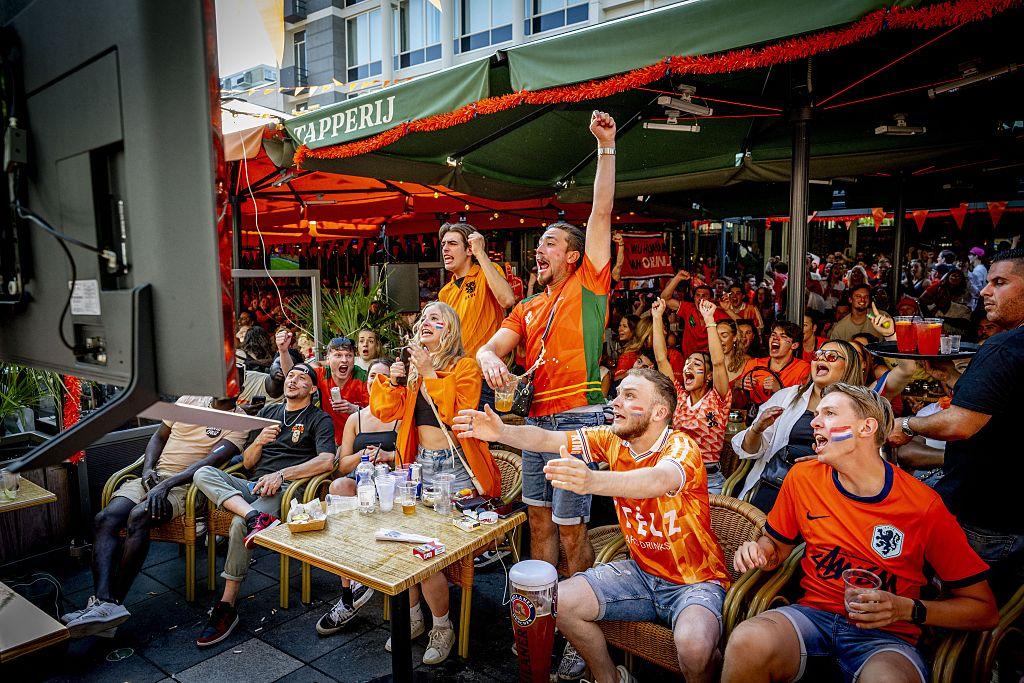
Dutch cafés, Moroccan cafés and mixed neighbourhood venues could become major viewing spaces.
Football matches like this turn local businesses into community stages.
People gather early.
Tables fill.
Tea, coffee, soft drinks and snacks move quickly.
Debates start before kick-off.
Every goal becomes a collective reaction.
For the Moroccan diaspora, cafés often act as public living rooms during major tournaments.
Morocco vs Netherlands will intensify that role.
Social Media Will Split Too
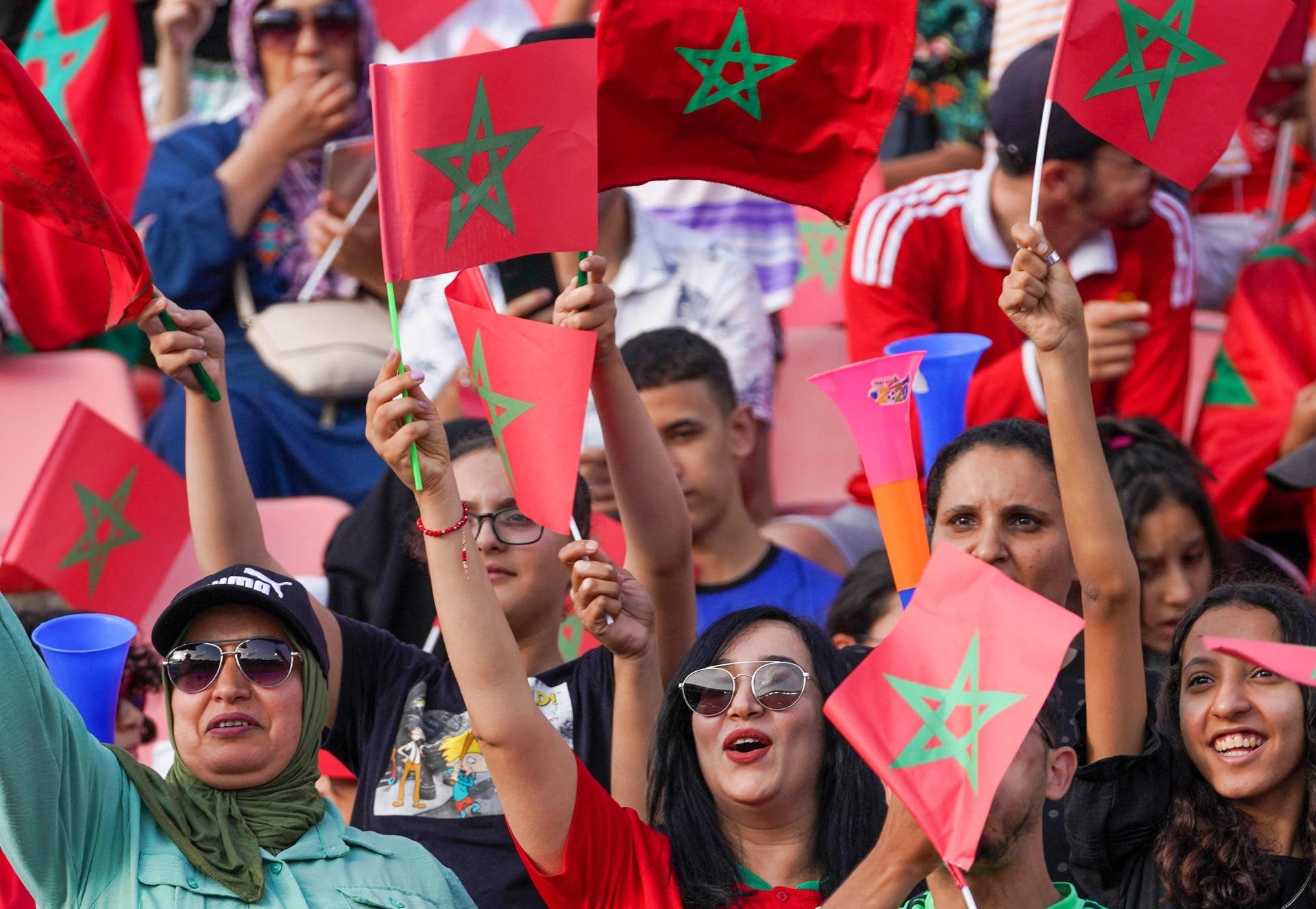
The match will also play out online.
Dutch-Moroccan fans are likely to fill TikTok, Instagram, X and WhatsApp with jokes, memes and split-loyalty posts.
Orange shirts next to Morocco flags.
Family arguments.
Predicted line-ups.
Old photos from Morocco trips.
Street celebrations from 2022.
Screenshots of bracket graphics.
Social media loves identity clashes because they are easy to understand and easy to share.
This match gives the internet a clear emotional hook.
The Diaspora Is Also A Football Pipeline
The connection between Morocco and Europe is not only cultural.
It is also sporting.
Morocco’s modern national team has benefited from players developed across European football systems who choose to represent the country of their family roots.
That has become part of Morocco’s competitive model.
The Netherlands match highlights that wider reality.
Modern national teams are shaped by migration, family history and global football pathways.
Morocco’s strength partly comes from that global Moroccan network.
Why The World Will Watch
This fixture has several layers that make it attractive beyond the two countries.
It is a knockout match.
It features a European football power.
It features Africa’s 2022 semi-finalist.
It has major diaspora meaning.
It has colour, emotion and tactical intrigue.
It creates a simple question with a complicated emotional answer: who do you support when both teams mean something?
That is why the match can travel internationally.
What A Morocco Win Would Mean
If Morocco win, it would strengthen the Atlas Lions’ position as one of the most respected knockout teams of the modern World Cup era.
It would also create huge celebrations across Morocco and diaspora communities in Europe.
In the Netherlands, the reaction would be especially intense.
Dutch-Moroccan fans would feel joy, shock, pride and maybe a little discomfort all at once.
That mix is exactly why the fixture matters.
What A Dutch Win Would Mean
If the Netherlands win, the Dutch move deeper into the tournament and keep alive their long chase for a first World Cup title.
For Dutch-Moroccan fans, it would be a different emotional result.
Some would be disappointed for Morocco but still proud of the Dutch side.
Others would feel the pain of Morocco’s exit more strongly.
The point is that either outcome carries emotion beyond a normal result.
The winner advances.
But the identity story remains.
The Risk Of Over-Politicising It
The match should not be turned into something it is not.
It is not a political conflict.
It is not a loyalty test.
It is not a reason to question anyone’s belonging.
It is football.
But football has the power to reveal identity in public.
That is why the best way to understand the match is through people, not arguments.
Families, fans, cafés and communities will give it meaning.
The Bottom Line
Morocco vs Netherlands is more than a World Cup knockout match because it brings sport, migration and identity into one emotional night.
The Netherlands topped Group F with seven points and now face a Moroccan team that also finished with seven points after a dramatic group-stage campaign.
For neutral fans, it is a high-quality Last-32 tie.
For Dutch-Moroccan families, it is something deeper.
The country of daily life against the country of family roots.
Orange shirts beside Moroccan flags.
A split heart for 90 minutes.
And a World Cup reminder that modern football is never only played on the pitch.
Category: World