

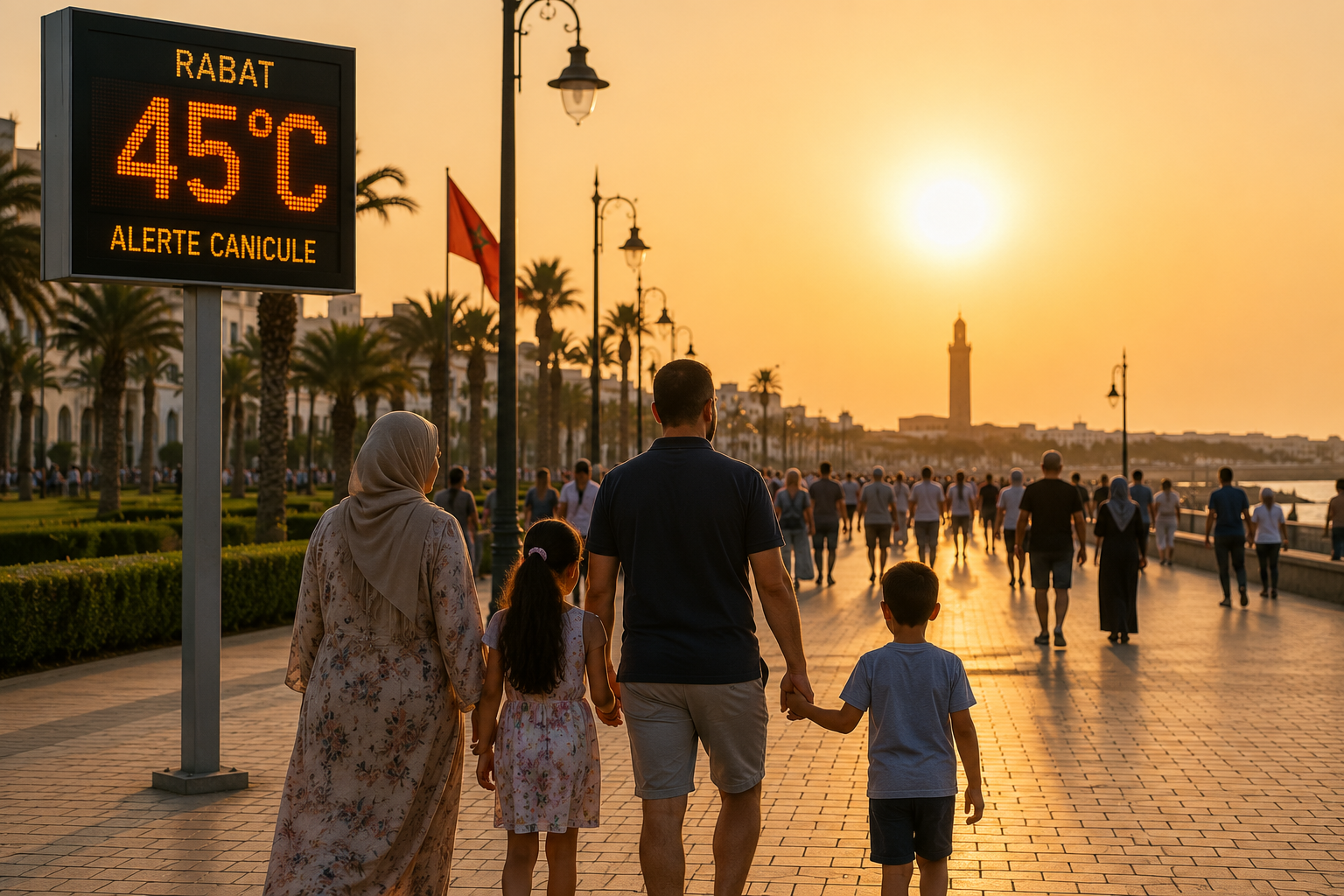
Morocco’s weekend is being reshaped by heat.
With temperatures expected to climb toward 45°C in several provinces, families are being forced to rethink ordinary routines: shopping, travel, children’s outings, sports, beach plans, cooking, sleep and visits to relatives.
The heatwave is not only a weather story.
It is a lifestyle story.
When temperatures reach extreme levels, the normal day changes. Mornings become more important. Afternoons become harder. Evenings become the safest window for movement.
For many households, the weekend now has to be planned around the thermometer.
The Alert
Morocco has faced repeated heat alerts in recent weeks, with temperatures in some areas expected to reach between 40°C and 45°C.
The strongest heat has affected inland, eastern, southern and south-eastern provinces, including areas such as Errachidia, Figuig, Zagora, Tata, Boujdour, Oued Ed-Dahab, Aousserd, Assa-Zag and Es-Smara in recent weather bulletins.
Other inland provinces have also faced high temperatures, often above 39°C.
For families, the exact province matters less than the message: this is not normal summer comfort.
This is heat that changes behaviour.
The Weekend Becomes A Planning Exercise
A normal weekend may mean errands, family visits, shopping, sport, cafés, weddings, beaches or long drives.
A 45°C weekend is different.
Parents need to think about when to leave home.
Drivers need to think about car temperature and road visibility.
Older people need extra checks.
Children need shade, water and shorter outdoor activity.
Families planning travel need to avoid the worst hours of the day.
The weekend is still possible, but it needs more discipline.
Heat turns casual plans into scheduled plans.
Mornings Become The New Prime Time
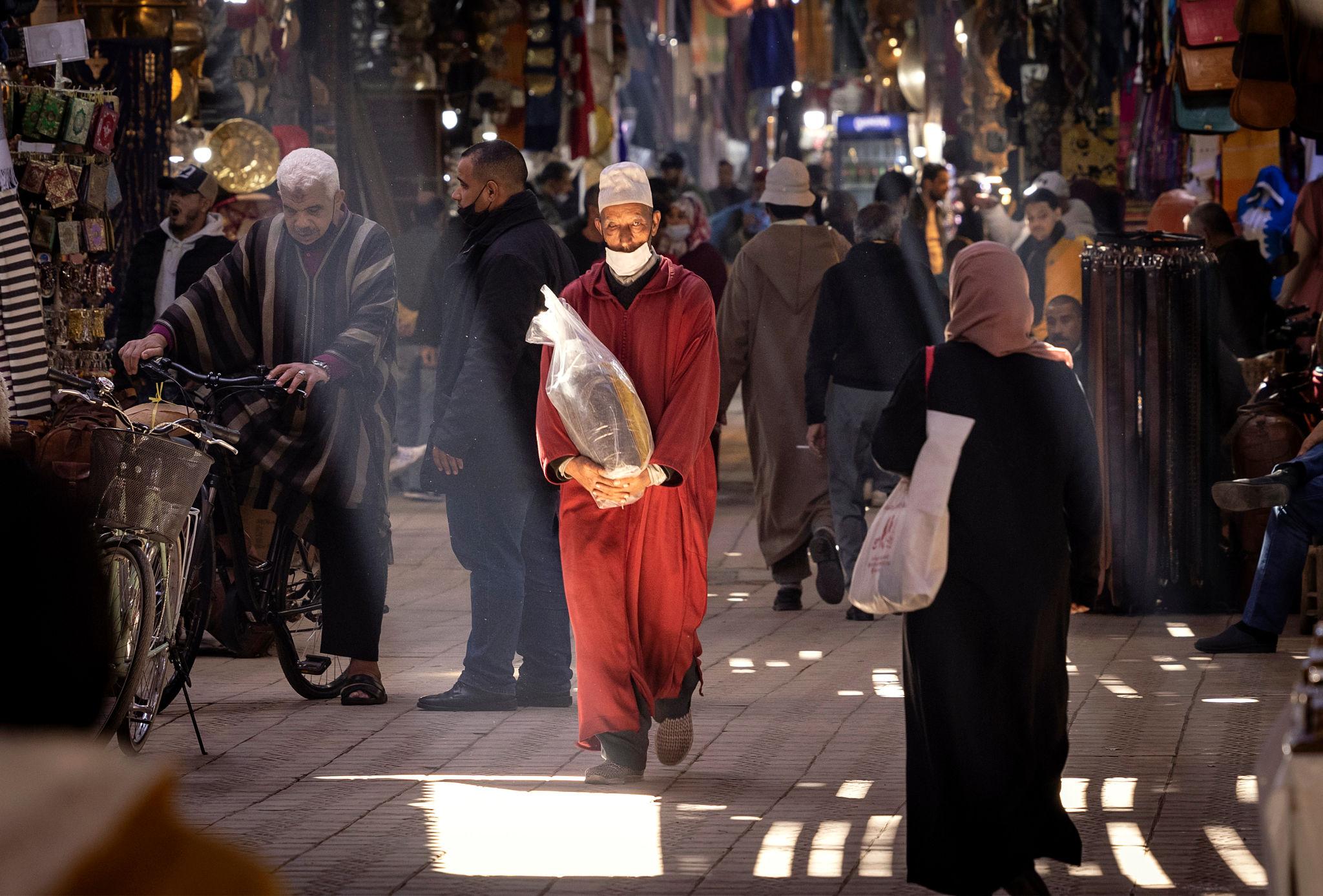
In a heatwave, the best part of the day often comes early.
Shopping is easier before the sun becomes intense.
Markets are more manageable.
Roads feel less punishing.
Children can move more safely.
Households can finish errands before the peak heat arrives.
That changes the rhythm of the weekend.
Instead of slow mornings and busy afternoons, families may shift activity forward.
The earlier the day starts, the better the chance of avoiding the most dangerous heat.
Afternoons Become The Risk Zone
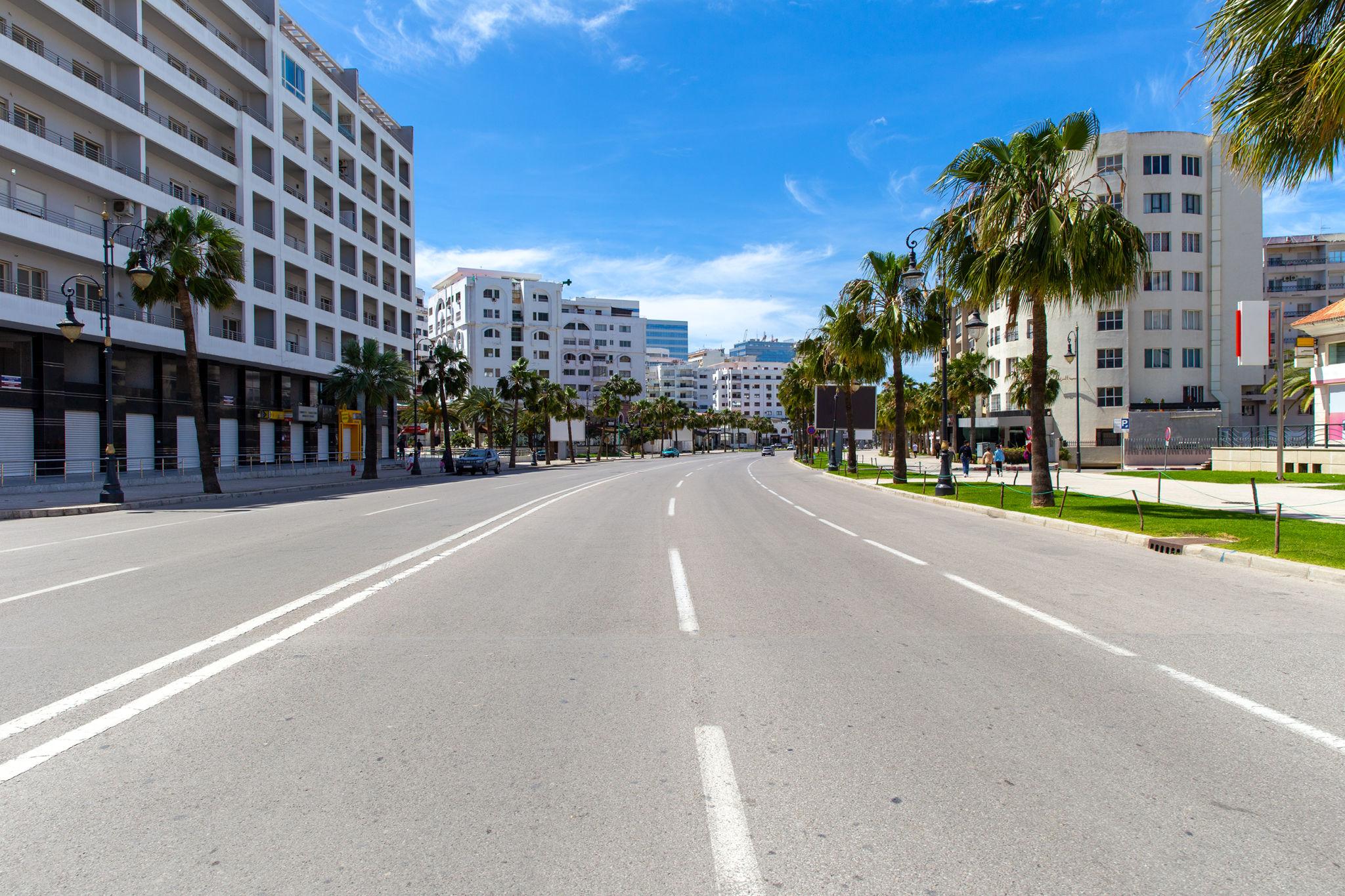
The middle of the day is the hardest period.
Direct sun, hot cars, exposed streets and limited shade can make simple activity feel exhausting.
For children and older adults, the risk is higher.
Long walks, outdoor sport, crowded errands and unnecessary travel become harder to justify.
Families may need to treat afternoon hours as a pause period.
Stay indoors.
Close shutters.
Drink water.
Avoid heavy meals.
Reduce movement.
That is not laziness.
It is heat management.
Children Change The Family Equation
Parents know that children do not always understand heat risk.
They want to play outside.
They ask for walks.
They want beach trips, football, bikes, ice cream and parks.
But extreme heat changes what is safe.
Children can tire quickly, dehydrate faster and become irritable when sleep is disrupted.
For families, the challenge is not only medical.
It is practical.
How do you keep children active without exposing them to dangerous heat?
The answer often becomes shorter outings, shaded spaces, evening walks and more indoor time.
Older Relatives Need More Attention
Heatwaves also change family care.
Older relatives may need more frequent calls or visits.
Do they have water?
Is the room ventilated?
Are shutters closed during the hottest hours?
Are they avoiding unnecessary errands?
Are they taking medication that increases heat sensitivity?
In many Moroccan families, care is informal and constant.
During extreme heat, that responsibility becomes more urgent.
A weekend heatwave can turn a family visit from social habit into safety check.
Cooking Habits Shift
Heat also changes the kitchen.
Heavy cooking during the hottest hours can make homes feel even warmer.
Families may shift toward lighter meals, cold dishes, fruit, salads, yoghurt, water, juices and night-time snacks.
Some may cook early in the morning or later in the evening.
Others may avoid ovens and long boiling times.
This is where lifestyle and food overlap.
Extreme heat does not only change what people do outside.
It changes what happens inside the home.
Evening Life Becomes More Important
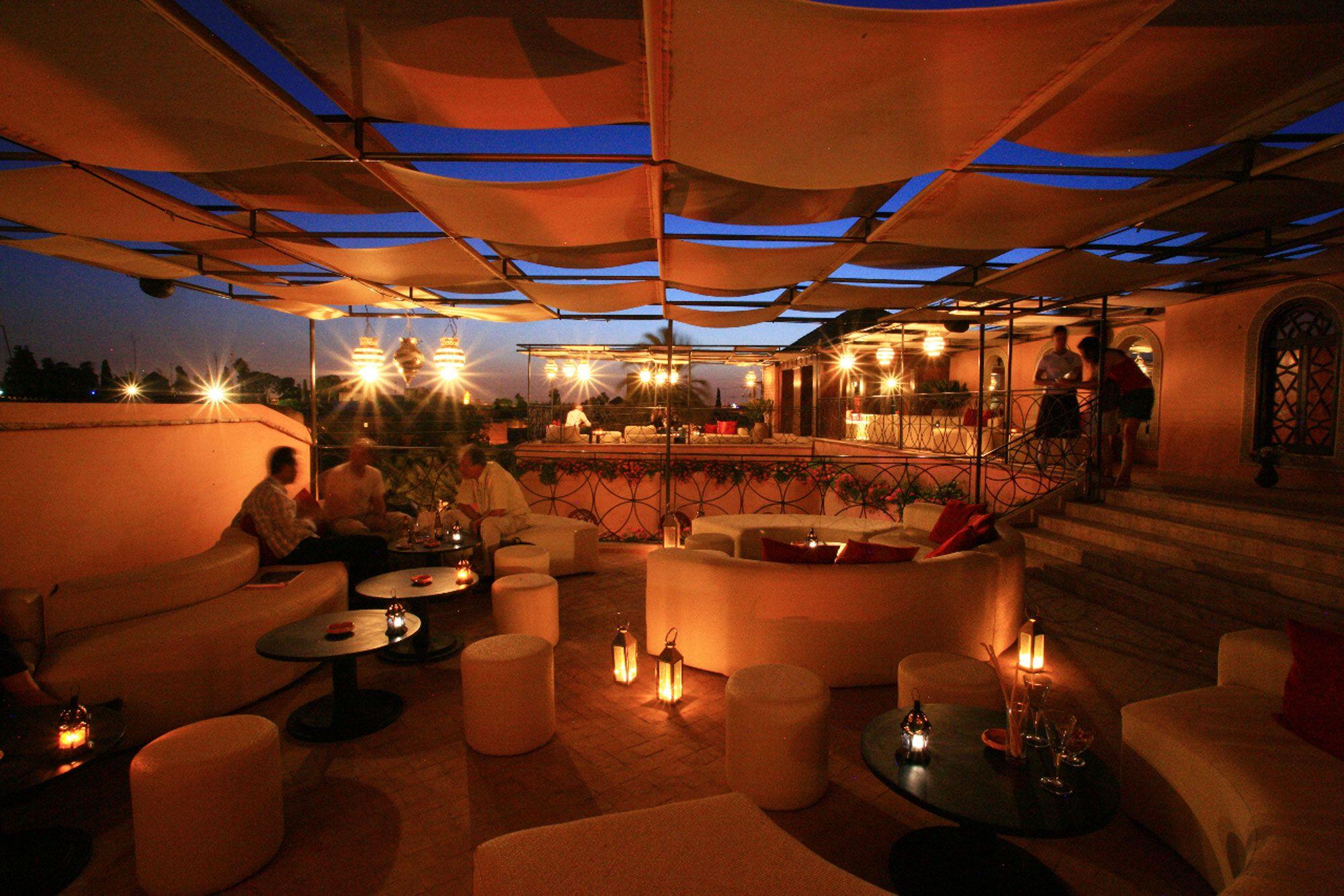
When the afternoon becomes difficult, the evening becomes the release.
After sunset, families go out.
Cafés fill.
Children walk with parents.
People buy cold drinks.
Neighbourhoods become active again.
This is already part of Moroccan summer culture, but heatwaves make it stronger.
The evening becomes the safest and most social part of the day.
For many families, the weekend may now begin properly after Maghrib, not after lunch.
Beach Plans Need Caution
A beach trip can feel like the obvious answer to heat.
But beaches also need planning.
The sun can be intense.
Children may spend too long exposed.
Traffic can build.
Parking can become stressful.
Water and shade are essential.
Families may choose early morning or late afternoon beach visits instead of spending the entire day under the sun.
The coast can help, but it does not remove the need for caution.
Heat follows people, even near the sea.
Travel By Car Gets Harder
A hot weekend also affects road travel.
Cars parked in the sun can become dangerously hot.
Long drives are tiring.
Air conditioning increases fuel use.
Dust and wind in southern or eastern regions can reduce visibility.
Families travelling between cities may need more water, earlier departures and more breaks.
Drivers also need rest.
Heat can reduce concentration.
That makes travel planning a safety issue, not only a comfort issue.
Sleep Becomes Part Of The Problem
Extreme heat does not end at sunset.
Homes can stay warm late into the night, especially in dense urban areas or upper-floor apartments.
Bad sleep then affects the next day.
Parents become tired.
Children become restless.
Workers start the week with less energy.
Older people may struggle more.
That is why the weekend routine must include night-time recovery.
Fans, ventilation, lighter bedding and cooler evening habits can all matter.
Cafés And Malls May Benefit
Heat changes where people spend time.
Cafés with shade, fans and cool drinks can see more evening demand.
Shopping centres may attract families looking for air-conditioned space.
Ice cream shops, juice bars and snack sellers may benefit after sunset.
This creates a small lifestyle economy around the heat.
People do not stop going out completely.
They move their activity to cooler places and cooler hours.
Businesses that understand that shift can win.
Sports And Outdoor Activity Need Limits
Football pitches, gyms, running groups and outdoor sports all face the same question.
When is it safe to move?
During intense heat, midday exercise becomes risky.
Families may push children’s sport to early morning or evening.
Adults may shorten workouts or move indoors.
For amateur football and weekend matches, hydration and timing become essential.
Heat does not stop sport entirely.
But it demands better judgement.
The Mental Load Of Heat
A heatwave also creates mental fatigue.
People become more irritable.
Plans change.
Children complain.
Traffic feels heavier.
Small errands feel larger.
Sleep becomes worse.
This is the hidden lifestyle cost of extreme heat.
It does not always appear in weather alerts, but families feel it.
A hot weekend can drain energy before the working week even begins.
That is why routine planning matters.
Why This Is Becoming Normal
Morocco has always had hot summers, especially in inland and southern regions.
What feels different is the frequency and intensity of heat alerts.
Repeated heat episodes force people to adapt faster.
Families learn which rooms stay cooler.
Which streets have shade.
Which times are safest.
Which foods feel lighter.
Which relatives need calls.
Which cafés are comfortable.
Heat becomes part of daily strategy.
The Practical Weekend Formula
The safest weekend routine is simple.
Move early.
Rest during peak heat.
Drink water often.
Check on children and older relatives.
Avoid unnecessary afternoon errands.
Keep rooms shaded.
Eat lighter.
Plan travel carefully.
Use evenings for social activity.
That formula may sound basic, but during a 45°C alert it can make the difference between a manageable weekend and a difficult one.
The Bottom Line
Morocco’s 45°C heatwave is forcing families to rethink the weekend routine because extreme temperatures affect almost every part of daily life.
Shopping, cooking, travel, sleep, children’s outings, sport and family visits all need adjustment when the heat becomes intense.
The new weekend rhythm is clear.
Do more early.
Do less in the afternoon.
Move again in the evening.
This is summer in Morocco under heatwave conditions: not only hotter, but more carefully planned.
Category: Lifestyle