

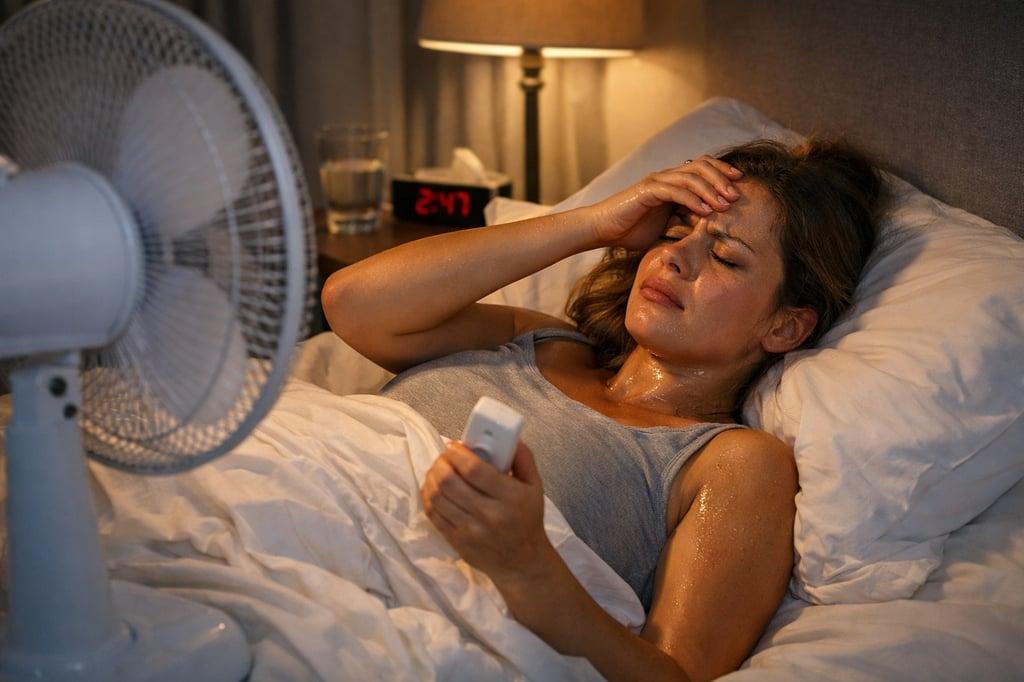
Europe’s heatwave is no longer only a daytime problem.
It is now a night-time problem too.
As temperatures climb above 40°C in parts of the continent, millions of people are discovering that the hardest part of extreme heat may come after sunset, when homes stay warm, cities release stored heat and sleep becomes difficult.
For families, workers, older people and tourists, the summer routine is changing fast.
The new question is not only how to survive the heat during the day.
It is how to rest at night.
The Heatwave Has Moved Into The Bedroom
Extreme heat disrupts daily life in obvious ways: closed schools, transport delays, warnings for outdoor workers and pressure on hospitals.
But sleep is the quieter crisis.
A person can avoid the sun at midday.
They can stay inside, drink water and reduce activity.
At night, the body still needs to cool down.
When bedrooms remain hot and humid, that recovery becomes harder.
Bad sleep then carries into the next day, affecting mood, concentration, work, driving and health.
That is why night-time heat is becoming one of Europe’s biggest lifestyle problems.
Europe Is Under Pressure
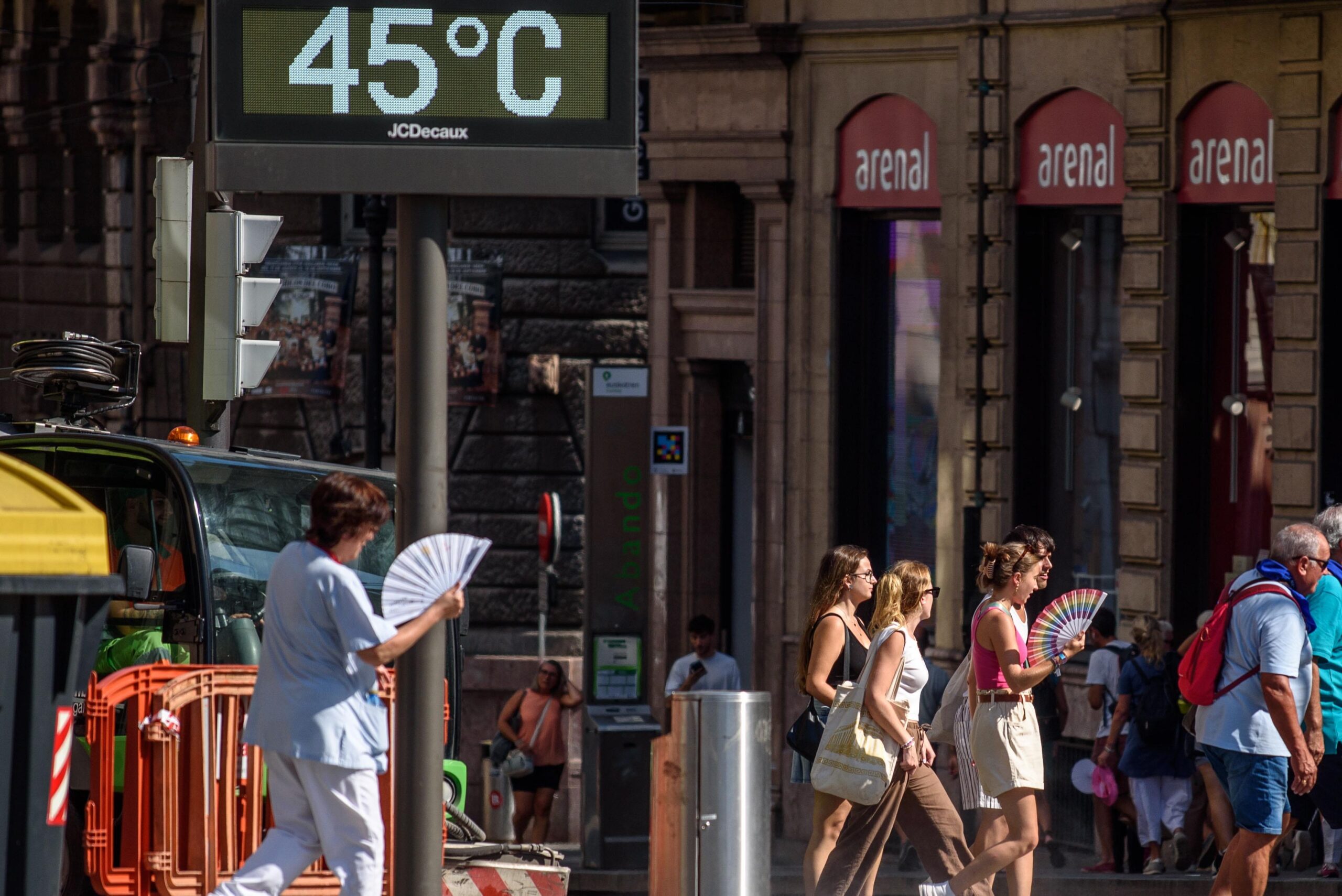
The current heatwave has pushed several countries into emergency mode.
Reuters reported that Europeans were being urged to change routines as deadly heat gripped the continent, with schools closing, infrastructure strained and vulnerable people facing rising risks.
France, Britain, Switzerland, Italy and Spain have all faced extreme temperatures, while cities across the continent reported dangerous conditions.
The Guardian reported temperatures around 40°C in Paris and Nantes, 36°C in Brussels and 35°C in Barcelona, Frankfurt and Geneva during the heat episode.
The numbers matter because heat does not disappear when the sun goes down.
Cities keep it.
Buildings keep it.
People feel it in bed.
Why Hot Nights Are Different
A hot day is uncomfortable.
A hot night can be dangerous.
The body uses sleep to recover. Core temperature normally drops at night, helping people rest and reset.
When the air stays warm, that process is disrupted.
People fall asleep later.
They wake more often.
They sweat.
They drink more water.
They leave windows open and deal with noise.
They run fans all night.
By morning, many wake up already tired.
A heatwave then becomes a cycle: bad sleep, harder days, weaker recovery, more stress.
The Old Summer Routine Is Breaking
In many European countries, summer routines were built around warm days and cooler nights.
That balance is changing.
People are now shifting daily habits around heat.
Shopping earlier.
Working earlier.
Avoiding crowded transport.
Cooking less.
Eating lighter meals.
Checking on older relatives.
Moving children’s outdoor activities.
Sleeping in living rooms.
Using wet towels, cold showers and fans.
This is no longer just weather.
It is behaviour change.
The heatwave is rewriting the normal day.
Older People Face The Highest Risk
Night-time heat is especially difficult for older adults.
Many live in apartments without air conditioning.
Some are alone.
Some take medication that affects hydration or temperature regulation.
Some may not feel thirst quickly enough.
Poor sleep can worsen existing health problems and make heat stress harder to manage.
Families are responding by calling more often, visiting more often and checking whether older relatives have water, shade and cooler rooms.
Heatwaves turn family care into a daily routine.
Children Are Also A Concern
Children are vulnerable in a different way.
They may not understand why they cannot play outside during the hottest hours.
They may become restless at night.
They may sleep badly, wake up sweaty or become irritable the next day.
Parents then face a double burden: managing heat risk and managing tired children.
For families without cooling systems, the home itself can become uncomfortable.
A summer night that used to feel easy can become a full household challenge.
Workers Pay The Price The Next Morning
Bad sleep does not stay in the bedroom.
It follows people to work.
A construction worker who sleeps badly is less safe on site.
A driver who sleeps badly is less alert on the road.
A teacher who sleeps badly has less energy in class.
A nurse, chef, delivery rider or shop assistant may all feel the impact.
Reuters has reported that European countries are reviewing or applying heat-related work rules, especially for outdoor labour.
But the sleep issue adds another layer.
Even workers indoors can suffer if the night before offered no real recovery.
Tourism Is Changing Too
Tourists often imagine European summer as beautiful, not dangerous.
That image is changing.
Visitors in cities like Paris, Rome, Madrid, Barcelona and London now need heat strategies.
Sightseeing may move to early morning.
Long queues become harder.
Museums become cooling stops.
Hotels with air conditioning become more valuable.
Restaurants with shade and fans win more attention.
The tourist day is being reorganised around temperature.
And after a hot day of walking, sleep quality can define whether the trip still feels enjoyable.
Air Conditioning Is Not Universal
One reason Europe struggles with heat is that many homes and apartments were not built for repeated extreme temperatures.
Air conditioning is less common than in hotter regions such as the Gulf or parts of the United States.
Older buildings may trap heat.
Upper-floor apartments can become difficult at night.
Dense city streets hold warmth.
That makes adaptation harder.
Fans help, but they do not always solve the problem when the air itself remains hot.
Europe’s housing stock is being tested by a climate it was not fully built for.
Cities Store Heat
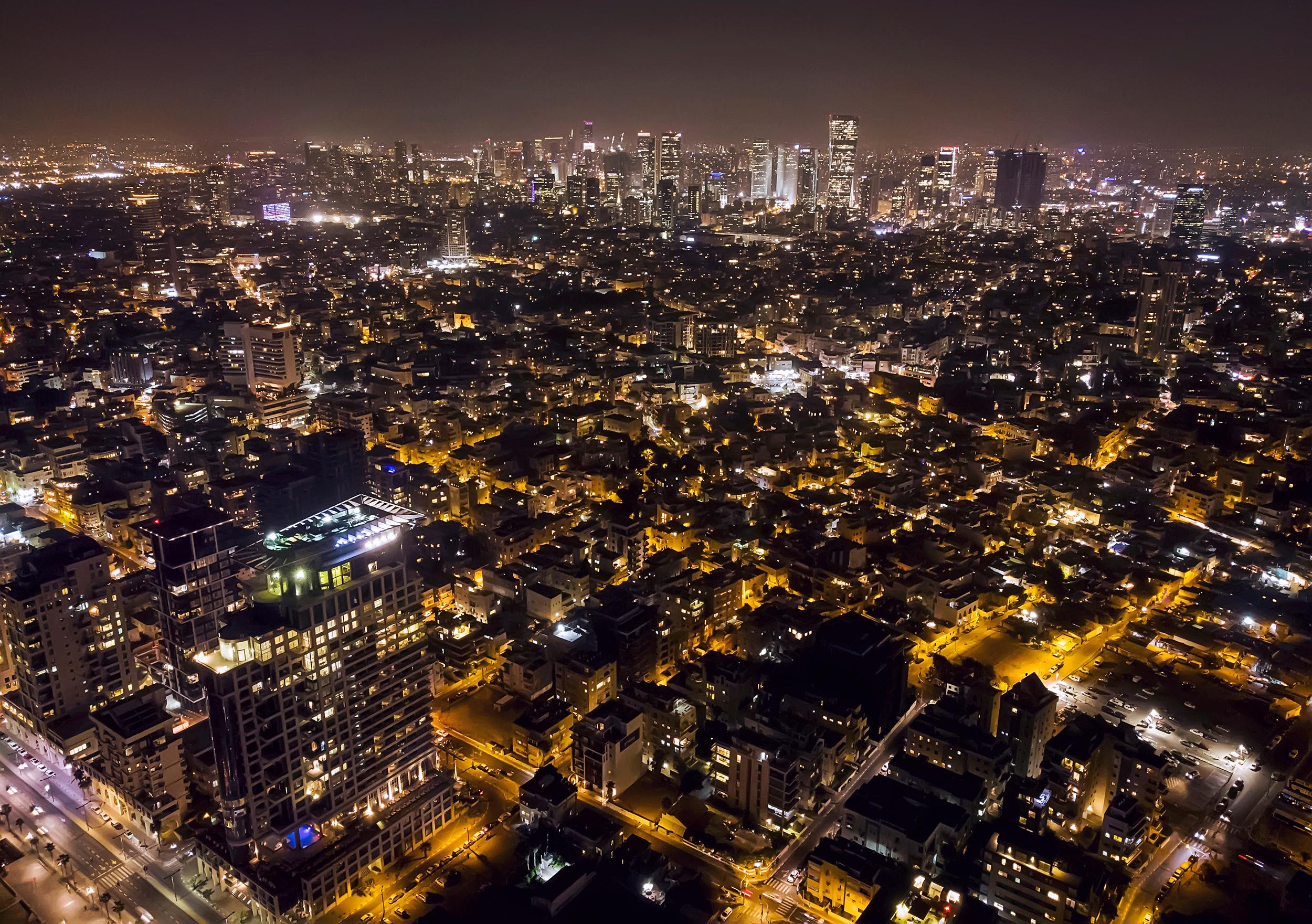
Urban heat makes nights worse.
Concrete, asphalt and stone absorb heat during the day and release it slowly after sunset.
That means city centres can stay warmer than surrounding rural areas.
Traffic, limited trees and crowded buildings add pressure.
For residents, the result is simple: the bedroom may still feel hot long after the sun has gone.
This is why cities are now looking harder at shade, trees, water points, reflective materials and cooling centres.
The design of a city can shape the quality of sleep.
The Energy Problem
When nights get hotter, electricity demand rises.
Fans run longer.
Air conditioners work harder where they exist.
Hotels cool rooms.
Shops and offices need more power.
Reuters reported that the heatwave strained infrastructure and affected parts of France’s power system, including nuclear output linked to cooling conditions.
That creates a difficult equation.
People need cooling to protect health.
But mass cooling raises demand on the grid.
In a severe heatwave, night-time comfort becomes an energy question too.
The Health Message Is Getting Clearer
Public health advice is becoming more direct.
Avoid the hottest hours.
Drink water.
Check on vulnerable people.
Keep homes shaded during the day.
Ventilate when temperatures fall.
Use fans carefully.
Avoid alcohol in extreme heat.
Reduce physical effort.
These are not small lifestyle tips anymore.
They are heatwave survival habits.
The new reality is that summer health advice must include sleep.
A country can issue daytime warnings, but if people cannot recover at night, the risk continues.
The Climate Link Is Hard To Ignore
Scientists have warned that climate change is making heatwaves more frequent and more intense.
The Associated Press reported on a rapid study by World Weather Attribution stating that Europe’s recent extreme heat would have been nearly impossible without human-driven climate change.
The same analysis pointed to dangerous daytime and night-time temperatures across several countries.
For ordinary people, the science shows up in a simple way.
The nights feel hotter.
Sleep feels harder.
Summer feels less predictable.
What People Are Doing Now
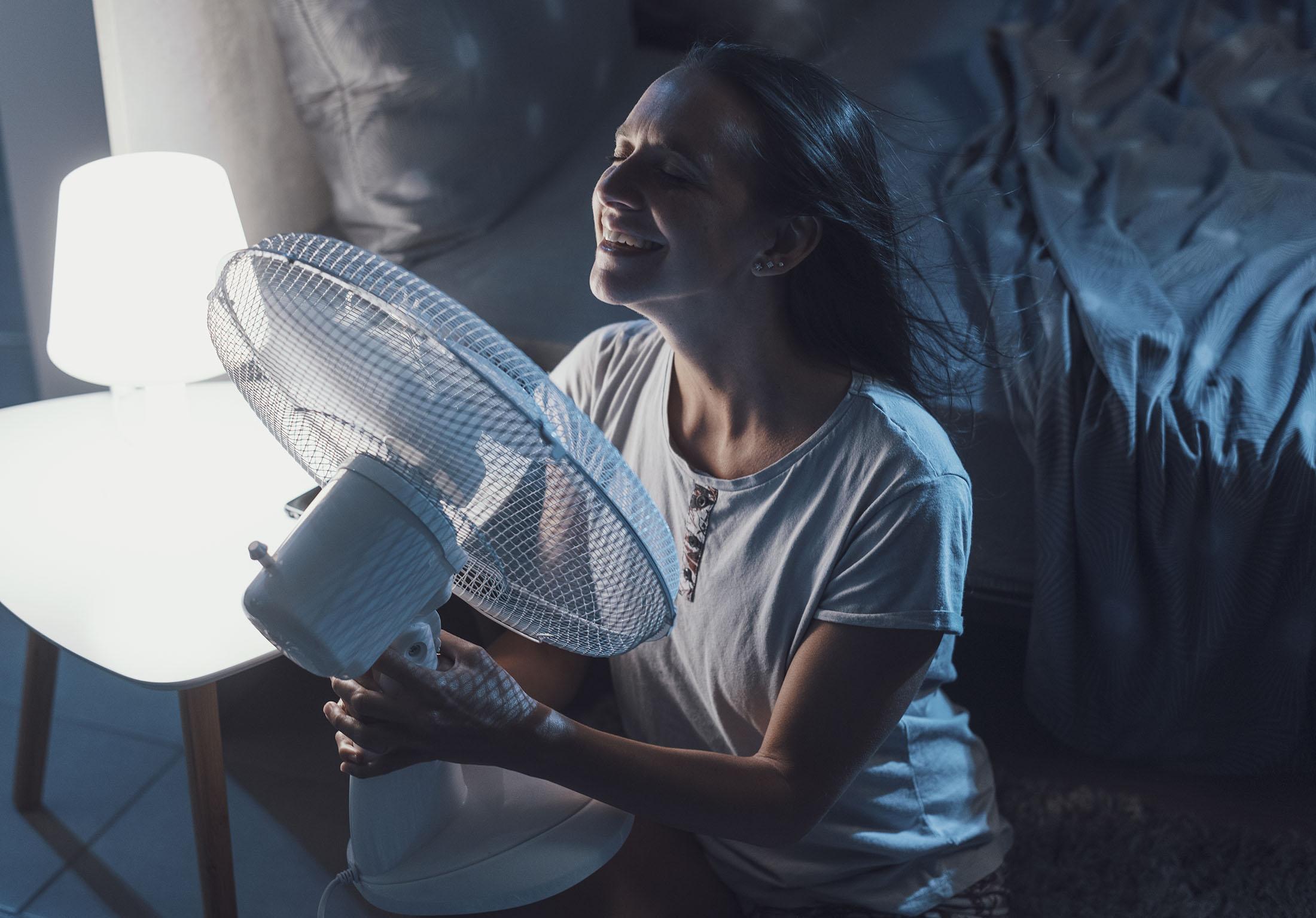
Across Europe, households are improvising.
Some sleep in the coolest room.
Some keep shutters closed all day.
Some put bowls of ice near fans.
Some take cold showers before bed.
Some avoid cooking late.
Some switch bedding.
Some sleep earlier or later depending on indoor temperature.
Some leave cities for cooler coastal or mountain areas when they can.
The habits are not always perfect, but they show how quickly people adapt when sleep becomes difficult.
Why This Is A Lifestyle Story
The heatwave is a climate story, a health story and an infrastructure story.
But it is also a lifestyle story because it changes ordinary behaviour.
How people sleep.
When they shop.
How they dress.
What they eat.
How they travel.
How they work.
How they care for children and older relatives.
Heat is no longer background weather.
It is shaping the rhythm of daily life.
The Bottom Line
Europe’s brutal heatwave is turning night-time rest into a daily struggle because extreme temperatures are no longer ending at sunset.
Hot homes, warm cities, strained infrastructure and limited air conditioning are making sleep harder for millions of people.
That matters beyond comfort.
Poor sleep affects health, work, travel, family life and safety the next day.
Europe is learning that surviving a heatwave is not only about getting through the afternoon.
It is also about making it through the night.
Category: Lifestyle