

Cash Plus is moving beyond its original identity as a money-transfer company.
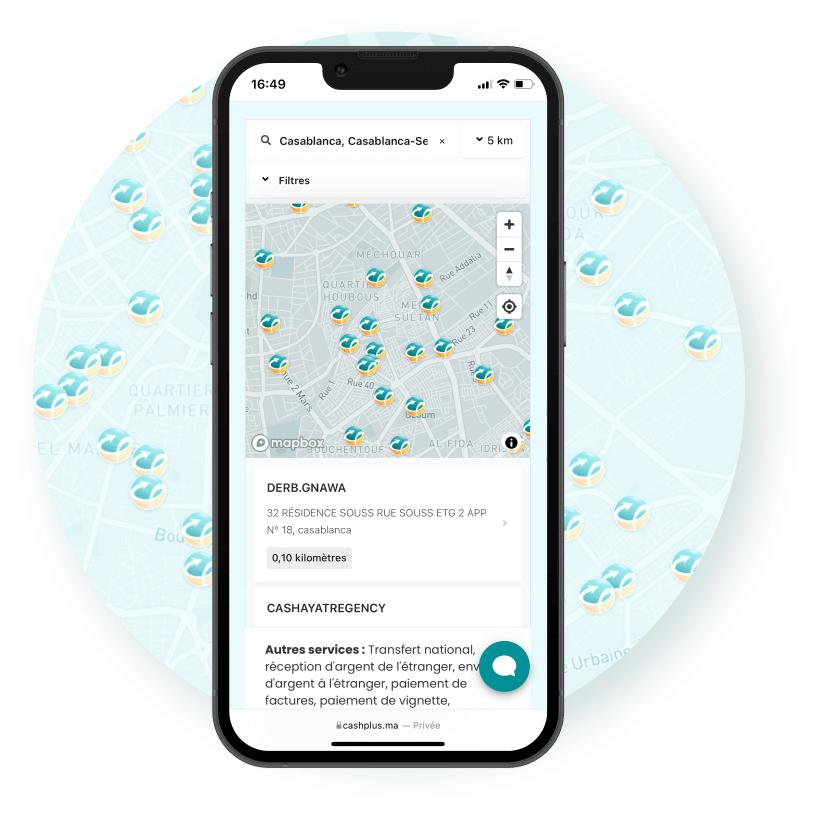
Its national network now includes more than 5,000 points of sale, giving the Moroccan fintech a physical presence across major cities, smaller towns and neighbourhoods where conventional financial services may be less accessible.
The company already allows customers to transfer money, pay bills and taxes, open payment accounts, use a Mastercard, receive international funds, purchase travel tickets and send parcels.
Its 2026 partnership with Orange Maroc adds another layer.
Cash Plus agencies can now support Orange Money deposits and withdrawals while also giving customers access to selected telecommunications services.
This changes the strategic meaning of the network.
Cash Plus is no longer operating only as a place people visit when money needs to be sent.
It is becoming a daily-access platform connecting cash, digital payments, telecoms, public services and local commerce.
The Agency Remains Valuable
Digital finance is often presented as the replacement for physical branches.
Morocco’s market suggests a more practical model.
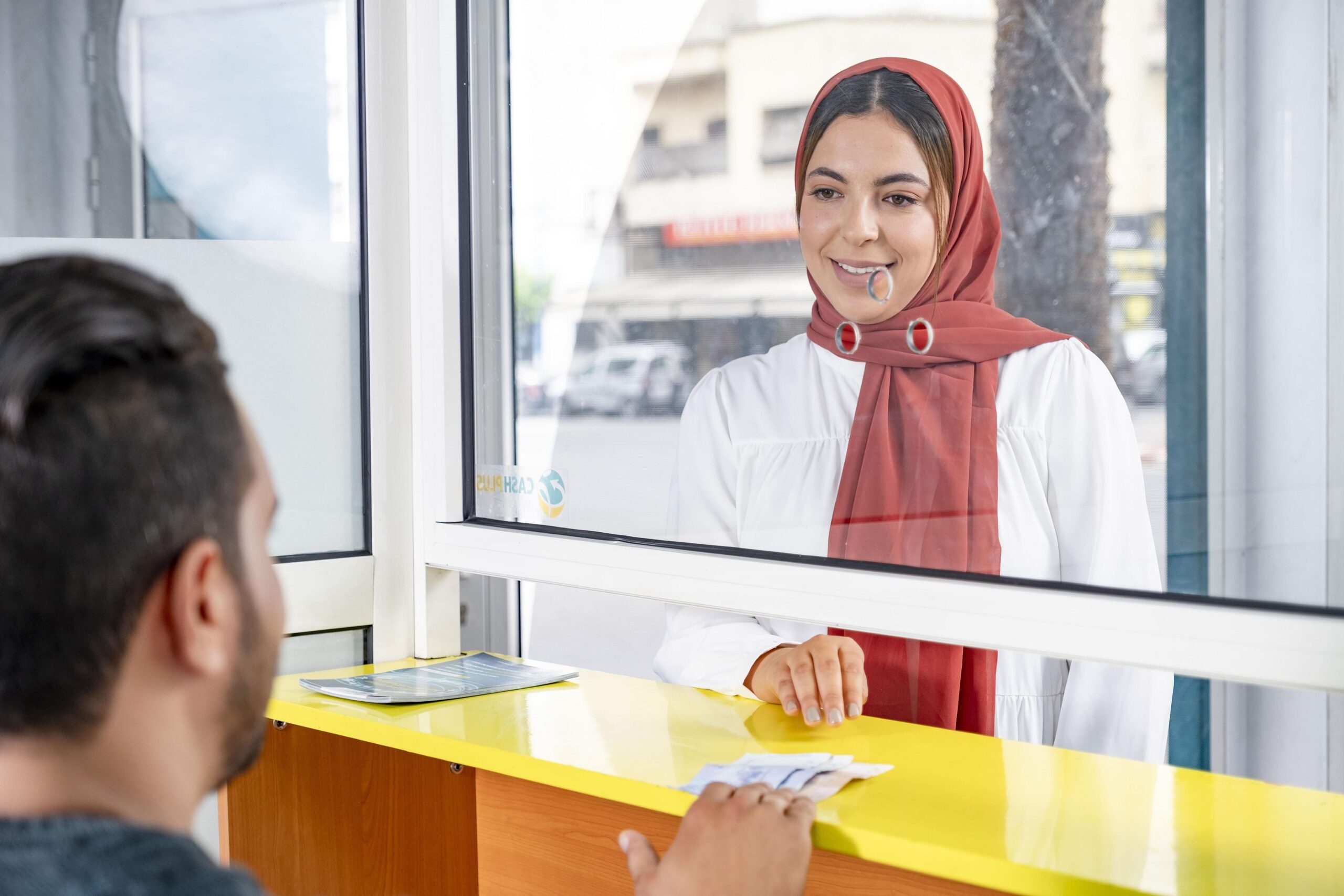
Many customers want the speed of a mobile application but still value a nearby person who can explain a service, verify an identity or resolve a problem.
Cash also remains important in everyday transactions.
A fully digital service may therefore exclude people who lack a bank account, smartphone confidence or reliable internet access.
Cash Plus combines both systems.
The customer can use the application when convenient and visit an agency when physical support is necessary.
This “phygital” model gives the company an advantage.
The agency creates trust and access.
The application creates convenience and scale.
Neither channel needs to eliminate the other.
The Network Is The Main Asset
A payment application can be developed relatively quickly.
Building thousands of recognised locations across Morocco is more difficult.
Each point requires an operator, local trust, secure cash handling, technology and daily operational support.
That physical distribution gives Cash Plus strategic value to other companies.
A telecom operator can use it to reach more customers.
A public institution can use it to collect payments.
An international transfer company can use it to distribute funds.
An e-commerce business can allow customers to pay in cash through the network.
The agency is therefore not only a Cash Plus sales location.
It is an access point through which other services can enter communities.
The more useful each location becomes, the stronger the economics of the entire network.
Orange Adds A Daily-Use Service
Money transfers may be frequent for some households but occasional for others.
Telecommunications is different.
Customers recharge phones, manage mobile plans and use digital wallets continuously.
The Orange partnership can therefore increase the number of reasons people visit a Cash Plus agency.
An Orange Money customer can deposit or withdraw funds.
A mobile subscriber can access selected offers.
A customer arriving for one service may discover another.
This creates cross-selling potential for both companies.
But the partnership will succeed only when the experience remains simple.
Customers should understand whether a problem belongs to Cash Plus or Orange.
Employees need enough training to answer ordinary questions.
Transactions must appear correctly and immediately.
A wide network creates convenience only when responsibility remains clear.
Everyday Payments Build Financial Habits
Financial inclusion does not begin only with large loans or investment products.
It can begin with ordinary transactions.
Receiving money.
Paying electricity.
Settling a telephone bill.
Saving a small amount.
Using a card.
Purchasing online.
When these activities enter a formal account, the customer begins building a financial history.
The relationship becomes more valuable over time.
A person who initially visits Cash Plus to receive a transfer may later open a payment account.
The account can then support bill payment, digital purchases and wallet transfers.
The transition from cash collection to active financial usage is the real inclusion opportunity.
The number of accounts matters.
Regular use matters more.
The Payment Account Is The Strategic Centre
Cash Plus offers a payment account with no account-maintenance charge, a Mastercard and access through its mobile application.
This allows the company to move from processing isolated transactions towards maintaining an ongoing customer relationship.
A transfer customer may disappear after collecting funds.
An account holder remains connected.
The company can provide notifications, payment services and additional features without requiring a new registration every time.
But customers will keep money inside the system only when they trust it.
Funds must remain accessible.
Transactions must be accurate.
Fees should be understandable.
Customer support must respond quickly when a card or phone is lost.
The account becomes strategically valuable only when customers consider it safe enough for everyday life.
QR Payments Can Formalise Small Commerce
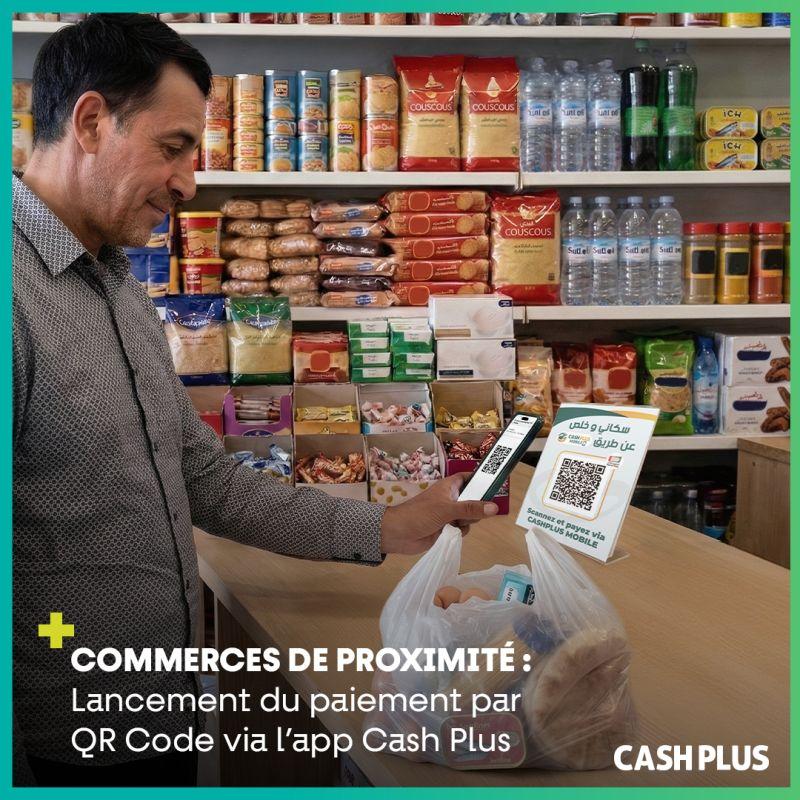
Cash Plus began deploying QR-code payment capability to neighbourhood merchants in 2026.
More than 12,000 small businesses had reportedly been equipped during the early rollout.
The model lowers one important barrier.
A merchant does not need to purchase or maintain a conventional card terminal.
A smartphone and QR code can allow the business to receive a digital payment.
This is particularly relevant for cafés, grocery stores, service providers and independent sellers operating with limited margins.
Digital payment can reduce cash-handling risk and create transaction records.
It may also help merchants understand revenue more clearly.
But the system must remain economical.
Small businesses will not adopt digital payments permanently when fees, delays or technical complexity outweigh the benefit.
Cash Must Become A Bridge, Not An Obstacle
Cash Plus is well positioned because it understands the continuing importance of physical money.
Customers can enter the network with cash and leave with a digital balance.
They can receive digitally and withdraw physically.
This connection is essential during Morocco’s gradual payment transition.
The objective should not be forcing customers to abandon cash immediately.
It should be making the movement between cash and digital services reliable and affordable.
Over time, customers may keep more value digitally because the account becomes useful for more transactions.
That behavioural change will be stronger when it is chosen through convenience rather than imposed through restriction.
Bill Payment Creates Repeat Traffic
Electricity, water, telecom and internet bills create recurring customer needs.
Cash Plus also supports the payment of taxes, vehicle-related charges and other obligations.
These services bring people into the network regularly.
They reduce the need to visit several offices or platforms.
For the company, recurring payments create predictable transaction activity.
For public and private billers, the network broadens collection capacity.
The value depends heavily on confirmation.
Customers need immediate proof that payment has been accepted.
The receiving institution must update the account correctly.
When a payment disappears between systems, trust is damaged quickly.
Integration quality is therefore as important as network size.
The Network Can Support Public Services
Cash Plus agencies already facilitate services connected with public institutions, including selected CNSS and administrative payments.
This creates a wider opportunity.
Many public procedures are becoming digital, but not every citizen can complete them independently online.
A local service point can provide assisted access.
Document submission.
Fee payment.
Identity verification.
Status tracking.
The agency should not replace the responsible public institution.
It can reduce the distance between citizens and that institution.
This model can be especially valuable in smaller communities where travelling to a regional office creates cost and lost working time.
Parcel Delivery Adds A Physical-Commerce Layer
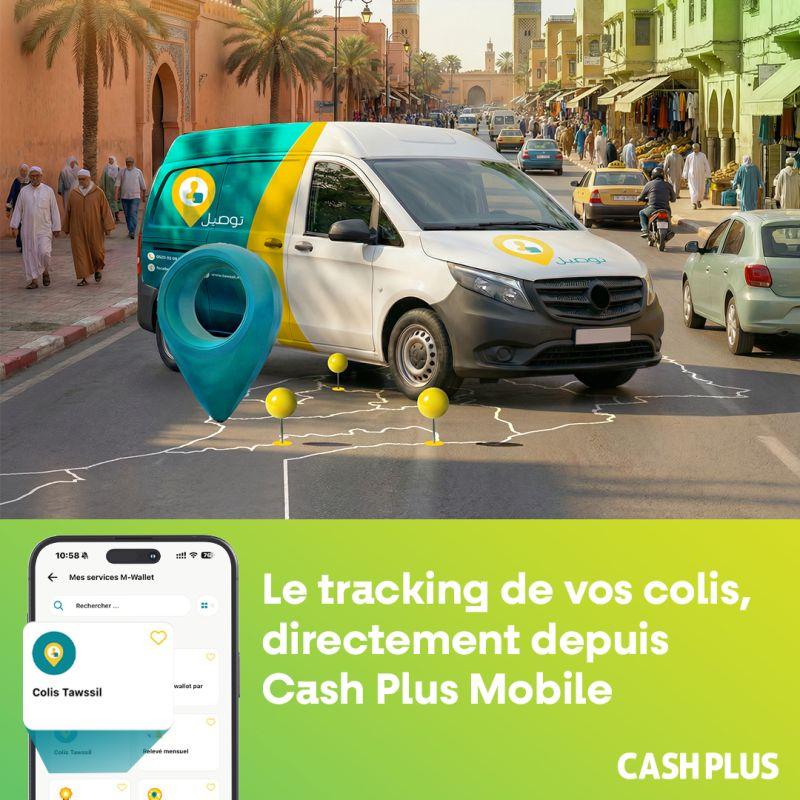
Through Tawssil, Cash Plus also allows customers to send and receive parcels.
This may appear separate from financial services, but the same network advantage applies.
An agency can become a local collection point for money, documents and goods.
Small businesses selling online can use the network to reach customers across Morocco.
Households can collect parcels from a known location rather than depend entirely on home delivery.
The commercial opportunity lies in integration.
A merchant could receive payment, send the parcel and monitor the transaction through connected services.
But logistics must remain professional.
Tracking, delivery time and claims handling will determine whether customers trust the service repeatedly.
A Platform For Small Businesses
Cash Plus also offers businesses tools for collecting revenue, paying employees and distributing funds.
Its national footprint can help companies reach staff, customers or agents who are geographically dispersed.
A business with representatives across Morocco may need to collect daily receipts safely.
Another may need to pay temporary or remote workers.
An e-commerce company may want customers to settle purchases in cash through a nearby agency.
These services turn Cash Plus into business infrastructure.
The company is no longer serving only individuals.
It is connecting formal companies with customers and workers who may still operate partly outside conventional banking channels.
Scale Requires Strong Agency Standards
A network containing thousands of locations can deliver exceptional reach.
It can also produce inconsistent service.
One agency may be fast, clear and professional.
Another may experience long queues, weak communication or limited product knowledge.
Customers generally judge the Cash Plus brand, not the individual agency owner.
The company therefore needs consistent standards.
Training.
Security.
Cash availability.
Complaint handling.
Technology uptime.
Brand presentation.
Service information.
Expansion is valuable only when quality can be repeated.
A smaller reliable network can create more trust than a larger inconsistent one.
Fraud Prevention Must Remain Visible
Money transfers and digital accounts attract fraud attempts.
Customers may receive false calls, messages or payment requests.
Some may share codes without understanding the risk.
Cash Plus must combine technical controls with customer education.
Employees should explain that confidential credentials must never be shared.
Suspicious transactions should receive additional review.
Lost phones and cards need fast blocking procedures.
Security cannot become so complicated that ordinary customers avoid the service.
The goal is clear, proportionate protection.
Customer Data Creates Responsibility
As Cash Plus expands, it can understand more about how customers transfer, pay and use services.
This data can improve fraud detection and product design.
It also requires careful protection.
Financial behaviour is sensitive.
Access should be limited.
Partnerships with telecoms, billers and merchants should not create uncontrolled data sharing.
Customers need confidence that using one service does not expose their complete activity unnecessarily.
Trust will become more important as the company evolves from simple transactions towards a broader everyday platform.
Digital Growth Must Not Abandon Physical Inclusion
The mobile application can reduce cost and allow customers to transact at any time.
But the company should not measure progress only through digital migration.
Some users will continue needing agency support.
Older customers.
People with limited literacy.
Residents with weaker connectivity.
Customers resolving exceptional problems.
The most inclusive model allows customers to move between channels without restarting the relationship.
An account opened in an agency should work seamlessly in the application.
A digital problem should be resolvable physically.
The same customer should remain visible across both systems.
The 5,200-Location Test
Cash Plus has developed one of Morocco’s most extensive everyday service networks.
Its agencies already connect money transfers, bills, payment accounts, cards, taxes, parcels and travel services.
The Orange partnership extends that network into telecom subscriptions and Orange Money cash operations.
QR payments bring the platform closer to neighbourhood merchants.
These activities reveal a company becoming much broader than its original category.
The next challenge is integration.
Every service must work through a coherent customer relationship.
Agency quality must remain consistent.
Digital products must stay simple.
Cash and electronic payments must connect smoothly.
Customer information must remain protected.
Cash Plus does not need to become a traditional bank to play an increasingly important role in Moroccan daily life.
Its advantage is different.
It stands where physical proximity and digital access meet.
A transfer company processes money.
An everyday-services platform helps people manage a growing part of their daily economic life.
Cash Plus is moving steadily towards the second model.
 Jamal Mahdad, Founder & Editor-in-Chief