

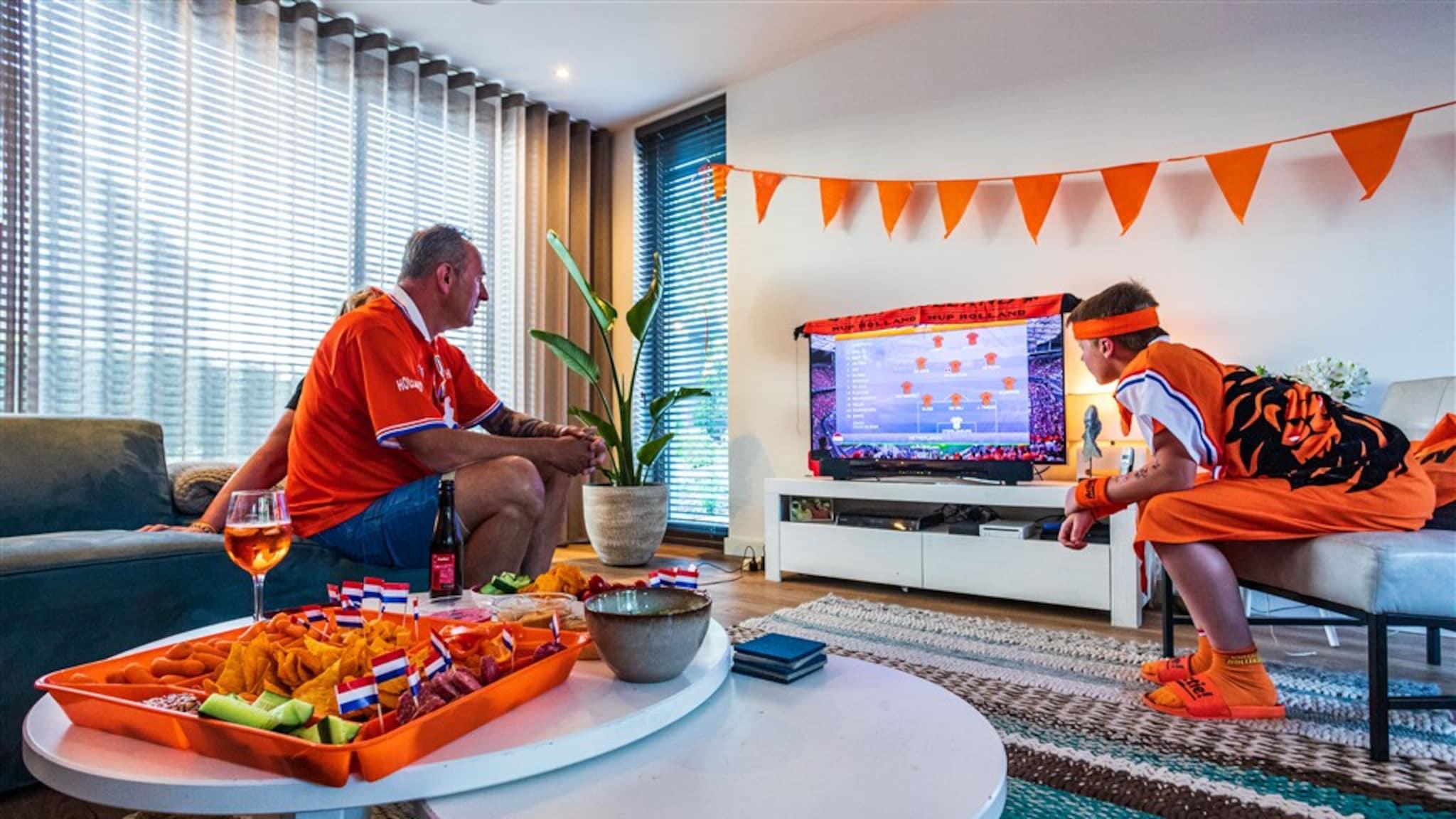
Dutch-Moroccan Families are facing the kind of World Cup night that does not feel like normal football. Morocco against the Netherlands is not just a Round of 32 match in Monterrey — it is a split-heart evening for thousands of homes where red and green lives next to orange, where grandparents remember Morocco, children grew up in Dutch cities, and WhatsApp groups are already too nervous to stay quiet.
One Family, Two Colours
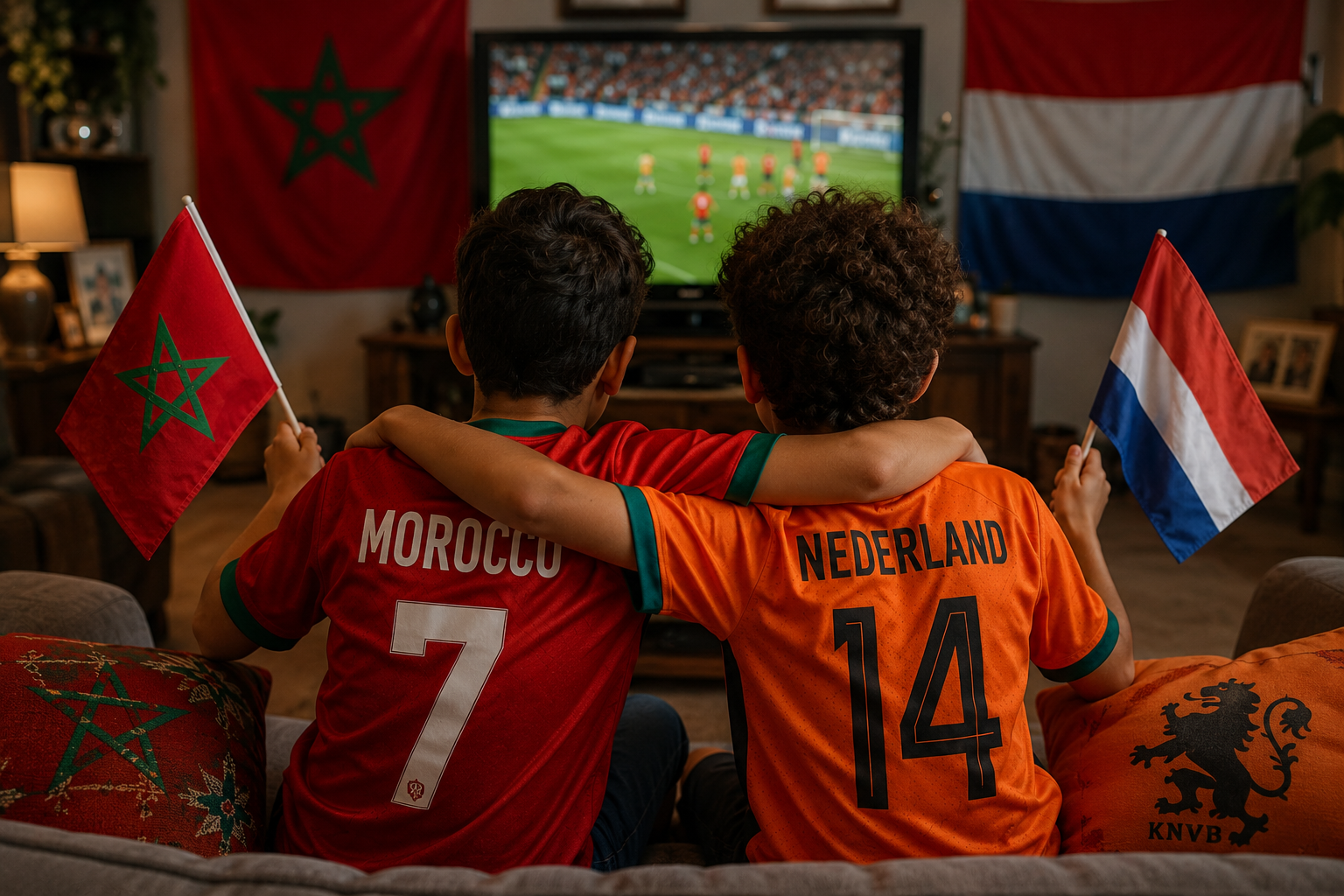
Reuters reported that the Moroccan community in the Netherlands is estimated at about 430,000 people. That number explains why this fixture feels so big beyond the stadium. Morocco vs Netherlands is being watched inside families where both countries are part of daily life — entering living rooms, cafés, group chats, family jokes and serious memories. The match is personal before it is tactical. Many Dutch-Moroccan Families know this game is different before the first whistle. Who do you support when one team is your parents’ country and the other is your home country? What happens when one cousin wears a Morocco shirt and another wears orange? That is the beauty and the tension of the diaspora derby: identity in 90 minutes. Reuters also reported that the match kicks off at 3 a.m. local time in the Netherlands — turning the fixture into a night built around sleep sacrifice, alarms, late snacks, coffee, tea and nervous silence before dawn.
Dutch-Moroccan Family Split: The WhatsApp Battleground
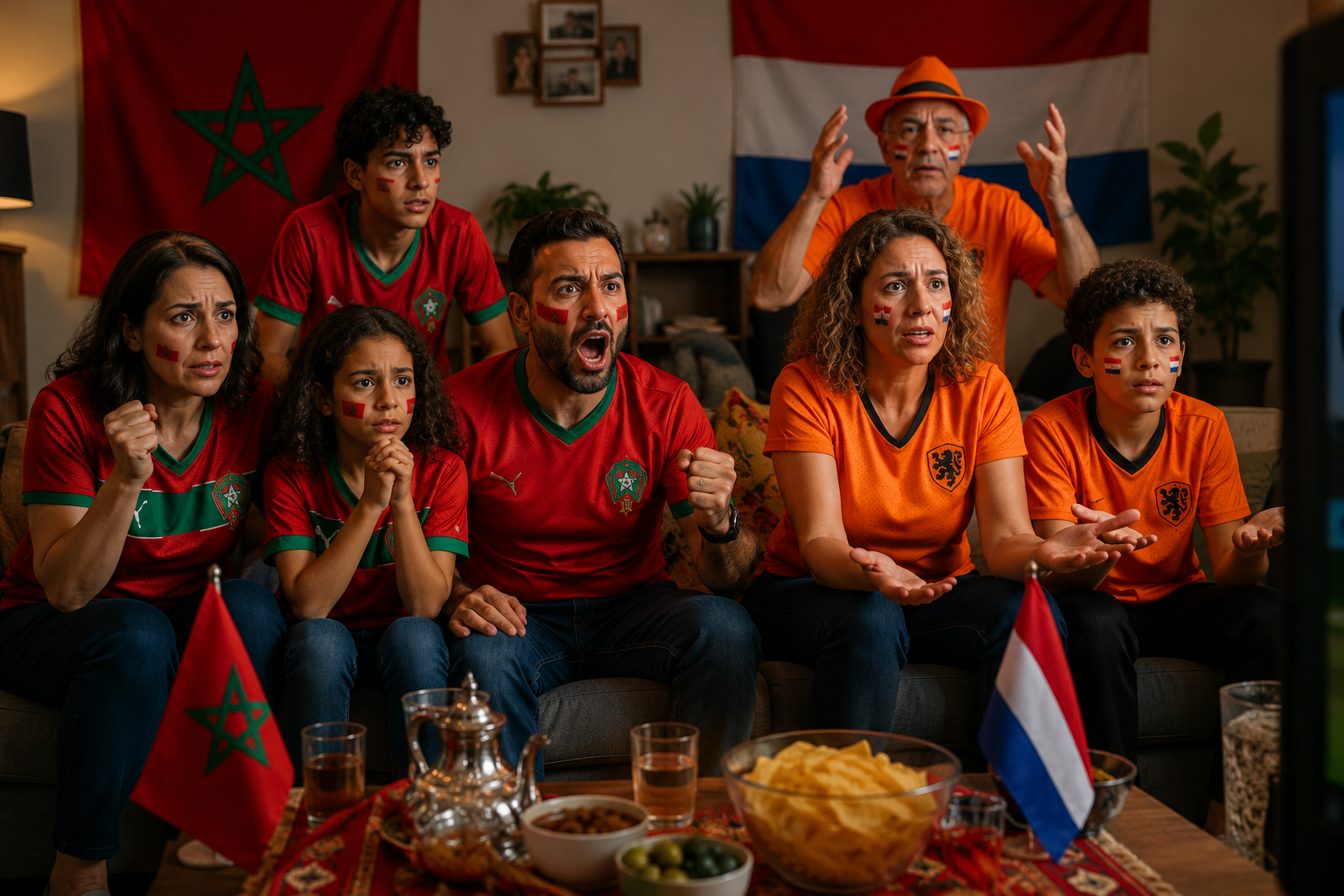
Every big Morocco match already lives on WhatsApp. This one will be different. Family groups fill with predictions, jokes, flags, prayers, voice notes, memes and nervous messages. The uncle who always predicts 2-1 sends his score. The cousin in Rotterdam posts an orange joke. The aunt in Morocco sends a prayer emoji. The younger brother sends a meme before the match even starts. That is how modern football families watch together even when they are not in the same room. Morocco shirts in Dutch streets are not only football shirts — they are identity markers: red with a star can mean family pride, cultural memory, religious connection, language, food, music and childhood holidays. An orange shirt means Dutch football culture, schools, neighbours and national-team tradition. Many Dutch-Moroccan Families live with both colours, making the shirt choice something that says something about belonging.
Family Calls Across Borders
Morocco’s 2022 World Cup run changed the emotional status of the national team. Before 2022, many Moroccan fans hoped for a good moment. After 2022 — when the Atlas Lions became the first African and Arab team to reach a World Cup semi-final — they believed something bigger was possible. That achievement still lives in Moroccan homes and diaspora communities. It changed conversations, it changed expectations, it changed how children saw the team. Now, against the Netherlands, that memory returns. Players make the story more personal too: Reuters reported that Morocco have Dutch-born players in their squad, and The Guardian highlighted the shared football history through migration. A Dutch-born Moroccan player wearing the Morocco shirt is not only a football decision. For some families, it feels like a life story.
One Match Across Continents
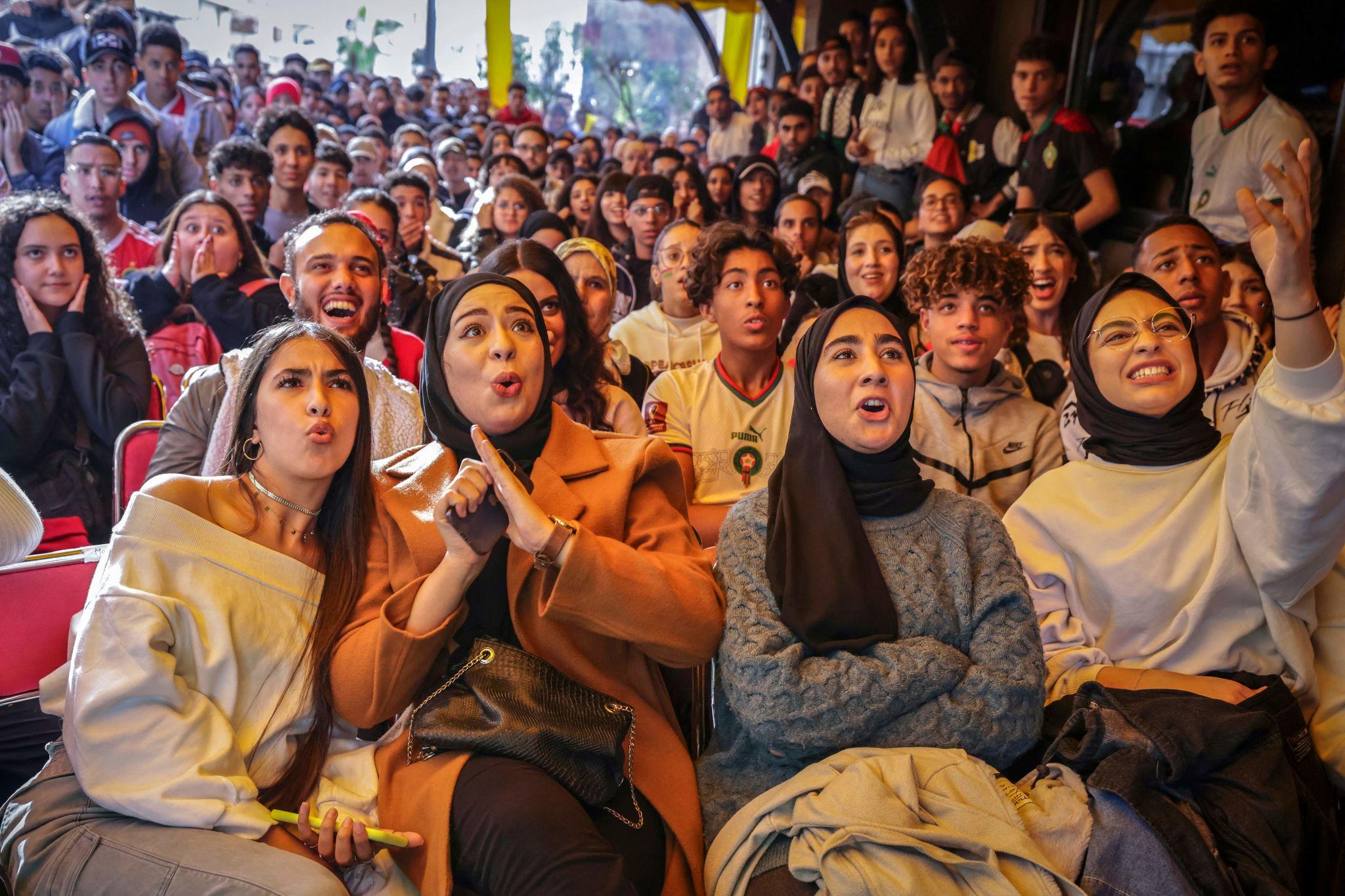
The best version of tonight is emotional but respectful. Families can joke, argue, celebrate and still sit at the same table. Friends can support different teams and still respect each other. Inside one family, generations may not feel the same thing: parents may feel Morocco first because they were born there, while children born in the Netherlands may feel closer to Dutch football culture. Some may support Morocco because family identity is strong. Others may avoid choosing at all. That generational difference makes the living room interesting — a family united by blood but divided by football emotion for 90 minutes. Whatever happens, the morning after will be strange: schools, offices and cafés will carry the result into the next day, and the question will not only be who won. It will be who you supported.
 Jamal Mahdad, Founder & Editor-in-Chief