

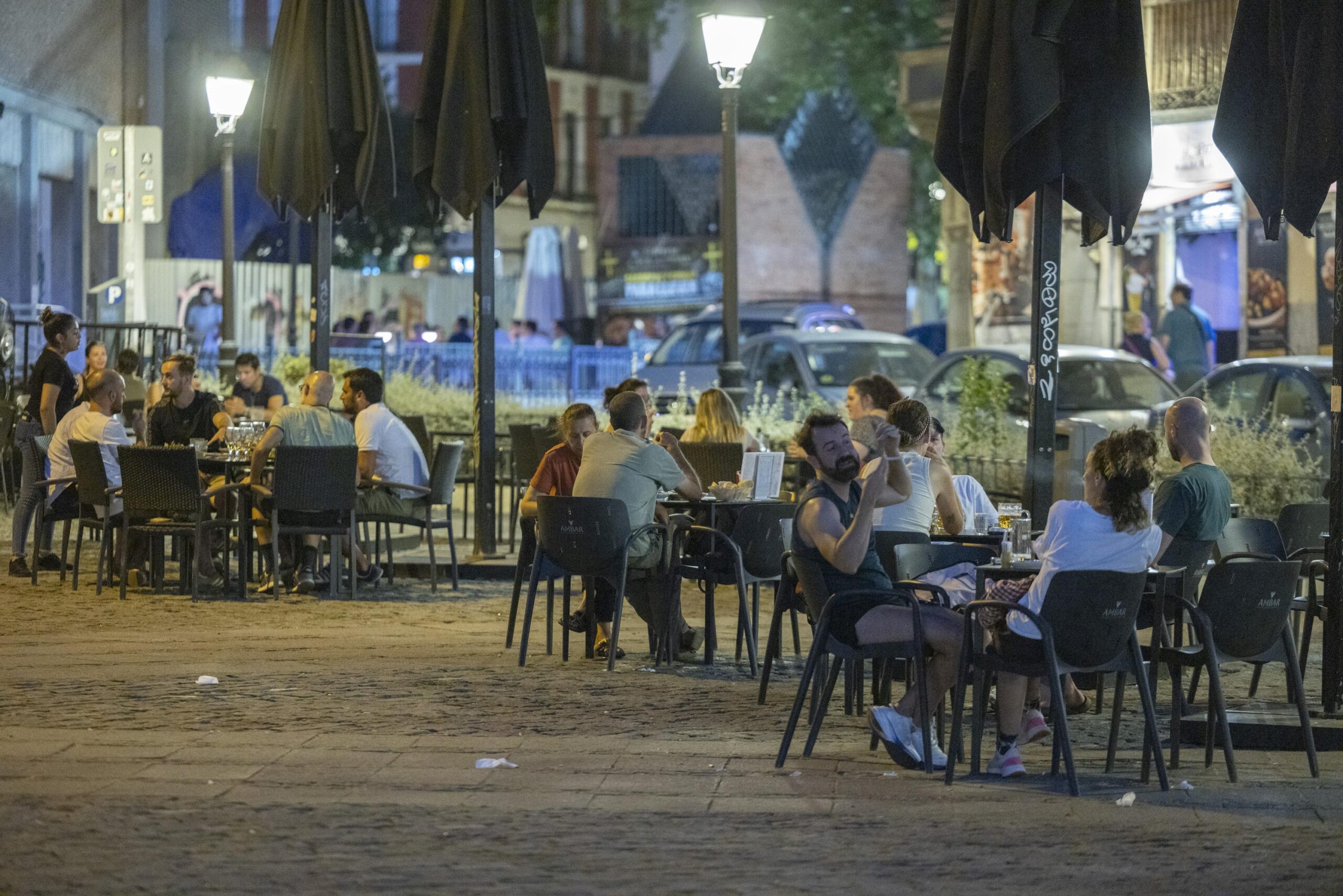
The Europe Hot Nightmare is no longer only about record-breaking afternoons. It is about what happens when the sun goes down and the heat refuses to leave.
For decades, European heatwaves were measured mainly by daytime peaks: the highest temperature, the hottest city, the most dangerous afternoon. But the new climate warning is increasingly nocturnal. Cities stay warm overnight, homes fail to cool, sleep becomes fragmented and the body enters the next day without recovery.
That is why Europe’s heat crisis now feels different.
The danger no longer ends at sunset.
Europe Hot Nightmare Is A Night-Time Crisis Too
The Europe Hot Nightmare matters because night-time heat changes the health equation.
A hot day is dangerous. A hot day followed by a hot night is more dangerous because the body loses its natural recovery window. The elderly, children, outdoor workers, people with chronic conditions and residents in poorly insulated homes become more exposed when the night offers no relief.
Reuters reported that scientists found Europe’s recent extreme heat would have been “virtually impossible” without human-driven climate change. The same reporting highlighted prolonged tropical nights as a serious risk because they prevent adequate overnight recovery.
This is the part of the heatwave story that cities can no longer ignore.
Heat Is Moving From Weather To Public Health
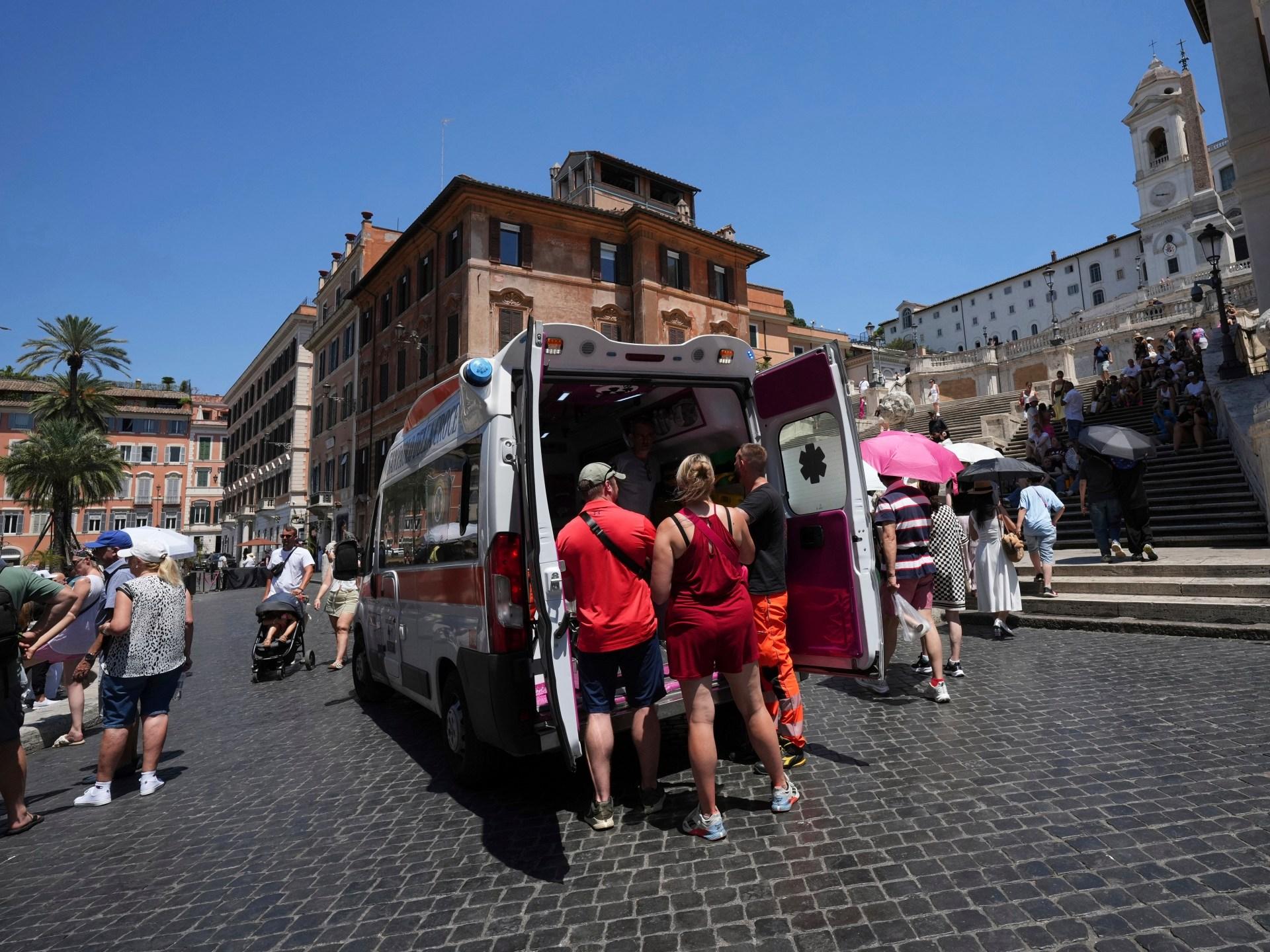
Extreme heat is often discussed like a weather event.
It should increasingly be treated as a public-health event.
The World Health Organization has warned that Europe may face more deadly weeks as another intense heatwave builds. The warning matters because heat affects the body directly: dehydration, cardiovascular stress, respiratory strain, sleep loss and higher risk for vulnerable people.
This changes the role of governments.
A heatwave is no longer only a forecast. It is a test of hospitals, housing, schools, care homes, labour rules, emergency communication and urban planning.
The state must manage heat like a predictable risk, not a seasonal surprise.
Tropical Nights Expose Europe’s Housing Weakness
Many European homes were designed to retain warmth, not release heat.
That made sense in a continent historically more worried about winter than summer. But in a hotter climate, the same housing stock becomes a vulnerability. Apartments trap heat. Upper floors become difficult to sleep in. Poor insulation, limited ventilation and lack of air-conditioning create a divide between those who can buy comfort and those who cannot.
The issue is no longer only temperature.
It is inequality.
People with modern housing, good cooling and shaded neighbourhoods experience heat differently from those in older buildings, dense urban areas and low-income homes. A tropical night can therefore become a social test as much as a climate signal.
Cities Are Storing The Heat
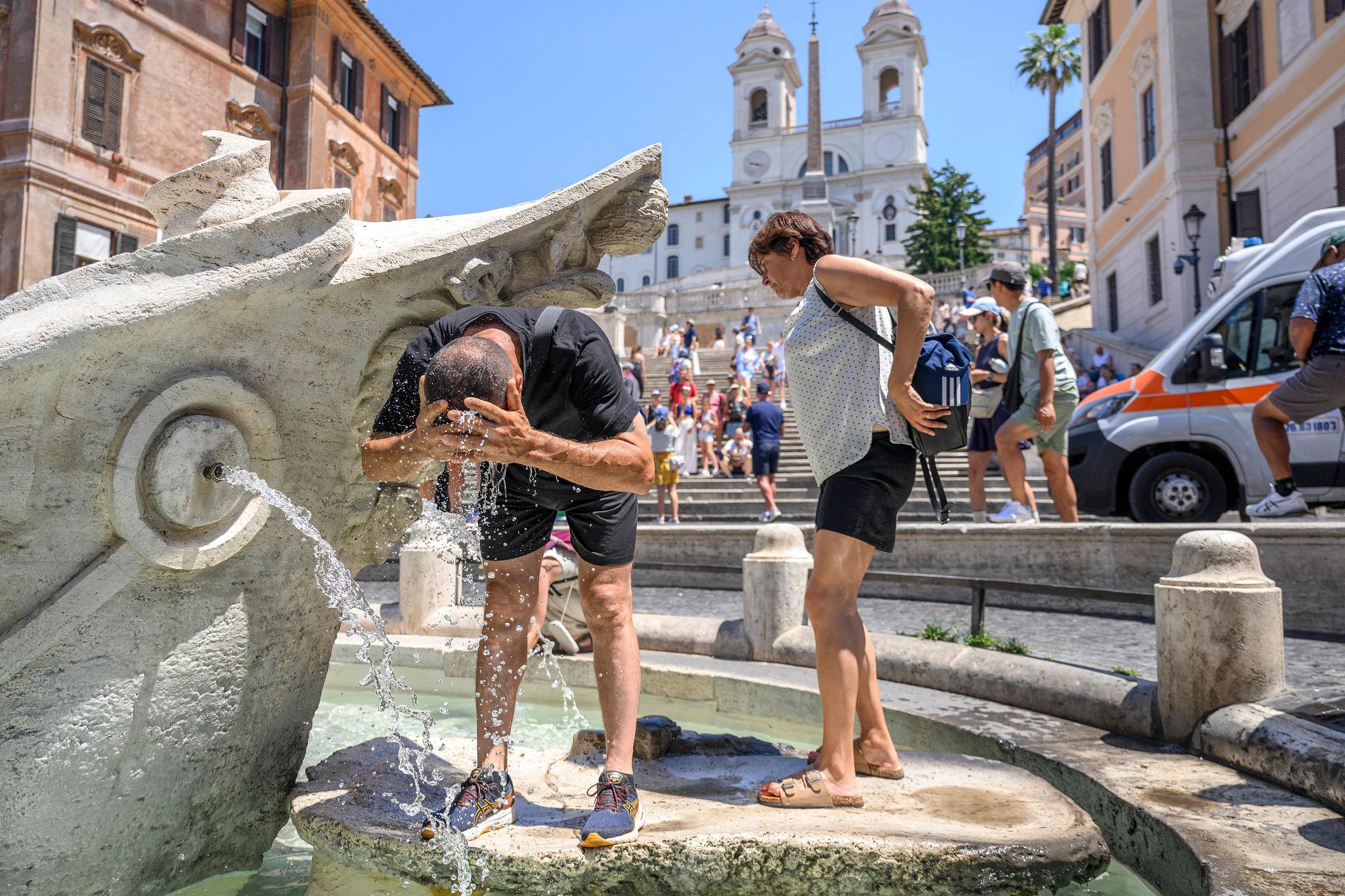
The urban heat problem does not stop when the weather forecast shows sunset.
Concrete, asphalt, stone buildings and dense streets absorb heat during the day and release it slowly at night. That keeps urban temperatures high and makes recovery harder for residents and visitors.
This matters for Europe’s most famous city destinations.
A city break depends on walking, eating outside, using public transport, visiting attractions and sleeping well. If streets remain uncomfortable and hotels must work harder to cool rooms, the entire visitor experience changes.
Extreme heat turns shade, trees, water access and cooling zones into infrastructure.
They are no longer decorative urban features.
They are economic and health assets.
Work And Productivity Are Under Pressure
The Europe Hot Nightmare also reaches the workplace.
A worker who sleeps badly performs worse the next day. Outdoor workers face direct heat exposure. Delivery riders, construction workers, agricultural labourers, transport staff and event workers all face higher risks when heatwaves become longer and more intense.
This creates a policy question.
Should working hours shift earlier or later during extreme heat?
Should cities restrict certain outdoor work during dangerous periods?
Should employers be required to adapt?
Southern European countries already understand some of this logic through siesta-like rhythms and heat alerts. Northern and Western Europe are now being forced to learn faster because their infrastructure and work habits were not built for repeated tropical conditions.
Tourism Is Being Repriced By Comfort
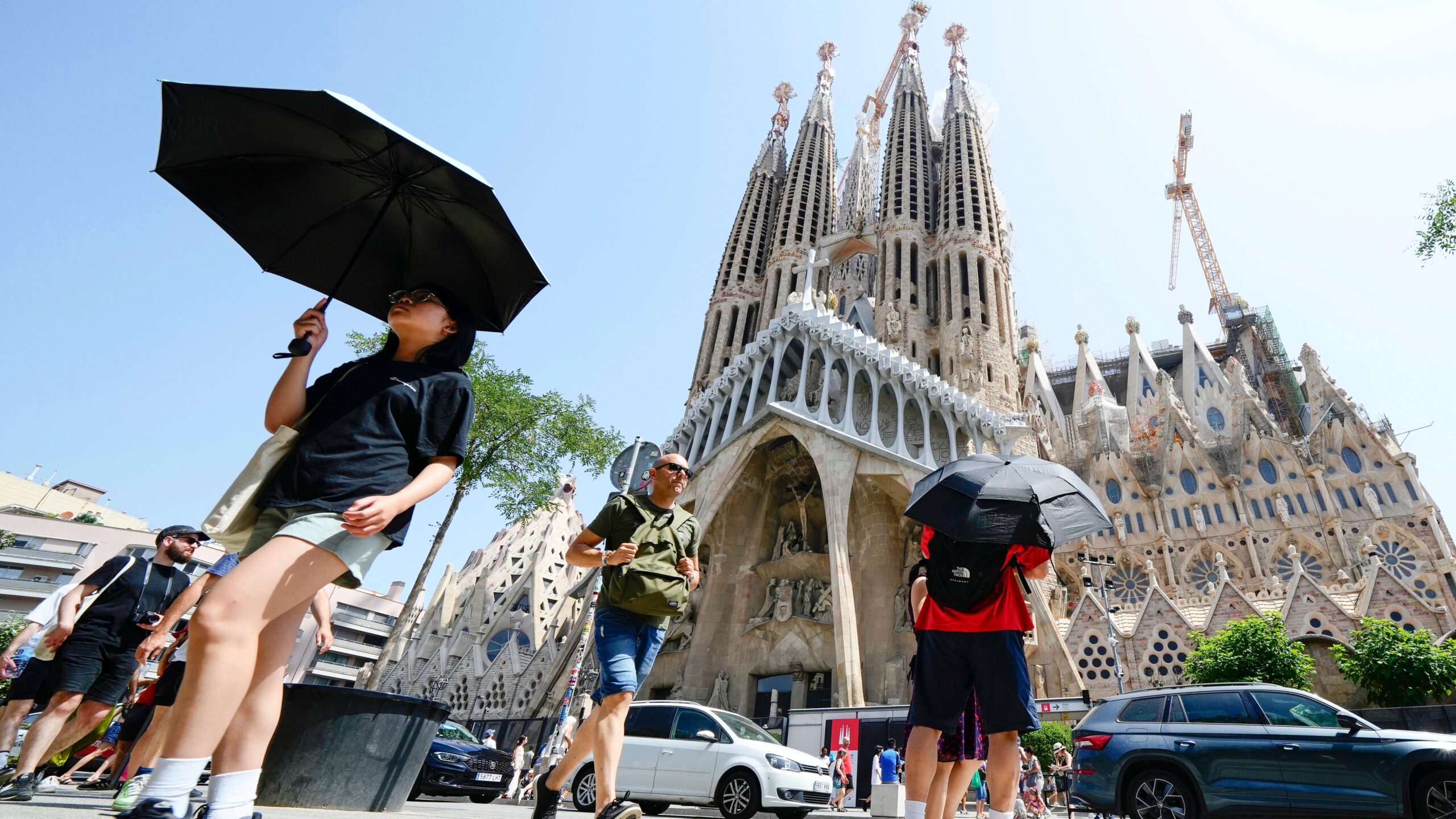
Tourism is one of the clearest industries affected by the night-time heat shift.
Travellers may still want Europe’s cities, beaches, museums, restaurants and festivals. But they increasingly judge destinations through comfort, safety and recoverability. A beautiful city loses value if visitors cannot sleep. A famous square loses appeal if families avoid it during the afternoon. A luxury hotel loses pricing power if its rooms cannot remain comfortable.
This is why heat becomes a commercial force.
It changes booking windows, hotel design, insurance risk, event timing and destination marketing.
The old tourism promise was sun.
The new one is controlled comfort.
Morocco Should Watch The European Signal
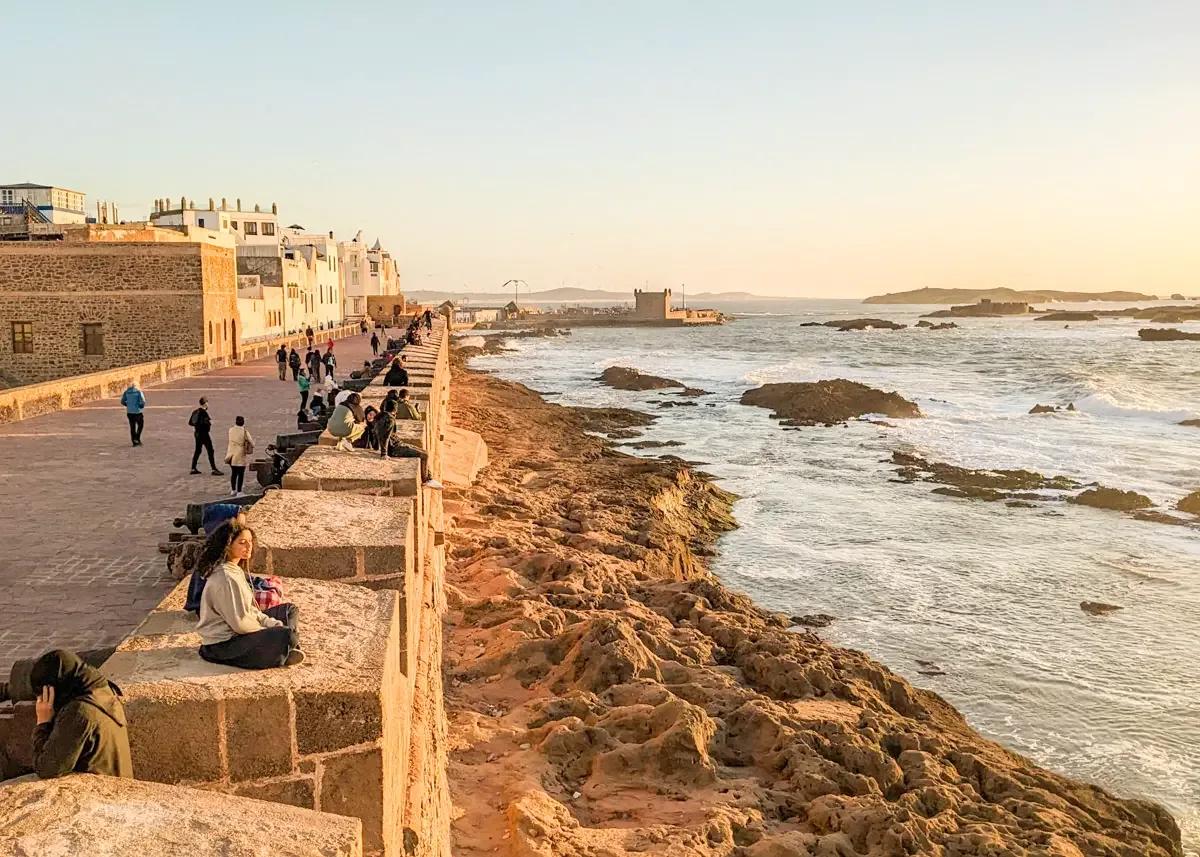
For Morocco, Europe’s heat crisis is not a distant story.
It affects the tourists Morocco wants to attract, the seasons they prefer, the type of comfort they expect and the way they compare destinations before 2030.
Morocco has heat exposure of its own, especially in inland destinations. But it also has strategic assets that may gain value in a climate-sensitive travel market: the Atlantic coast, northern cities, mountain routes and shoulder-season cultural tourism.
The lesson is not to pretend Morocco is cooler than Europe.
The lesson is to sell timing more intelligently.
A climate-smart Morocco can position Tangier, Rabat, Essaouira, Agadir, Dakhla and mountain itineraries as part of a more comfortable travel calendar, while promoting Marrakech, desert routes and inland experiences in the seasons when they perform best.
Climate Adaptation Is Becoming A Competitiveness Test
Europe’s experience shows that climate adaptation is no longer an environmental slogan.
It is competitiveness.
Cities that adapt faster will protect residents, visitors and businesses. Hotels that invest in cooling, shading and energy efficiency will protect margins. Transport systems that survive heat stress will protect trust. Tourism boards that understand seasonality will protect demand.
The opposite is also true.
Destinations that continue selling old summer fantasies without adapting may discover that tourists, workers and investors adjust before policymakers do.
Heat is becoming a market signal.
The Media Story Is Becoming Personal
Climate coverage often struggles when it sounds too abstract.
Average temperatures.
Long-term projections.
Emissions pathways.
Global targets.
Tropical nights make the story personal because everyone understands bad sleep. People understand waking up tired, keeping windows open, struggling in overheated apartments and starting the day already drained.
That makes the night-time heat story powerful.
It connects climate to the body, the home, the hotel room and the workplace. It shows that extreme weather is not only something that happens outside.
It follows people indoors.
The Political Pressure Will Rise
As heatwaves become more frequent, voters will ask harder questions.
Why are homes not adapted?
Why are cities not shaded?
Why are vulnerable people still exposed?
Why are workers not protected?
Why are emergency systems reacting instead of preparing?
These questions will become more political because heat creates visible inequality. Some people can escape to cooler homes, hotels, coastal towns or private vehicles. Others remain in overheated housing, public transport and exposed jobs.
The more heat becomes a daily-life crisis, the harder it will be for governments to treat adaptation as optional.
The Bottom Line
The Europe Hot Nightmare is the climate warning that no longer ends at sunset.
Extreme heat is now reshaping nights, sleep, health, cities, work and tourism. The World Health Organization is warning of more dangerous weeks, while scientists have linked Europe’s severe heat to human-driven climate change.
For Europe, the message is urgent: adaptation must move from speeches to buildings, hospitals, transport systems, labour rules and city design.
For Morocco, the signal is strategic before 2030.
The next tourism winner will not only be the destination with sun, culture or beauty. It will be the destination that understands comfort, timing and climate resilience.
The heat is no longer only a daytime story.
The night is now part of the warning.
 Jamal Mahdad, Founder & Editor-in-Chief