
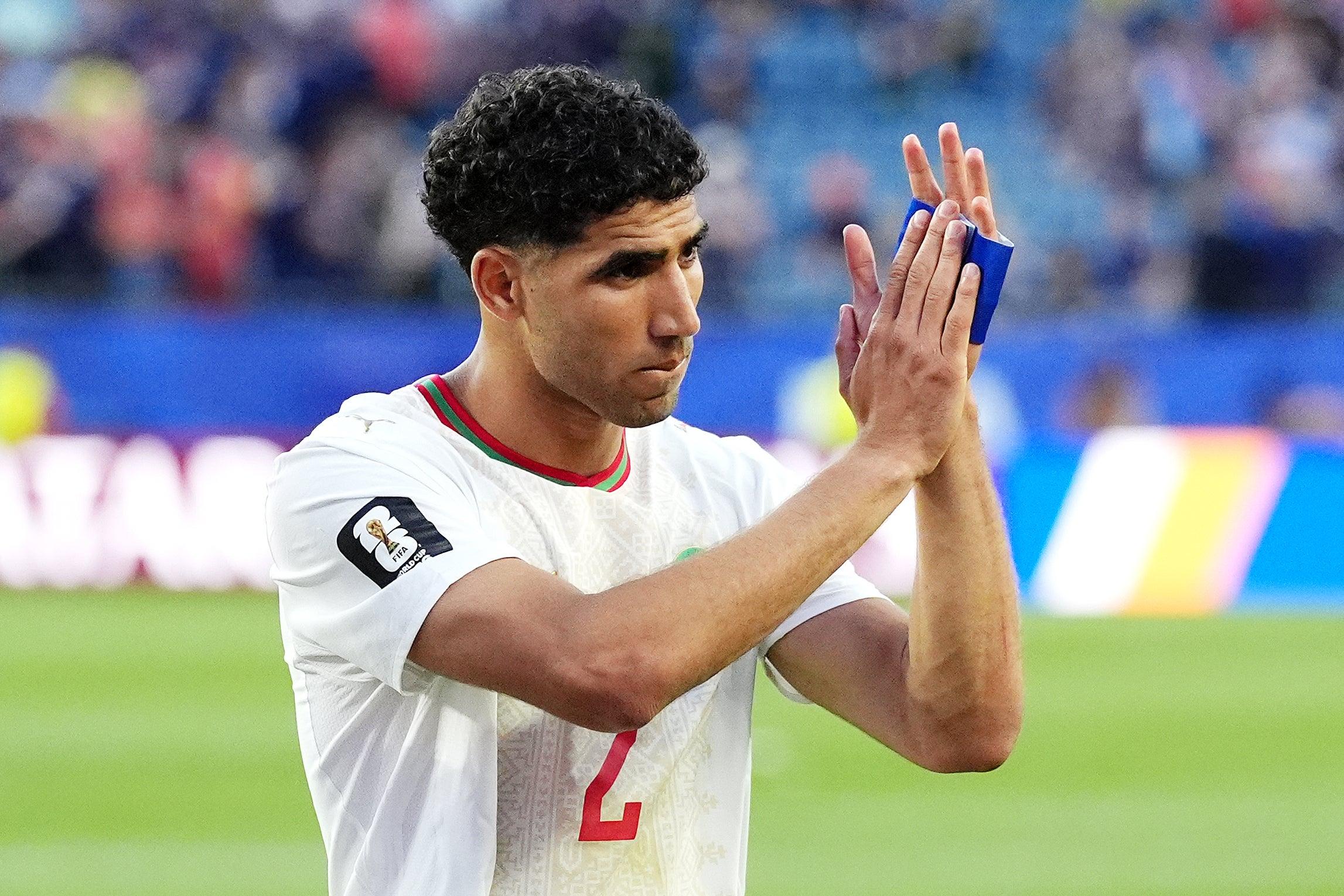
Morocco did not simply lose a quarter-final in Foxborough. The Atlas Lions closed another chapter in their international affirmation, leaving the 2026 World Cup with a painful 2-0 defeat to France, but also with a stronger position in the global football order than the scoreboard alone can show.
The result was decided in a six-minute French acceleration. Kylian Mbappe struck in the 60th minute, Ousmane Dembele followed in the 66th, and a match that Morocco had kept tactically alive for an hour suddenly moved beyond reach.
That is the cruelty of elite knockout football. Morocco were not outclassed for 90 minutes. They were punished in the short window where world-class teams turn control into damage.
France Exposed The Final Gap
The first half showed why Morocco now belongs at this level. Mohamed Ouahbi’s team stayed compact, disciplined and emotionally controlled, refusing to turn the match into the open transition game France wanted.
But the second half exposed the next ceiling. France did not need constant domination. They needed one period of higher speed, cleaner execution and sharper individual quality. Once Mbappe and Dembele began attacking the spaces with more directness, Morocco’s defensive structure had to absorb pressure without enough counterweight from the bench. That is where the difference became visible. France could change rhythm without losing quality. Morocco could resist, but not refresh the match at the same level.
The Saibari Absence Was A Tactical Problem, Not A Footnote
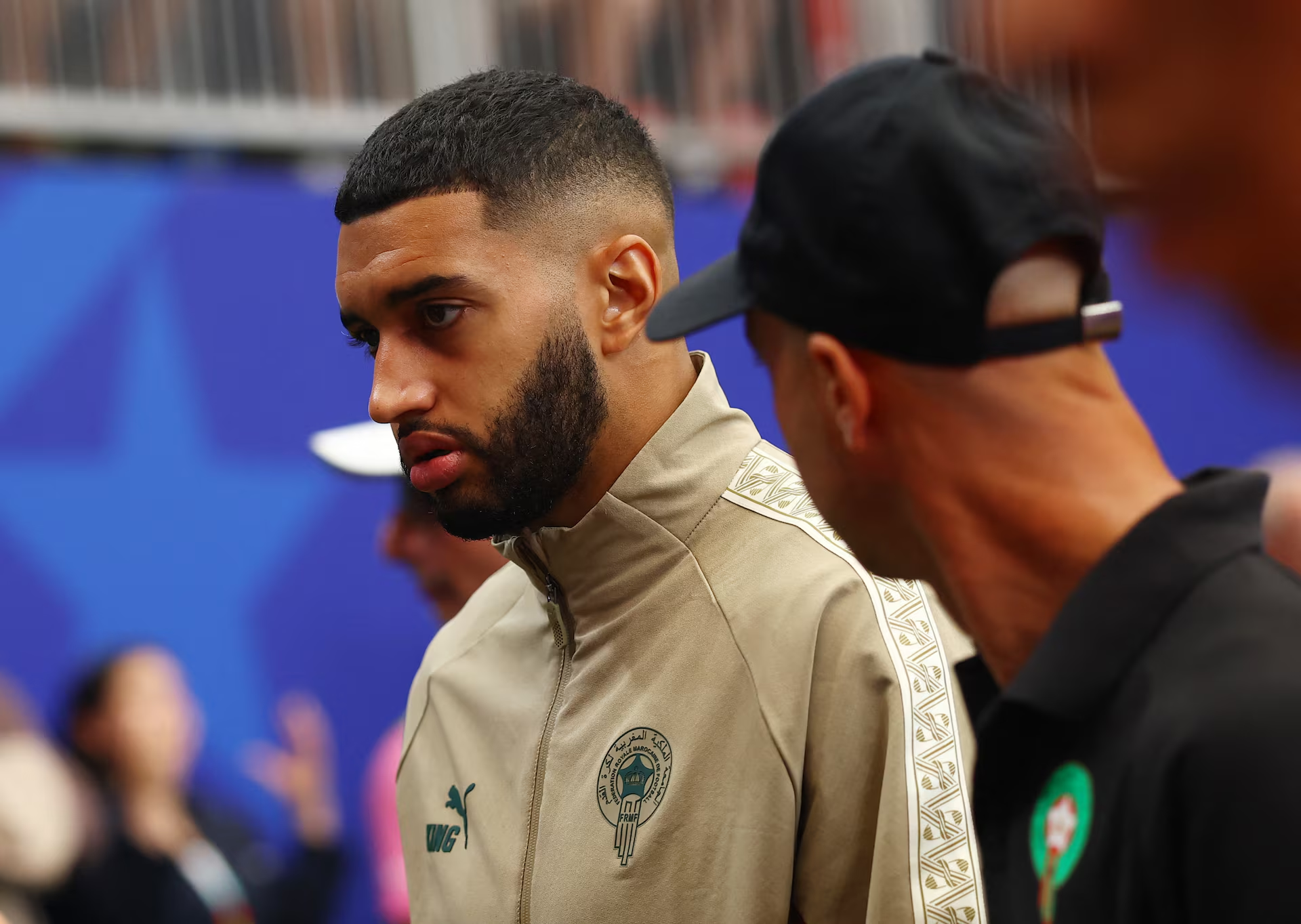
The absence of Ismael Saibari cannot be treated as a polite side note. It was not the reason Morocco lost, but it revealed the deeper issue that separates a rising football nation from a title-level machine: squad depth.
Saibari had become more than a useful forward during this tournament. He offered pressing energy, vertical movement and an extra attacking connection between midfield and the front line. Against a team like France, those details matter because they give a side a way to escape pressure and force the opponent to defend backward. Without him, Morocco lost one of the players capable of stretching the French block and disturbing its defensive comfort. The starting eleven could still compete, but once the match required fresh physical impact and attacking variation, Ouahbi had fewer credible options than France. That is the hard lesson of Foxborough. At the highest level, losing one important player should not destabilise the attacking balance of an entire system.
Six Minutes That Defined The Level
The match was not lost through collapse. It was lost through a brief but brutal difference in execution. Between the 60th and 66th minutes, France showed the efficiency of a team built for the final stages. They increased the tempo, moved the ball with more purpose and attacked Morocco’s concentration at precisely the moment when fatigue and emotional tension began to appear.
Elite teams do not need long periods of superiority. They need windows. France found one and turned it into two goals. For Morocco, this is the managerial lesson. The team has reached a level where tactical organisation can keep it competitive against world champions and tournament favourites. The next step is building enough depth, substitution power and late-game control to survive the decisive six-minute storms.
Morocco’s New Standard Is No Longer Sympathy
This defeat hurts because expectations have changed. Before 2022, a quarter-final exit would have been celebrated as an extraordinary national achievement. After the semi-final run in Qatar and another deep campaign in 2026, Morocco are no longer judged only by the romance of participation.
That is progress. The Atlas Lions have moved from admiration to accountability. The country no longer wants the world to say Morocco played with heart. It wants Morocco to be assessed with the same seriousness as the teams that expect to reach semi-finals and finals. That shift is uncomfortable, but necessary. A serious football nation must accept serious criticism.
France Were Better, But Morocco Were Not Small
France deserved the win. They had more individual danger, more bench power and more experience in managing decisive moments. Mbappe remains a player who bends defensive planning around him, while Dembele gave France the second strike that ended Moroccan resistance.
But the defeat should not shrink Morocco’s tournament. The Atlas Lions did not leave as a one-off outsider. They left as a team that has now produced back-to-back World Cup campaigns with genuine international weight. The 2022 run made Morocco a symbol. The 2026 run made that symbol harder to dismiss as emotion or luck. That distinction matters. A miracle happens once. A pattern changes perception.
The Soft Power Value Is Real
Morocco’s football run is now part of the country’s export image. The effect goes beyond cafes, flags and emotional fan scenes. Those are visible, but they are not the full story. The deeper value is that Moroccan football has become a recurring global media product: watched, clipped, debated and distributed across Western, African, Arab and diaspora audiences.
That visibility has strategic value before 2030. Morocco is preparing to co-host the World Cup with Spain and Portugal, and the national team’s credibility now strengthens the tournament narrative. The country will not enter 2030 only as an infrastructure host. It will enter as a football market with recent knockout legitimacy, a global fanbase and a national brand already tested on the biggest stage. That is a soft-power asset no tourism campaign can fully buy.
Football Is Becoming A Moroccan Brand Channel
The modern World Cup is not only a sports competition. It is a branding platform. Every deep run creates content, attention and emotional association. Morocco’s football identity now connects the country with resilience, tactical discipline, diaspora energy, stadium colour, African ambition and Arab representation. That mix is commercially valuable because it travels across markets.
For tourism, it builds recognition. For sponsors, it creates emotional reach. For 2030, it gives Morocco a stronger story than stadiums alone. Infrastructure can host a tournament. A national team can make the world care about it.
The 2030 Project Now Has A Stronger Base
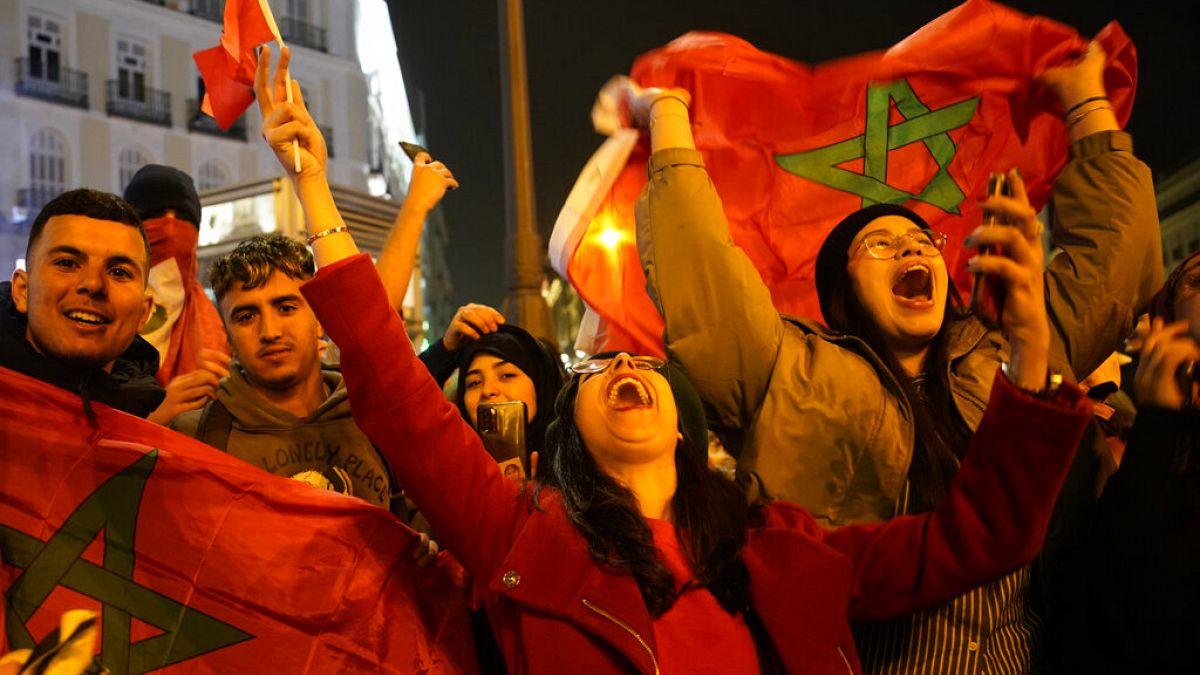
Morocco’s 2030 challenge is no longer only logistical. It is narrative. The airports, rail links, stadium upgrades, hotels and host-city planning will matter. But the emotional success of 2030 will depend partly on whether Morocco feels like a football country ready for the centre of the stage.
The 2022 and 2026 campaigns have helped answer that question. Morocco now has evidence of competitive credibility. It has recent World Cup memories that global audiences remember. It has players with international recognition and a fan culture that television understands immediately. That does not guarantee success in 2030. But it gives the country a stronger platform than most host nations can build through planning documents alone.
The Real Lesson Is Depth And Continuity
If Foxborough gives Morocco one clear instruction, it is this: the project must deepen. The starting eleven can compete with elite teams. The tactical culture has improved. The psychological barrier has been broken. But the bench must become more powerful, the attacking alternatives must become more varied, and the system must be able to lose an important player without losing too much of its identity.
This is where the next investment in Moroccan football must be judged. Youth development, elite conditioning, player pathways, tactical education and high-level squad competition are no longer abstract federation topics. They are the difference between a proud quarter-final exit and a semi-final return. Morocco has reached the room. Now it has to build the depth to stay there.
The Bottom Line
France ended Morocco’s 2026 World Cup run with a 2-0 quarter-final win built on six decisive second-half minutes from Kylian Mbappe and Ousmane Dembele. The result was heartbreaking, but the lesson is sharper than the sadness. Morocco have proved they belong near the elite level, but Foxborough showed that elite football punishes shallow margins, thin benches and brief lapses with ruthless speed.
This was not the end of Morocco’s football rise. It was a management report on its next phase. The Atlas Lions leave with pain, status and a clear mandate before 2030: keep the identity, deepen the squad, and turn global admiration into lasting football power.