
With more than MAD 600 million invested over three years and a distribution network spanning 110,000 retail outlets, Sanipak Maroc has built a substantial industrial platform. Under former Nestlé executive Imane Zaoui, the challenge is now to turn that scale into sustained commercial growth.
CASABLANCA — After nearly two decades at Nestlé, Imane Zaoui is leading a different kind of consumer goods operation: a Moroccan hygiene business combining local manufacturing, established brands and nationwide distribution.
Sanipak Maroc has invested more than MAD 600 million over three years, according to figures released in May 2026, expanding an industrial platform serving more than 110,000 retail outlets.
The investment programme spans a period beginning before Zaoui's appointment in 2024. But its commercial potential is now central to her mandate.
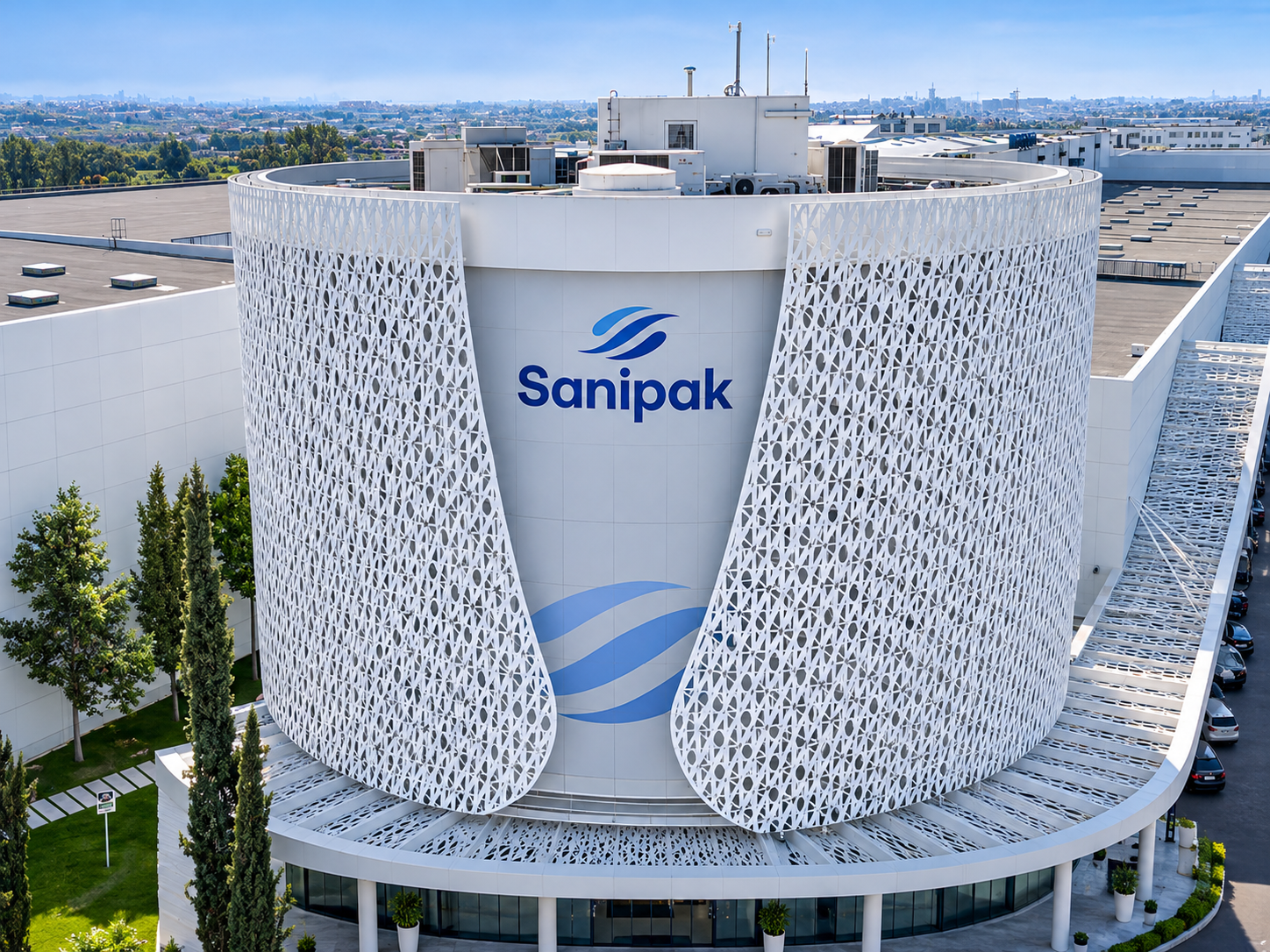
With manufacturing facilities in Berrechid and Bouskoura, more than 400 employees and a portfolio spanning multiple consumer segments, Sanipak has established a sizeable presence in Morocco's household hygiene industry.
Its next challenge is commercial rather than simply industrial: converting production capacity and distribution reach into measurable growth.
From Nestlé to the Challenge of Industrial Integration
A graduate of ISCAE Business School, Zaoui spent almost 18 years at Nestlé, advancing through trade marketing and sales before becoming the first woman to lead its Moroccan sales operation in 2016.
In January 2020, she became General Manager of Nestlé Morocco.
Her move to Sanipak in 2024 followed the acquisition of Jeesr Industries, a Moroccan tissue-paper manufacturer that strengthened the group's domestic industrial capabilities.
The transition presented a different management challenge: integrating an acquired business while preserving operational continuity and developing a wider commercial strategy.
In a 2025 interview published by Sanipak's then-parent Eczacıbaşı, Zaoui said the integration had avoided business interruptions and achieved its initial objectives.
She outlined three priorities: expanding distribution and launching products, improving operational efficiency through digitalisation and planning, and strengthening environmental and workplace standards.
Her ambition was to double the size of Sanipak Maroc's business within three years — a target that remains to be demonstrated through reported financial performance.
MAD 600 Million Behind a National Retail Network
Sanipak's expansion reflects a broader strategy of developing local production rather than relying primarily on imported finished goods.
During Industry and Trade Minister Ryad Mezzour's visit to Berrechid on May 22, 2026, the company reported more than MAD 600 million in investments over the preceding three years.
Its distribution network covers more than 110,000 retail outlets, supplying brands including Selpak, Pandoo, Sany and Dalina.
The breadth of that network matters in a market where purchasing decisions are shaped by affordability, brand recognition and product availability.
Zaoui has identified increasing consumer sensitivity to prices, competition from private labels and the growth of discount retail as significant market trends.
Sanipak's response combines accessible product ranges with premium offerings, supported by relationships with traditional retailers, wholesalers and emerging digital sales channels.
Yet distribution reach alone does not establish market leadership. Without independently available revenue, margin and market-share data, the financial returns from the company's industrial investment remain difficult to assess.
A New Shareholder and a Bigger Commercial Test
Sanipak's Moroccan operations now sit within a changed ownership structure.
On March 20, 2026, Eczacıbaşı Holding signed an agreement to sell Sanipak to Arch Peninsula, a Malaysia-registered company.
The transaction, completed on July 31, was based on a $600 million enterprise valuation, subject to financial adjustments. That valuation covered the wider Sanipak business, not Morocco alone.
The acquisition adds another dimension to Zaoui's responsibilities as the Moroccan operation moves forward under a new shareholder.
The immediate challenge is to maintain operational continuity while pursuing the growth ambitions outlined before the ownership change.
For Sanipak Maroc, the industrial investment has already been made, and the distribution platform is extensive.
The harder measure of success will be whether those assets can deliver sustained revenue growth, stronger profitability and a more competitive position in Morocco's household hygiene market.