
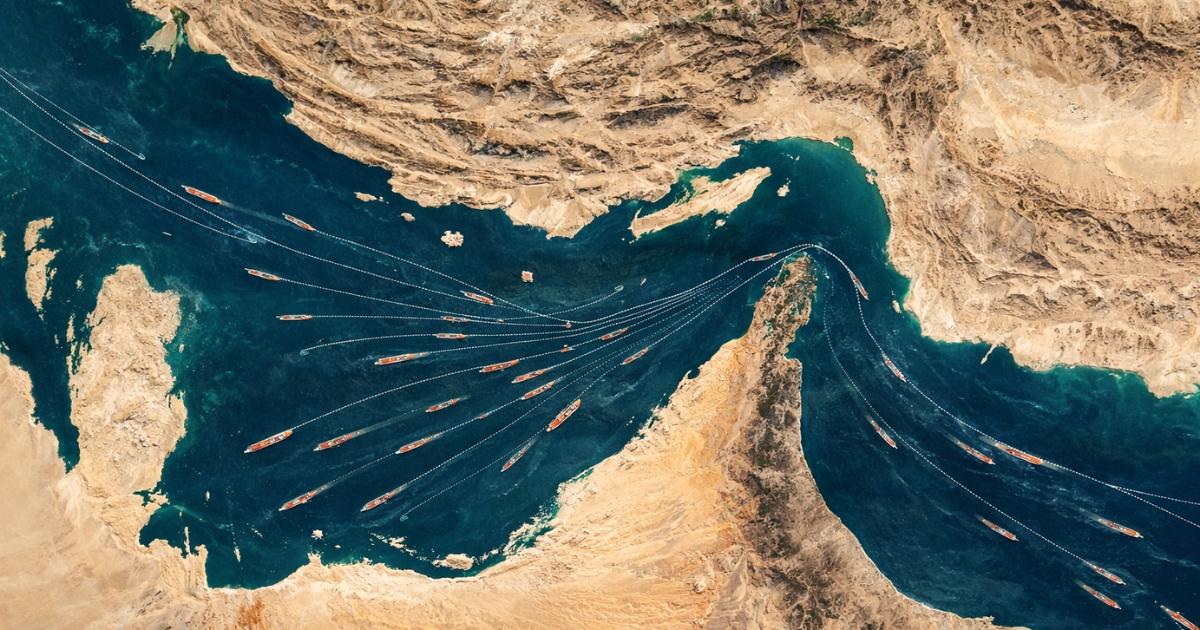
The Hormuz Oil Shock is back at the centre of global market anxiety, reminding investors that one narrow waterway can still shake oil prices, currencies, inflation expectations and stock markets at the same time.
After renewed conflict in the Gulf and Iran’s claim that it had closed the Strait of Hormuz, global shares came under pressure and crude prices jumped sharply. Reuters reported that Brent crude rose 4.3% to $79.31 a barrel, while U.S. crude climbed 4.4% to $74.62.
That is not only an energy-market move.
It is a global warning signal.
Hormuz Oil Shock Is A Market Stress Test
The Hormuz Oil Shock matters because markets do not fear only today’s price.
They fear the chain reaction.
Oil affects transport, food, airlines, shipping, manufacturing, inflation, interest rates and consumer confidence. When crude prices rise suddenly because of geopolitical risk, investors are forced to recalculate more than energy company profits.
They must ask whether inflation returns.
They must ask whether central banks become more aggressive.
They must ask whether households face higher fuel costs.
They must ask whether global trade routes are becoming less predictable.
That is why Hormuz is not a regional story. It is a pressure point inside the global economy.
Oil Prices Move Faster Than Policy
The first risk is speed.
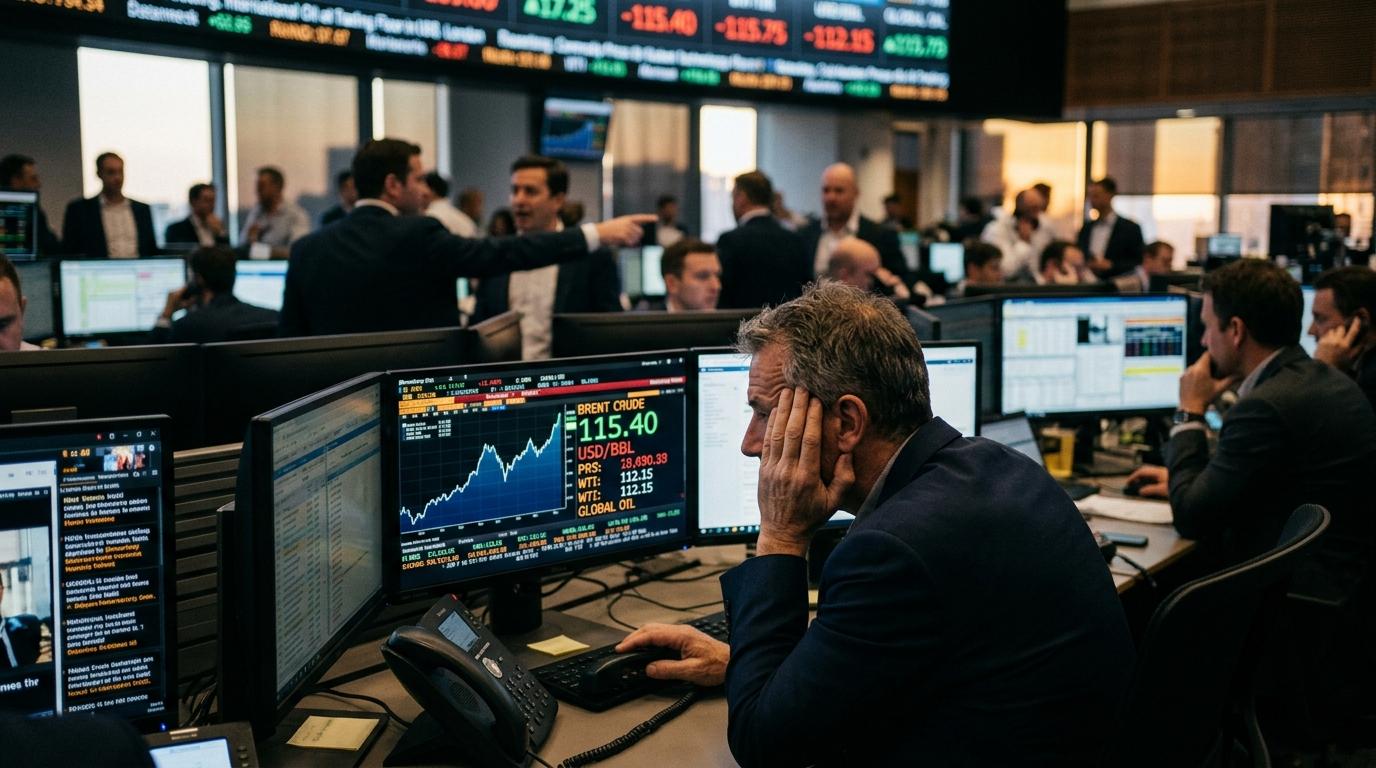
Governments can issue statements. Central banks can monitor data. Diplomats can call for restraint. But oil markets can reprice risk immediately.
That is what makes a chokepoint crisis dangerous.
If traders believe shipping is at risk, prices can move before the physical supply loss is fully measured. The market is not only pricing barrels that may be lost today. It is pricing fear that the next disruption could be larger, longer or harder to contain.
This is why a Hormuz shock can feel bigger than the initial numbers.
It is the uncertainty premium that hurts.
Inflation Fears Return Quickly
The second risk is inflation.
Oil is not just another commodity. It sits inside the cost structure of modern life. Fuel prices affect transport. Transport affects food and goods. Energy prices affect businesses. Businesses may then pass costs to consumers.
Reuters reported that the oil spike renewed global inflation concerns, pushed up U.S. Treasury yields and strengthened the dollar.
That combination matters.
If inflation expectations rise again, central banks may have less room to cut rates or may even face pressure to tighten policy. For consumers, that means a geopolitical crisis can show up later in fuel bills, travel costs, grocery prices and borrowing conditions.
Oil shocks rarely stay inside oil.
The Dollar Becomes A Safe-Haven Magnet
The third risk is currency pressure.
Reuters reported that the dollar strengthened against most major currencies after renewed Middle East attacks and the Hormuz closure claim, as investors moved toward safety and priced the possibility of tighter monetary policy.
A stronger dollar can create secondary pressure around the world.
Many commodities are priced in dollars. Emerging markets with dollar debt can face higher servicing costs. Importers may pay more for energy. Financial conditions can tighten even outside the United States.
This is why the dollar move matters.
It shows that investors are not treating Hormuz as an isolated oil story. They are treating it as a broader global-risk event.
Stock Markets Hate Energy Uncertainty
The fourth risk is equity-market pressure.
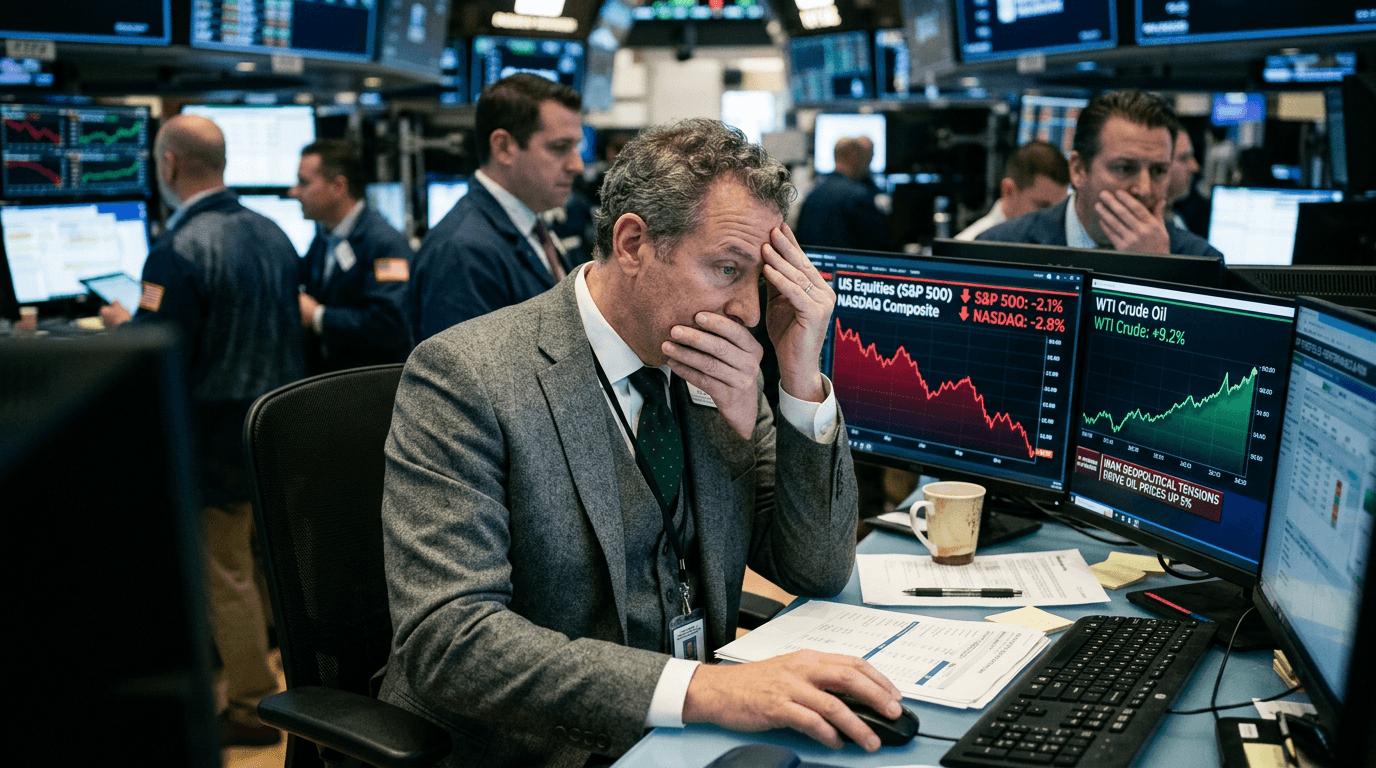
Shares can struggle when oil rises for the wrong reason. Energy producers may benefit from higher prices, but the wider market often sees danger: higher costs, lower margins, weaker consumer spending and more uncertainty around interest rates.
Reuters reported that global share markets declined on Monday as Gulf conflict sent oil prices surging. Asian markets were hit hard, with Japan’s Nikkei falling 2.2% and South Korea’s KOSPI dropping 7.6% under pressure that also involved semiconductor concerns.
This shows how quickly one geopolitical shock can mix with other market vulnerabilities.
Oil, tech valuations, interest rates and currency moves do not travel separately in a nervous market. They collide.
Shipping Risk Is The Real Fear
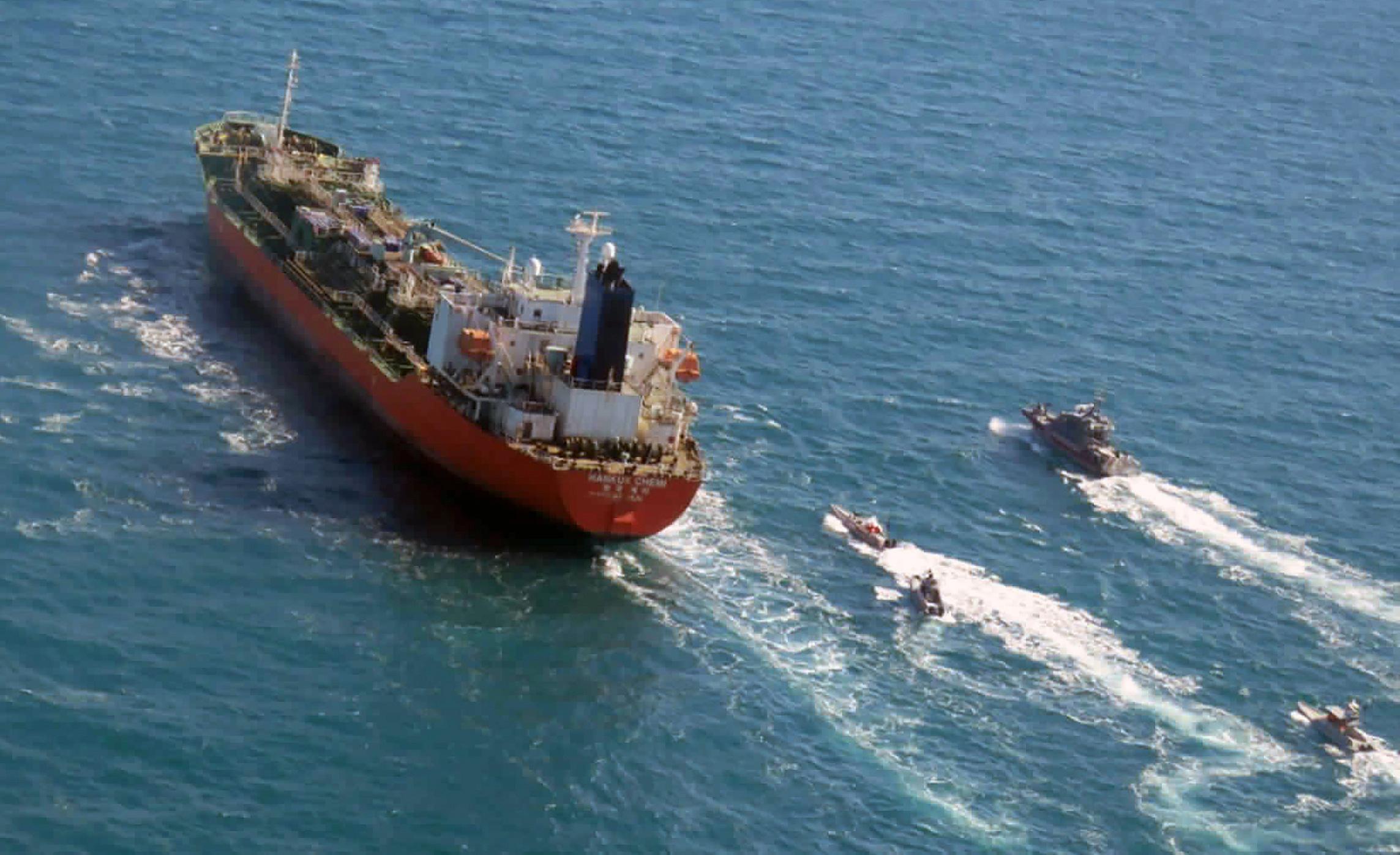
The fifth risk is shipping.
The Strait of Hormuz matters because it is one of the world’s most important energy corridors. When markets believe the flow through the strait is threatened, the question becomes not only how much oil exists, but whether it can move safely and reliably.
This is the part investors watch closely.
A short disruption can be absorbed if alternative routes, inventories and diplomatic pressure contain the damage. A longer disruption creates more serious questions for refiners, airlines, shipping companies, insurers and governments.
The market does not need a full shutdown to become nervous.
It only needs enough uncertainty to raise the cost of moving energy.
The Gulf Crisis Reaches The Pump
For ordinary households, the Hormuz story can feel distant until it reaches fuel prices.
That is often how global geopolitics becomes personal.
A conflict thousands of kilometres away can influence the price of petrol, flight tickets, freight, imported goods and household budgets. Even if the direct impact is delayed, expectations can change quickly.
Businesses also react.
Airlines monitor jet fuel costs. Shipping companies assess insurance and routing. Retailers watch transport expenses. Governments worry about inflation narratives at a politically sensitive moment.
A chokepoint crisis does not remain on trading screens.
It moves through the economy.
Energy Importers Face The Hardest Test
Countries that import most of their energy are especially exposed.
They may face higher import bills, weaker trade balances and more pressure on household costs. If their currencies weaken against the dollar at the same time, the shock can become sharper.
This is why oil shocks matter for emerging markets and energy-dependent economies.
The pain is not only the barrel price.
It is the barrel price multiplied by currency pressure, logistics cost and consumer sensitivity.
A country with strong reserves, diversified supply and stable fiscal buffers can absorb more pressure. A country with weaker buffers feels the shock faster.
Morocco Should Watch The Inflation Channel
For Morocco, the Hormuz Oil Shock is not abstract.
The country is not an oil producer, and imported energy costs matter for inflation, transport, public budgets, business margins and household purchasing power. A sustained rise in crude prices can complicate the economic environment even if the immediate market shock begins far away.
The tourism sector also has exposure.
Higher fuel costs can affect airlines, ticket prices and travel demand. If global consumers feel squeezed by energy inflation, discretionary travel may weaken. For a country building toward 2030, this is an external risk that must be monitored carefully.
Morocco cannot control Hormuz.
But it can prepare for energy-price volatility.
The Market Is Asking For Clarity
The next question is whether the crisis escalates or stabilises.
Markets can absorb risk when they understand its limits. They struggle when every headline changes the range of possible outcomes.
If shipping flows continue, oil prices may settle. If attacks expand or insurance costs rise, the risk premium could stay elevated. If central banks begin to worry that energy inflation will feed broader prices, financial markets may face a second layer of pressure.
This is why clarity matters.
Investors are not only trading oil.
They are trading the probability of a wider economic shock.
The Chokepoint Lesson Is Bigger Than Oil
Hormuz also reminds the world that globalisation still depends on physical routes.
Markets can look digital, but energy still moves through ships, ports, pipelines and narrow maritime corridors. When one chokepoint comes under pressure, the entire global system remembers its physical vulnerability.
This lesson applies beyond oil.
Food, fertiliser, gas, semiconductors, shipping containers and critical minerals all depend on routes that can be disrupted by conflict, weather, accidents or political decisions.
Resilience is no longer a technical word.
It is a market premium.
The Bottom Line
The Hormuz Oil Shock is a reminder that global markets remain deeply exposed to geopolitical chokepoints.
After renewed Gulf conflict and Iran’s claim of a Hormuz closure, oil prices jumped, the dollar strengthened and global shares fell as investors priced inflation risk, shipping uncertainty and the possibility of tighter financial conditions.
The immediate numbers matter, but the wider lesson is bigger.
Oil shocks do not stay in oil. They travel through currencies, interest rates, airlines, food prices, consumer confidence and government budgets.
For Morocco and other energy-importing economies, the message is clear: the next pressure point may begin in a strait, but it can end at the pump, in the supermarket and across the wider economy.