

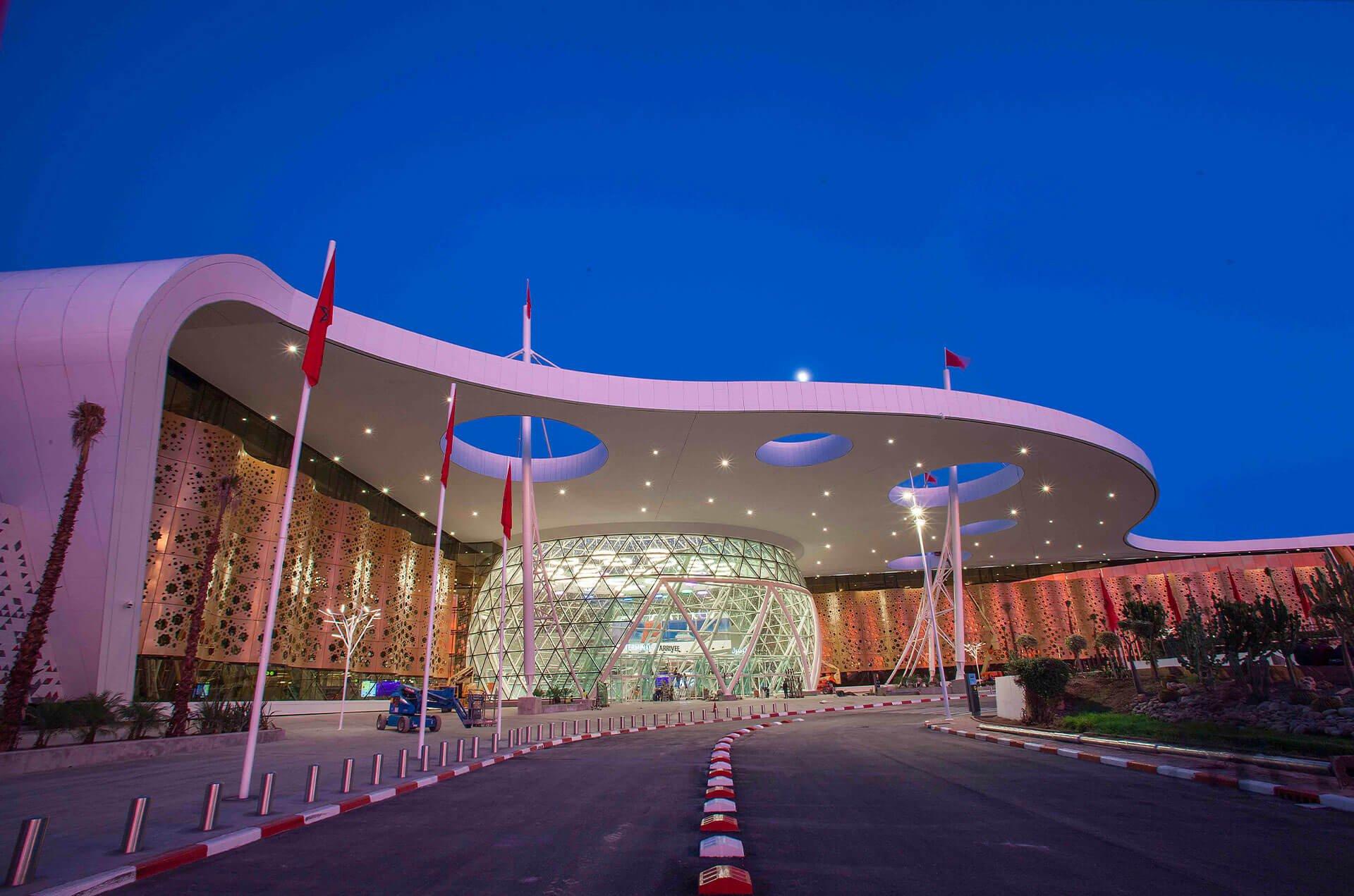
Morocco’s airports handled 18.83 million passengers during the first half of 2026.
The figure confirms the strength of the country’s aviation market and the continued expansion of tourism, business travel and diaspora mobility.
It also reveals a more difficult reality.
Passenger growth does not automatically create a better travel experience.
When traffic rises faster than terminal capacity, staffing, baggage systems, immigration processing and ground transport, commercial success can quickly become operational pressure.
Morocco’s next aviation challenge is therefore not simply attracting more passengers.
It is ensuring that millions of additional journeys remain efficient from arrival at the airport to departure from the terminal.
Growth Is Becoming National
Morocco’s aviation expansion is no longer concentrated in Casablanca.
Mohammed V International Airport remains the country’s principal gateway and the central hub of Royal Air Maroc. But airports in Marrakech, Agadir, Tangier, Rabat and Fez are becoming increasingly important as airlines add direct international routes.
This wider distribution is strategically valuable.
Direct connections bring travellers closer to their final destination, reduce the need for domestic transfers and allow more regions to benefit from tourism spending.
They also support business travel, diaspora mobility and international investment outside Morocco’s traditional commercial centre.
A traveller flying directly to Tangier, Agadir or Marrakech is more likely to spend time and money in that region rather than treating Casablanca as the unavoidable entry point.
But a broader airport network also creates a broader execution challenge.
Every growing airport requires adequate check-in capacity, immigration desks, security lanes, baggage handling, parking, public transport and trained personnel.
An expanding route map must be supported by an equally capable service system.
The Airport Is Part Of The Tourism Product
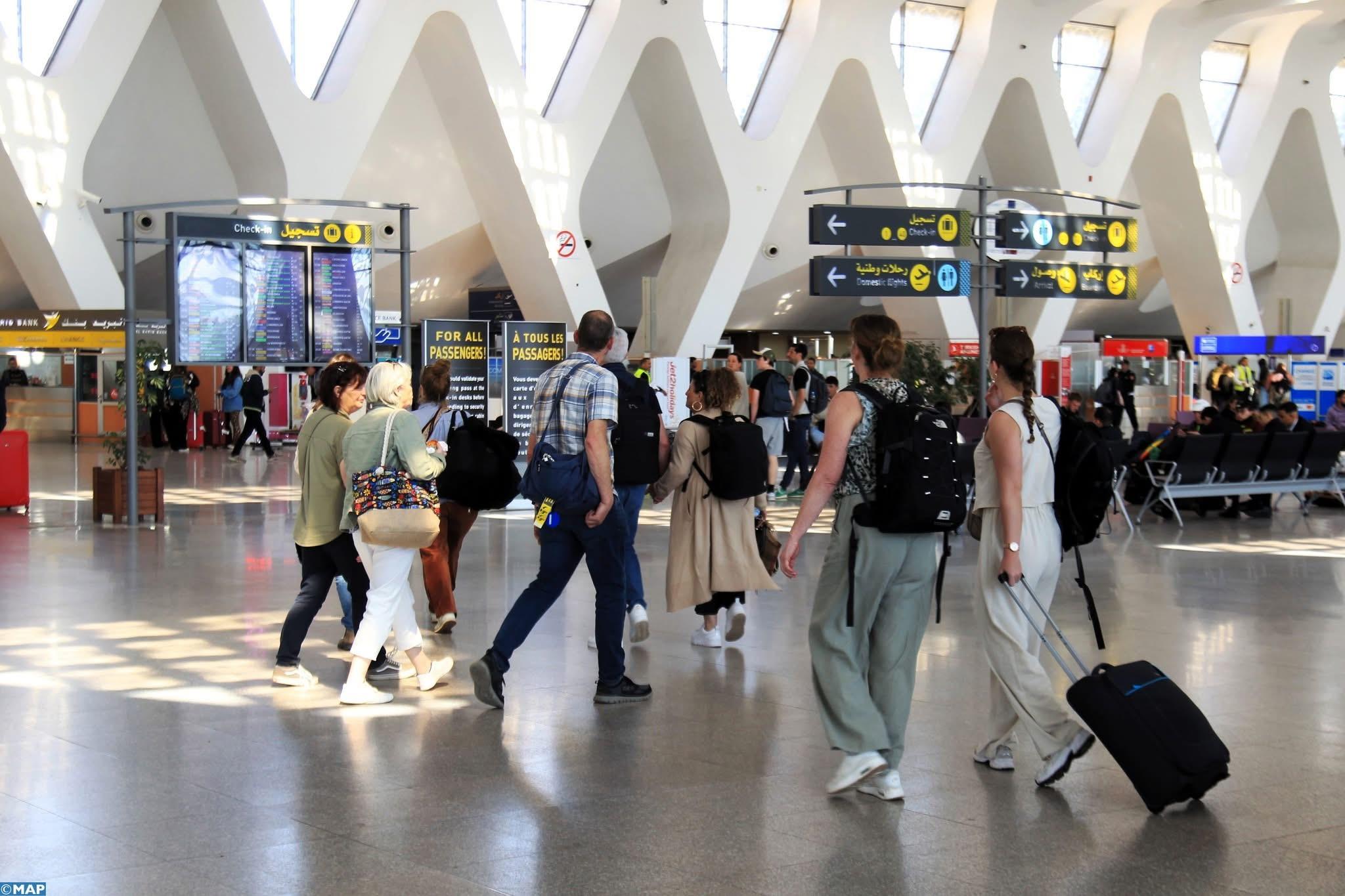
A visitor’s impression of Morocco does not begin at a hotel, restaurant or historical monument.
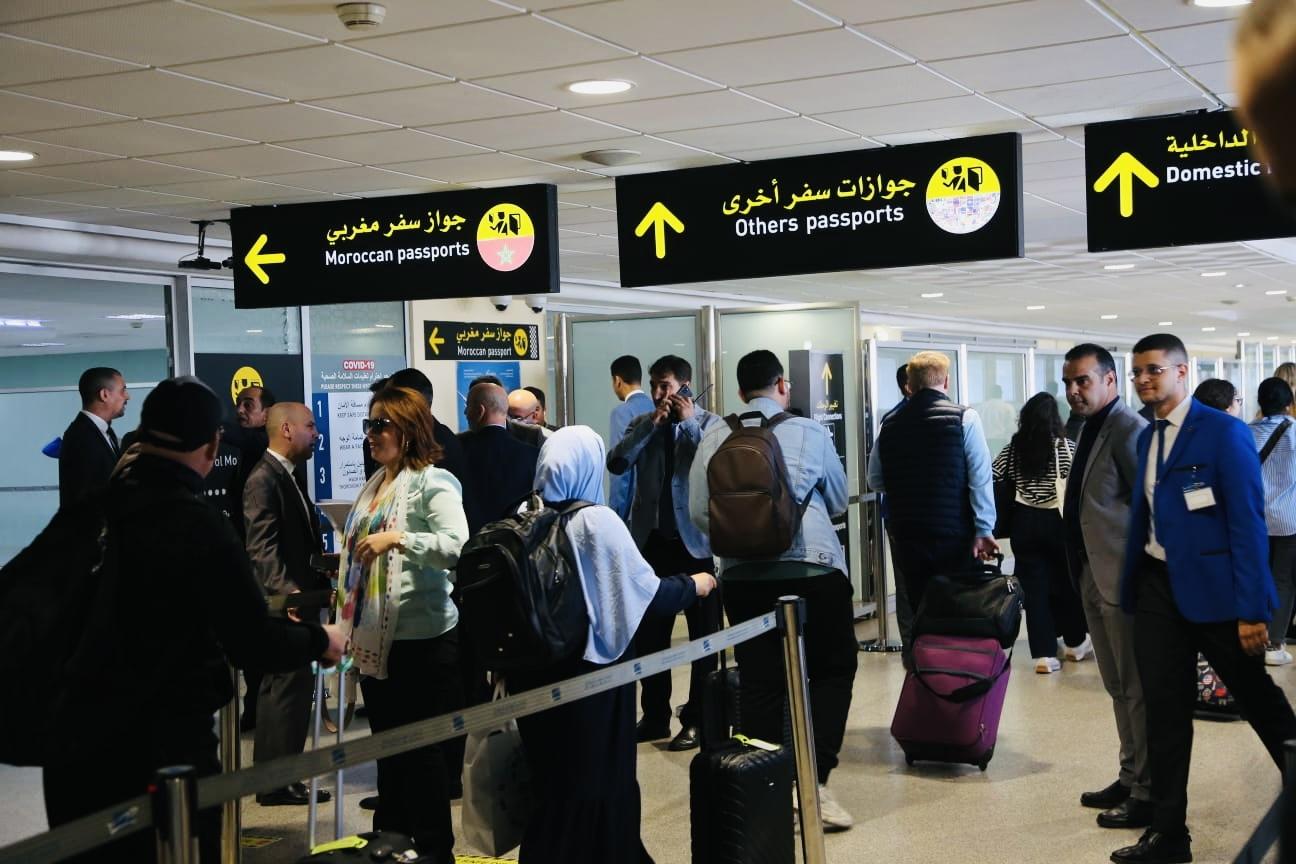
It often begins at passport control.
The airport is the first physical interaction many international travellers have with the country and the last experience they carry home.
Long queues, unclear signage, delayed baggage or difficult ground transport can weaken the impact of an otherwise successful trip.
Efficient procedures, clean facilities, multilingual information and reliable transport can strengthen it.
This matters because modern tourism is shaped heavily by digital reputation.
Passengers can publish their experiences immediately through social media, review platforms and travel forums.
A single operational problem may be temporary.
Repeated complaints can shape perceptions of an entire destination.
Morocco cannot build a premium tourism proposition while allowing arrival and departure procedures to become the weakest stages of the journey.
Airport service quality must therefore be treated as part of tourism policy, not merely as an aviation matter.
Capacity Must Arrive Before Congestion
Morocco is preparing major investments in airport expansion and modernisation.
The objective is to increase national passenger capacity significantly before 2030 and support the expected growth generated by tourism, business travel and international sporting events.
These projects are essential.
But airport capacity is not measured only in square metres.
A terminal may be physically large while still becoming congested if passport desks, security lanes or baggage belts cannot process passengers efficiently.
Technology may be installed without producing results if procedures remain fragmented or staffing does not match peak demand.
The most useful indicators are operational.
Average waiting time at passport control.
Baggage delivery times.
Security-processing capacity.
Flight punctuality.
Connection times.
Passenger-satisfaction scores.
Access to public transport.
The success of airport investment should be judged by these outcomes, not only by the size or architectural appearance of new terminals.
A visually impressive airport has limited value if passengers still wait too long to enter or leave it.
Summer Traffic Is The Real Stress Test
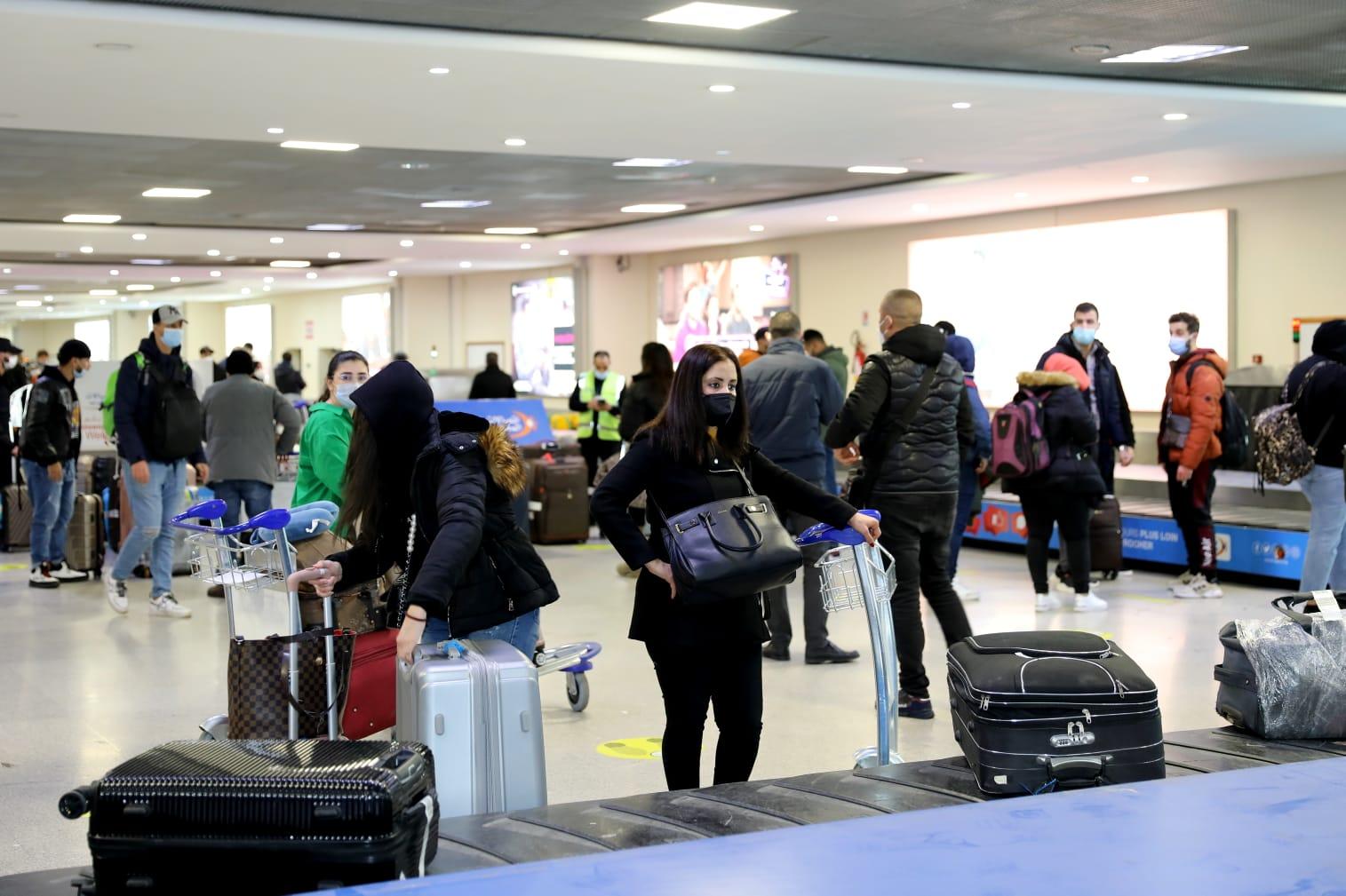
Annual passenger figures can conceal significant seasonal pressure.
Morocco’s airports face particularly intense demand during the summer, when international tourists, Moroccan residents abroad and domestic travellers move through the network simultaneously.
The challenge is not simply handling average passenger volume across twelve months.
It is managing the busiest days without allowing the system to lose reliability.
This requires flexible staffing, stronger passenger forecasting and closer coordination between airport operators, airlines, police, customs, baggage contractors and transport providers.
Peak-period planning should begin before terminals become crowded.
Airlines know booking volumes in advance.
Airports can identify the hours when multiple international flights are scheduled to arrive within a short period.
Immigration, baggage and security resources can therefore be adjusted according to expected traffic rather than fixed administrative schedules.
The difference between a manageable queue and a damaging delay may depend less on new infrastructure than on better coordination.
Ground Transport Cannot Be An Afterthought
The airport experience does not end when passengers collect their baggage.
Many travellers then face another question.
How easily can they reach the city?
Reliable rail links, regulated taxis, clear pricing, car-rental access and digital transport information are essential components of airport competitiveness.
Casablanca already benefits from a rail connection, but Morocco’s wider aviation growth requires stronger integration between airports and urban transport systems.
Tangier, Marrakech, Agadir and Rabat are attracting larger passenger flows.
As those numbers rise, dependence on private cars and taxis can create congestion, uncertainty and higher travel costs.
The best airport expansion strategy is therefore multimodal.
Passengers should be able to move easily from aircraft to train, bus, taxi or rental vehicle without confusion.
Timetables and directions should be available in several languages.
Prices should be transparent before the journey begins.
This is particularly important for first-time visitors who may not understand local transport systems or payment practices.
Airport accessibility can influence whether travellers return, recommend a destination or explore regions beyond the main tourism centres.
Digitalisation Can Remove Friction
Morocco also has an opportunity to improve airport efficiency through digital systems.
Self-service check-in, automated boarding gates, biometric processing, real-time queue information and digital baggage tracking can reduce pressure on physical counters.
But technology must solve real passenger problems.
A digital platform that is difficult to use or unavailable in the traveller’s language can create additional friction instead of removing it.
Successful digitalisation should be designed around the complete journey.
Passengers need accurate information about terminals, boarding gates, delays, baggage collection and ground transport.
Airlines, airports and public authorities need systems that communicate with one another rather than operating as isolated platforms.
The objective is not to make an airport appear technologically advanced.
It is to make movement through the airport faster, clearer and more predictable.
Service Quality Requires People
Infrastructure and technology receive most of the attention, but airport performance also depends on people.
A modern terminal still requires trained staff capable of handling disruption, assisting vulnerable passengers and communicating clearly during busy periods.
Language skills are particularly important.
Morocco’s airports serve travellers from Europe, Africa, North America, the Middle East and Asia.
Arabic and French remain essential, but English is increasingly important as Morocco attracts a wider international audience.
Service training should therefore be treated as a strategic investment.
A helpful employee can prevent a minor problem from becoming a damaging experience.
An unclear or dismissive interaction can have the opposite effect.
The strongest airport systems combine infrastructure, technology and human service.
None of the three can replace the others.
Regional Airports Can Become Economic Assets
Airport growth can also strengthen regional development.
A direct international route does more than transport passengers.
It can improve access for investors, exporters, conference organisers, students and diaspora communities.
Tangier’s airport supports the city’s growing industrial and logistics role.
Agadir’s airport strengthens access to tourism and agriculture.
Marrakech benefits from its position as a major international destination.
Rabat’s expansion can support government, business and diplomatic travel.
Fez can use stronger connectivity to develop cultural tourism and regional investment.
But the economic value of these airports depends on what happens beyond the terminal.
Local transport, hotel capacity, business services and destination marketing must develop alongside aviation growth.
An airport becomes a regional asset when it connects effectively with the economy around it.
Growth Must Become Reputation
Morocco’s aviation expansion is a significant national achievement.
Air connectivity is supporting tourism, strengthening regional economies and increasing the country’s accessibility to global markets.
The 18.83 million passengers recorded in six months demonstrate the strength of that demand.
But passenger numbers measure volume.
They do not measure satisfaction.
Morocco’s airport strategy will succeed when rapid growth is matched by shorter queues, reliable baggage delivery, clearer information and easier connections to cities.
The country is preparing for a much larger aviation market by 2030.
Its greater ambition should be to create an airport network capable of making every additional passenger feel that the system was ready for their arrival.