
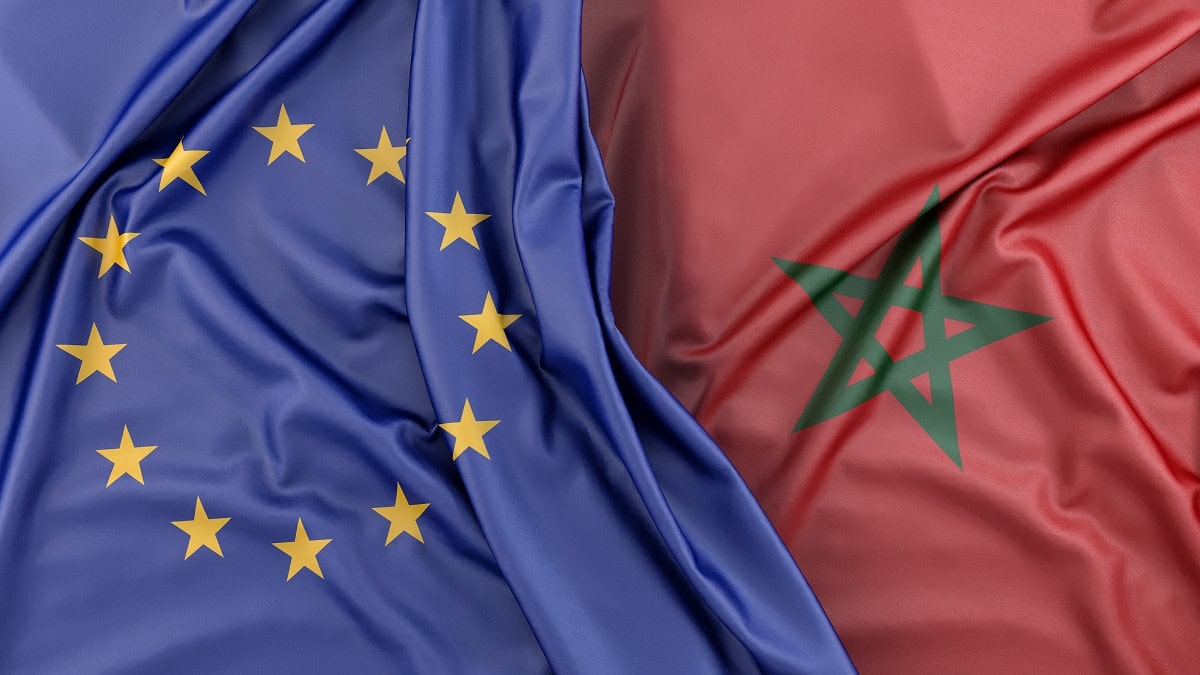
Forget oil, skyscrapers or giant armies.
One of Morocco’s strongest global forces is something far more emotional: its people abroad.
From France to Spain, Belgium to the Netherlands, and Italy to the United Kingdom, millions of Moroccans and Moroccan-origin families carry the country with them every day.
They send money.
They build homes.
They fill ferries every summer.
They support the Atlas Lions like a worldwide army.
And they make Morocco visible far beyond its borders.
The Diaspora Is Bigger Than People Think
The Moroccan diaspora is not a small community hidden in one country.
It is spread across Europe and beyond.
In France, Moroccan roots are part of everyday life in cities like Paris, Lyon and Marseille.
In Belgium and the Netherlands, Moroccan families have shaped neighbourhoods, shops, football culture, restaurants and music for generations.
In Spain, geography makes the connection feel even closer.
A ferry, a flight, a family visit — the distance never feels too far.
That gives Morocco a human network that many countries would dream of having.
The Money Flow Is Huge
The financial power is impossible to ignore.
Moroccans living abroad sent more than $12.4 billion back home by the end of 2025, according to reported Exchange Office data.
That is not pocket money.
That is a major economic lifeline.
It supports families, helps build houses, pays for education, funds small businesses and keeps emotional links alive between Morocco and the world.
Every transfer tells a story.
A son helping his parents.
A daughter supporting a family project.
A worker in Europe keeping a promise back home.
Summer Turns Morocco Into A Global Homecoming
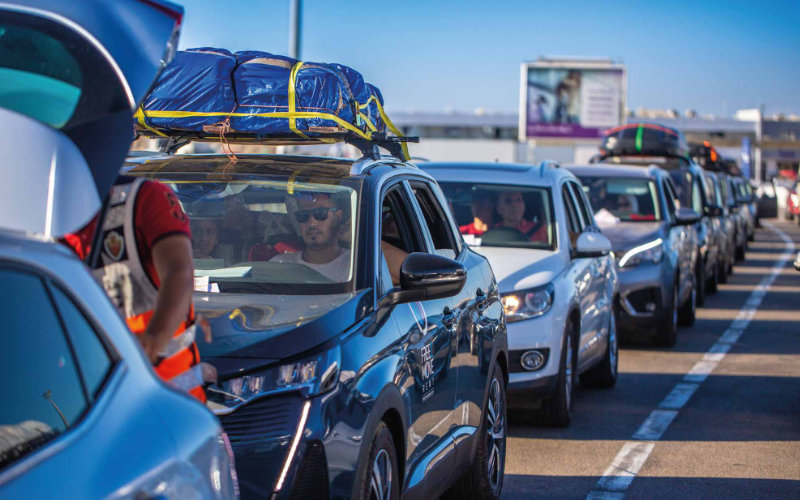
Every summer, the diaspora becomes visible in the most powerful way.
Cars with European plates roll through Tangier Med, Nador, Al Hoceima and other arrival points.
Families come from Amsterdam, Brussels, Paris, Madrid and Milan.
Suitcases are packed.
Gifts are carried.
Children hear more Darija.
Grandparents wait at home.
For many families, the summer trip is not a normal holiday.
It is a return.
That emotional pull is one of Morocco’s strongest global advantages.
Football Makes The Diaspora Even Louder
Nothing shows Moroccan global identity like football.
When the Atlas Lions play, the country does not only rise in Casablanca, Rabat, Tangier and Marrakech.
It rises in Paris, Brussels, Amsterdam, Madrid and Montreal too.
During the 2022 FIFA World Cup, Moroccan celebrations filled streets far beyond Morocco itself.
That was the moment the world saw something powerful.
Morocco is not only one country on the map.
It is a global family.
Europe Feels The Moroccan Influence Every Day
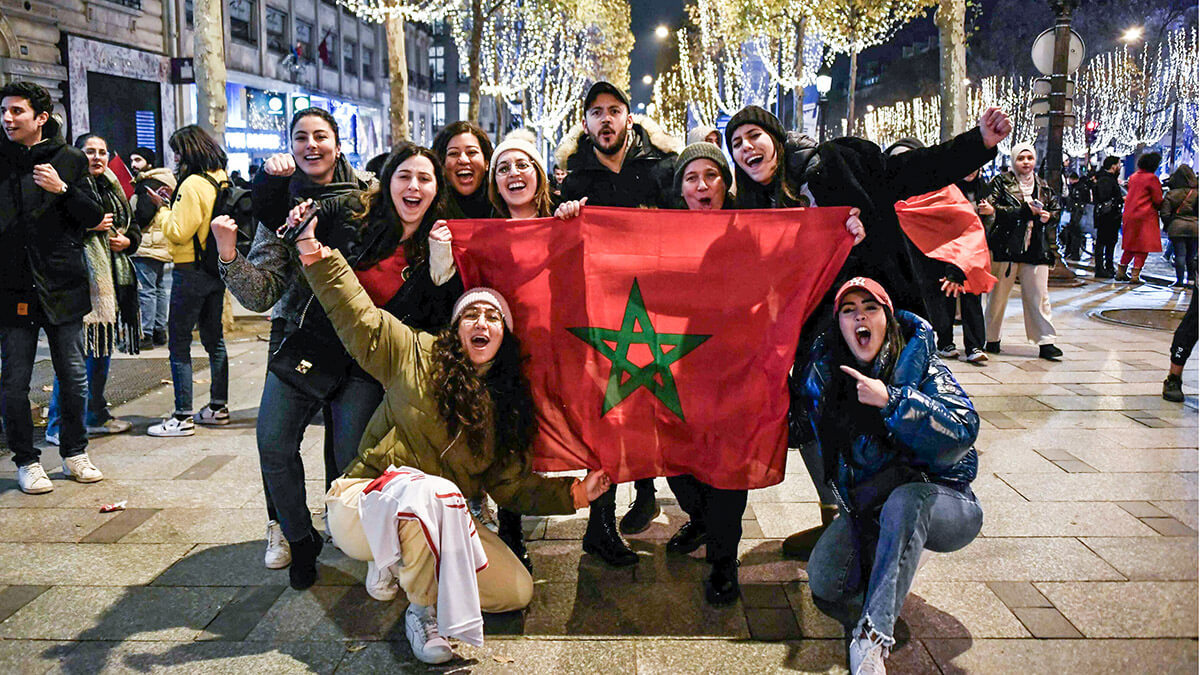
The diaspora does not only send money home.
It also shapes culture abroad.
Moroccan restaurants, bakeries, barbershops, clothing stores, travel agencies, football clubs, mosques, music scenes and family businesses are part of daily life in many European cities.
In some neighbourhoods, Moroccan identity is impossible to miss.
The food is there.
The language is there.
The weddings are there.
The football shirts are there.
That presence keeps Morocco alive in places thousands of kilometres away.
Children Are The Next Big Question
For many diaspora families, the biggest issue is the next generation.
Parents want their children to succeed in Europe.
But they also want them to understand Morocco.
The language.
The respect.
The food.
The family ties.
The Friday couscous.
The Eid mornings.
The summer roads.
That is why so many families keep going back.
They are not only visiting grandparents.
They are protecting a connection.
Property Keeps The Bond Alive
One of the clearest signs of diaspora attachment is property.
For many Moroccans abroad, buying a home in Morocco is not only an investment.
It is a symbol.
A flat in Tangier.
A house near Nador.
A villa in Marrakech.
An apartment in Casablanca.
A family base in Rabat or Agadir.
The property may be used for summer holidays, retirement plans or future returns.
But emotionally, it means something deeper.
It says: we still belong.
The 2030 World Cup Will Supercharge The Feeling
The 2030 FIFA World Cup could make this global Moroccan identity even stronger.
Morocco will co-host the tournament with Spain and Portugal, putting the country directly in the global spotlight.
For the diaspora, that will not feel like ordinary sports news.
It will feel personal.
Moroccans in Europe will be close enough to travel, celebrate and take part in the biggest football event on Earth.
The pride could be massive.
The flags will not only fly in Morocco.
They will fly across Europe too.
The Diaspora Is A Soft Power Machine
Governments spend millions trying to build global image.
Morocco already has something more powerful.
People.
The diaspora promotes the country through food, music, football, family, business, tourism and everyday pride.
Every Moroccan restaurant in Paris is a cultural signal.
Every family trip from Amsterdam to Tangier is a travel link.
Every child wearing a Morocco football shirt in Brussels is a small piece of global branding.
That is soft power in real life.
The Final Whistle
Morocco’s global power is not only in stadiums, airports or tourism numbers.
It is in the millions of Moroccans abroad who keep the country alive every day.
With more than $12.4 billion in diaspora remittances, deep roots across France, Spain, Belgium, the Netherlands and the United Kingdom, and the 2030 World Cup coming fast, Morocco has something money cannot easily buy.
A worldwide family.
And that family may be one of the country’s greatest strengths.