
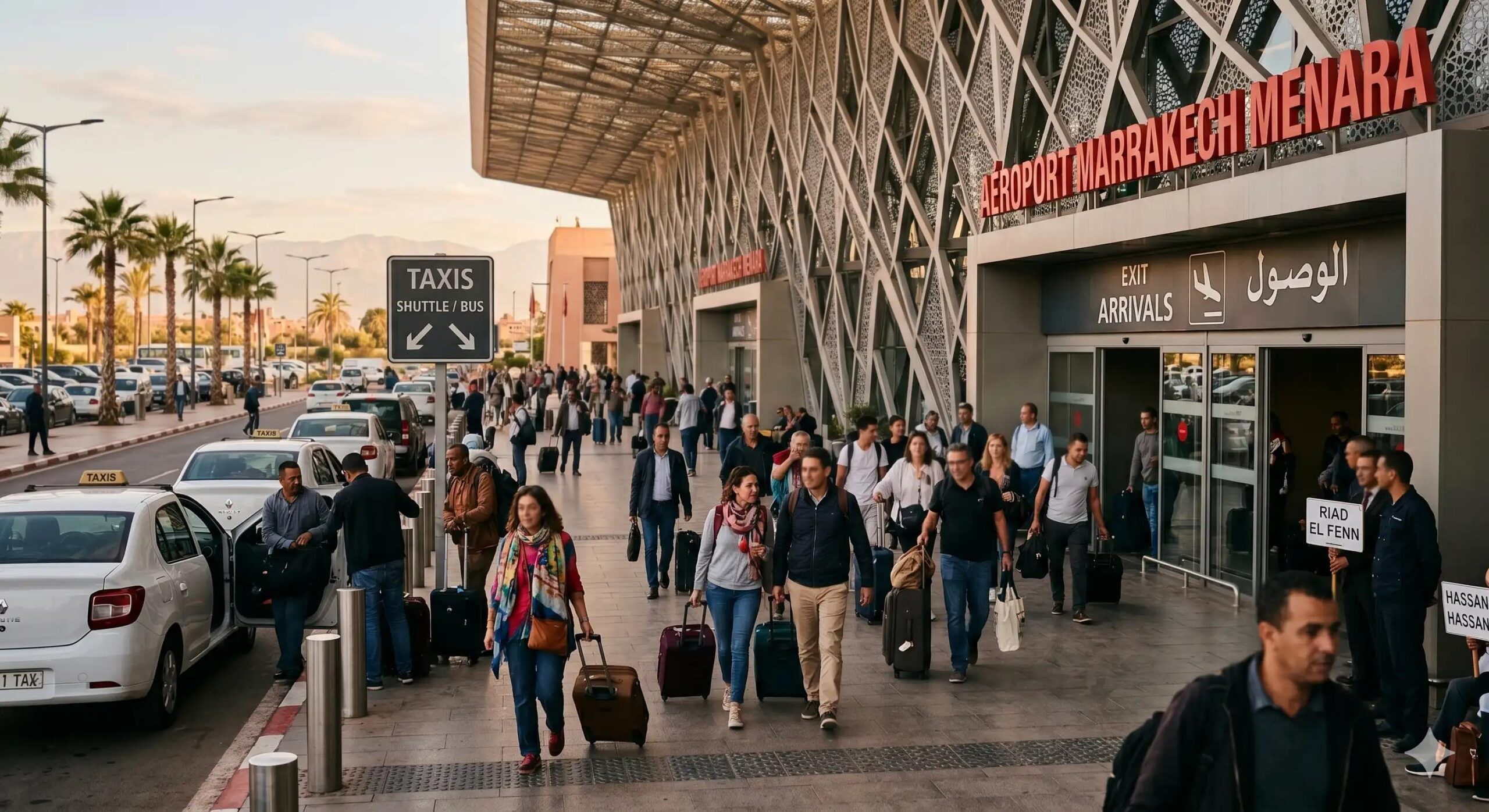
Morocco’s tourism boom is no longer just a travel story. It is becoming a national money story. The Kingdom welcomed 4.3 million tourists in the first quarter of 2026, up 7% from a year earlier, keeping momentum after a record 19.8 million visitors in 2025.
That is a big number. But the more important question is what Morocco does with it. More flights, more hotels, more jobs, more foreign currency, and more pressure on airports, cities, roads, beaches and heritage sites. Tourism is becoming one of Morocco’s biggest economic tests before 2030.
Morocco Is No Longer Chasing Small Numbers
For years, Morocco wanted to become a bigger tourism name. Now the country is already there. The jump to 19.8 million visitors in 2025 made Morocco one of Africa’s strongest tourism stories. The first quarter of 2026 suggests that growth is not fading. That matters because tourism is not only about people taking photos in Marrakech, Fes, Chefchaouen or Agadir. It is about money entering the economy through hotels, restaurants, guides, taxis, airlines, retail, events and real estate. When tourism grows, many sectors feel it.
The 2030 Target Is The Real Benchmark
The official target is clear. Morocco wants 26 million tourists by 2030. That is the number that matters now, not because it sounds impressive, but because it forces the country to build capacity before demand arrives. A country can attract tourists with campaigns. Keeping them happy is harder. Airports must work, hotels must be available, transport must be reliable, prices must stay reasonable, and historic cities must avoid feeling overwhelmed. That is where Morocco’s tourism strategy will be judged.
Tourism Revenue Is Already Moving
Visitor numbers are only one part of the story. Spending is the other. Reuters reported tourism revenue of 124 billion dirhams between January and November 2025, up 19% from a year earlier. That is why this belongs in the Money conversation too. Tourism brings foreign currency into Morocco. It supports employment and helps the balance of payments. It also creates demand for local products, from food and crafts to transport and entertainment. The best tourism growth is not just more arrivals. It is more value per visitor.
Air Connectivity Is The Engine
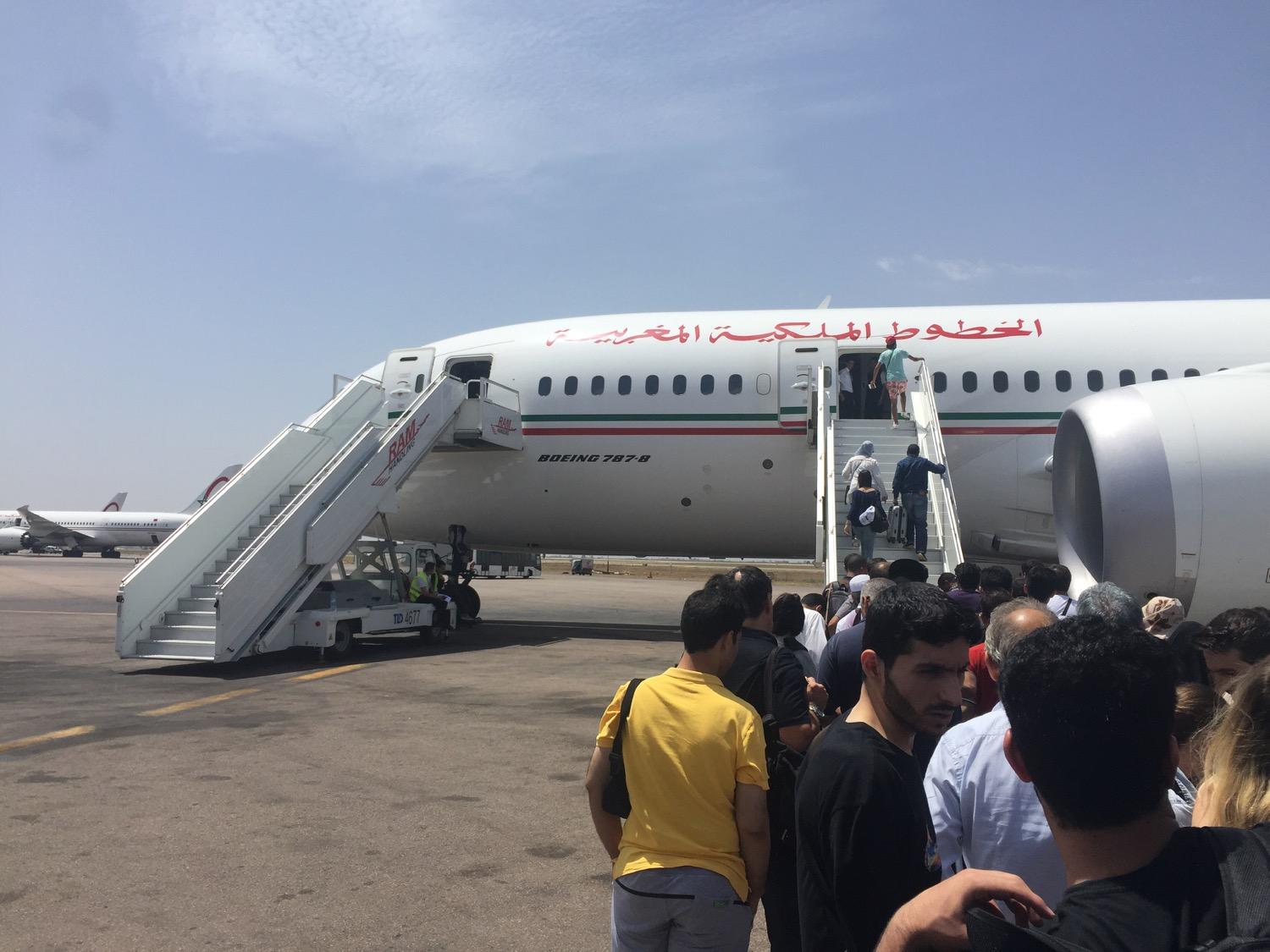
Morocco’s tourism rise depends heavily on air routes. Travellers do not come if flights are too expensive, too limited or too complicated. That is why air connectivity has become one of the most important parts of the tourism equation. More routes mean more weekend trips, more family visits, more long-haul interest and more conference traffic. Cities like Marrakech, Casablanca, Agadir, Tangier, Rabat and Fes all need stronger links if Morocco wants to spread tourism beyond the same crowded hotspots. The plane ticket is often the first tourism product, before the hotel, before the restaurant, before the desert tour.
Airports Are Becoming Economic Infrastructure
Morocco is also preparing its airports for the next stage. The country plans major airport capacity upgrades before 2030, with investment aimed at handling far more passengers than today. That matters because airports are not just buildings where people land. They are economic gates. A smooth airport experience makes a country feel organised. A crowded, slow or confusing airport can damage the trip before it begins. If Morocco wants to host more tourists, business travellers and football fans, airport execution must match the ambition.
The World Cup Gives Morocco A Deadline
The 2030 World Cup changes the tourism calendar. It gives Morocco a fixed deadline and a global spotlight. But the tournament itself is not the whole prize. The bigger opportunity is what happens before and after it. Millions of people will hear more about Morocco. Airlines will study demand. Hotels will position themselves. Investors will look at hospitality, transport and entertainment. Cities will compete for visibility. The World Cup can bring a temporary surge. The real win is turning that surge into a permanent tourism upgrade.
Marrakech Cannot Carry Everything Alone
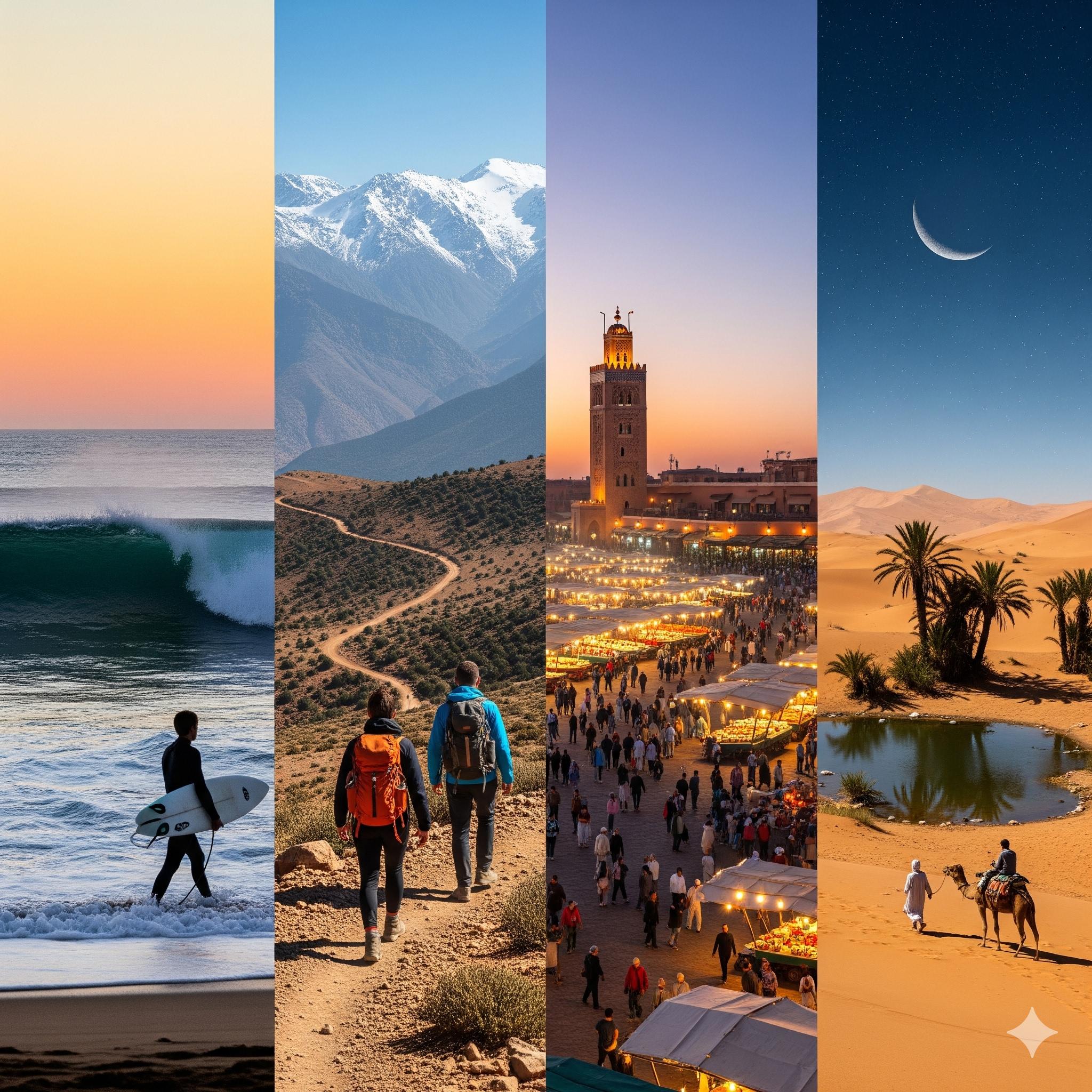
Morocco’s tourism brand is powerful, but it cannot depend too much on a few places. Marrakech is already a global name. So are Fes, Chefchaouen, Essaouira, Agadir and the desert routes. But the next phase needs a wider map. Dakhla can grow as a sport and nature destination. Tangier can sell city-break energy. Rabat can push culture, diplomacy and business travel. Casablanca can become more than a transit city. The more Morocco spreads visitors, the more sustainable the boom becomes.
The Risk Is Overcrowding And Price Pressure
Fast tourism growth can create problems. Prices can rise too quickly. Medinas can feel too crowded. Service quality can fall if training does not keep up. Short-term rentals can pressure local housing. Popular restaurants and attractions can become too expensive for residents. These issues do not mean tourism growth is bad. They mean it has to be managed. Morocco’s challenge is to grow without making the experience feel chaotic or unaffordable.
Jobs Are The Political Prize
Tourism is powerful because it creates visible jobs. Not only in hotels, but also in cafes, transport, cleaning, security, events, retail, guiding, construction, food supply and small services. That makes the sector politically important. A new factory may create jobs in one area. Tourism can create thousands of smaller income streams across many cities and towns. For young Moroccans, that matters. The sector can offer work, but it also needs better training, languages, service standards and digital skills.
Foreign Visitors Are Only Half The Story
Morocco also benefits from Moroccans living abroad. The diaspora is a major travel force. They come to visit family, spend money, use airports, rent cars, book hotels, buy property and support local businesses. That makes Morocco different from many tourism markets. It is not only selling to strangers. It is also serving millions of people with emotional, family and national ties to the country. That gives the sector more resilience.
Business Travel Is The Next Layer
The next opportunity is not only leisure tourism. It is business travel. Conferences, sports events, film shoots, corporate meetings, medical travel, cultural festivals and investment forums. If Morocco wants higher-value tourism, it needs more visitors who spend on hotels, restaurants, transport, venues and services outside normal holiday patterns. That is where cities like Casablanca, Rabat, Marrakech and Tangier can gain. Tourism becomes stronger when it is not only seasonal.
Morocco Must Protect The Product
The product is Morocco itself. The food, the architecture, the coast, the desert, the hospitality, the old cities, the music, the mountains, the sense of place. That is why tourism growth must not flatten the country into generic hotels and copy-paste experiences. Visitors come because Morocco feels different. The more the country grows, the more it must protect what makes it attractive. Authenticity is not decoration. It is the asset.
The Bottom Line
Morocco’s visitor boom is becoming one of the Kingdom’s biggest economic stories before 2030. With 4.3 million tourists in the first quarter of 2026, a record 19.8 million visitors in 2025, and a national target of 26 million by 2030, tourism is moving from recovery story to growth engine. The opportunity is huge: more jobs, more foreign currency, more investment, more global visibility. But the test is execution. Morocco now has to turn arrivals into value, airports into gateways, cities into stronger destinations and the 2030 World Cup into a long-term tourism upgrade.