

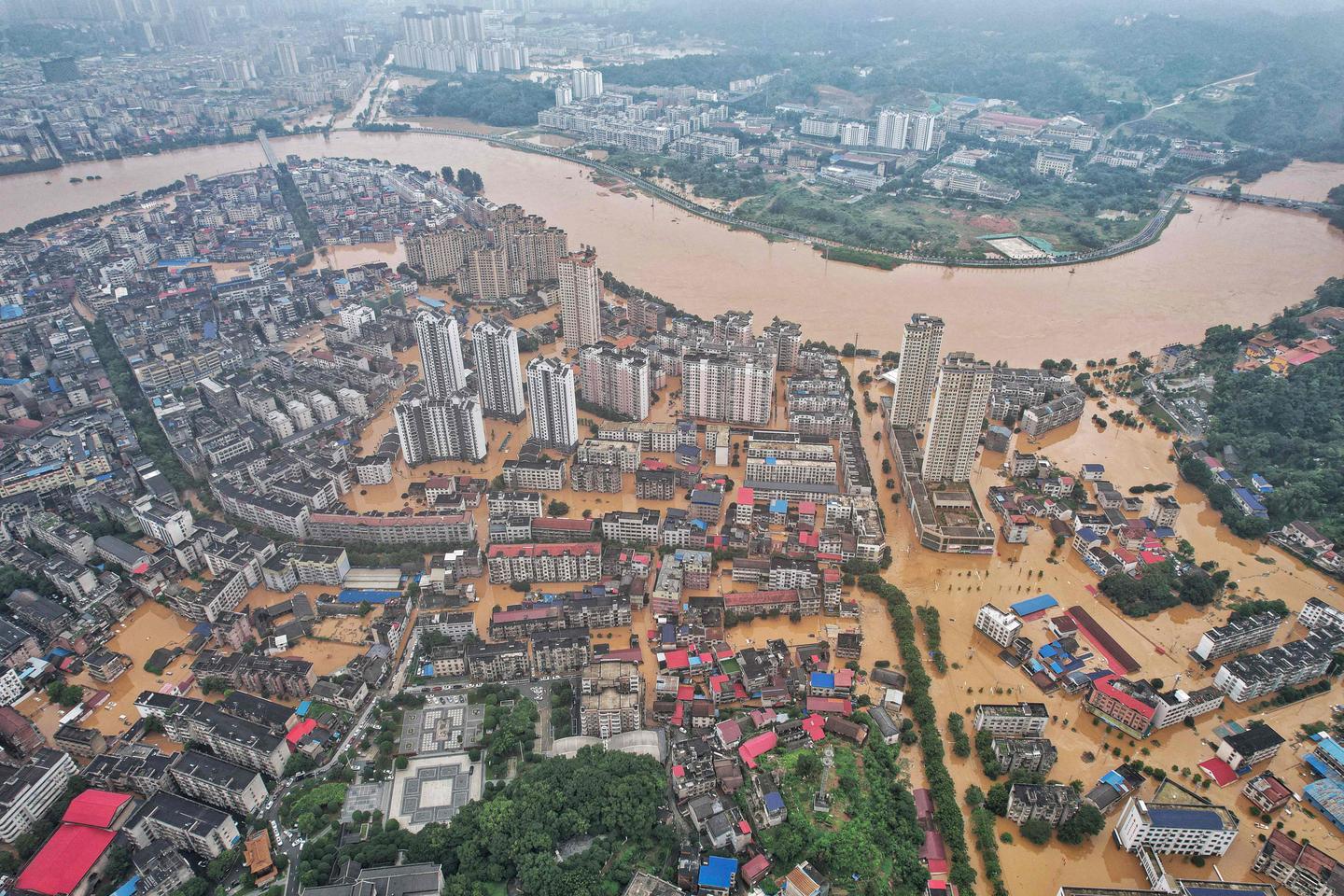
The Typhoon Bavi Emergency has turned a powerful coastal storm into a national stress test for China’s disaster-response system, forcing more than 260,000 people to leave their homes as severe flooding spread across the northeast.
The immediate images are familiar: submerged streets, suspended schools, disrupted transport and emergency evacuations. But the deeper story is larger than one storm. Bavi shows how modern extreme weather is becoming harder to manage when large populations, urban infrastructure, river systems and transport networks are all exposed at the same time.
China is used to typhoons.
What makes this moment serious is the scale, duration and inland reach of the disruption.
Typhoon Bavi Emergency Becomes A National Stress Test
The Typhoon Bavi Emergency matters because the storm did not end when it made landfall.
Reuters reported that Bavi, the most powerful storm to hit mainland China this year, forced more than 260,000 people to evacuate in Liaoning province after bringing intense flooding to northeastern China.
That is the critical point.
A typhoon is not only dangerous at the coastline. Once it carries enough moisture inland, the risk shifts from wind to rain, rivers, drainage systems, landslides, flooded roads and power disruption.
This is where disaster management becomes more complex.
Authorities are not only dealing with one coastal impact. They are dealing with a moving weather system that can create new emergencies far from the original landfall zone.
The Storm’s Size Changed The Risk
Bavi is not a small, fast-moving storm that disappears quickly after reaching land.
Reuters described it as a broad system comparable in size to France, with a structure strong enough to carry tropical moisture northward even after landfall.
That kind of scale changes the emergency response.
A large storm affects more regions at once. It can overload local drainage, delay rescue operations, complicate road access and make it harder for authorities to concentrate resources in one place.
The public often understands storms through wind speed.
But in cases like Bavi, the more dangerous question may be how much water the system carries and how long it keeps releasing it.
Flooding Is The Real Threat After Landfall
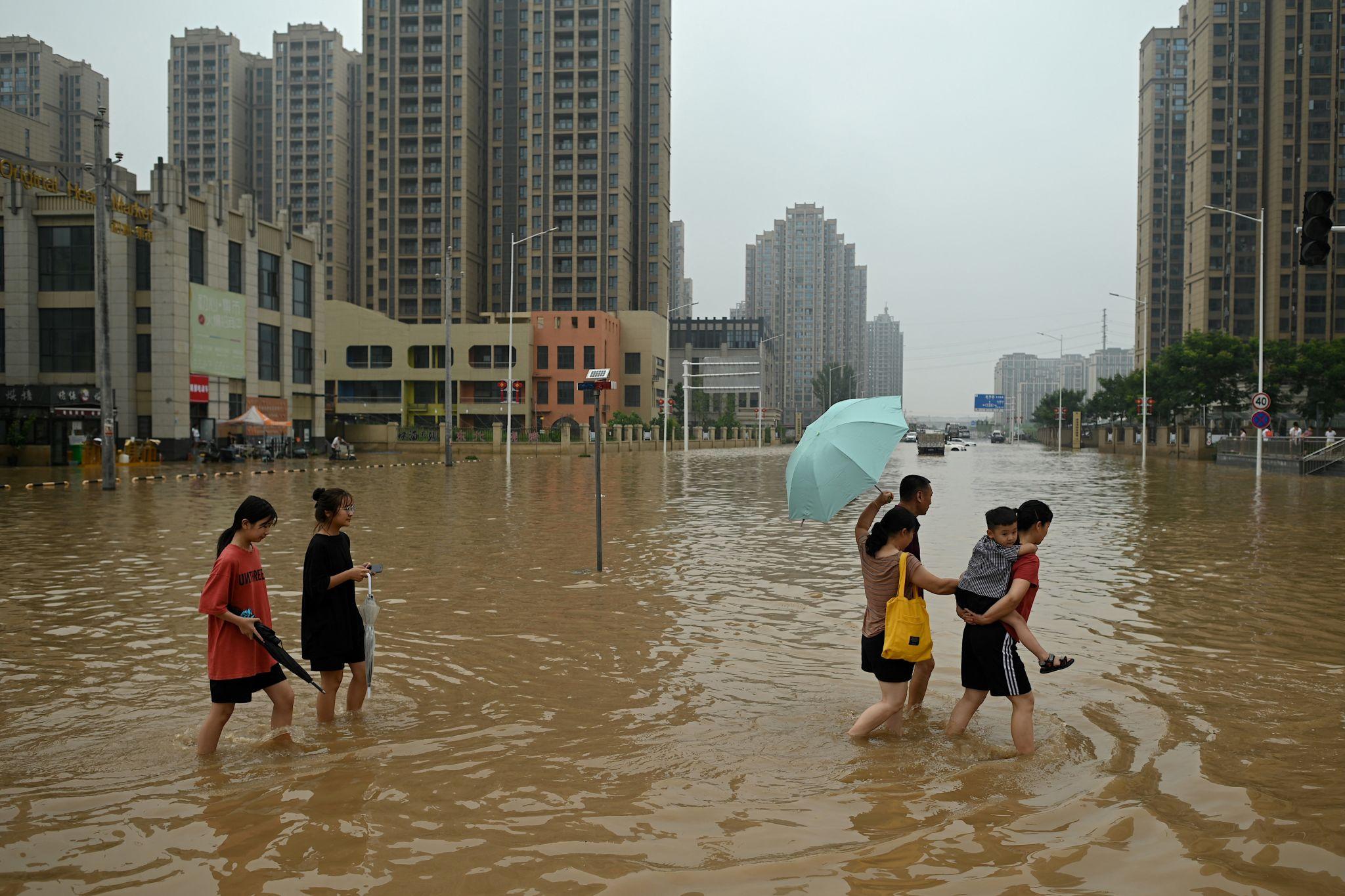
The most dangerous phase of a typhoon is not always the moment it reaches the coast.
Often, the deadliest impact comes later through flooding.
Northern China has already seen roads and vehicles submerged, residents stranded and rivers rising above warning levels. Reuters reported that in parts of Hebei and Liaoning, floodwaters disrupted daily life and created urgent evacuation and resettlement needs.
This is the slow violence of extreme rainfall.
Wind damage is visible immediately. Flood damage spreads through streets, basements, fields, power lines, transport systems and homes. It can cut off communities, contaminate water, damage crops and leave long repair costs after the storm has moved on.
For residents, the emergency does not end when the rain slows.
It ends when the water recedes, the power returns and the home is safe again.
Schools And Transport Show The Human Cost
Disaster stories often focus on large numbers.
But the human impact is also visible in ordinary systems being forced to stop.
Schools suspended.
Training centres closed.
Transport services disrupted.
Residents moved.
Roads blocked.
Power infrastructure damaged.
These details matter because they show how quickly a storm becomes a social and economic interruption. A city does not need to be destroyed to suffer serious disruption. If children cannot attend school, workers cannot move, shops cannot open and roads cannot function, daily life is already under pressure.
Extreme weather is becoming one of the clearest tests of whether modern cities can keep operating under stress.
China’s Evacuation Capacity Is Being Tested
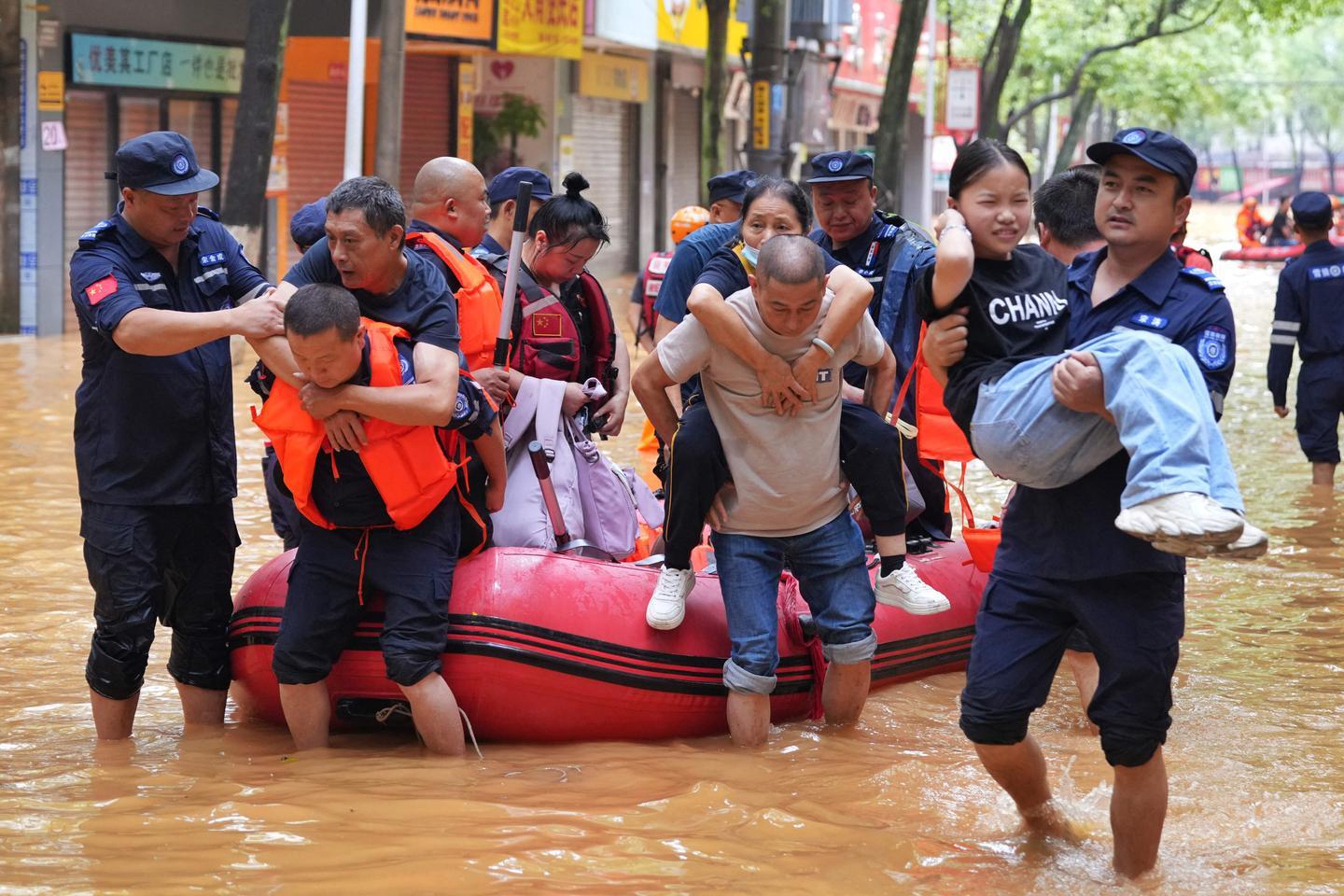
Moving more than 260,000 people is not only an emergency decision.
It is a logistics operation.
Evacuation requires transport, shelters, food, medical support, communication, security and local coordination. It also requires public trust. Residents must believe that leaving is safer than staying, and authorities must ensure that evacuation centres do not create new risks.
China has significant emergency-management capacity, but the challenge is growing because extreme weather events are becoming larger, wetter and more disruptive.
The question is no longer only whether a country can respond.
It is whether the response can scale fast enough when multiple provinces face pressure at the same time.
The Infrastructure Lesson Is Clear
Bavi is also an infrastructure warning.
Floods expose weak drainage, vulnerable roads, overloaded rivers, fragile power lines and transport systems that may not be designed for increasingly intense rainfall.
Urban growth can make this harder.
More roads, buildings and paved surfaces can reduce natural water absorption. Dense cities can channel water into dangerous flows. Underground transport, parking areas and low-lying districts can become high-risk zones during sudden floods.
Infrastructure built for yesterday’s weather may struggle with tomorrow’s storms.
That is the uncomfortable lesson Bavi brings.
Extreme Weather Is Becoming A Regional Chain Reaction
The impact of Bavi has not been limited to one province.
Reuters reported flooding in Hebei and Liaoning, with warnings across parts of northern and northeastern China as the storm continued moving and feeding rainfall into vulnerable areas.
That is important because storms now often behave like regional chain reactions.
A coastal landfall becomes inland rainfall.
Inland rainfall becomes river flooding.
River flooding becomes road closures.
Road closures become supply disruption.
Supply disruption becomes economic cost.
A modern extreme-weather event does not hit one sector. It moves through the system.
The Economic Cost May Come Later
The first phase of a storm is measured in evacuations and emergency alerts.
The second phase is measured in economic damage.
Floods can affect factories, farms, logistics routes, retail districts, electricity infrastructure and household property. Even if the national economy absorbs the event, local communities can face serious losses.
Small businesses are often especially vulnerable.
A flooded shop, damaged stock, broken equipment or several days of closure can create pressure that is not immediately visible in national headlines.
This is why flood resilience is also an economic issue.
Disaster response saves lives first. Disaster preparation protects livelihoods next.
Climate Adaptation Is No Longer Optional
It is difficult to attribute one storm entirely to climate change without detailed scientific analysis.
But the broader direction is clear: warmer air can hold more moisture, and many regions are preparing for heavier rainfall events, stronger flood risk and more difficult emergency planning.
For governments, this means adaptation cannot remain a policy slogan.
It must become drainage investment, flood mapping, early-warning systems, stronger building standards, better evacuation routes, emergency shelters and public communication that reaches people before the water does.
Bavi is a reminder that climate resilience is not only about reducing emissions.
It is about surviving the impacts already arriving.
Travel And Supply Chains Feel The Impact Too
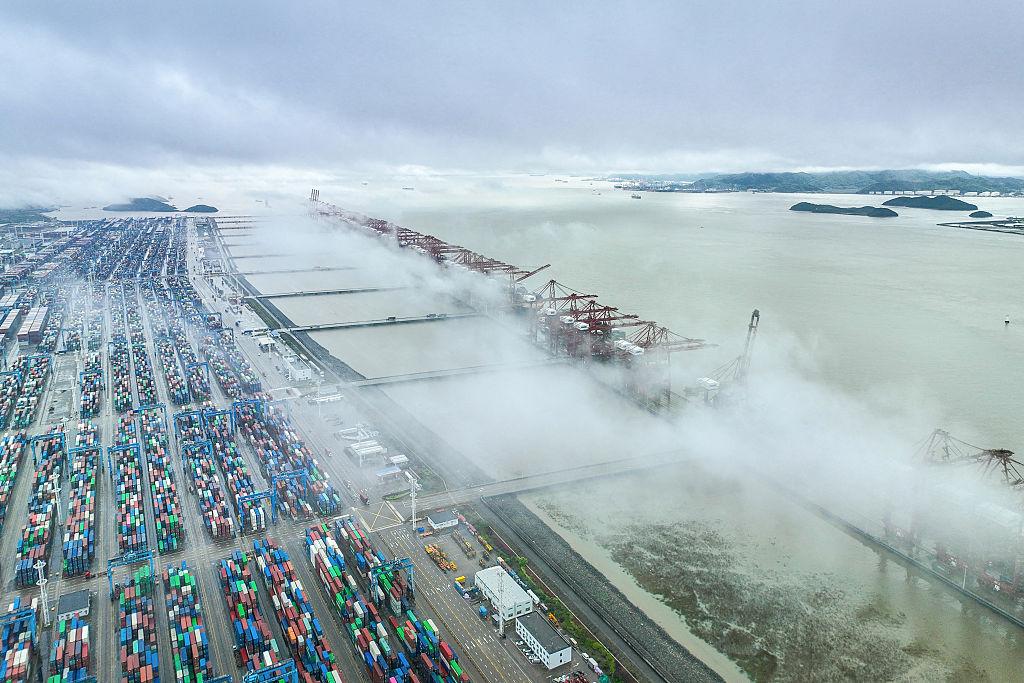
Typhoons are also travel and supply-chain events.
When transport services are suspended, roads flood and schools close, the disruption affects more than local residents. It can delay freight, interrupt business travel, affect airports, slow tourism and create uncertainty for companies operating across affected regions.
This matters in China because the country’s economic geography is deeply connected.
A flood in one region can affect production, logistics and consumer movement elsewhere. The more integrated the economy becomes, the more important resilience becomes.
A storm is no longer only weather.
It is an operational risk.
The Media Images Shape Global Perception
Images of flooded roads, drifting vehicles and emergency evacuations travel quickly.
They shape how the world understands the storm.
This matters because modern disaster coverage is visual, immediate and emotionally powerful. A single flooded city street can communicate vulnerability more effectively than a long official statement.
For governments, that creates pressure to respond visibly and quickly.
For citizens, it creates awareness but also anxiety.
For the global audience, it becomes another signal that extreme weather is not a distant future problem. It is already disrupting major economies and densely populated regions.
The Bottom Line
The Typhoon Bavi Emergency has become a major test for China’s ability to manage extreme weather at scale.
More than 260,000 people have been evacuated in Liaoning, with flooding, school closures, transport disruption and wider rainfall risks across northern and northeastern China.
The storm shows that the danger of a typhoon does not end at landfall. Large systems can carry moisture deep inland, turning wind events into prolonged flood emergencies.
The lesson is clear.
The next phase of climate resilience will be judged not only by how countries respond to storms, but by how well their cities, roads, rivers, schools and emergency systems continue working when the water rises.