

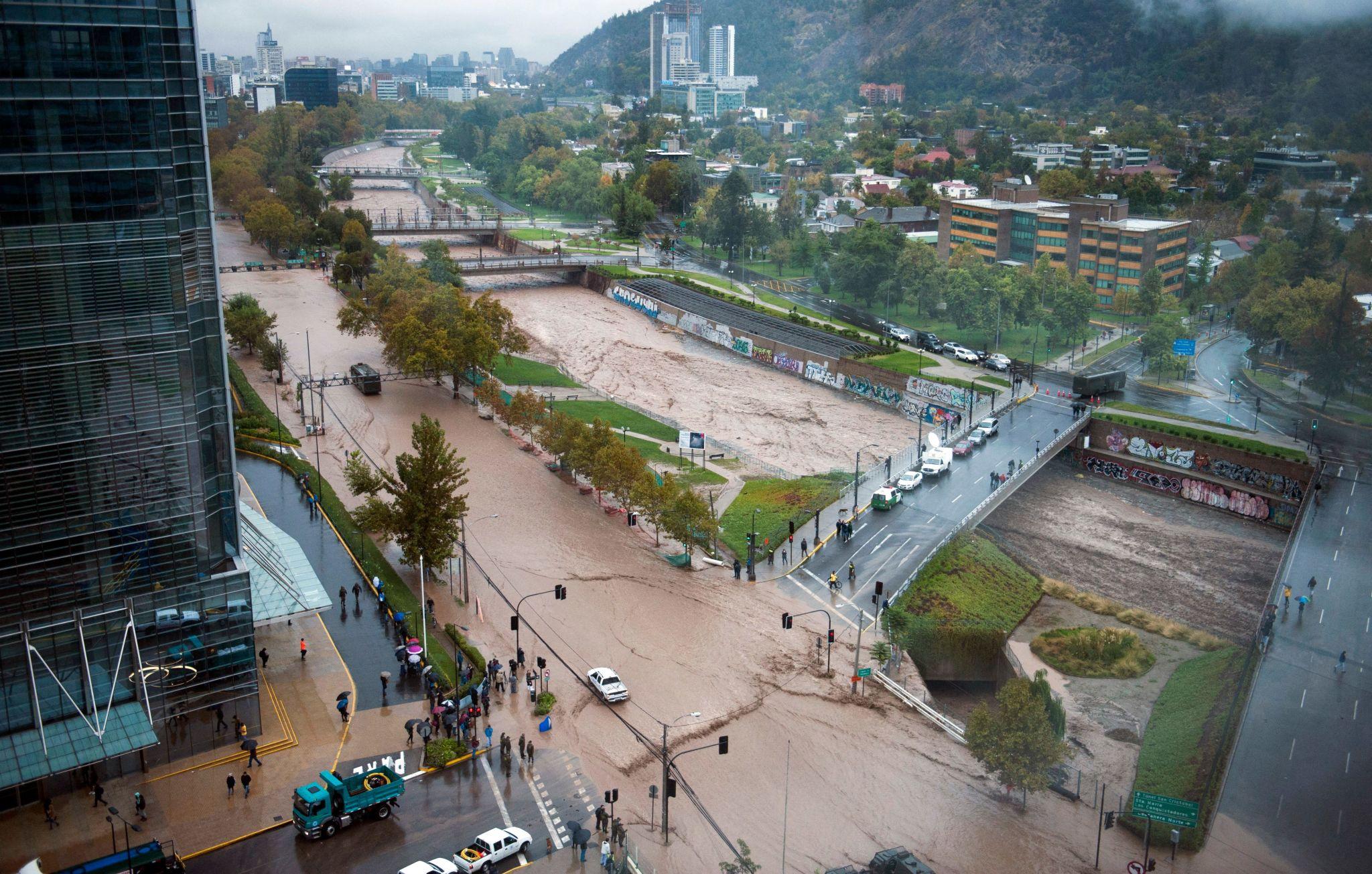
Chile has moved onto the El Niño frontline, declaring a preventive emergency across ten regions as extreme weather threatens to turn forecast warnings into a national readiness test.
The decision is not only about one storm system.
It is about preparation.
When a country acts before the worst weather arrives, it is acknowledging a new reality: climate risk can no longer be managed only after roads flood, rivers rise, power lines fail or communities become isolated.
Chile is not waiting for the disaster image.
It is trying to move before it appears.
El Niño Frontline Becomes A Test Of Preparedness
The El Niño frontline matters because the Pacific is entering a more dangerous phase.
The World Meteorological Organization has warned that El Niño conditions are developing in the equatorial Pacific, with models showing strong agreement that the event will become powerful in the coming months. El Niño can raise global temperatures and increase the likelihood of extreme weather in different parts of the world.
That does not mean every storm is caused by El Niño.
But it does mean governments facing seasonal danger have fewer excuses for being surprised.
Chile’s preventive emergency shows that the policy question is shifting from reaction to readiness. The country is not only asking what will happen. It is asking whether public systems can move fast enough before the damage begins.
Prevention Is Cheaper Than Rescue
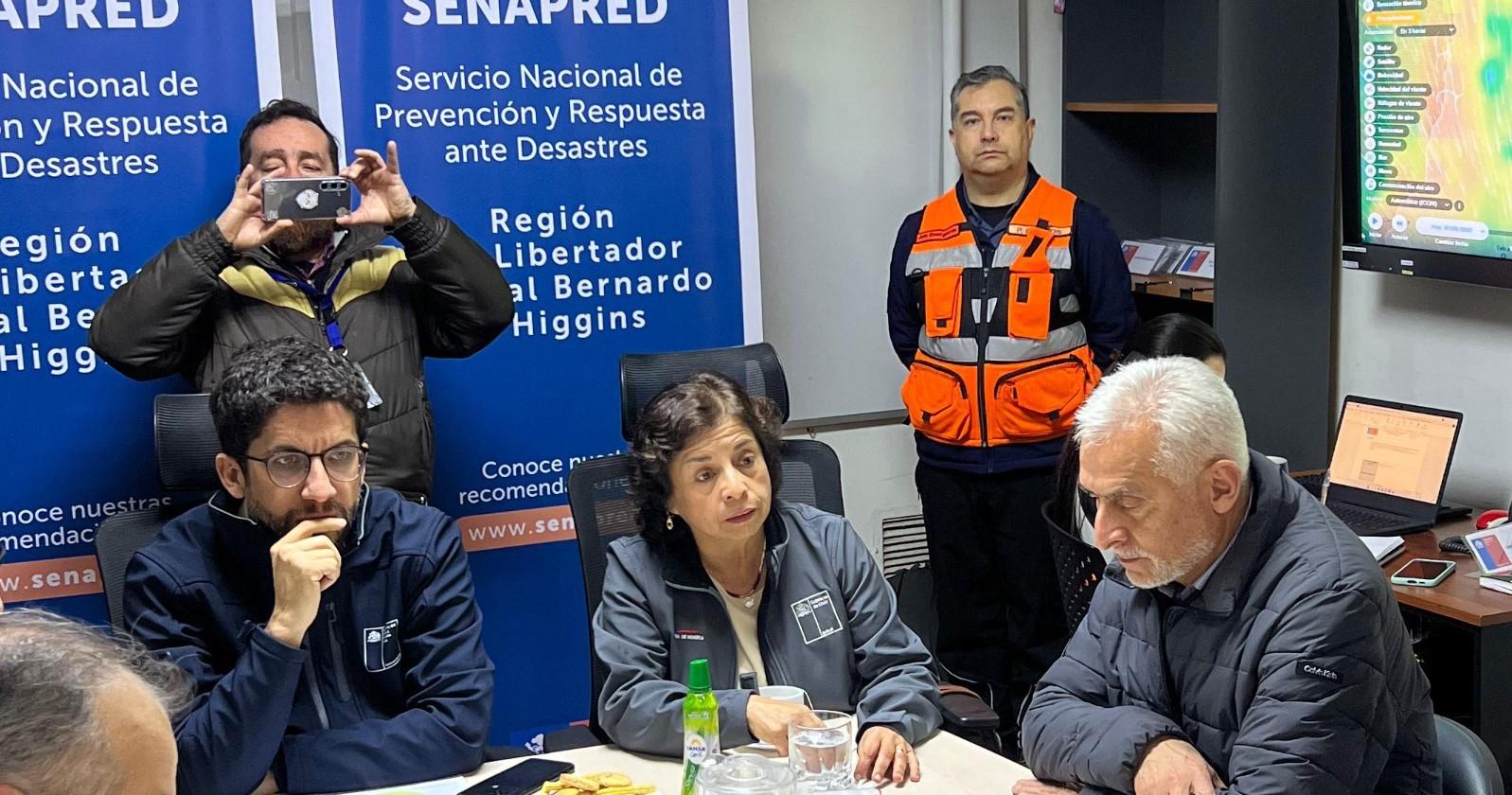
The logic of a preventive emergency is simple.
It gives authorities more room to act early.
Emergency declarations can help mobilise resources, coordinate agencies, prepare shelters, secure roads, warn communities, position equipment and shorten bureaucratic delays when conditions deteriorate.
That matters because the first hours of an extreme-weather event are often decisive.
A blocked drainage system, a delayed evacuation, a closed mountain road, a flooded underpass or a power failure can quickly become a larger crisis if authorities are still waiting for formal permission to act.
Preparedness is not dramatic.
But it saves time, and time saves lives.
Ten Regions Means A National Problem
A preventive emergency across ten regions is not a small local alert.
It suggests that the risk is wide enough to require national coordination. In a country as geographically stretched as Chile, that is difficult. Weather systems can affect mountains, valleys, coastal zones, rural communities and major transport corridors differently.
A single emergency plan cannot fit every region.
The north may face one kind of vulnerability.
The centre may face another.
The south may face floods, landslides, damaged roads or isolated communities.
That is why coordination matters. The challenge is not only predicting the weather. It is translating that prediction into action across a long, narrow country with complex terrain.
The Andes Make Weather More Dangerous
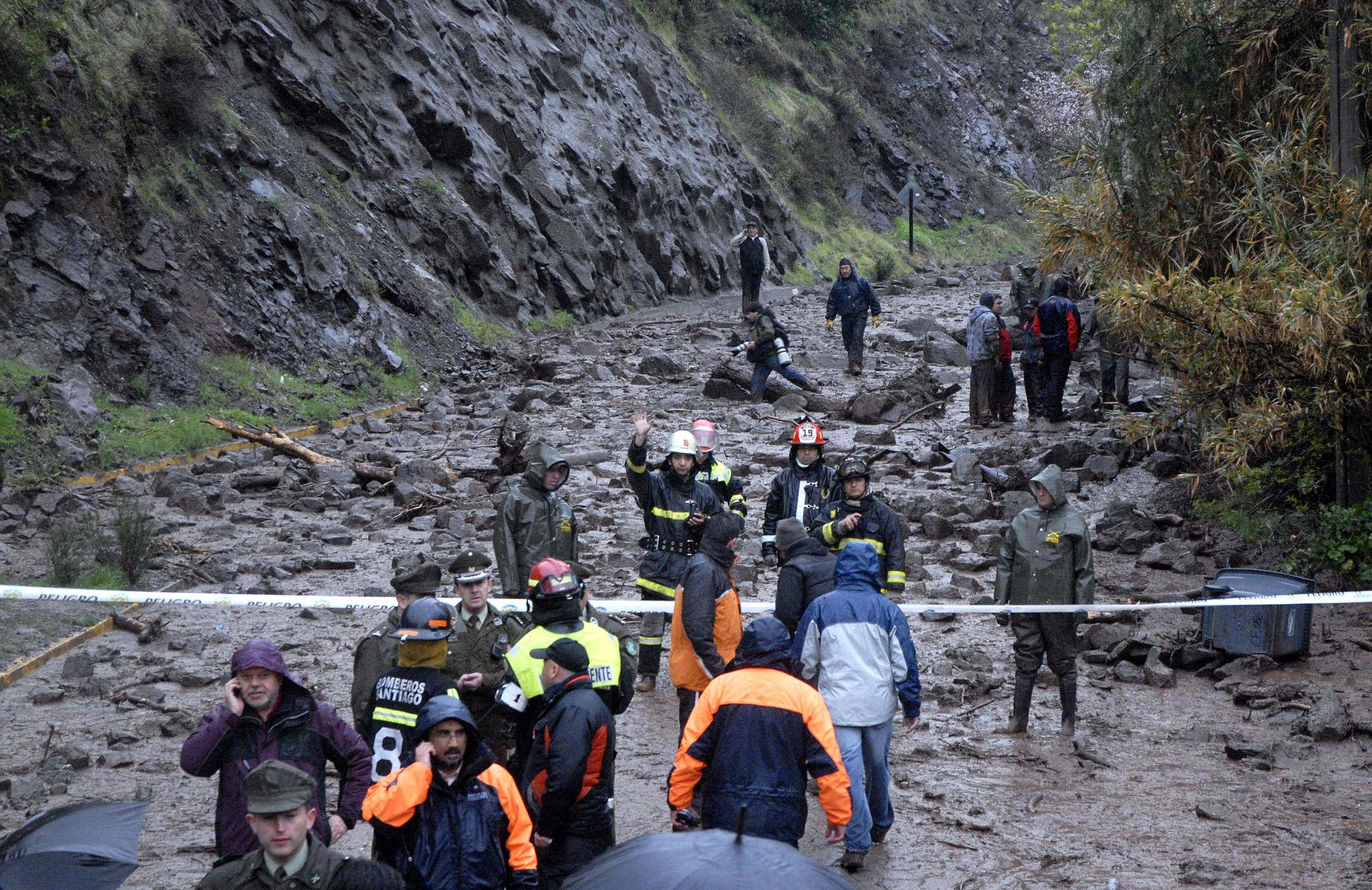
Chile’s geography is beautiful, but it also increases risk.
The Andes can turn heavy rain and snow into dangerous downstream effects. Mountain roads, river basins, bridges, tunnels and isolated communities can become vulnerable when precipitation arrives quickly or falls in unexpected places.
Extreme weather in Chile is rarely only a rainfall story.
It can become a transport story.
A farming story.
A mining story.
A power-grid story.
A supply-chain story.
When weather hits a country with long distances and narrow transport links, disruption can travel far beyond the first affected area.
El Niño Is A Business Risk Too
The El Niño frontline is also an economic story.
Extreme weather can disrupt agriculture, transport, energy, mining, retail activity and local services. Businesses may face damaged roads, delayed shipments, worker safety concerns, higher insurance claims and interruptions to production.
This matters in Chile because the economy depends heavily on natural resources, exports and logistics.
A climate shock can affect copper supply chains, fruit exports, port activity, rural labour and domestic transport at the same time. Even if the national economy absorbs the event, local areas can suffer serious losses.
Weather is no longer only a public-safety issue.
It is an operating risk.
Agriculture Faces The Immediate Pressure
Agriculture is often one of the first sectors to feel extreme-weather instability.
Too much rain can damage crops, delay harvests, flood fields and increase disease pressure. Sudden cold, frost or shifting seasonal patterns can create additional problems for producers already dealing with tight margins and export deadlines.
Chile’s fruit and wine sectors depend on timing, quality and logistics.
If roads close or weather damages production zones, the impact can move from farm to warehouse to port to supermarket shelf.
This is why early warnings matter.
Farmers cannot move an entire season overnight, but they can take protective steps if alerts are credible, specific and early enough.
Cities Are Not Exempt
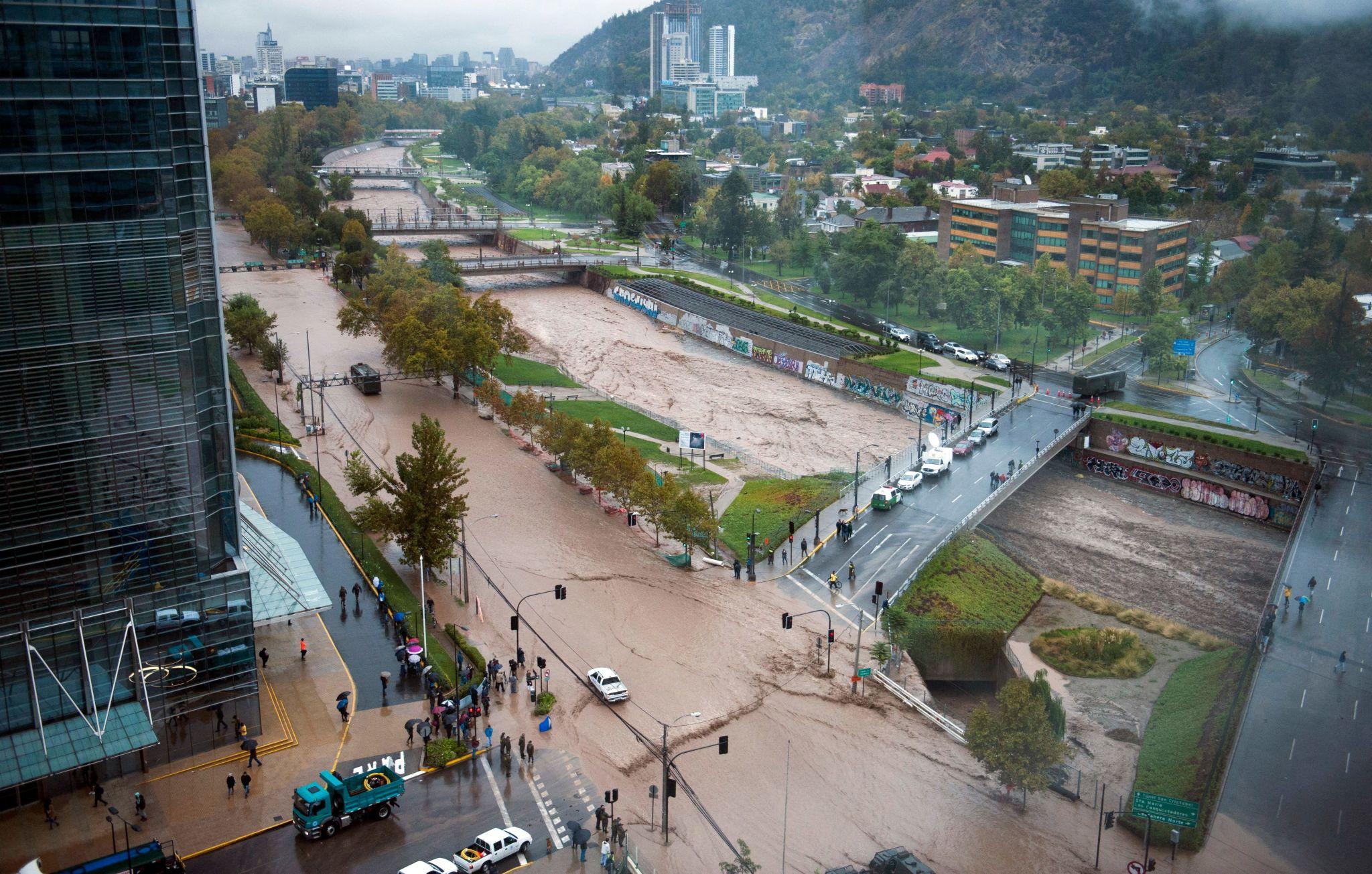
Urban areas can also be exposed.
Extreme rainfall can overwhelm drainage, flood roads, disrupt public transport and create safety hazards in lower-lying districts. Dense cities depend on systems working together: electricity, mobility, hospitals, schools, emergency services and communication.
If one layer fails, pressure moves to the next.
A flooded road delays ambulances.
A power outage affects businesses.
A school closure affects parents.
A damaged transport route affects workers.
Urban resilience is not only about preventing collapse. It is about keeping daily life functioning when the weather becomes abnormal.
The Public Needs Clear Communication
A preventive emergency works only if people understand it.
If the public hears “emergency” too often without clear instructions, alert fatigue can grow. If the warning is too vague, people may ignore it. If it is too dramatic, panic can spread.
The communication must therefore be practical.
Which regions are affected?
What should households prepare?
Which roads are at risk?
Where are shelters?
What should farmers, drivers, schools and businesses do?
How will updates be delivered?
The best warning is not the loudest one. It is the one that helps people make better decisions before the danger arrives.
Climate Risk Is Becoming More Administrative
Extreme weather often looks like nature.
But the response is administrative.
Who has authority?
Who releases funds?
Who closes a road?
Who evacuates a community?
Who communicates with schools?
Who protects hospitals?
Who coordinates local and national agencies?
These questions may sound bureaucratic, but they decide outcomes. A strong emergency declaration is useful only if institutions can convert it into fast action.
Chile’s preventive move will therefore be judged not by the declaration itself, but by what it enables on the ground.
The Regional Pattern Is Wider
Chile is not alone in facing El Niño-linked readiness pressure.
Reuters reported earlier this month that Peru declared a state of emergency in 796 districts, around 40% of the country, citing imminent danger from heavy rains linked to El Niño.
That regional pattern matters.
The Pacific side of South America is preparing for a climate signal that can hit multiple countries through rain, flooding, agriculture disruption and public-infrastructure stress.
This means governments are not only managing weather.
They are managing a regional risk cycle.
The Lesson For The World
The Chile emergency carries a lesson beyond South America.
Extreme-weather policy is moving from disaster response to pre-disaster mobilisation. Countries that wait for visible destruction may lose the most valuable window: the period when preparation is still possible.
That means early warning systems, emergency budgets, local response teams, infrastructure mapping and public communication are becoming central to national security.
The phrase “climate adaptation” can sound slow and abstract.
Chile’s preventive emergency shows what it means in practice: move resources before the road is washed out.
The Bottom Line
Chile’s move onto the El Niño frontline shows how extreme weather is forcing governments to act before disaster fully arrives.
With El Niño conditions strengthening in the Pacific and Chile declaring a preventive emergency across ten regions, the country is testing whether early action can reduce damage, protect communities and keep critical systems functioning.
The warning is clear.
The next climate challenge will not be judged only by how hard the weather hits.
It will be judged by how early governments move, how clearly they communicate and how well their infrastructure survives the first impact.
 Jamal Mahdad, Founder & Editor-in-Chief