

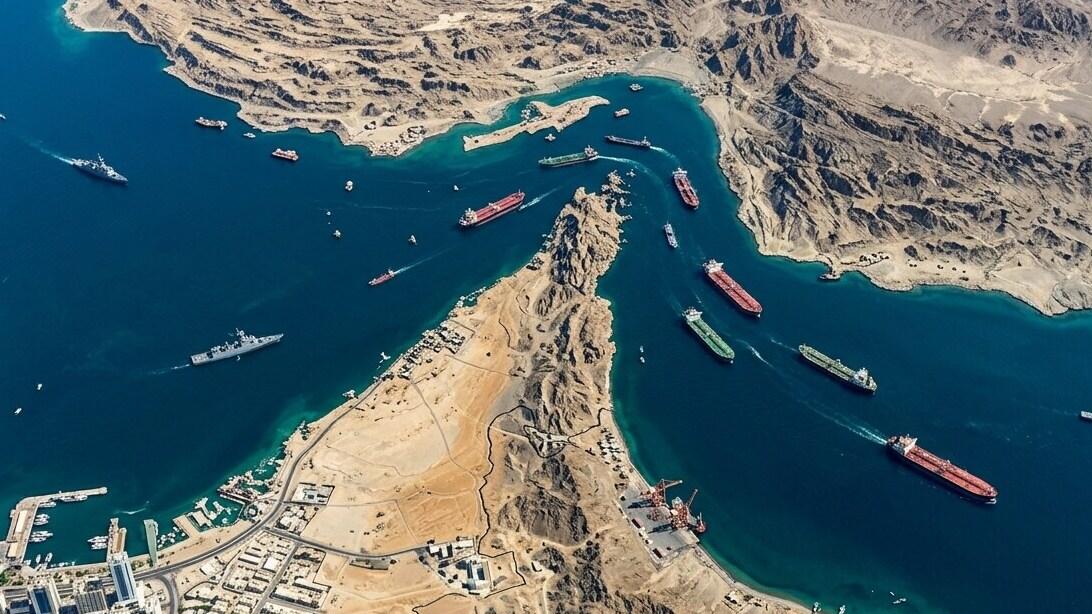
The Strait war escalation is no longer a distant threat on a map.
It is becoming the central pressure point of the Middle East.
The United States has intensified strikes against Iranian military assets around the Strait of Hormuz, targeting radar systems, drones, missile sites and maritime capabilities in an effort to weaken Tehran’s ability to threaten shipping. But each strike also carries a larger risk: the more Washington tries to force the waterway open, the more the conflict risks expanding beyond a military operation into a regional economic shock.
This is not only about Iran.
It is about oil, shipping, Gulf security, inflation, insurance, diplomacy and the fragile line between pressure and open war.
Strait War Escalation Hits The World’s Most Sensitive Waterway
The Strait of Hormuz is not an ordinary maritime route.
It is one of the most strategically important passages in the world, connecting Gulf energy exports to global markets. When military pressure rises there, the consequences are not limited to nearby countries. They travel through oil prices, shipping costs, insurance premiums, airline routes, investor sentiment and consumer prices.
That is why the current escalation matters.
Reuters reports that U.S. strikes have focused on weakening Iranian radar, drone, missile and maritime assets, while officials say the attacks strengthen President Donald Trump’s options for future operations.
That phrase — “future operations” — is the key.
The strikes are not only punishment.
They may also be preparation.
Washington Is Expanding Its Military Options
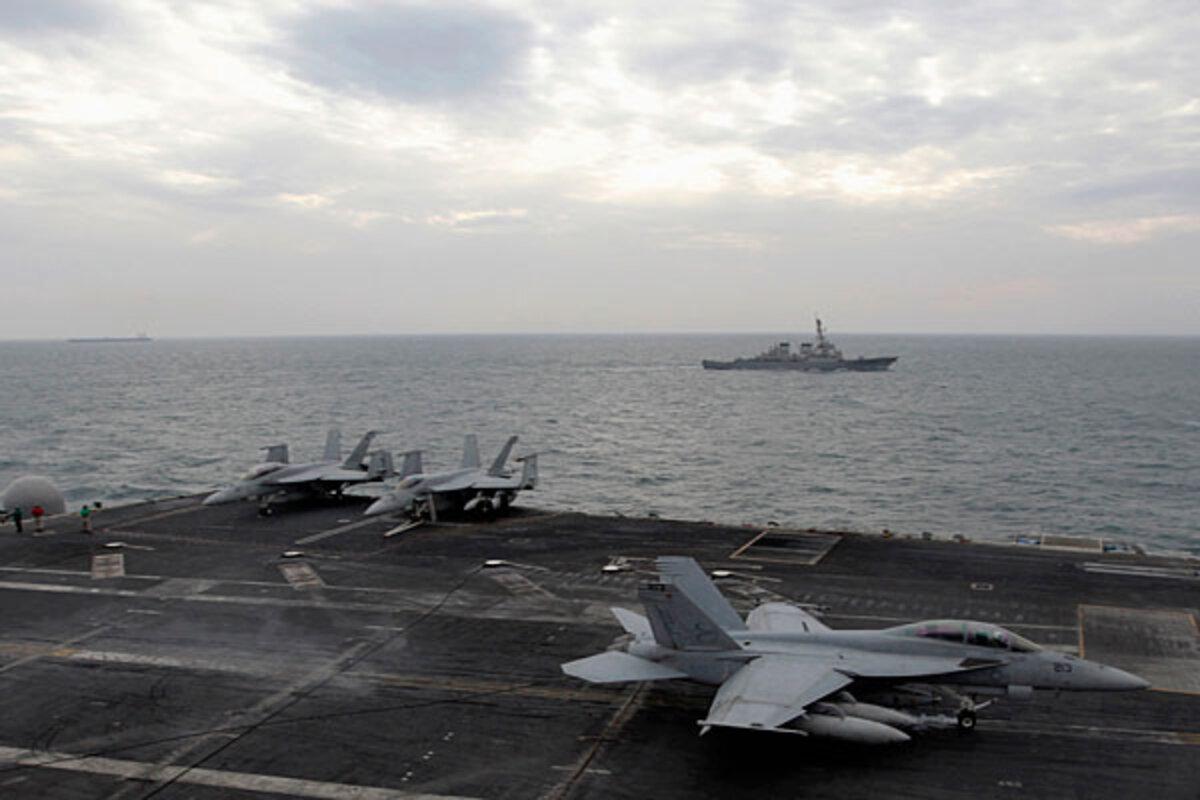
The United States appears to be trying to change the balance of pressure.
By hitting Iranian military infrastructure, Washington wants to reduce Tehran’s ability to control the tempo around the Strait. If Iran can threaten tankers, harass ships or create fear among commercial operators, it can raise the cost of every barrel and every crossing.
The U.S. goal is to reduce that leverage.
But military success in the Strait is complicated. Destroying radar sites or drone launch points may weaken Iran’s immediate capacity, but it does not automatically remove the political problem. Iran can still use missiles, small boats, mines, proxy networks, cyber pressure or symbolic attacks to keep uncertainty alive.
In this kind of conflict, uncertainty itself becomes a weapon.
A tanker does not need to be hit every day for markets to panic.
It only needs to believe the next hit is possible.
Iran Still Has Leverage
Reuters reports that despite significant damage to Iranian military assets, Iran maintains key capabilities and has continued attacks on tankers and Gulf states.
That matters because it limits the idea of a clean military solution.
The United States can strike targets.
Iran can disperse assets, adapt tactics and keep enough capacity to threaten disruption.
This is the danger of the Strait confrontation. It is not a battlefield where victory is declared quickly. It is a pressure system where both sides can continue raising costs without necessarily reaching a decisive end.
Iran does not need to defeat the U.S. Navy.
It only needs to make the waterway feel unsafe enough to influence markets and politics.
Oil Facilities Remain The Red Line
One of the most important details is what Washington has not yet done.
Reuters reports that Trump has so far avoided targeting Iran’s oil facilities, though he has hinted at possible future actions including pressure around Kharg Island, a key oil export hub.
That restraint matters.
Striking oil infrastructure would move the conflict into a more dangerous economic category. It could trigger sharper market reactions, raise the risk of wider Iranian retaliation and make diplomatic de-escalation harder.
Oil facilities are not only military-adjacent assets.
They are economic arteries.
The moment they become targets, the war becomes more difficult to contain.
The Gulf States Are Exposed
The Gulf states sit directly in the danger zone.
They depend on secure shipping lanes, energy export stability, port operations, investor confidence, aviation routes and the perception that the region remains manageable despite political tension.
If the Strait becomes too dangerous, the consequences spread quickly.
Insurance becomes more expensive.
Shipping routes become more cautious.
Energy buyers become nervous.
Investors demand higher risk premiums.
Governments must reassure citizens, markets and foreign partners at the same time.
Even countries not directly involved in the conflict can become exposed simply because geography puts them near the pressure point.
That is the unfair logic of regional escalation.
One actor fires.
The whole neighbourhood pays.
Shipping Insurance Becomes A Warning Signal
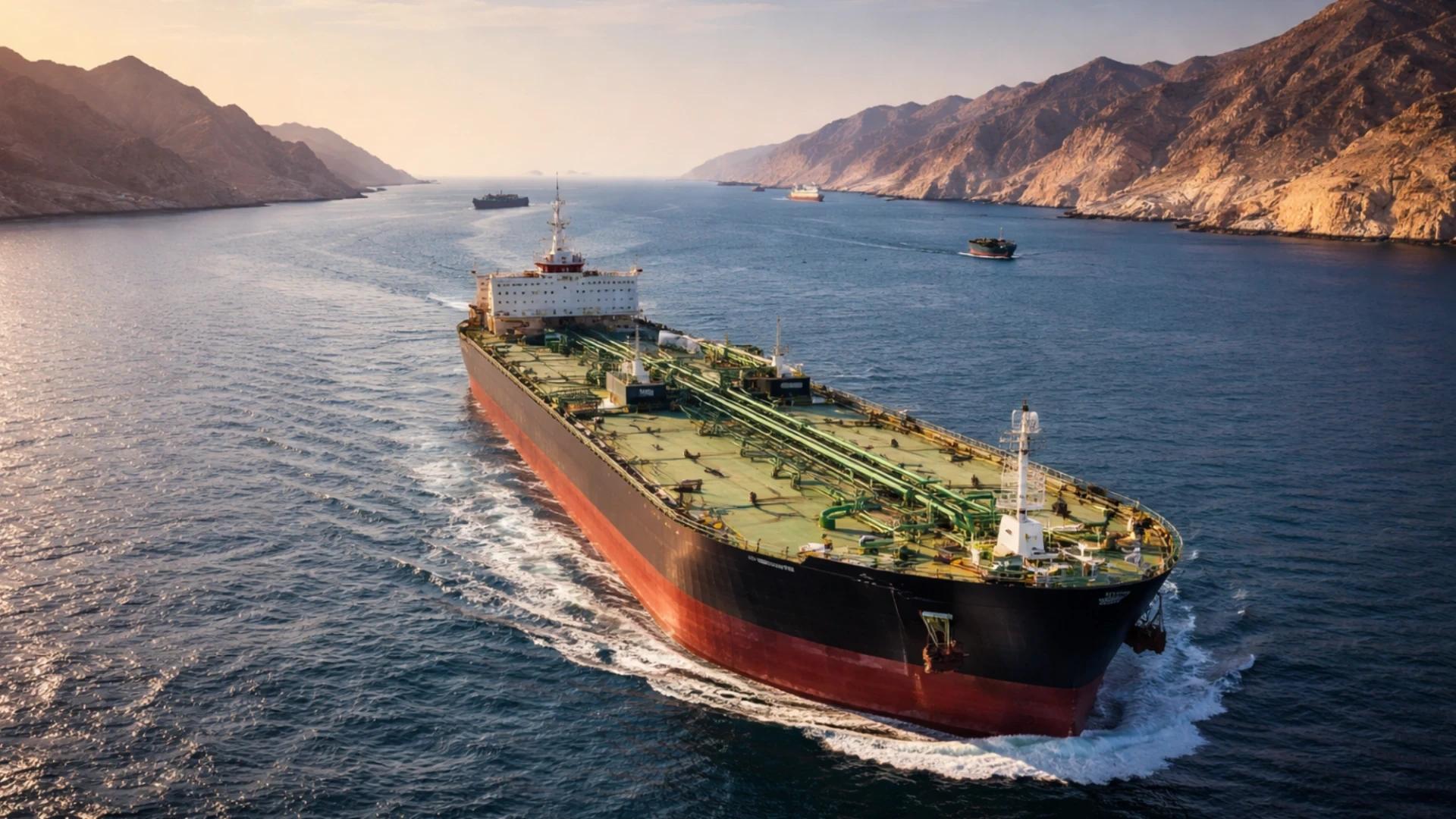
Before oil prices explode, insurance often moves first.
War-risk premiums, vessel-routing decisions and maritime advisories can reveal how dangerous the shipping industry believes the situation has become. If insurers demand higher premiums or shipowners delay voyages, the market receives a signal before official statistics catch up.
This is where the Strait becomes an economic instrument.
Iran does not need to close the passage completely to create damage. Even partial disruption, uncertainty or repeated attacks can raise costs across the system.
For global consumers, that may later appear as more expensive fuel, transport costs or imported goods.
The shock begins at sea.
It ends in household budgets.
The Military Logic And Diplomatic Logic Are Colliding
The U.S. position appears built around pressure: weaken Iran, reopen or secure maritime routes, and force Tehran toward a less aggressive position.
But pressure can produce two opposite results.
It can push an opponent toward negotiation.
Or it can push an opponent toward retaliation to prove it has not been broken.
That is the central risk now.
If Iran believes it is being cornered, it may escalate asymmetrically rather than retreat. If Washington believes Iran is still threatening the Strait, it may strike again. Each side can then describe its next move as defensive.
That is how escalation becomes self-reinforcing.
Nobody says they want a wider war.
Each side claims the other created the need for the next step.
Public Threats Can Become Operational Risks
Reuters notes that military experts have warned public discussions of possible future targets may hinder operations, even if they also apply diplomatic pressure on Tehran.
That is an important point.
In a military crisis, public messaging is part of the battlefield. A leader may want to signal strength, reassure allies or frighten an opponent. But public threats can also give the other side time to adapt, disperse assets, harden targets or prepare retaliation.
The line between deterrence and warning is thin.
A threat can reduce risk if it convinces an opponent to stop.
It can increase risk if it convinces the opponent to strike first.
Markets Hate Unclear Endgames
The biggest weakness in the current escalation is the unclear endgame.
What would be enough for Washington?
A fully reopened Strait?
Reduced Iranian attacks?
A new diplomatic agreement?
Destruction of specific military capabilities?
Regime-level pressure?
The answer matters because markets can price a crisis better when they understand the objective. If the goal is limited, investors can estimate the pathway. If the goal keeps expanding, the risk premium rises.
Reuters reports that critics argue the war has produced tactical victories but failed strategically to gain meaningful concessions from Tehran.
That is the core concern.
Winning strikes is not the same as winning the crisis.
The Middle East Enters A Wider Danger Zone
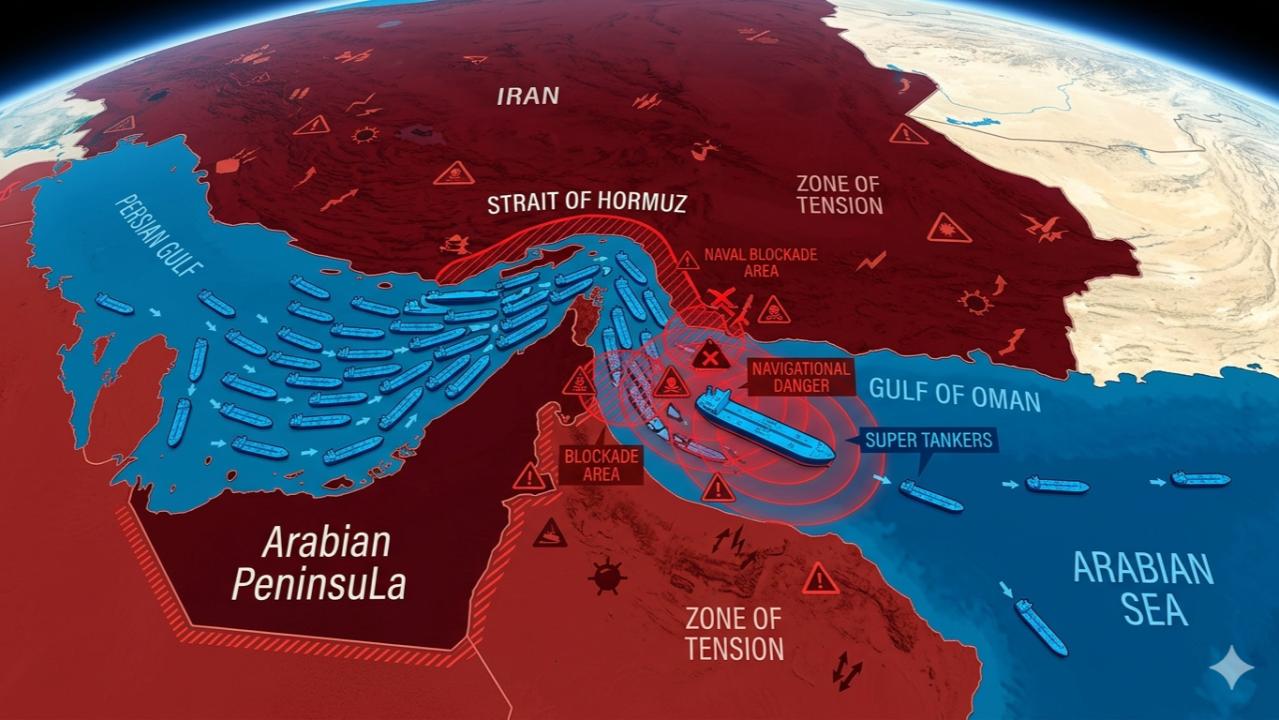
The danger zone is wider than the Strait itself.
Iran’s pressure can affect Gulf states, Israel, Iraq, Lebanon, Syria, Yemen and global shipping. U.S. escalation can pull regional allies deeper into security coordination. Maritime incidents can create accidental casualties. A missile miscalculation can force governments to respond harder than they planned.
The Middle East has seen many crises.
But this one is especially sensitive because it connects three volatile elements at once: U.S.-Iran confrontation, global energy supply and a narrow maritime chokepoint.
That combination leaves very little room for error.
A local strike can become a global price move.
A tanker incident can become a diplomatic emergency.
A public threat can become a military deadline.
The Global Economy Is Watching
For households far from the Gulf, the Strait may seem remote.
It is not.
Energy markets influence inflation, central bank decisions, airline costs, shipping prices and business confidence. If the Strait remains unstable, the effects can travel into supermarkets, fuel stations, freight contracts and government budgets.
That is why the conflict matters beyond geopolitics.
A war around the Strait is never only a regional war.
It is a global cost-of-living risk.
The world economy may not react to every strike with panic, but repeated escalation creates a background pressure that companies, investors and governments cannot ignore.
The Bottom Line
The Strait war escalation has pushed the Middle East into a new danger zone.
U.S. strikes may weaken Iranian military assets and expand Washington’s options, but they do not remove Iran’s leverage over the Strait of Hormuz. As long as Tehran can threaten shipping, oil flows or Gulf security, the crisis remains alive.
The central question is no longer whether the United States can hit Iranian targets.
It can.
The harder question is whether those strikes create a path to de-escalation — or whether they pull the region deeper into a conflict where every military success creates the conditions for the next confrontation.
In the Strait of Hormuz, the world is not only watching a war.
It is watching the price of risk rise in real time.
 Jamal Mahdad, Founder & Editor-in-Chief