
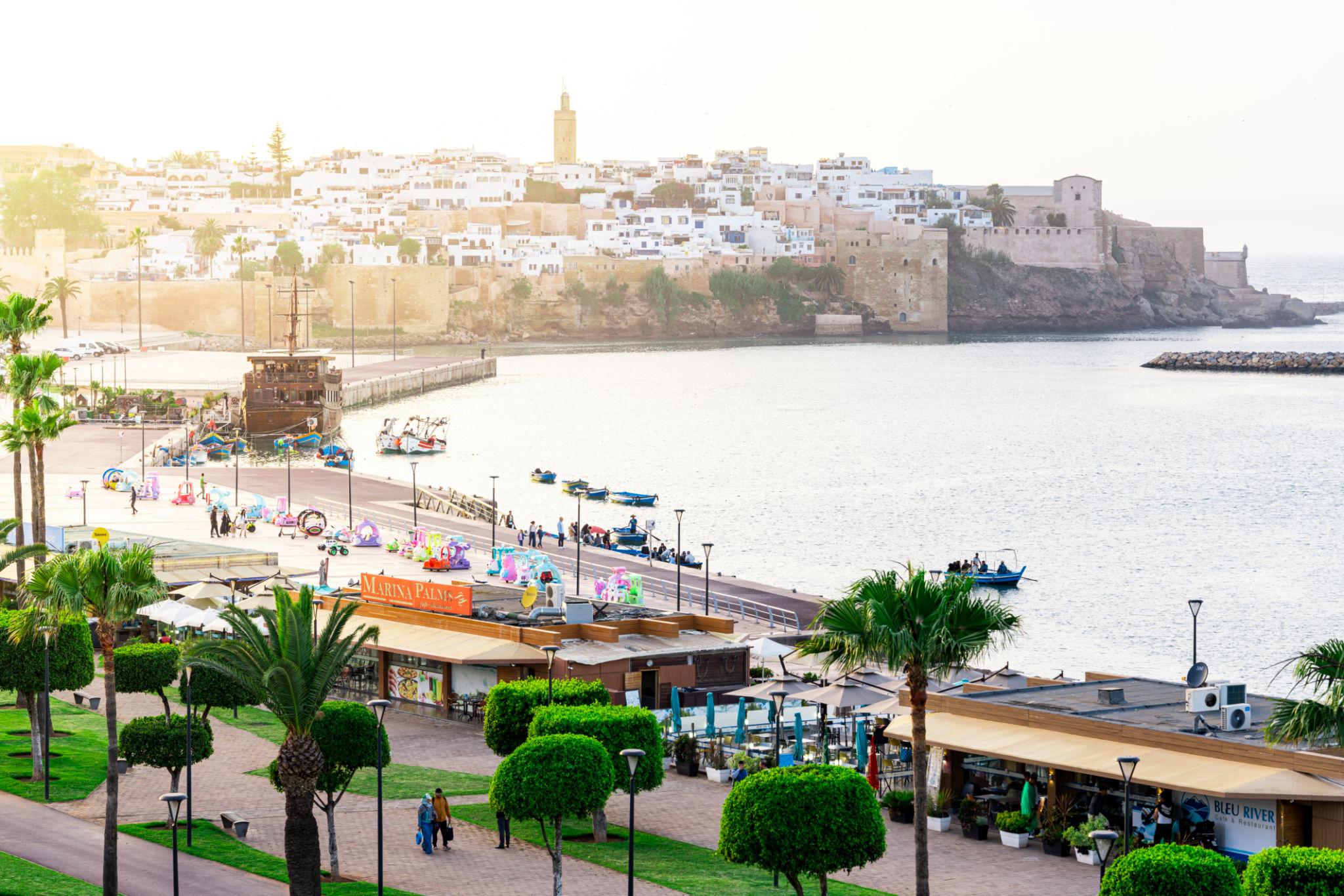
Forget the idea that water is only something people notice when the tap stops running. In Morocco, water is becoming one of the biggest lifestyle issues of the decade. After years of drought pressure, fast-growing cities and rising demand from homes, farms, hotels and factories, the Kingdom is pushing harder into seawater desalination. For families living in coastal cities like Casablanca, Agadir, Rabat, Tangier, Dakhla and Nador, that could change how secure daily life feels in the years ahead.
The 2030 Target Is Huge — Casablanca Is The Big Symbol
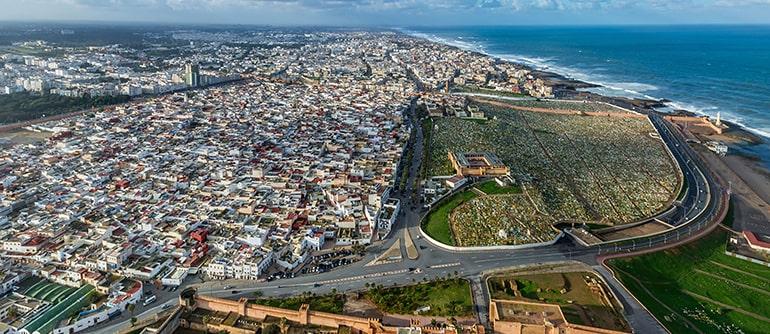
The biggest number is 60%. Reuters reported that Morocco aims to secure 60% of its drinking water needs from desalinated seawater by 2030 — a major jump from earlier levels showing that desalination is no longer a small side project but a central pillar of Morocco’s water strategy. If one project shows the scale of the ambition, it is Casablanca. Morocco is building a major desalination plant near the country’s economic capital, described as one of the largest projects of its kind in Africa. Casablanca is Morocco’s business engine — millions of people, major industry, ports, housing growth and huge daily water demand. If desalination can support Casablanca, it could become a powerful symbol for the rest of the country.
Agadir Shows Why The Coast Matters
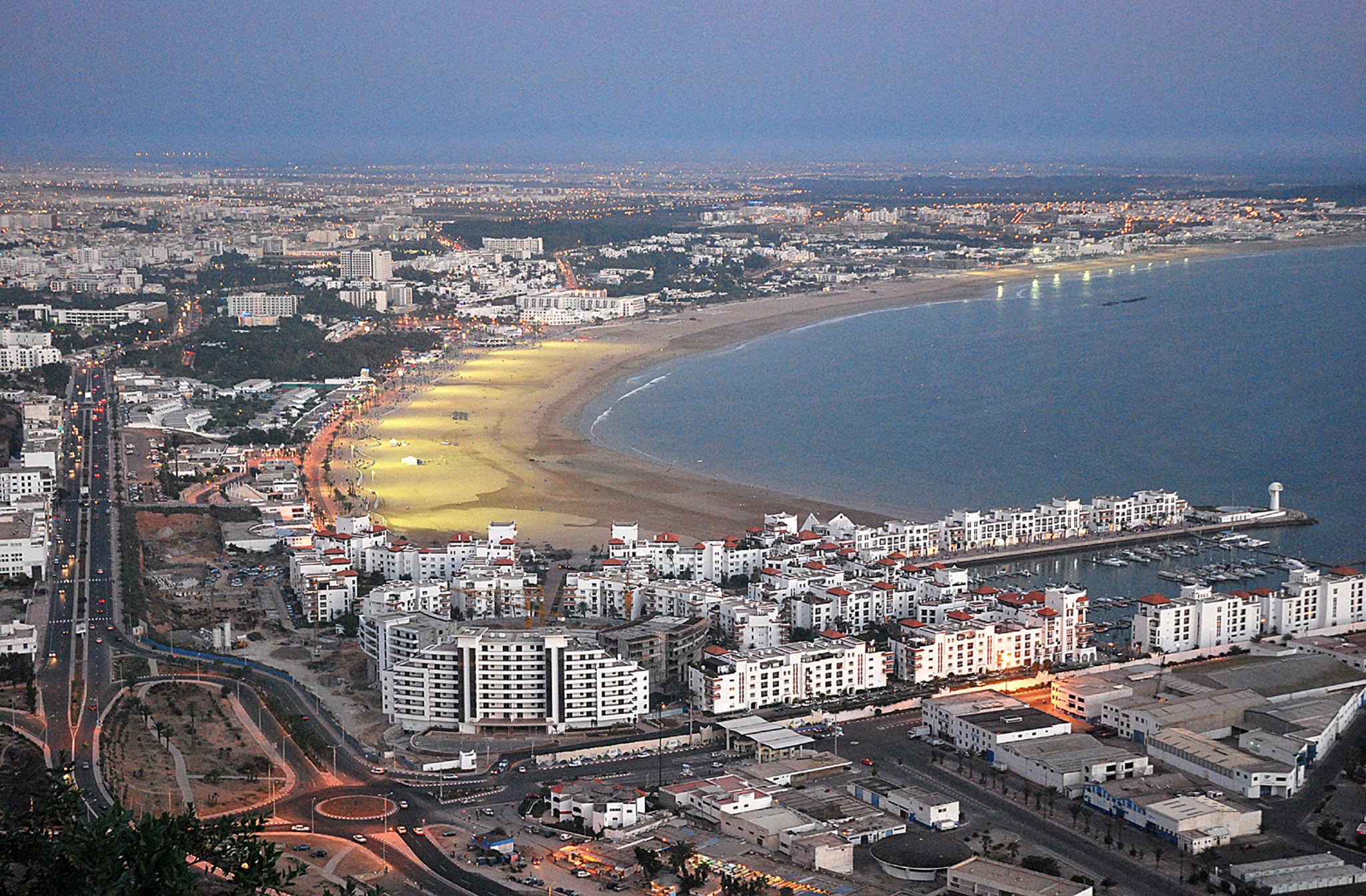
Agadir already shows why desalination can matter for coastal life. The city sits in the Souss-Massa region, one of Morocco’s most important agricultural and tourism areas — water there is not only about homes, it is about farms, hotels, beach tourism, food production and jobs. A desalination-backed water system can help reduce pressure on traditional freshwater sources, important for a region where tourism and agriculture both need reliability. Desalination also matters for places like Dakhla and Nador, linked to Morocco’s wider development plans including ports, tourism, industry and regional growth. When coastal cities expand, water demand rises — that makes desalination more than a climate response, it becomes part of urban planning.
Renewable Energy Could Make It Smarter
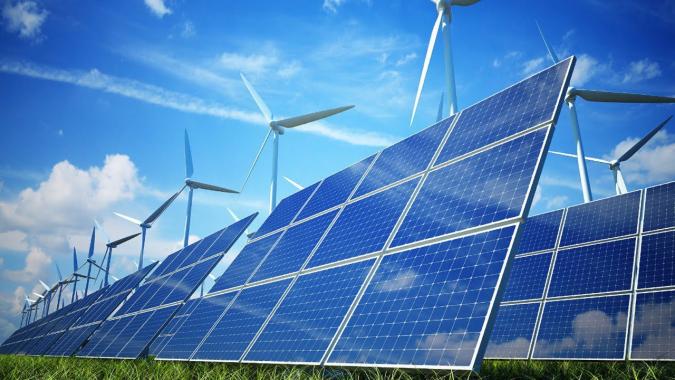
Desalination uses energy — that is one of its biggest challenges. Morocco’s advantage is that it is also investing heavily in renewable energy, including wind and solar, and Reuters reported that future desalination plants are expected to be powered by renewable energy. That matters because desalination only makes sense long term if it is affordable and sustainable — the cleaner and cheaper the energy, the stronger the model becomes. Desalination is powerful, but not magic: it can be expensive, needs energy and infrastructure, creates brine that must be managed carefully, and requires technical skill and long-term maintenance. Morocco still needs a full water strategy — dams, transfers, wastewater reuse, saving water, modern irrigation and public awareness. Water security is not only built by mega-projects. It is also built by daily habits: shorter showers, fixing leaks, smarter irrigation. A water-smart country needs water-smart citizens too. For families, a city with reliable water feels easier to live in, easier to visit and easier to grow.
 Jamal Mahdad, Founder & Editor-in-Chief