

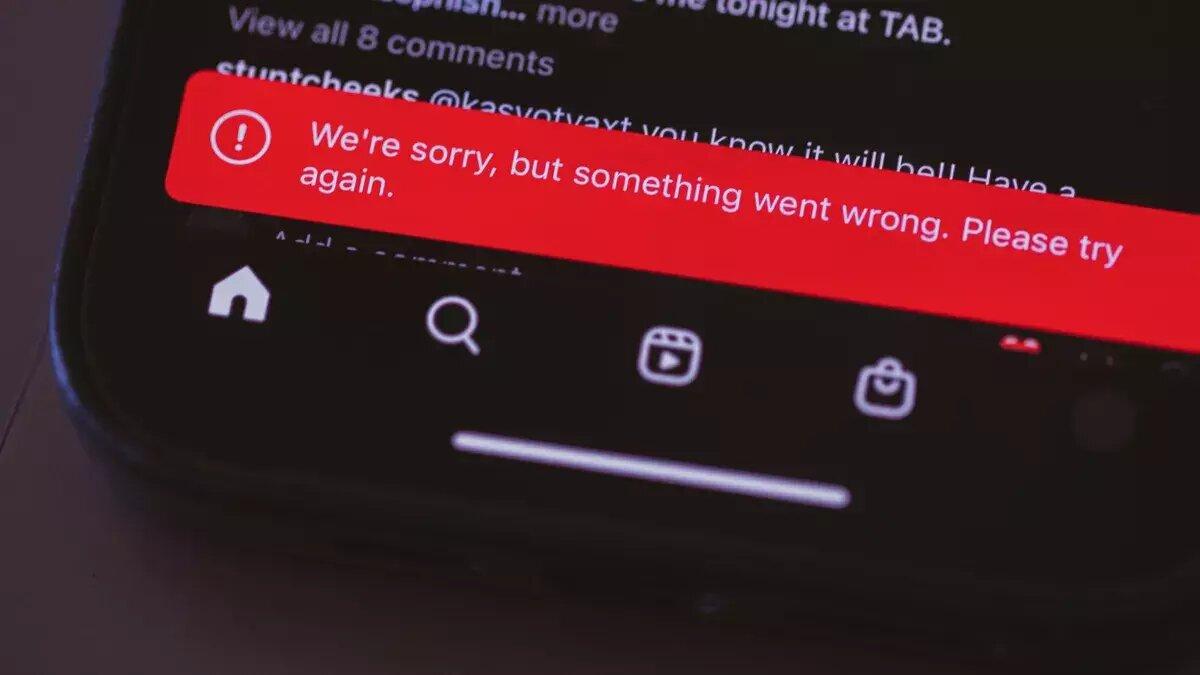
A few years ago, a social media outage was annoying.
Now, it can feel like daily life has stopped.
When WhatsApp, Instagram, Facebook or Messenger go down, people do not only lose entertainment.
They lose family contact.
Work messages.
Business orders.
School groups.
Delivery updates.
Customer service.
Marketing posts.
Community news.
That is why every major Meta outage now feels bigger than a tech problem.
It feels like a lifestyle shock.
When The Apps Stop, Life Feels Strange
Most people do not think about how often they open WhatsApp or Instagram.
Until the apps stop working.
Suddenly, messages do not send.
Stories do not load.
Voice notes freeze.
Business pages go quiet.
Group chats stop moving.
People refresh again and again.
Some check their Wi-Fi.
Some restart their phones.
Some think the problem is only theirs.
Then the truth appears online.
It is not your phone.
It is the platform.
Meta Is Part Of The Daily Routine
Meta apps are no longer just apps.
They are habits.
Morning messages.
Family updates.
Work coordination.
Photos.
Shopping.
Invitations.
News links.
School announcements.
Restaurant bookings.
Beauty appointments.
Football reactions.
They sit inside the rhythm of the day.
That is why an outage feels personal.
A person may not care about Meta as a company.
But they care when a message to their mother, customer or colleague does not go through.
WhatsApp Is The Real Lifeline

For many people, WhatsApp is the most important app on the phone.
It is where families talk.
Where parents check on children.
Where friends organise plans.
Where small businesses take orders.
Where workers receive instructions.
Where communities share urgent updates.
In countries like Morocco, WhatsApp is not only a chat app.
It is everyday infrastructure.
When it stops, people immediately feel the gap.
Instagram Is More Than Photos
Instagram may look like entertainment.
But for many people, it is also income.
Small shops use it as a storefront.
Restaurants post menus.
Gyms sell memberships.
Artists show work.
Influencers promote brands.
Travel pages sell experiences.
Fashion sellers receive orders through DMs.
A short outage can interrupt sales, campaigns and customer replies.
That is why Instagram problems matter to more than teenagers and celebrities.
Small Businesses Feel It Fast
A big company may have a website, email team and call centre.
A small business may only have Instagram and WhatsApp.
That is the difference.
If a bakery, barber, clothing seller or home business relies on Meta apps, an outage can mean missed orders.
No replies.
No bookings.
No payment confirmations.
No customer updates.
For small businesses, digital downtime can become real lost money.
That is why outages are now a business concern too.
Families Notice Immediately
Meta outages also hit family life.
A mother tries to send a voice note.
A father checks a family group.
A daughter sends a location.
A cousin shares travel updates.
A school group posts reminders.
A wedding group confirms details.
When the apps fail, people feel disconnected.
Even if the outage lasts only a few hours, the reaction is instant.
That shows how deeply these platforms have entered private life.
The June Outage Was A Reminder
Earlier this month, Meta platforms faced a major disruption affecting services including Facebook, Instagram, Threads, Messenger and WhatsApp.
Reuters reported that user reports peaked at more than 113,000 for Facebook and around 10,000 for Instagram on Downdetector during the outage.
Other reports also pointed to problems across several Meta services.
The disruption did not last forever.
But it was enough to remind people how dependent modern life has become on a few platforms.
Outage Reports Travel Fast
The funny part is that when one platform goes down, people rush to another platform to complain.
If WhatsApp fails, users check Instagram.
If Instagram fails, they check X.
If Facebook fails, they search Google.
If everything feels strange, they open Downdetector.
Within minutes, a local problem becomes a global conversation.
People compare screenshots.
They ask, “Is it down for you too?”
That phrase has become part of internet culture.
People Panic Because They Depend On It
The panic is not only dramatic.
It is logical.
People depend on these apps for real tasks.
A worker may be waiting for instructions.
A seller may be waiting for a customer.
A parent may be waiting for a child’s message.
A traveler may need a location pin.
A restaurant may be taking delivery orders.
A creator may be posting paid content.
When the app stops, the task stops.
That is why the reaction is so strong.
The Modern Phone Is A Control Centre

A smartphone is no longer only a phone.
It is a bank.
A camera.
A map.
A diary.
A shop.
A newspaper.
A family album.
A work desk.
A customer service window.
Meta apps sit at the centre of that control system.
So when they fail, people suddenly realise how much of their life depends on one screen.
That realisation can feel uncomfortable.
Digital Convenience Has A Hidden Cost
Convenience is powerful.
It is easy to send a voice note.
Easy to share a photo.
Easy to promote a product.
Easy to message a customer.
Easy to organise a family event.
But convenience can create dependency.
When one company’s platforms carry so much daily communication, a technical problem can become a social problem.
That is the hidden cost.
The easier the app makes life, the harder life feels when the app disappears.
Backup Plans Are Becoming Important
Outages are a reminder to have backup options.
A phone call.
SMS.
Email.
A second messaging app.
A website.
A customer database.
A saved contact list.
A business should not depend only on Instagram DMs.
A family should still know how to reach each other without WhatsApp.
A school group should have backup contact channels.
This is not paranoia.
It is basic digital survival.
Creators Also Take A Hit
Content creators are especially vulnerable.
If Instagram or Facebook goes down, scheduled posts may fail.
Brand campaigns may be delayed.
Live videos may be cancelled.
Audience engagement may drop.
Paid promotions may lose momentum.
For creators, an outage is not only frustrating.
It can disrupt income.
A viral moment can be missed.
A campaign deadline can be damaged.
That is why platform reliability is now part of the creator economy.
The Outage Becomes Entertainment Too
There is also a strange entertainment side.
Every outage creates memes.
People joke about finally talking to their family.
Others say they thought their internet was broken.
Some celebrate a forced digital break.
Some panic after five minutes.
The outage itself becomes content.
That is how modern life works.
Even when social media breaks, people turn the break into a social media story somewhere else.
But The Stress Is Real
Behind the jokes, the stress is real.
Many people feel anxious when their main communication tools stop.
They worry about missed messages.
They worry about customers.
They worry about family.
They worry about being unreachable.
That anxiety shows how much emotional weight these apps carry.
A notification is not always just a notification.
Sometimes it is reassurance.
Morocco Feels This Strongly
In Morocco, WhatsApp and Instagram are everywhere.
Families use them.
Small shops use them.
Tourism operators use them.
Football fans use them.
Diaspora communities use them.
Real estate agents use them.
Restaurants use them.
Students use them.
A Meta outage can therefore touch many parts of daily life quickly.
It is not just a Silicon Valley issue.
It is a Moroccan lifestyle issue too.
The Final Whistle
Meta outages hit daily life so hard because WhatsApp, Instagram, Facebook and Messenger have become part of how people live, work, sell, study and stay close.
When they go down, people feel it immediately.
Families lose contact.
Businesses miss orders.
Creators lose momentum.
Workers lose updates.
Communities lose their main channel.
The lesson is simple.
These apps are useful.
They are powerful.
But daily life should not depend on one digital system alone.
Because when Meta melts down, the modern routine melts with it.
 Jamal Mahdad, Founder & Editor-in-Chief