
The World Cup is bigger than ever. More teams. More matches. More cities. More stories. And Morocco-Canada is exactly the kind of match the new format was built to create: a co-host nation against an African and Arab football power, in Houston on July 4, in a Round of 16 clash with two countries chasing a bigger place in World Cup history. This is the expanded World Cup doing exactly what it promised.
The 48-Team World Cup Changes Everything

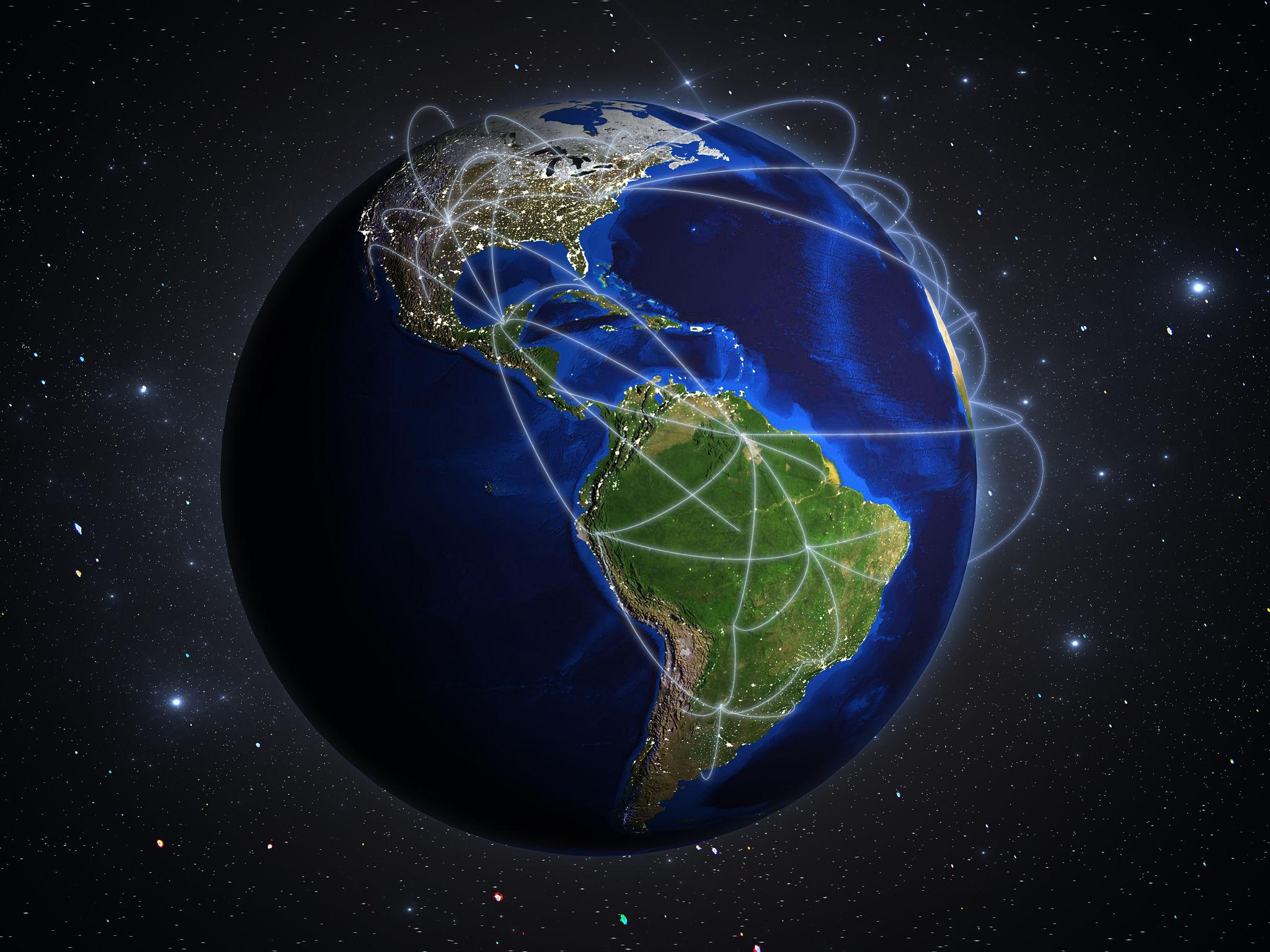
The 2026 World Cup is the first edition with 48 teams. For years, the tournament had 32 — now the stage is wider, the schedule is bigger and more countries have a chance to become part of the global football conversation. There are 104 matches across 16 host cities in the United States, Canada and Mexico. That means more drama, more travel, more fan bases, more knockout paths and more chances for countries outside the old power circle to create moments that travel around the world. The 2026 format added a Round of 32 before the Round of 16 — more teams get to taste knockout football, more fans get a reason to believe, and more countries get one extra step before the very biggest matches.
Old Football Maps Are Being Redrawn
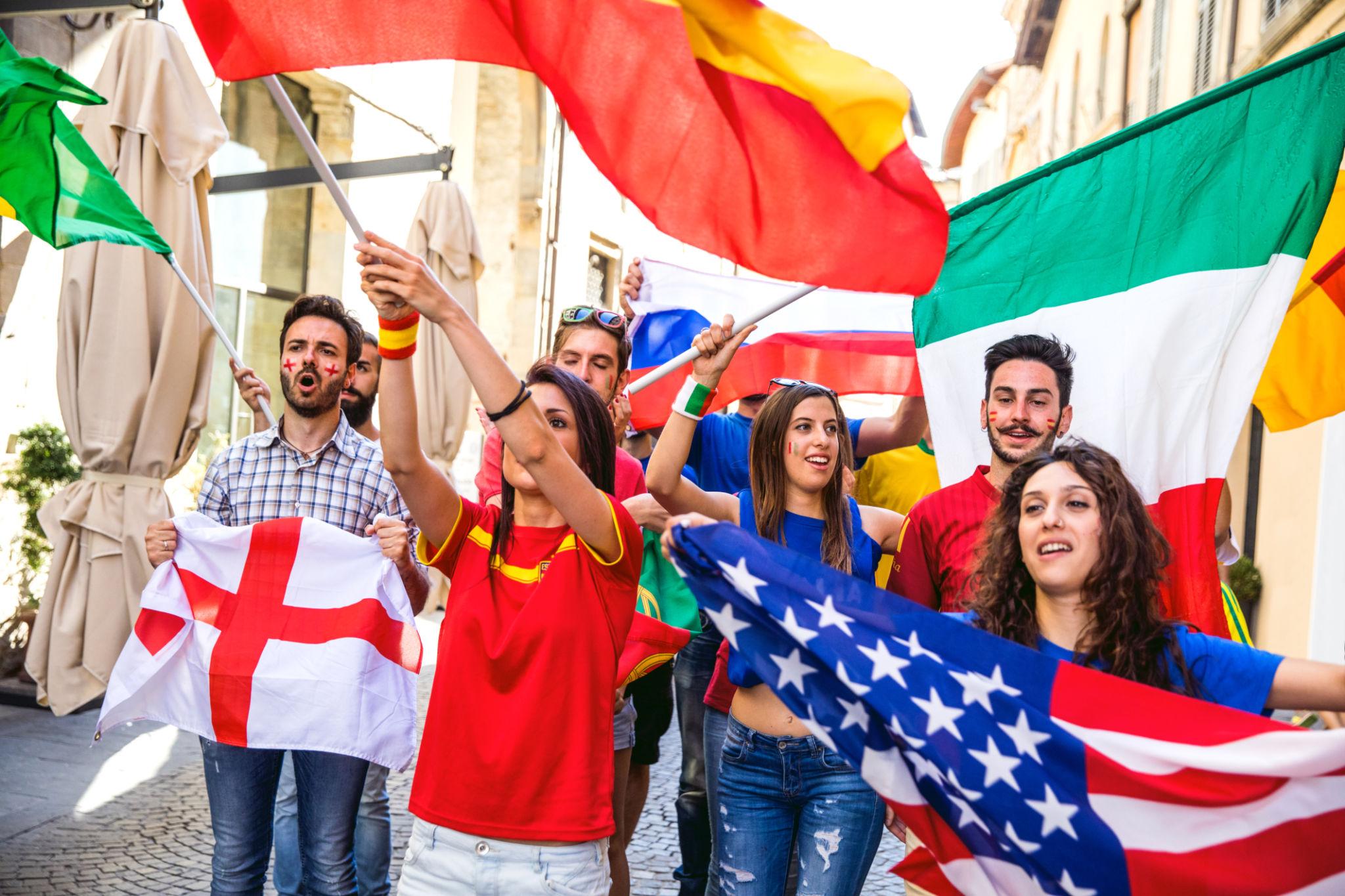
For decades, the World Cup often felt dominated by the same names: Europe, South America, traditional giants, historic shirts, famous football cultures. Those powers still matter — but the map is changing. Morocco’s rise has already shown that African and Arab football can force itself into the deepest conversations. Canada’s run shows how co-host momentum can help build a new national football identity. Germany went out to Paraguay. The Netherlands were beaten by Morocco. Italy are not at the tournament after failing to qualify. The message is clear: a famous shirt is no longer enough. Teams with belief, structure and talent can break brackets open. Morocco have already done it once. Canada are now doing it too.
More Teams Means More Fan Worlds
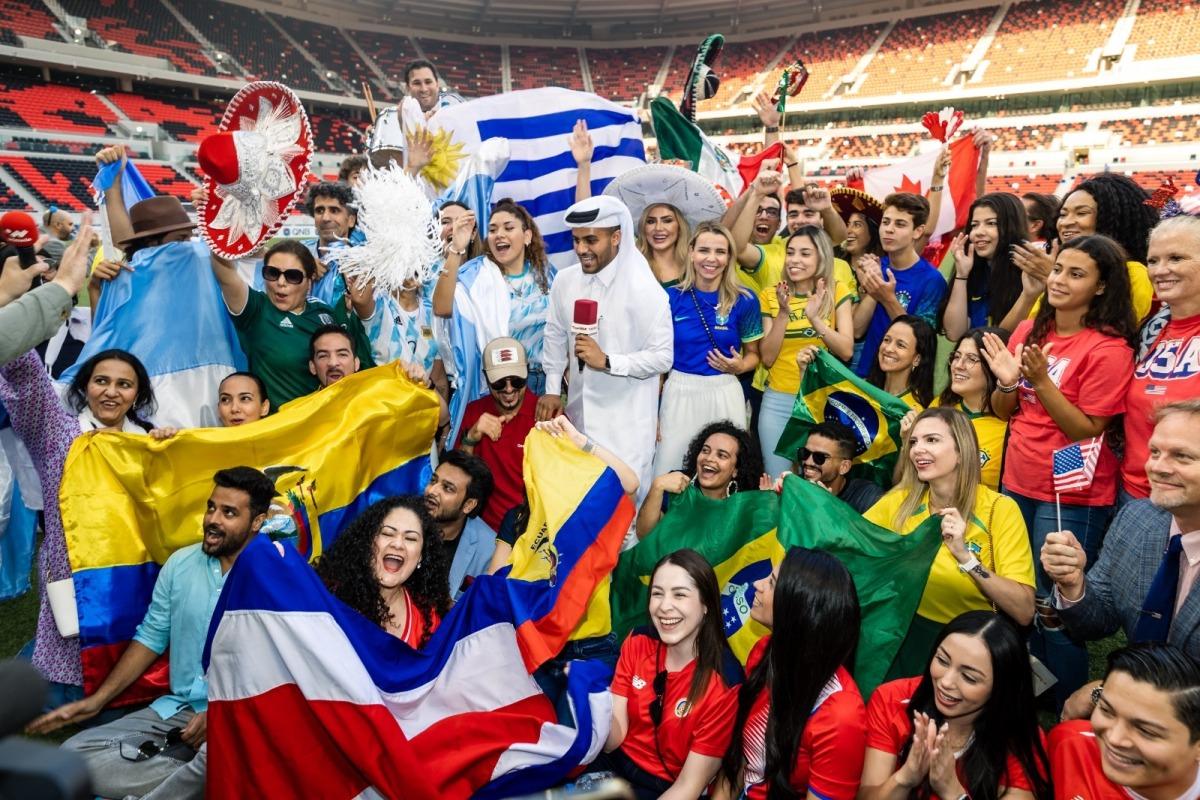
The World Cup is not only about players. It is about people. A bigger tournament brings more languages, more flags, more food cultures, more songs, more diaspora communities and more travel stories into the same global event. Morocco’s World Cup run is not only watched in Morocco — it is watched in Amsterdam, Paris, Brussels, Dubai, Montreal, New York, Houston, Casablanca, Rabat and Tangier. Canada’s run also brings a huge North American fan story. When those worlds meet in Houston, the match becomes bigger than tactics. It becomes culture. The 48-team era gives countries like Morocco the chance to prove their rise is real, while giving co-host nations like Canada the chance to build football history at home.
Morocco Are Built For This Era
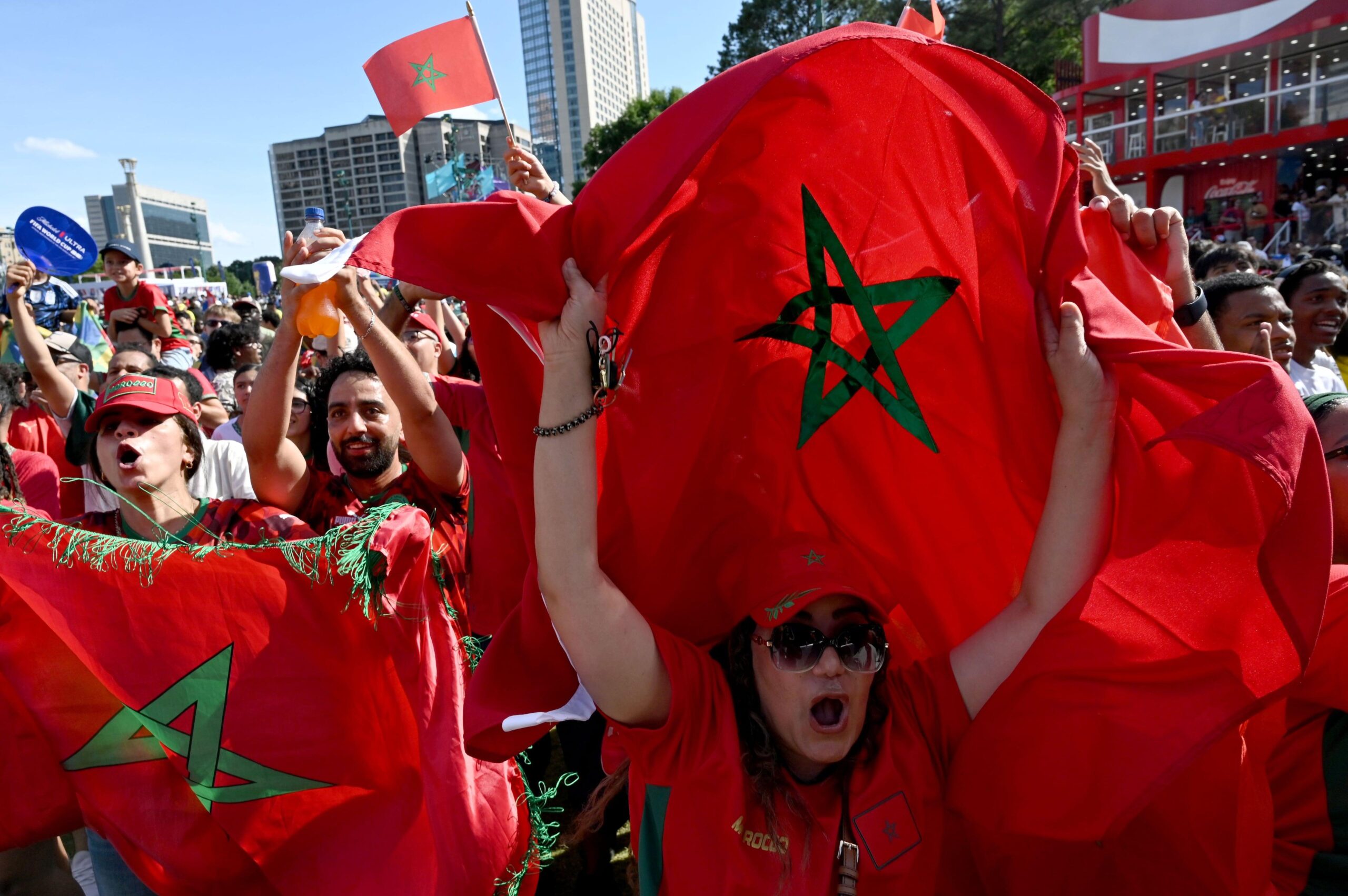
Morocco look like a team made for the new World Cup age. They have strong European-based talent, diaspora depth, tournament experience, a global fan base and a national identity that travels well. That combination is powerful in a tournament no longer limited to one region or one traditional football map. Morocco do not look like guests in this new era — they look like a serious part of it. The 48-team World Cup is not always cleaner, but it is less predictable: a famous name can still fall, a rising team can still grow, a co-host can still ride momentum, and a team like Morocco can still turn belief into another deep run. That uncertainty is what makes the tournament feel alive.
 Martino Oosterveer, Contributing Editor