

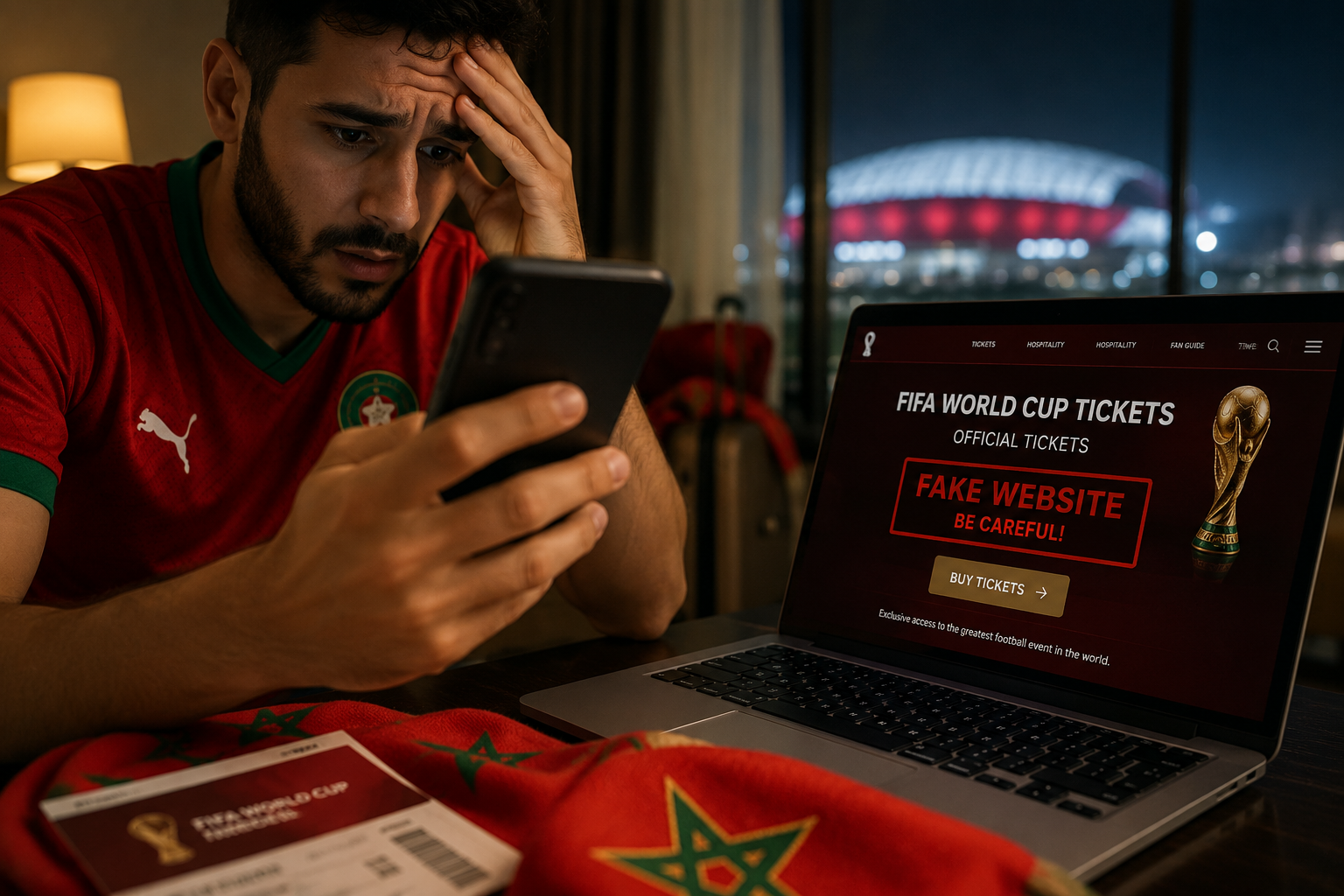
World Cup Ticket Scams are becoming one of the biggest money risks of the knockout stage. As demand rises for last-minute seats, fans are rushing online to find tickets, compare prices, join resale groups and avoid missing the match of their lives. That urgency is exactly what scammers want. A fake ticket can look real. A fake FIFA website can look official. A fake seller can sound friendly. For supporters chasing Morocco, Canada or any other team still alive, the warning is simple: the World Cup dream is now a digital risk.
Fake FIFA Sites Are A Real Threat

The FBI has warned about spoofed FIFA websites created to collect personal information, sell fake World Cup tickets and hospitality products, and possibly facilitate other malicious activity. Fake sites can look convincing at first glance: the logo may look right, the colours may look official, the ticket language may sound professional, and the payment page may feel real. But the goal is to steal money, personal information or banking details. The Associated Press has also warned fans to be careful when buying World Cup tickets online, especially when offers appear through social media, unofficial links or urgent messages. The advice is simple but powerful: take your time, check the source, and be suspicious of pressure tactics. Scammers often tell fans that the deal will disappear in minutes, that another buyer is waiting, or that quick payment is needed — urgency is the business model.
Screenshots Are Not Tickets
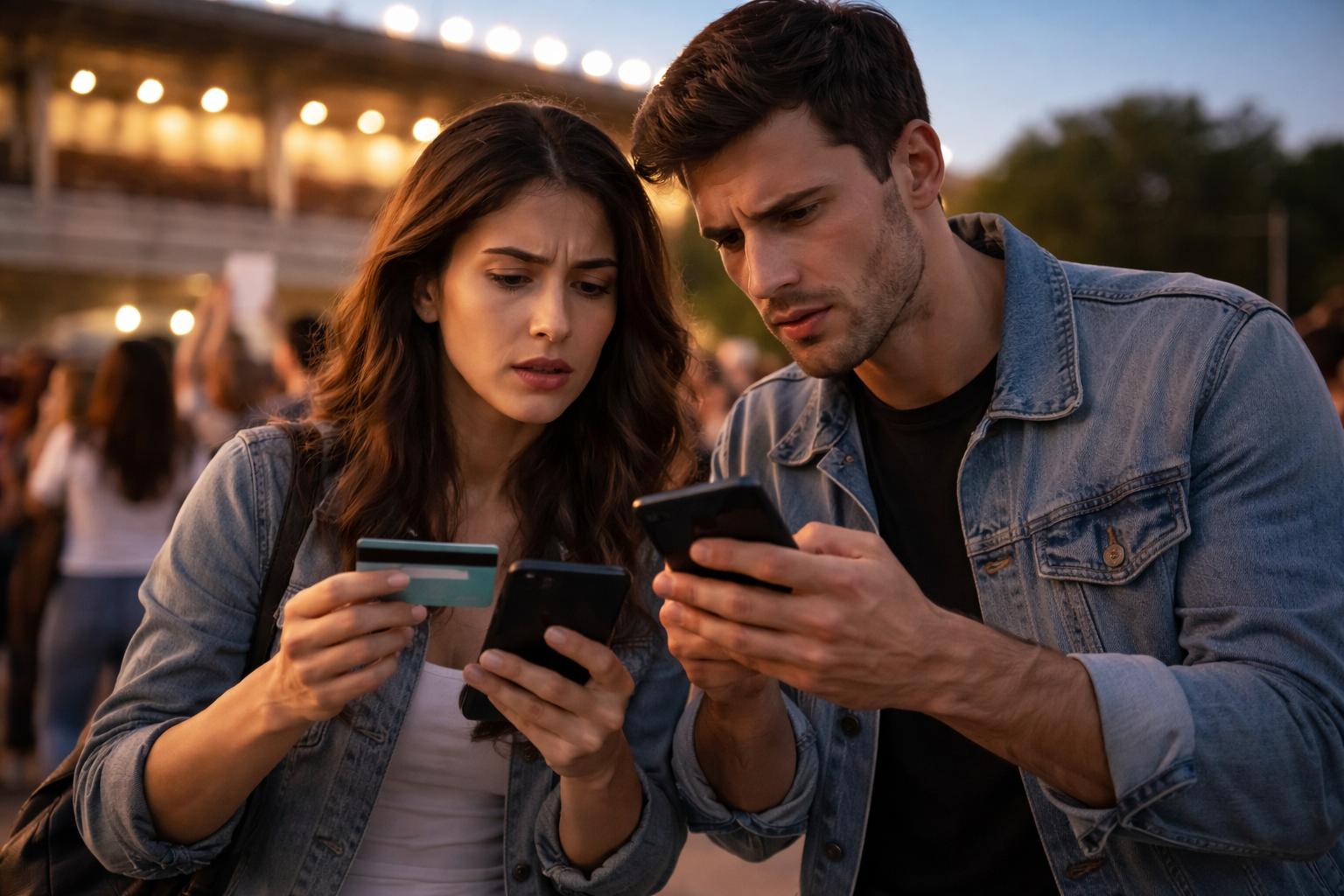
One of the most dangerous mistakes is trusting a screenshot. A screenshot can be copied, edited, and sold to multiple people simultaneously. The Federal Trade Commission has warned that World Cup tickets are delivered electronically through the FIFA app, meaning someone selling paper tickets or screenshots is likely to be a scammer. Reuters also reported that World Cup fans were left frustrated by last-minute StubHub cancellations, with some buyers receiving cancellation notices just hours before matches due to seller delivery issues and speculative ticketing, where sellers list tickets they may not actually possess. A refund may not solve the real issue — the fan may have already paid for flights, hotels, transport and time off work. A fake ticket does not only cost the ticket amount. It can cost the entire journey.
Payment Method Matters
Payment method can decide whether a fan has any protection. Scammers often prefer bank transfers, cryptocurrency, gift cards or peer-to-peer payments with weak dispute options — once the money is gone, recovery can be difficult. Credit cards and trusted platforms may provide more protection, but fans still need to check terms carefully. Social-media sellers are especially high-risk: a seller can create a fake profile, post stolen ticket screenshots, join football groups and message desperate buyers directly with messages like: Brother, I cannot attend – or: Two tickets left, transfer now. These messages work because they feel personal. But a stranger in a comment section is not a ticket office. Families are especially vulnerable because they need several tickets together, creating more emotional pressure and weaker judgment. The rule should be strict: no random sellers, no screenshots, no rushed payment, no unverified links.
Small Businesses Can Adapt Fast
MTD has a role here beyond reporting. A media brand should not only celebrate fan travel — it should help readers avoid mistakes. Ticket scams are a real fan protection story for people searching for last-minute seats to Morocco, Canada, Argentina or any other team still alive. The safest approach is to buy through official channels or reputable resale systems with clear buyer protection. Fans should use official ticket sources first, check website addresses carefully, avoid links from random messages, keep records of all purchases, use strong passwords and two-factor authentication, and never share passport or banking information with unknown sellers. A few minutes of verification can save hundreds or thousands of dollars. For Morocco fans chasing the Atlas Lions to Houston, a scammer wants speed. A smart buyer creates friction.