

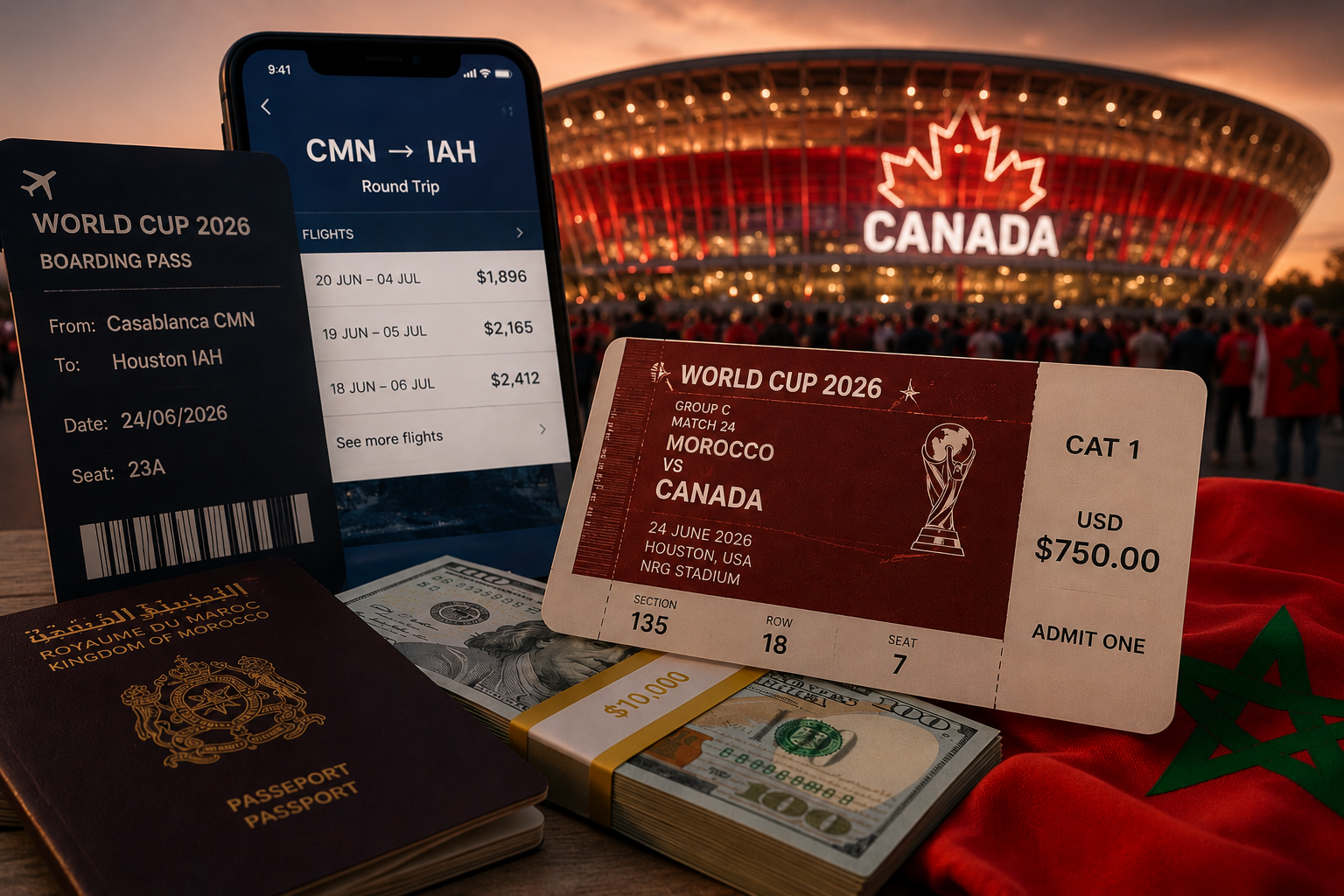
Supporting your country at the World Cup has always required passion. Now it also requires serious money. For many fans, the dream is simple: buy a ticket, travel to the match, wear the shirt and watch history happen live. But in 2026, that dream can quickly become expensive. Tickets, flights, hotels, food, transport, merchandise — one match day can turn into a financial test before the ball is even kicked.
Tickets Are Only The First Cost

Many people think the ticket is the biggest problem. It is not always that simple. A fan can find a ticket and still face a much bigger challenge: getting there. Flights can rise when demand increases. Hotels can become harder to find near stadium cities. Ride prices can climb on match days. Restaurants and fan areas can also become more expensive when thousands of supporters arrive at once. That means a World Cup match is not just a ticket purchase — it is a full travel package, even when nobody sells it that way. Host cities become pressure zones during major tournament weeks, and rooms close to stadiums, airports and fan areas become more valuable because demand is concentrated around match days. Fans who book late may face fewer options, higher prices or longer travel distances from their hotel to the stadium — adding stress to what should be a celebration.
Families Feel The Pressure Most

The price shock becomes even bigger for families. One fan travelling alone can manage costs more easily. A family of four has a very different problem: four tickets, more luggage, more meals, a bigger hotel room, more transport, more water, snacks and match-day needs. Suddenly, a single match becomes a major family expense. Football loyalty is emotional — fans do not want to miss the moment. If their country reaches a knockout match, they feel pressure to be there. They know these chances do not come often. They know a World Cup memory can last forever. That creates a difficult choice: spend the money and live the dream, or stay home and watch on television. For many supporters, that choice is not easy. Transport is also one of the hidden costs fans often underestimate: getting from the airport to the hotel, hotel to the stadium, back after the match, moving between fan zones — each ride can add to the total on busy match days.
The Home Option Still Has Power

Not every fan needs to travel to be part of the moment. Cafes, fan zones, family homes and public screens can create powerful atmospheres too. In many countries, the shared viewing experience can feel almost as emotional as the stadium. For fans who cannot afford the full trip, this matters. The World Cup belongs to them too. A supporter does not need a plane ticket to feel nervous before kick-off. They do not need a hotel room to celebrate a goal. They do not need a stadium seat to love the team. Social media has also created a modern pressure that did not exist in the same way before — fans do not only want to attend the match, they want to capture the trip, the hotel view, the stadium selfie, the food stop, the flag moment and the celebration clip. That makes the World Cup feel like a full lifestyle experience, not just sport. And the whole story costs more.
Small Businesses Get Their Moment
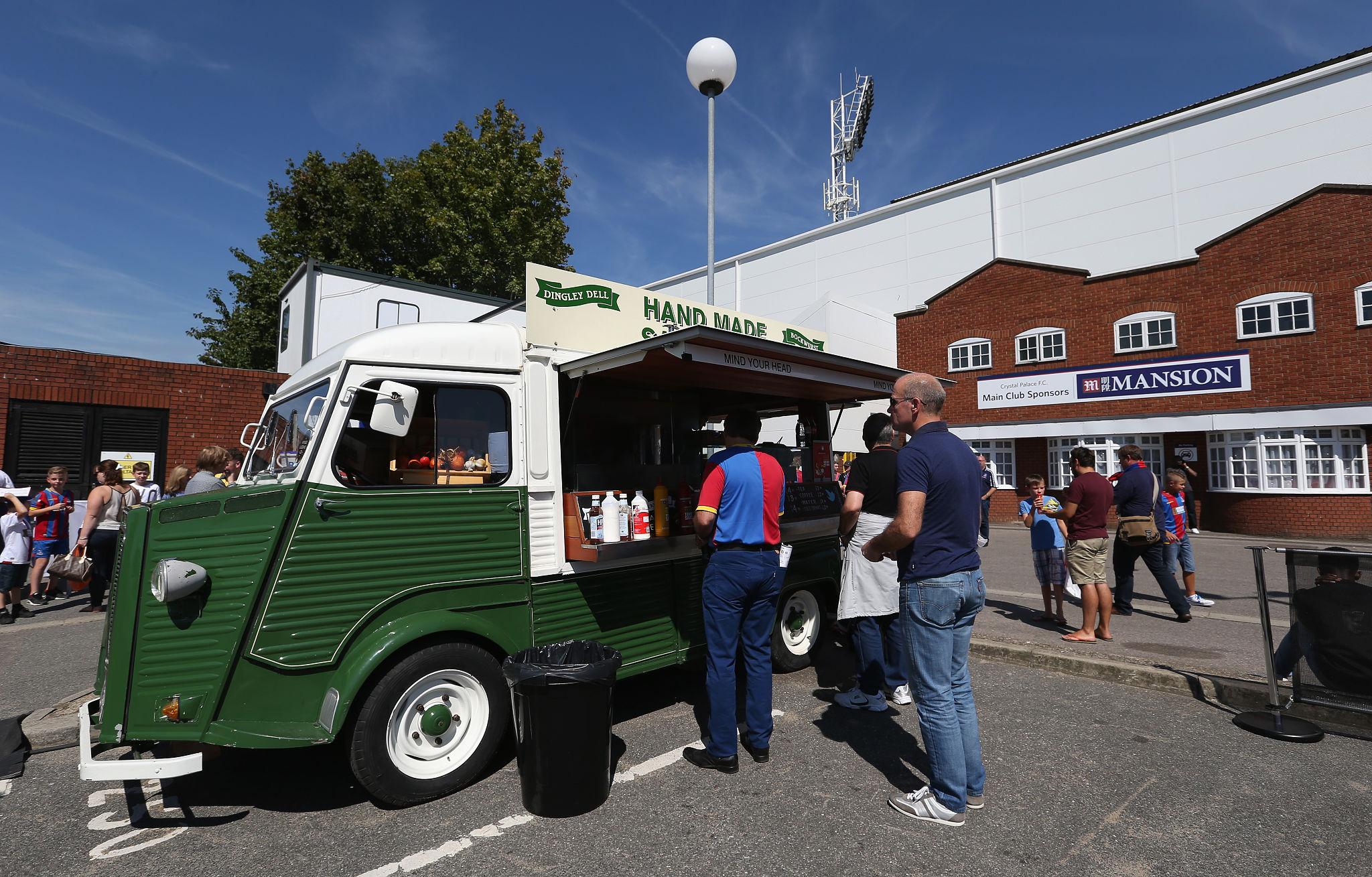
The price shock story has two sides. While fans face high costs, small businesses near the action can benefit. A cafe near a fan route. A takeaway close to a hotel. A food truck near a gathering point. A small shop selling water, snacks and simple meals. On match days, location becomes powerful — if fans pass your door, you become part of their World Cup story. That is why the fan economy matters beyond the stadium: the match creates movement, movement creates demand, demand creates sales. For food sellers, timing becomes everything. For merchandise sellers, emotional moments mean urgency. Official gear can be expensive and when the national team is winning, demand can rise quickly — fans want to look the part, they want the photo, they want to wear the colours with pride. The emotion is universal. The access is not always equal. At this World Cup, following your country is still about love. But more than ever, it is also about budget.