

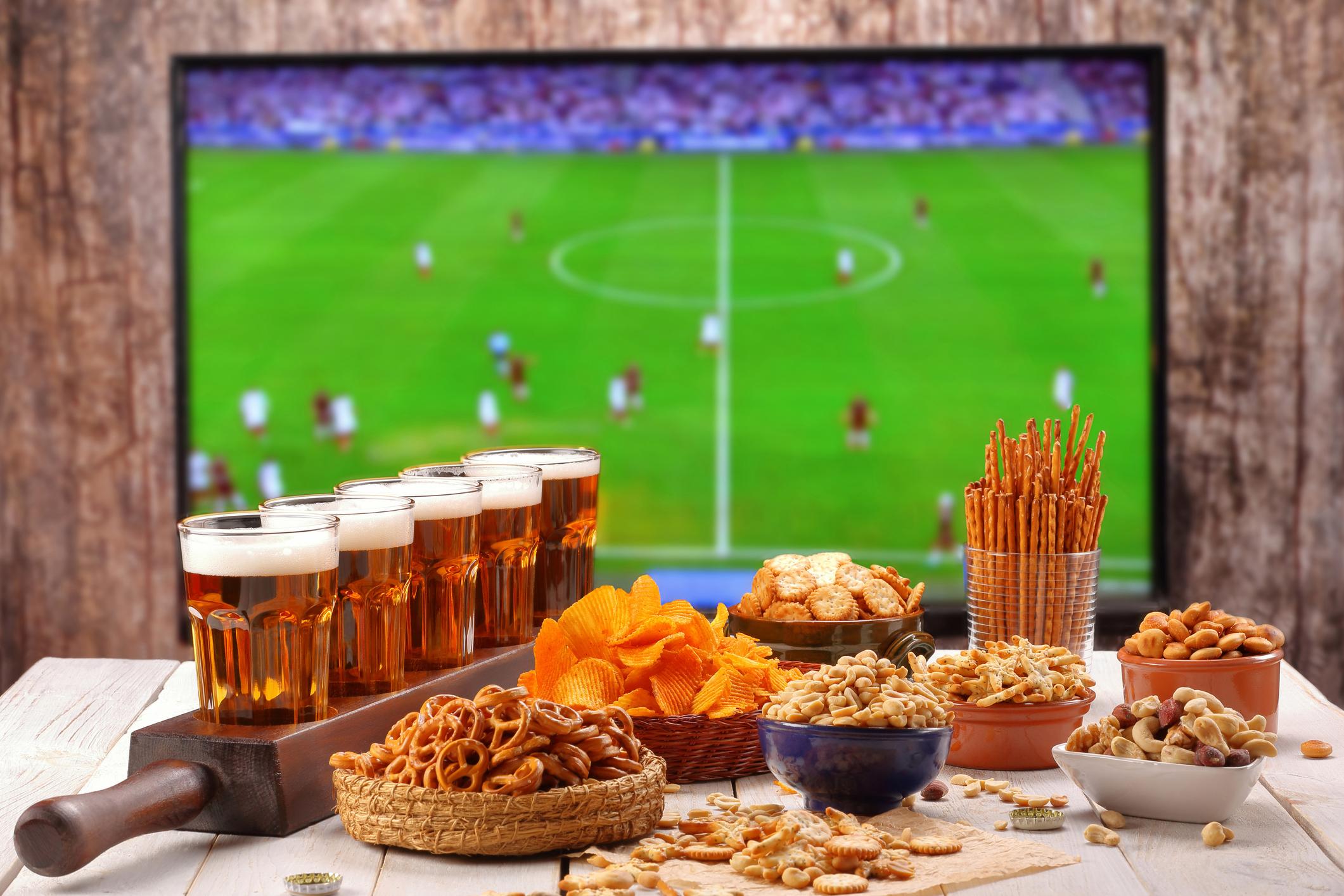
World Cup Hydration is becoming one of the most important fan habits of the knockout stage. The World Cup is not only about flags, shirts, chants and last-minute goals anymore. For fans dealing with summer heat, long queues, fan zones, stadium walks and full match-day schedules, what they drink and eat can decide how much they actually enjoy the day. Cold drinks matter. Water matters. Light snacks matter. A supporter can have the perfect ticket and still ruin the experience by arriving tired, dehydrated and overheated before kick-off.
Cold Drinks Become Match-Day Currency

On hot World Cup days, cold drinks become more than refreshments. They become currency. Fans look for water, sports drinks, cold juice, iced coffee and soft drinks — a cold bottle can feel as important as a scarf or flag. But not all drinks work the same way. Water should stay at the centre, since sugary drinks may give a quick lift but do not replace proper hydration. Coffee and energy drinks can help tired fans stay awake but should not become the only liquid of the day. World Cup Hydration does not begin when fans reach the stadium gate either — it begins hours earlier. A smart fan starts drinking water before leaving the hotel, since by the time the body feels thirsty on a hot match day, the fan may already be tired, dizzy or low on energy. The body loses water slowly, then suddenly.
Heat Changes The Fan Menu
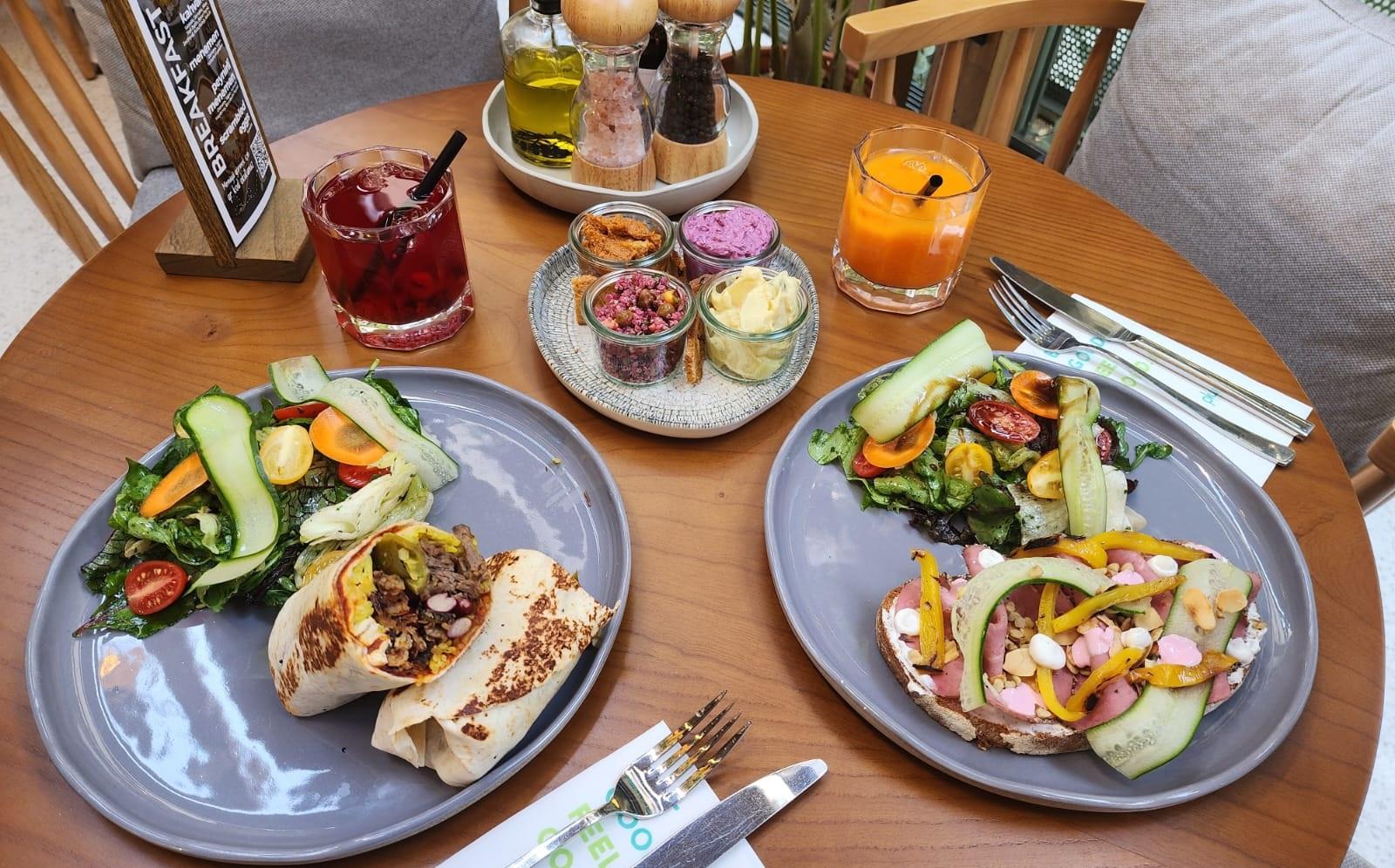
Hot weather changes what people want. In cooler conditions, fans may choose heavy meals before a match. In heat, the menu shifts toward cold drinks, lighter food and smaller snacks. Better match-day choices include fruit, nuts, light sandwiches, yogurt, dates, crackers, cold wraps and small portions of water-rich foods. Moroccan fans may still want mint tea, msemen or sandwiches around match day, but in high heat they may also reach for water, fruit, cold juice and lighter plates. The goal is not to eat like an athlete — it is to avoid feeling drained before the match even begins. A supporter who eats too heavily in heat may spend the first half fighting fatigue instead of enjoying football. Heavy fried food and salty snacks can also make the body feel heavier and thirstier in serious heat.
Fan Festivals Need A Food Strategy
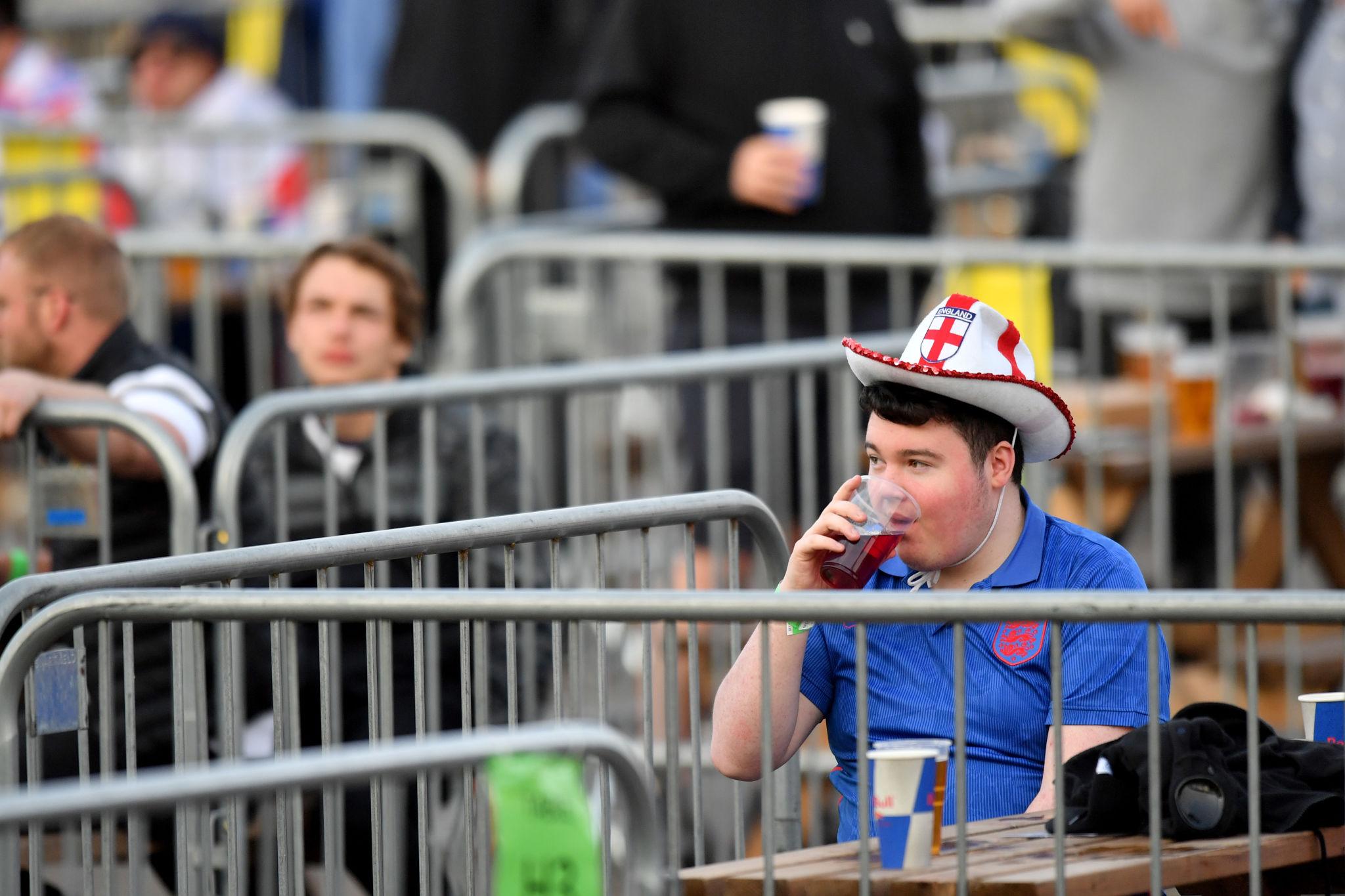
Fan zones are exciting but physically demanding — people arrive early, stand in crowds, watch matches on big screens, queue for drinks and food, and move between music, screens, merchandise and photo areas. In heat, that can become exhausting. Fans should not enter a fan zone without thinking about water and food: where are the drink stations, how long are the lines, is there shade, are children drinking enough, is the group eating before the rush? Houston’s Fan Fest has already seen heat-related medical incidents, with Reuters reporting heat stroke cases on the first day of the FIFA Fan Fest in EaDo. That real-world data matters. Fans who pace themselves — arriving with water, finding shade, taking breaks and knowing where medical points are — will enjoy the fan zone more fully than those who treat the experience as purely emotional.
Small Businesses Can Adapt Fast
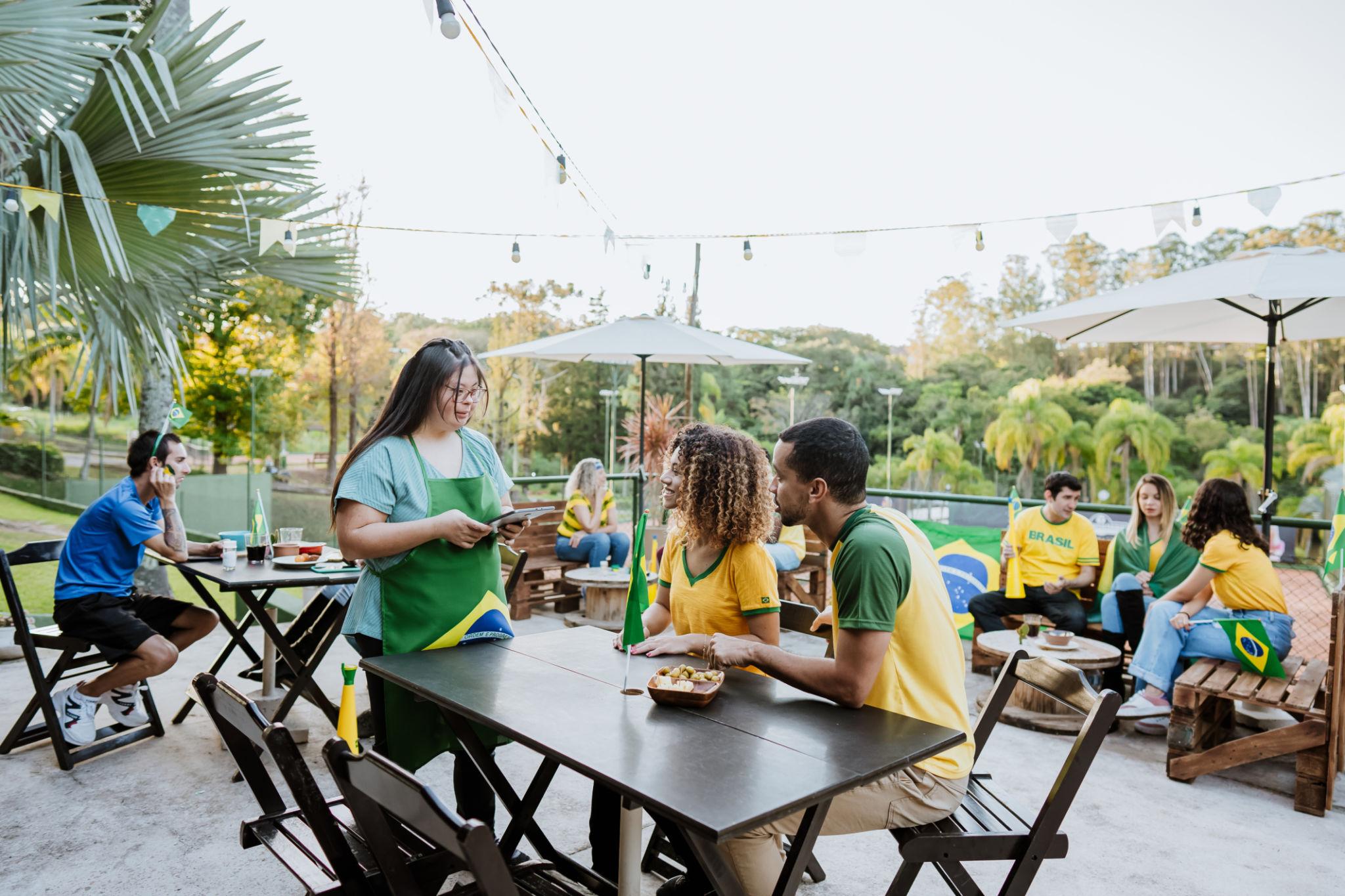
Food businesses around fan zones, cafes and viewing spots can adjust quickly to heat conditions: more water, more cold drinks, more fruit, more ice, more light snacks, faster service, clear prices and simple menus. Fans in heat do not want complicated ordering — they want quick relief and something easy to carry. A business that prepares well can become a match-day favourite, while a business that runs out of water or cold drinks during a hot football day loses trust quickly. The best match-day menus may be the ones that understand heat, not only hunger. Hydration breaks in matches have also changed the home-viewing rhythm: when play stops, home fans refill water, grab snacks, check messages and talk tactics. The body and the business both benefit from planning ahead.