
Forget the rooftop dinner. Morocco’s new travel flex may be breakfast.
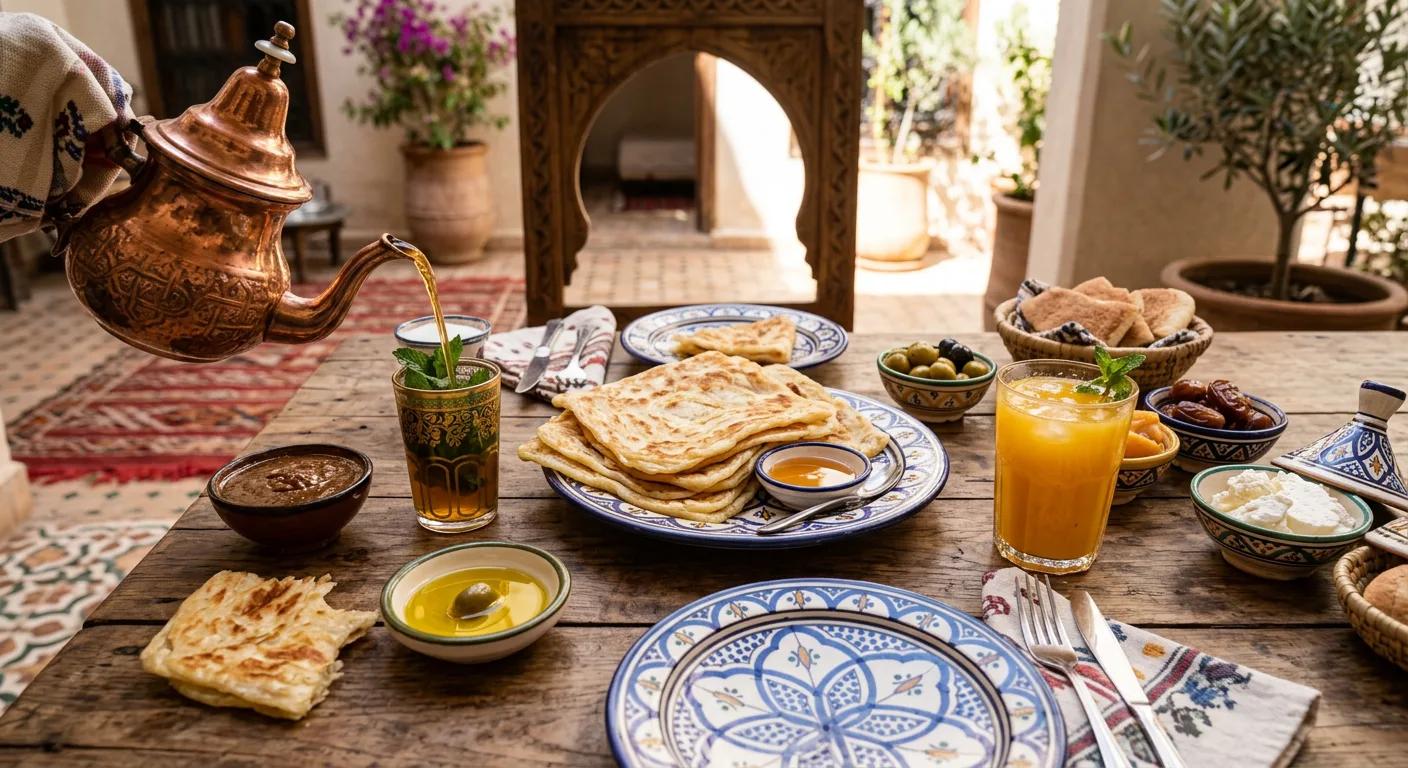
Across riads, guesthouses, boutique hotels and medina stays, the Moroccan morning table is becoming one of the most photographed parts of the trip. Msemen. Baghrir. Amlou. Honey. Olives. Mint tea. Fresh orange juice. Tiny plates. Colourful tiles. A courtyard table under soft morning light. For travellers, the day does not start with sightseeing anymore. It starts with a post.
Morocco’s Breakfast Is Becoming A Travel Moment
A good Moroccan breakfast has always been special. But now it is becoming content. Travellers do not only eat it. They film it. They photograph it. They post it. They use it as proof that their Moroccan trip has officially begun. That matters. In the modern travel world, breakfast can be as powerful as a monument. A table with warm bread, tea glasses and handmade pancakes can sell the Moroccan feeling faster than a hotel brochure. It looks authentic. It looks generous. It looks peaceful. And for many visitors, it looks exactly like the holiday they wanted.
The Riad Setting Changes Everything
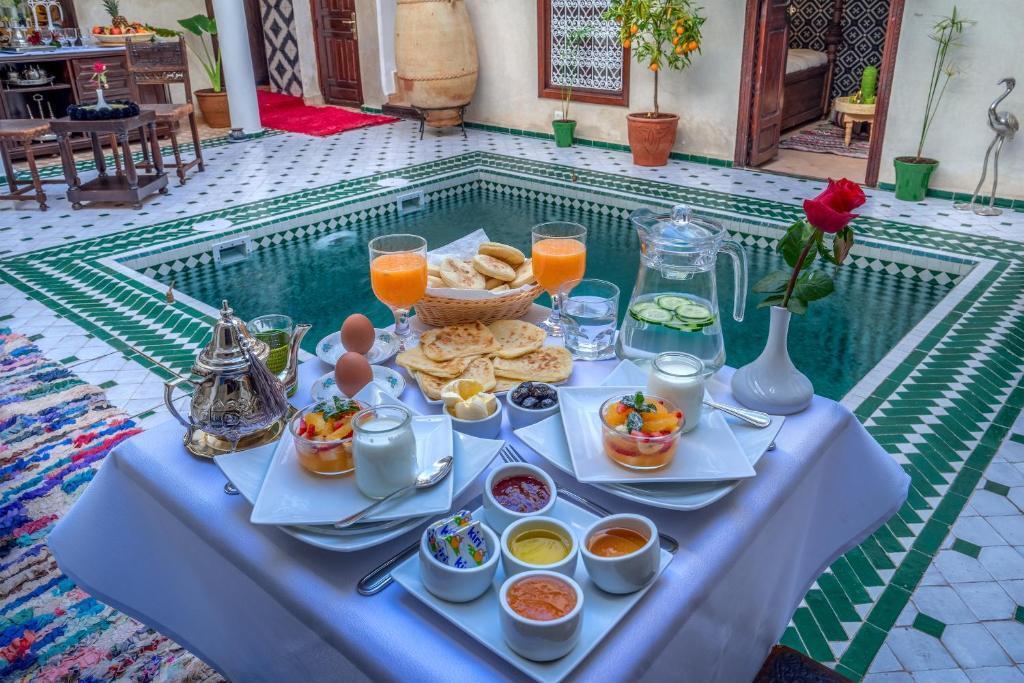
A Moroccan breakfast is good anywhere. But in a riad, it becomes a scene. The courtyard. The plants. The tiles. The fountain. The carved doors. The sound of tea being poured. The quiet before the medina wakes up fully. That is why the riad breakfast works so well online. It is not only food. It is atmosphere. A simple table becomes cinematic. A small glass of tea becomes part of the architecture. A plate of msemen becomes a memory. That is the power of setting.
Msemen Is The Star Of The Table
If one item owns the Moroccan breakfast table, it may be msemen. Layered. Soft. Golden. Warm. Perfect with honey, butter, cheese or amlou. For visitors, msemen feels familiar and new at the same time. It is bread, but not just bread. It is comfort food with texture, heat and ritual. A good riad breakfast almost always feels better when msemen arrives fresh. It is the kind of food that makes people slow down. No rush. No plastic tray. No cold hotel buffet feeling. Just warm bread and tea.
Baghrir Brings The Wow Factor
Then comes baghrir. The Moroccan pancake with tiny holes. For first-time visitors, it is one of the breakfast items that creates instant curiosity. Why does it look like that? How is it made? What do you put on it? Why is it so soft? Baghrir is perfect for honey and butter, and it gives the table a different texture from msemen. It also photographs beautifully. That matters in 2026. Food that tastes good and looks different has a strong travel advantage. Baghrir has both.
Amlou Is Morocco’s Morning Luxury
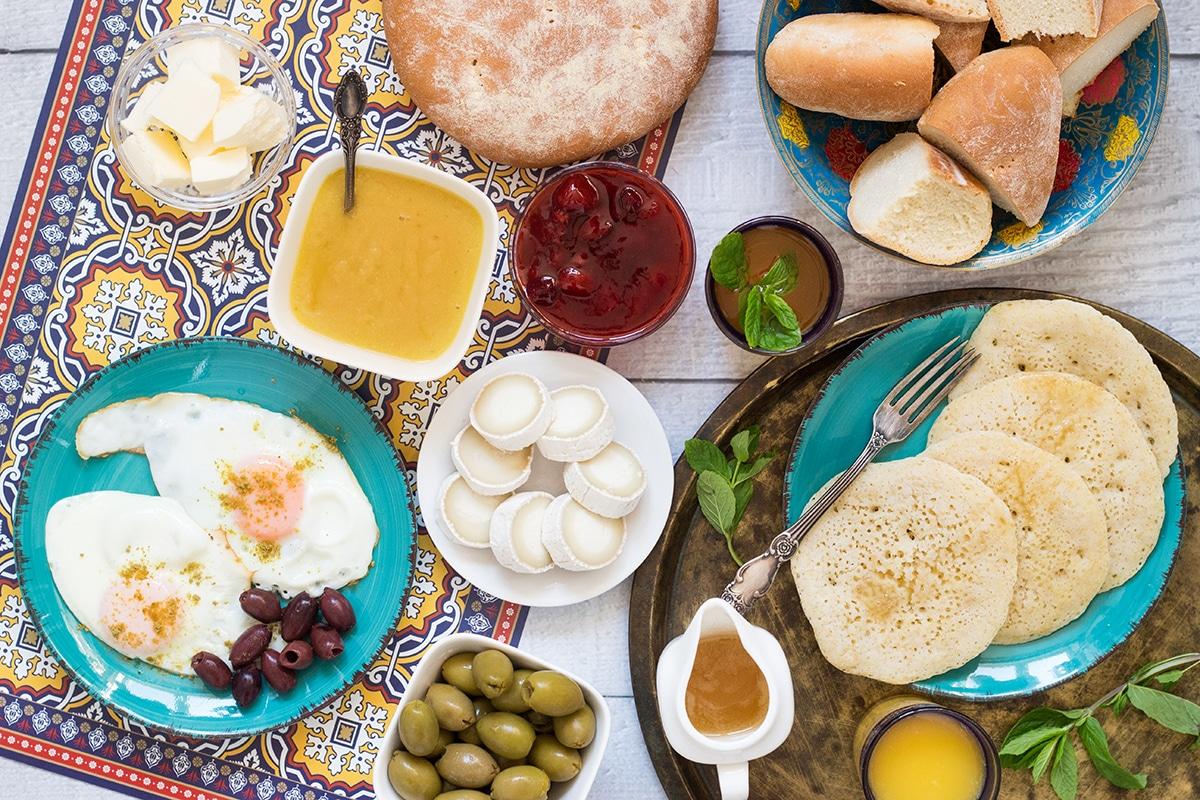
Amlou may be one of Morocco’s most underrated food exports. Made with almonds, argan oil and honey, it feels rich, local and luxurious. For visitors, it can become the surprise of the breakfast table. They may expect mint tea. They may expect bread. They may not expect a spread that tastes so deep, nutty and Moroccan. Amlou gives breakfast a premium feeling without needing a luxury setting. One small bowl can make the whole table feel special.
Mint Tea Still Owns The Mood
No Moroccan breakfast table feels complete without mint tea. It is not just a drink. It is the rhythm of the morning. The glass. The pour. The steam. The sweetness. The shared silence before the city gets loud. Travellers love it because it feels ceremonial. Even a simple tea service can feel like an experience when it happens inside a beautiful riad. That is why mint tea continues to be one of Morocco’s strongest lifestyle symbols. It does not need to be explained. It just needs to be poured.
Fresh Orange Juice Adds The Colour
Moroccan breakfast also wins visually because of colour. Fresh orange juice adds brightness immediately. On a breakfast table, it works like sunshine in a glass. For visitors arriving from colder countries, that detail matters. A glass of fresh juice in Marrakech, Fès, Essaouira or Rabat feels like part of the escape. It is simple. But simple things can become powerful when the setting is right. A good breakfast does not always need to be complicated. It needs to feel alive.
Breakfast Is Now Part Of The Booking Decision
Travellers are not only booking beds. They are booking experiences. That means breakfast matters. A riad with a beautiful courtyard breakfast can look more attractive than a larger hotel with a standard buffet. Reviews often mention breakfast because it shapes the beginning of every day. Was the bread fresh? Was the tea good? Was the table generous? Was it served on the terrace? Did it feel local? Those details affect the whole stay. A weak breakfast can make a beautiful riad feel forgettable. A strong breakfast can turn an ordinary stay into a memory.
Social Media Has Changed The Value Of The Table
Instagram and TikTok have changed what travellers notice. Before, breakfast was just included. Now, breakfast can be part of the reason people choose a place. A rooftop breakfast view. A tiled courtyard table. A tray with msemen and tea. A hand pouring mint tea from high above the glass. These are not small things anymore. They are marketing assets. The table becomes the advertisement. The guest becomes the photographer. The post becomes free promotion.
Moroccan Hosts Understand Hospitality
One reason breakfast works so well in Morocco is hospitality. Moroccan culture often treats feeding guests as a sign of care. A table should feel full. Tea should be offered. Bread should be shared. Visitors should not feel ignored. That spirit translates strongly into tourism. A generous breakfast makes guests feel welcomed before they even leave the building. It gives the stay a human touch. In a world of automated check-ins and cold hotel chains, that warmth matters.
The Best Breakfasts Feel Local, Not Forced
The risk is that some places may over-style breakfast for photos. Too perfect. Too staged. Too fake. Travellers can feel that. The best Moroccan breakfasts are beautiful because they feel natural. Fresh bread. Local honey. Simple plates. Real tea. Good service. A peaceful corner. That is enough. The strength of Moroccan breakfast is not that it looks like a luxury advert. It is that it feels generous and real.
Small Riads Can Compete With Big Hotels
This is where the opportunity becomes interesting. A small riad cannot always compete with a five-star hotel on pool size, spa budget or global brand name. But it can compete on breakfast. A family-run riad with a beautiful morning table can deliver something more emotional than a large hotel buffet. That gives smaller operators a real advantage. They can turn breakfast into identity. Not just a service. A signature.
Food Tourism Starts In The Morning
Morocco is already a strong food destination. Tagine. Couscous. Pastilla. Harira. Grilled fish. Street snacks. But many travellers discover Moroccan food first at breakfast. That first morning matters. It teaches them the flavours. Honey. Olive oil. Mint. Argan. Semolina. Fresh bread. Sweet and savoury together. Before the first museum, before the first market, before the first desert trip, breakfast introduces Morocco.
The Bottom Line
Morocco’s riad breakfast boom is turning the morning table into a travel flex. What used to be a simple included meal is now one of the most photographed and memorable parts of the Moroccan stay. With msemen, baghrir, amlou, mint tea, fresh orange juice, honey, olives and courtyard settings, the riad breakfast gives travellers exactly what they want in 2026. Authenticity. Beauty. Comfort. Content. Morocco does not only win tourists at sunset. It wins them at breakfast.