

Fès is not only a history trip anymore. It is becoming a food trip.
Morocco’s oldest imperial city is moving back into the global travel conversation in 2026, and its kitchens, souks, riads, bakeries and old medina tables are part of the reason. For years, tourists rushed to Marrakech for restaurants, rooftops and influencer dinners. Now Fès is getting its own moment. Quieter. Older. Deeper. And maybe more delicious.
Fès Is More Than A Postcard
Most people know Fès for its history. The ancient medina. The narrow streets. The leather tanneries. The old doors. The mosques. The madrasas. The feeling that time moves differently inside the city walls. But Fès is also one of Morocco’s great food cities. Its food culture is not built only for photos. It is built from homes, families, markets, spices, slow cooking, preserved traditions and recipes passed from one generation to another. That is what gives Fès its power. It tastes old in the best way.
2026 Puts Fès Back In The Spotlight
Fès has landed on major travel radars for 2026, with Condé Nast Traveler highlighting the city’s cultural revival, restored architecture and historic sites. That matters for food too. When a destination becomes more visible, visitors do not only ask what to see. They ask where to eat. They ask what to taste. They ask where locals go. They ask what dish they cannot leave without trying. For Fès, that question opens a huge door. Because the answer is not one dish. It is a full culinary identity.
The Medina Is The Main Ingredient
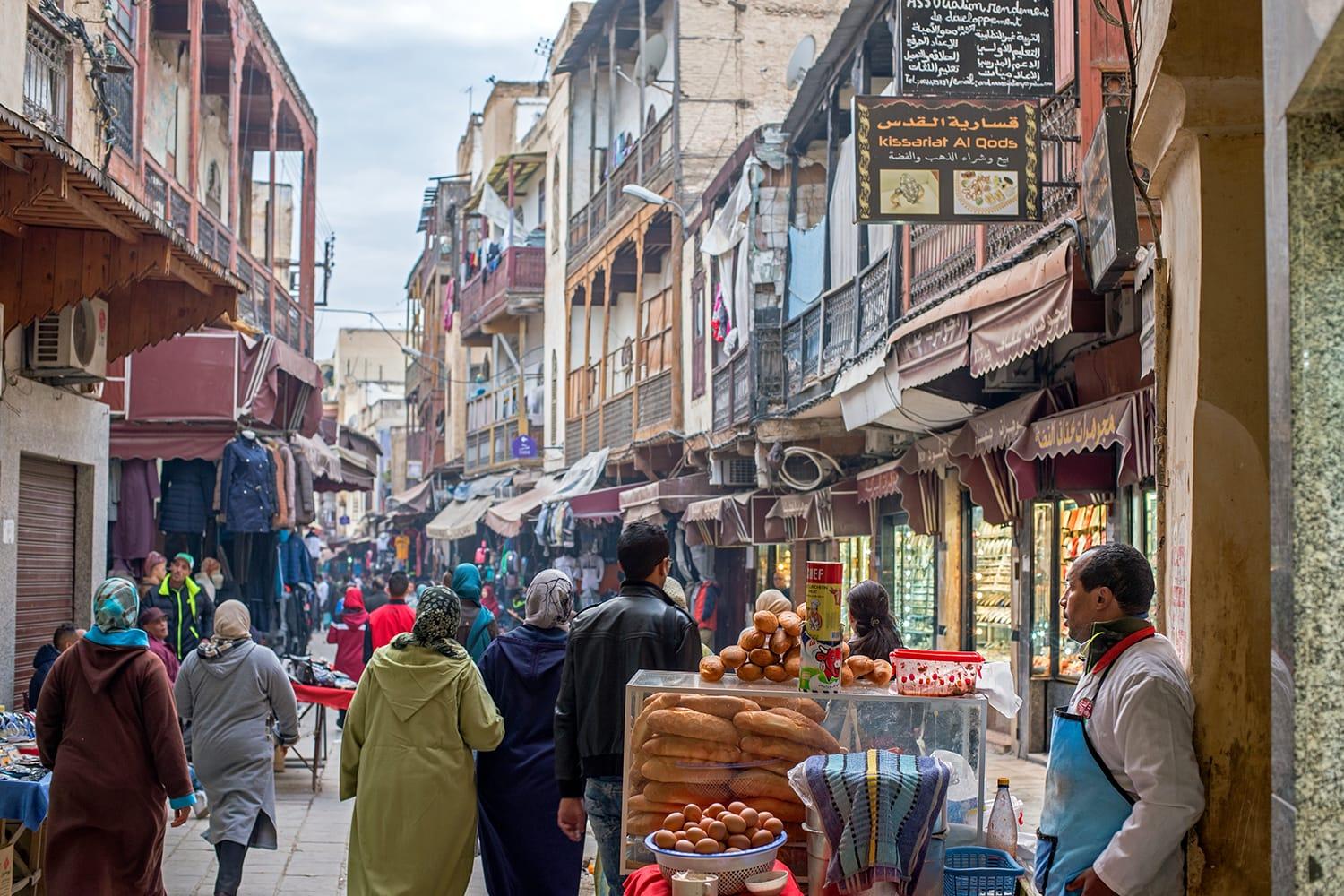
Fès food begins with the medina. The streets are not only for walking. They are for smelling. Fresh bread. Grilled meat. Mint tea. Spices. Olives. Pastries. Slow-cooked stews. Roasted nuts. The medina is a food map before it is a tourist map. Visitors may enter looking for history, but they quickly understand that food is part of the city’s soul. You do not just visit Fès. You taste it.
Home Cooking Still Rules The City
The strongest Moroccan food often comes from homes. That is especially true in Fès. The city is famous for refined family cooking, careful spice balance and dishes that feel ceremonial even when they are simple. A good Fassi table is not rushed. It is prepared. It is layered. It tells a story of hospitality. For food travellers, that is a major attraction. They are not only looking for trendy plates. They want something authentic, something that feels connected to place. Fès can offer that better than many cities.
Riads Turn Dinner Into An Experience
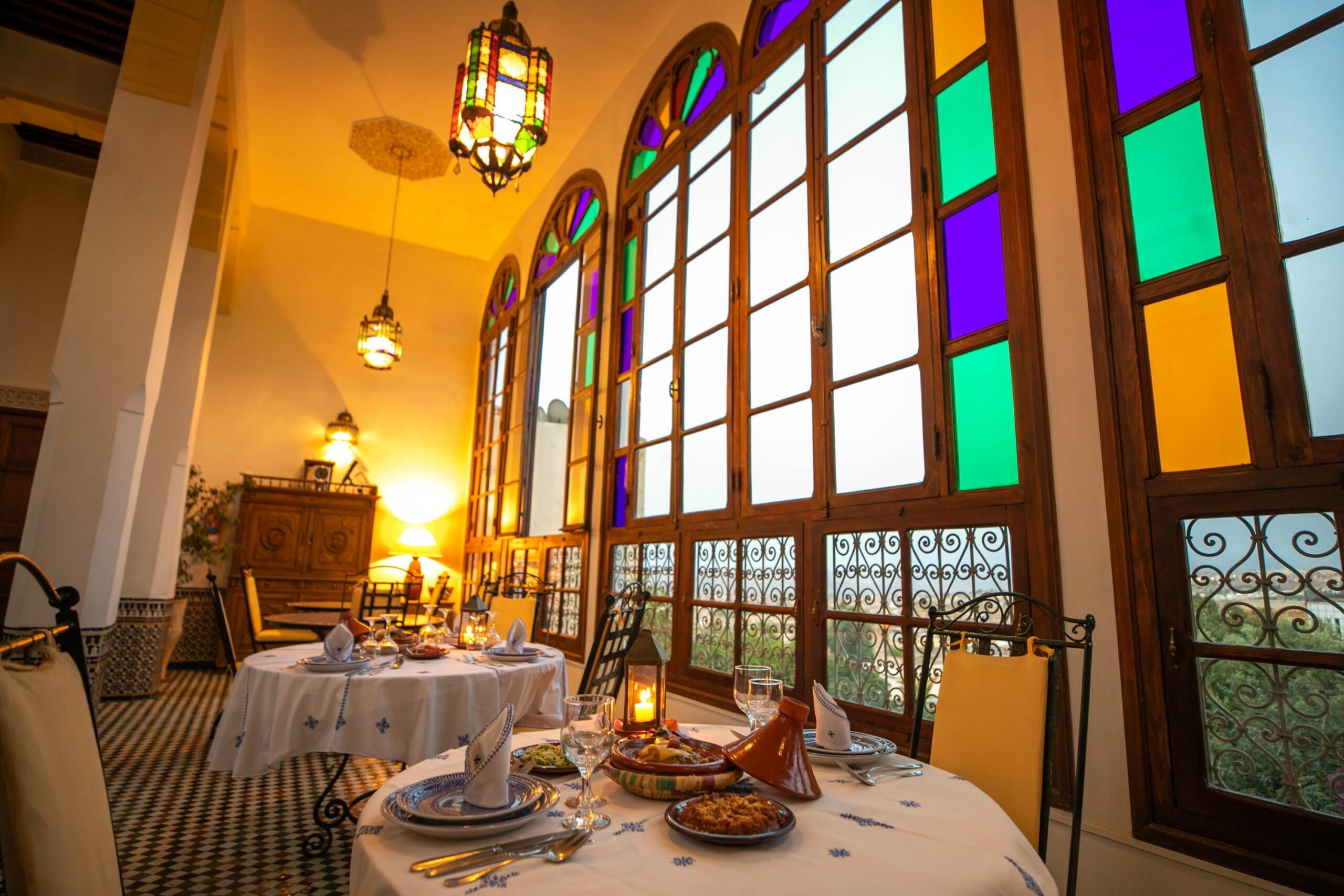
One reason Fès works so well as a food destination is the riad culture. A meal inside a restored riad feels different from eating in a normal restaurant. The courtyard. The tiles. The fountain. The soft lighting. The slow service. The feeling of being hidden from the outside noise. That atmosphere turns dinner into part of the trip. It is not only food on a plate. It is architecture, history and hospitality in one evening. That is exactly what modern food travellers want.
Fès Can Compete With Marrakech Differently
Marrakech is louder. More visible. More Instagrammable. More globalised. Fès does not need to copy it. Fès can win by being different. Less show. More depth. Less rooftop glamour. More medina mystery. Less “look at me.” More “remember this.” That difference is valuable. Not every tourist wants the same Moroccan experience. Some want nightlife. Some want luxury. Some want beach. Some want food with a sense of history. For that last group, Fès is perfect.
Street Food Gives The City Its Energy
Fès food is not only formal dining. Street food matters too. Small bites. Quick grills. Local snacks. Bread from traditional ovens. Sweets with tea. Market food eaten while walking. These are the things that make a city feel alive. A tourist may remember one famous restaurant, but they may also remember the simplest bite in a crowded lane. That is the magic of Fès. The best food moment does not always need a reservation. Sometimes it is found by accident.
Food Tourism Is Getting Bigger
Around the world, travellers are planning trips around food. They want cooking classes. Market tours. Tastings. Local guides. Dinner experiences. Traditional recipes. Behind-the-scenes stories. Morocco is well placed for this trend because its cuisine is already globally known. Tagine. Couscous. Pastilla. Harira. Mint tea. Chebakia. But Fès adds something extra. It gives those dishes a historic setting that feels difficult to copy.
The Pastilla Factor
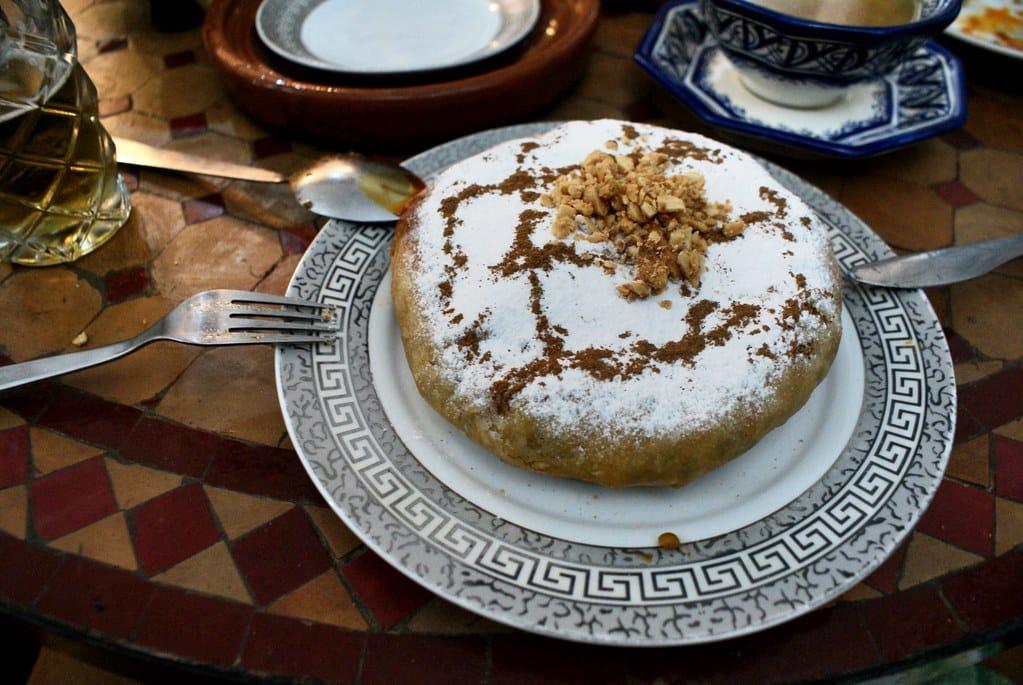
If one dish tells the Fès story, it may be pastilla. Sweet and savoury. Delicate and rich. Crisp and soft. A dish that surprises visitors because it does not follow simple expectations. That is exactly what Fassi cuisine can do. It mixes refinement with comfort. It can feel festive, family-based and luxurious at the same time. For international food travellers, that kind of dish becomes memorable. It is not just “Moroccan food.” It is Fès on a plate.
The Challenge Is Quality Control
More attention can bring problems. When a city becomes popular, weak tourist traps can appear quickly. Menus become lazy. Prices rise. Authenticity becomes marketing. That is the risk for Fès. The city’s food reputation will only grow if visitors continue to find real quality, clean kitchens, fair pricing and honest hospitality. Fès has the heritage. Now it must protect the experience.
Local Businesses Can Win Big
The opportunity is huge for local businesses. Family restaurants. Cooking teachers. Food guides. Riad kitchens. Bakeries. Market vendors. Tea houses. Artisan producers. If Fès becomes a stronger food destination in 2026, the benefits can spread beyond luxury hotels. Smaller operators can capture value too, especially if they know how to tell their story well online. Food tourists love detail. They want to know who made the dish. Where the spice came from. Why the recipe matters. Fès has those stories everywhere.
The Bottom Line
Fès is having a food moment. Morocco’s oldest imperial city is back on global travel lists for 2026, but the real magic is not only in the architecture, museums and medina lanes. It is also in the kitchens. From riad dinners and old family recipes to street snacks, pastries, mint tea and market walks, Fès is becoming one of Morocco’s most powerful culinary travel stories. Marrakech may still own the spotlight. But Fès owns the depth. And in 2026, that depth may be exactly what food travellers are searching for.