

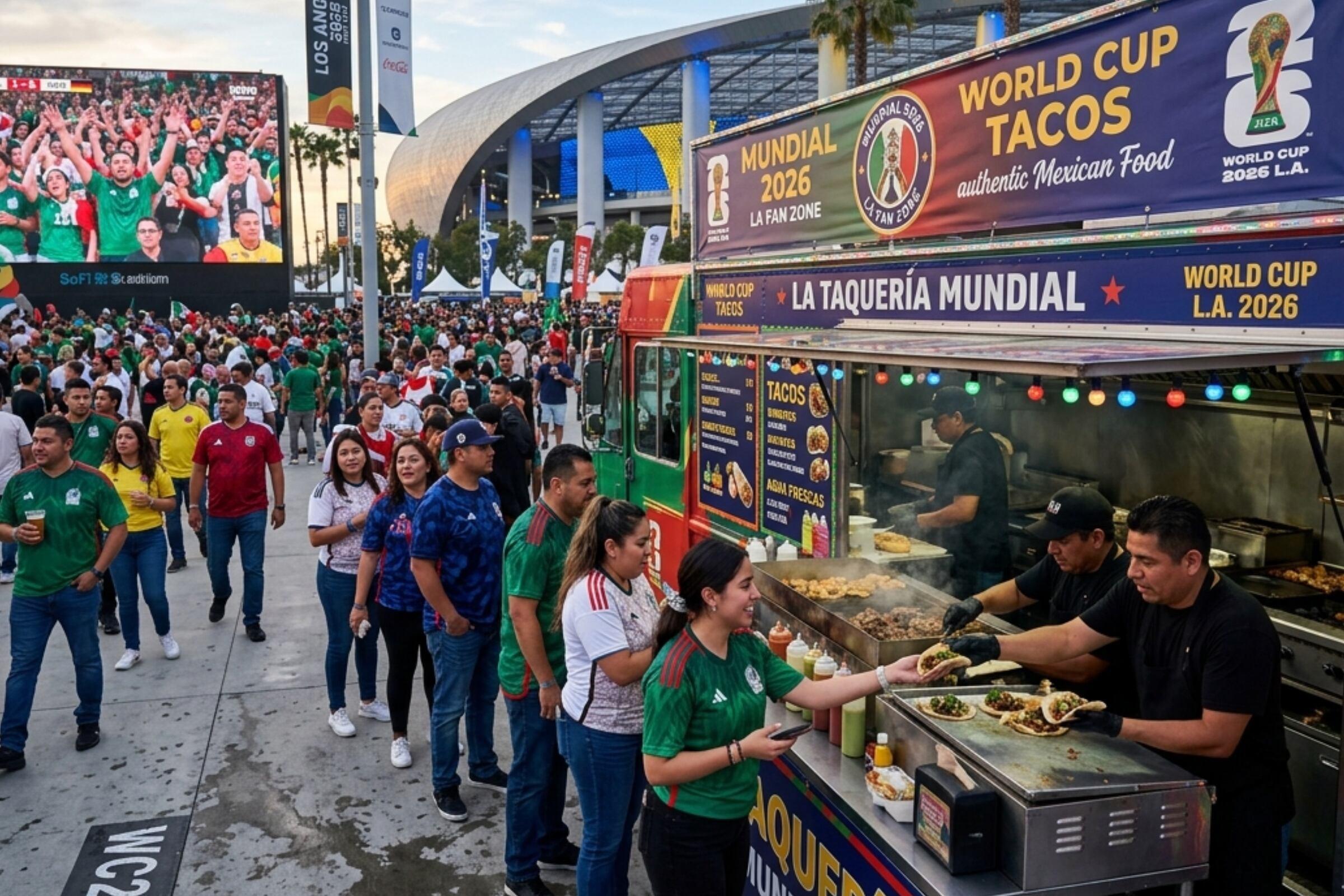
World Cup fans are not only buying tickets. They are buying time. A burger before kick-off. A sandwich on the road. A bottle of water outside the stadium. A quick coffee before the fan zone. Across match days, small food stops are becoming part of the World Cup economy: fast, busy, expensive and impossible to avoid.
Quick Food Wins Because Fans Are Moving
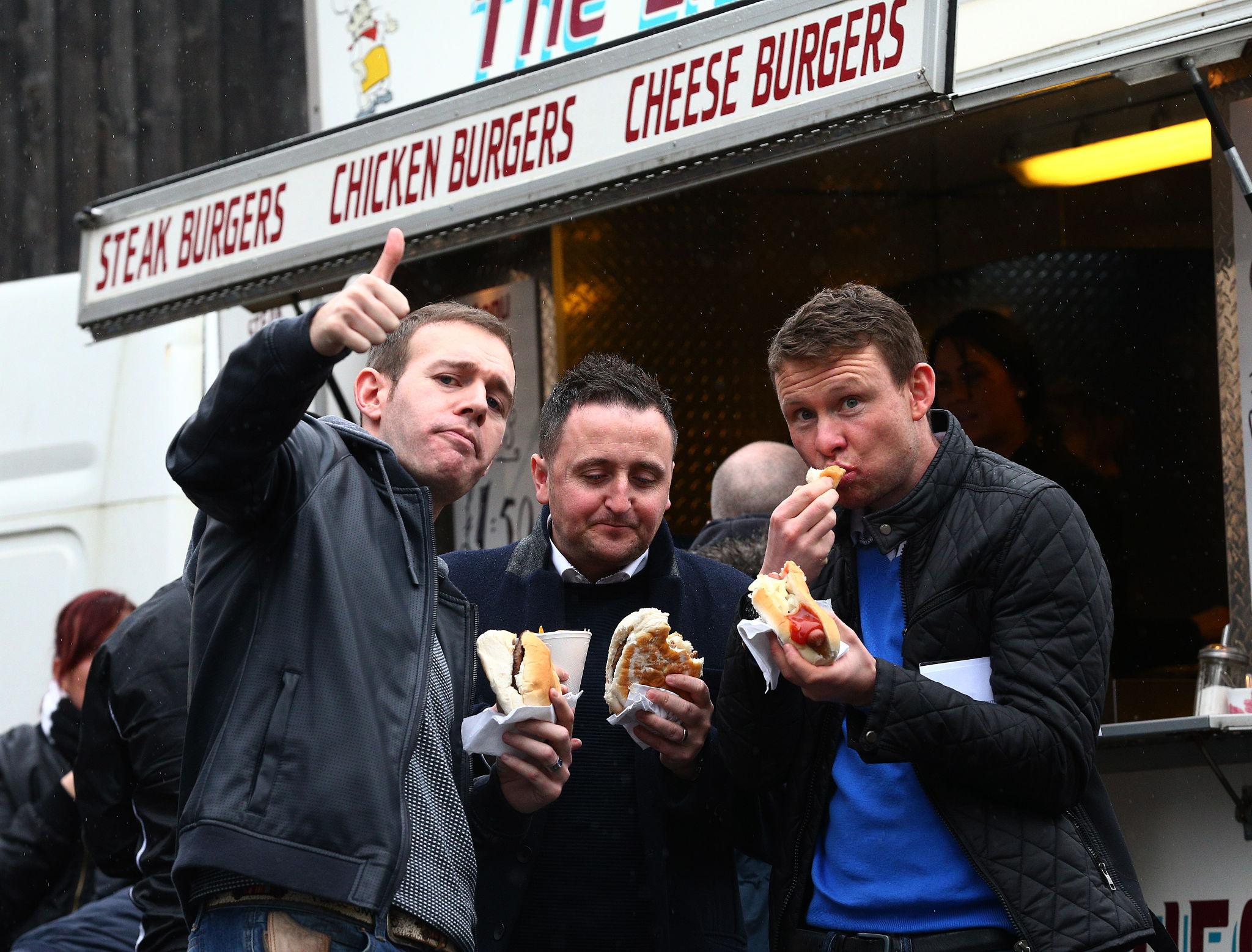
World Cup fans do not always want complicated meals. They want speed. That is why quick food wins. Burgers, wraps, pizza slices, sandwiches, fries, tacos, cold drinks, coffee — these are not luxury meals, they are movement meals. Food that can be eaten while walking, waiting, travelling or standing near a fan zone. On match days, a food spot that normally serves regular local customers can transform. Suddenly thousands of fans are moving in the same direction at the same time, turning restaurants, cafes, food trucks, petrol stations and small shops into part of the match-day route. The demand comes quickly: before kick-off, fans rush in; after the match, they rush back. That creates a short but powerful business window, and for food sellers, timing becomes everything. A World Cup match does not begin at kick-off — for fans, it begins hours earlier when they leave the hotel and realise they need food before the noise.
Small Businesses Get Their Moment
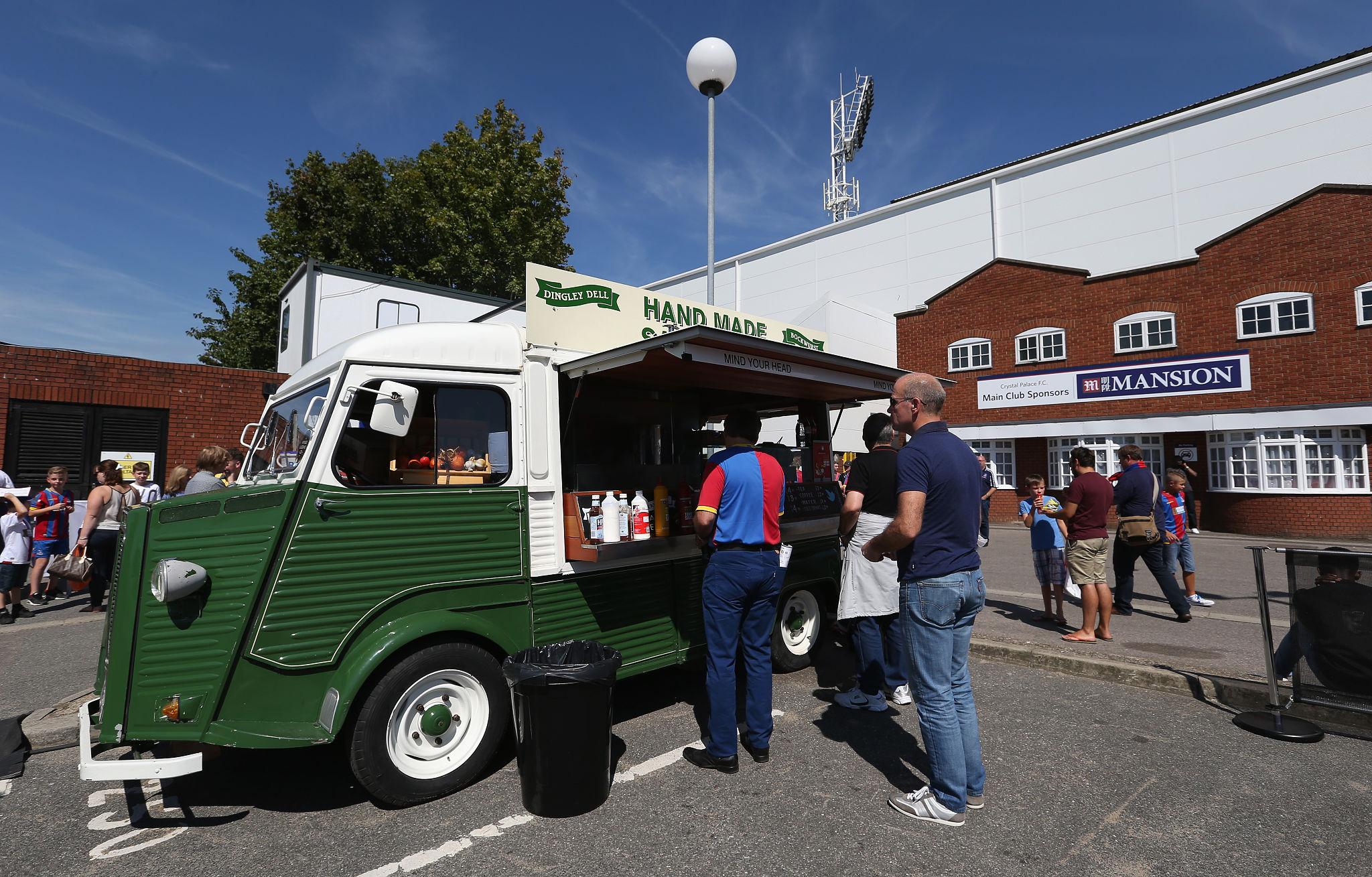
The World Cup does not only benefit big brands. Small businesses can feel the boom too. A cafe near a fan route. A takeaway close to a hotel. A food truck near a gathering point. A small shop selling water, snacks and simple meals. On match days, location becomes powerful: if fans pass your door, you become part of their World Cup story. That is why the stadium bite boom matters — it shows how football spending spreads beyond the stadium itself. Long queues are now part of the World Cup food story: fans queue for tickets, queue for transport, queue to enter stadium areas and queue for food. A simple drink stop can become a 20-minute wait when thousands of supporters arrive together. But that queue becomes a mini fan zone — different shirts in the same line, different languages at the same counter, fans checking line-ups while ordering, supporters singing while waiting for food.
Social Media Makes Food Part Of The Story
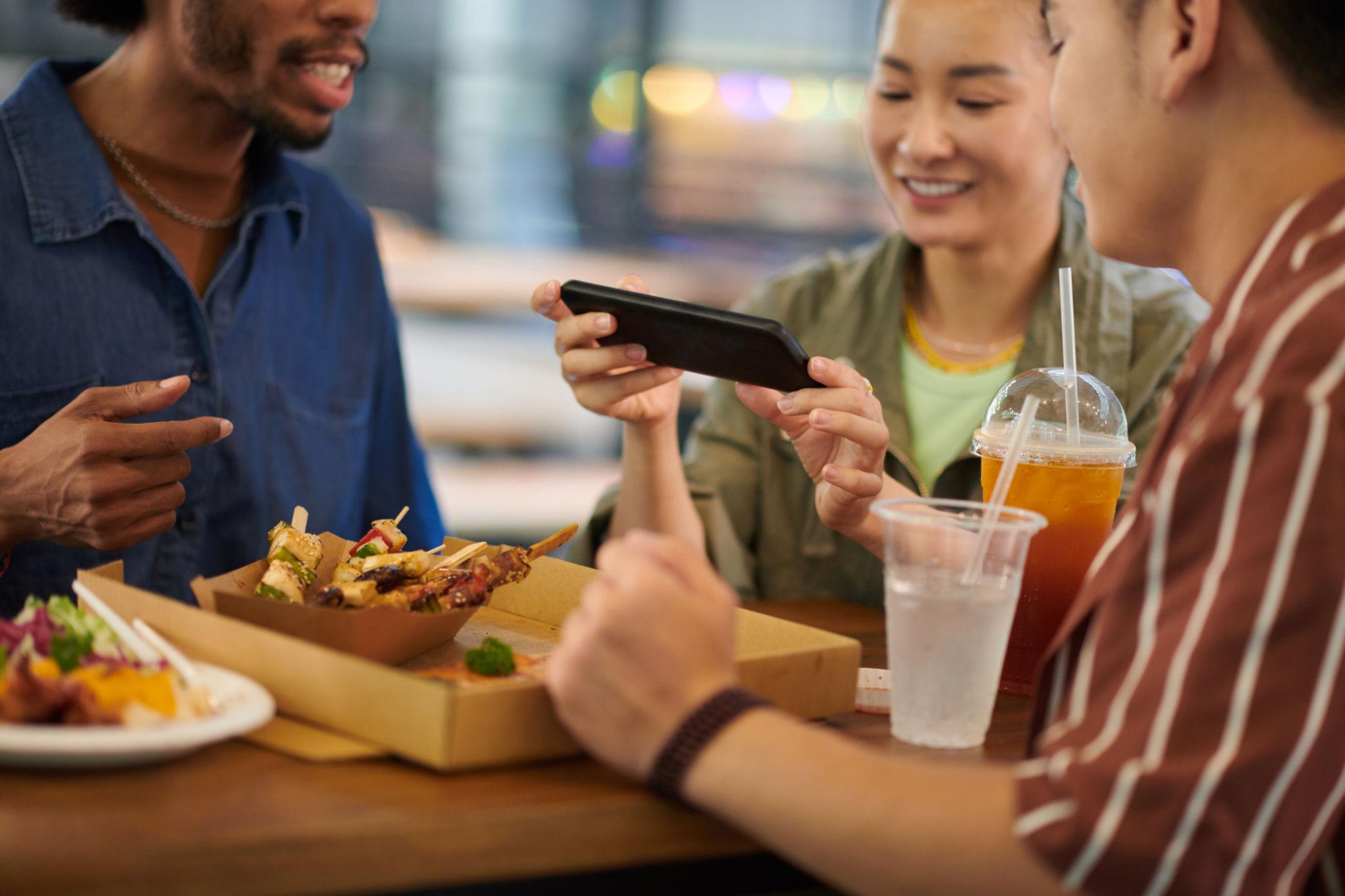
Even quick food can become content now. Fans film their match-day meals. They post drinks in stadium cups. They record cafes full of supporters. They show food trucks, street queues and late-night cravings after big matches. That turns food into part of the entertainment. A World Cup day is no longer only about the 90 minutes — it is the full journey: the road, the crowd, the meal, the song, the celebration and the post-match stop. Food sits inside that story, simple, visual and shareable. In summer match conditions, drinks can become even more important than food: fans walking, waiting and standing in crowds need water and cold drinks. Heat changes the way people spend. A bottle of water can feel more urgent than a full meal. Cold drinks become match-day survival tools.
Flags Turn The Fan Zone Into A Table
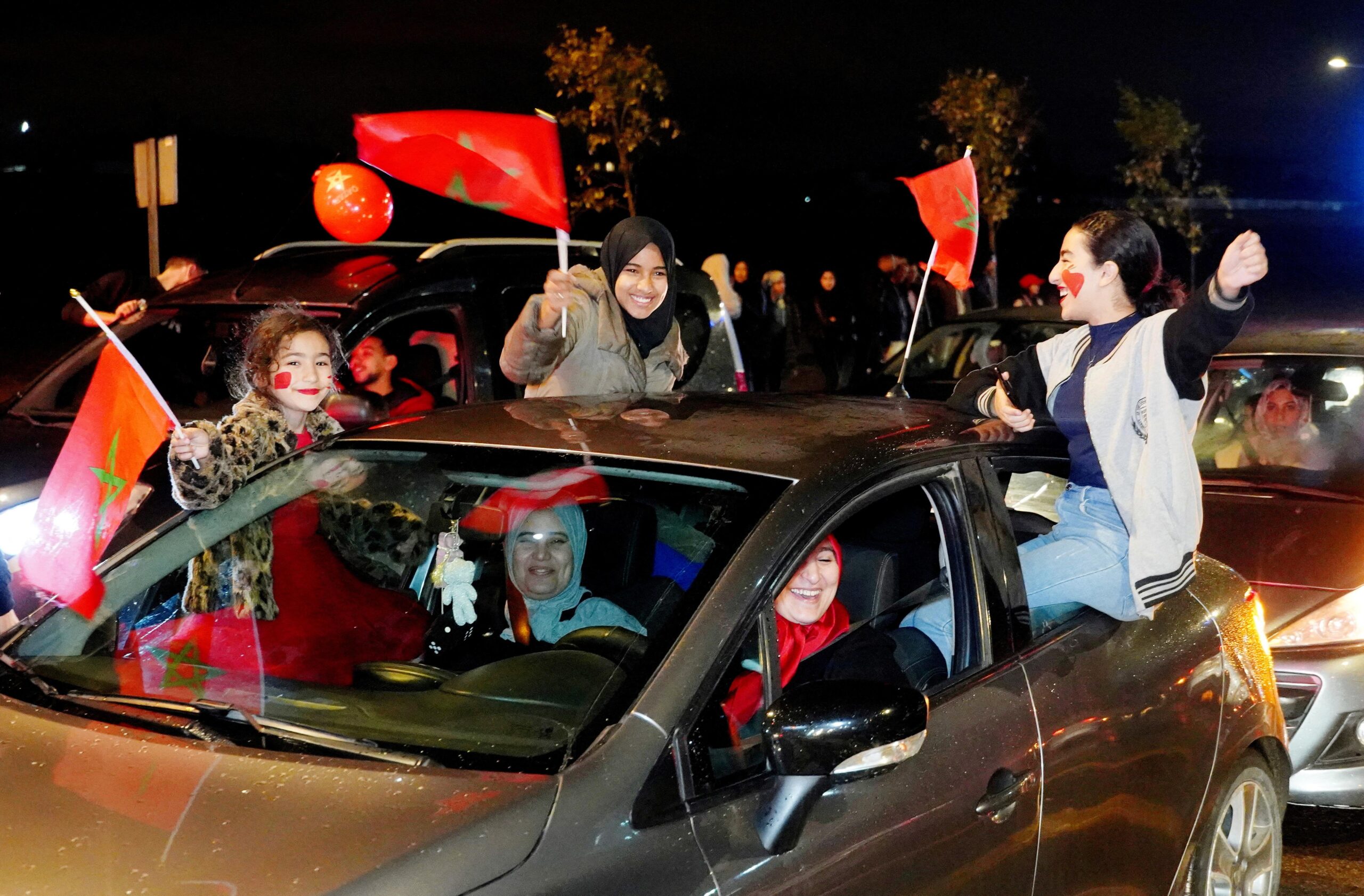
Fans may forget the name of a street. They may forget the exact price of a drink. But they remember where they ate before a big match. They remember the busy cafe. The quick burger. The cold drink that saved them from the heat. The shop where everyone was wearing the same shirt. Food memories become connected to football memories. If the team wins, the meal becomes part of the legend. That is how match-day rituals are built. World Cup spending often happens emotionally: a fan may plan the ticket and hotel carefully, but small purchases happen quickly. One drink here. One snack there. One coffee before transport. One meal after the match. Individually, these costs feel small. Together, they become part of the real price of attending a World Cup game. The ticket gets fans into the match. The small purchases carry them through the day.