
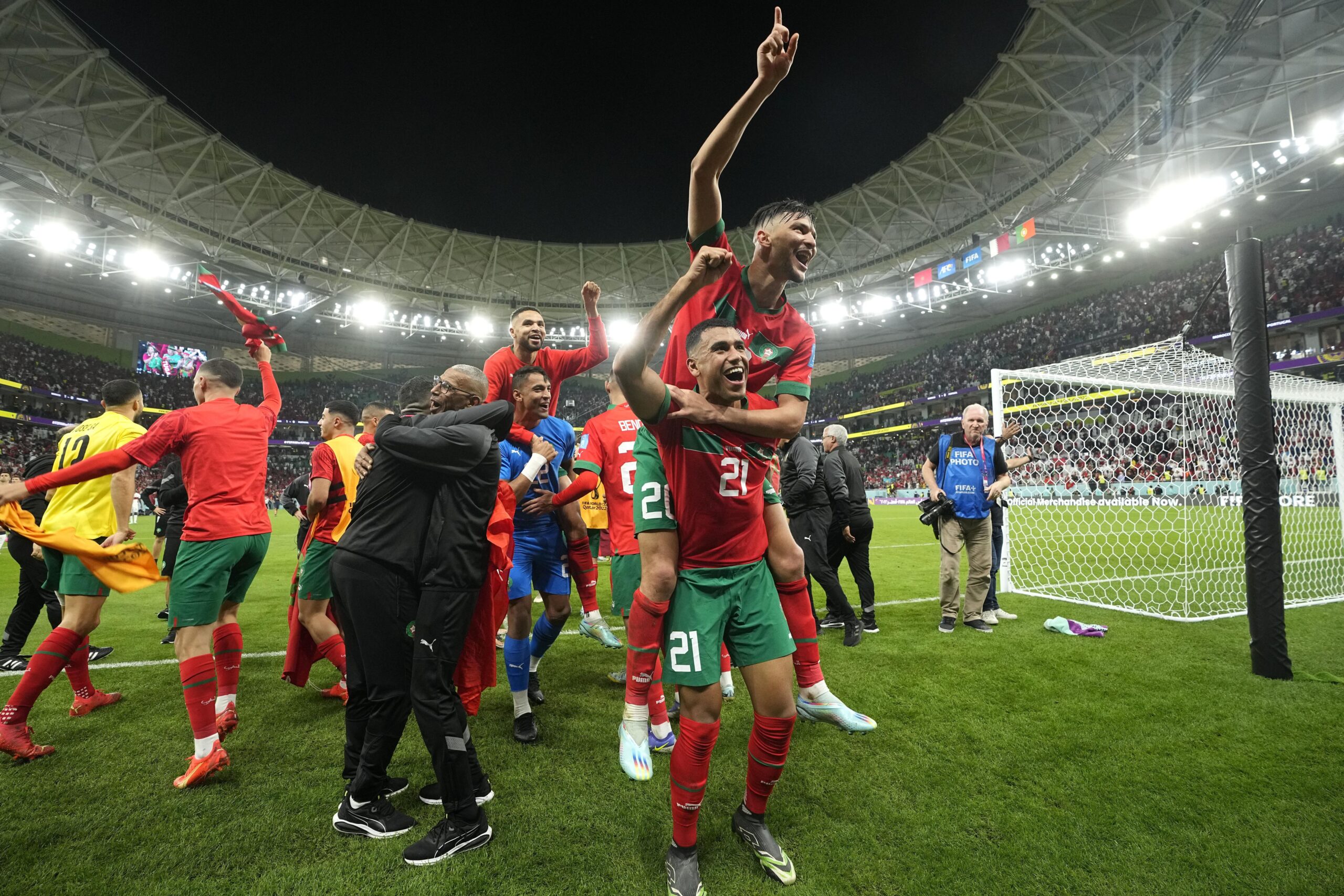
The World Cup is changing in front of the world. Old giants are falling. New nations are rising. And Morocco are becoming one of the clearest signs that football’s biggest stage no longer belongs only to Europe’s traditional powers. This is not just one surprise result. This is a pattern. The Atlas Lions are no longer treated as a romantic underdog story. They are part of a new football order.
Europe’s Old Comfort Is Disappearing
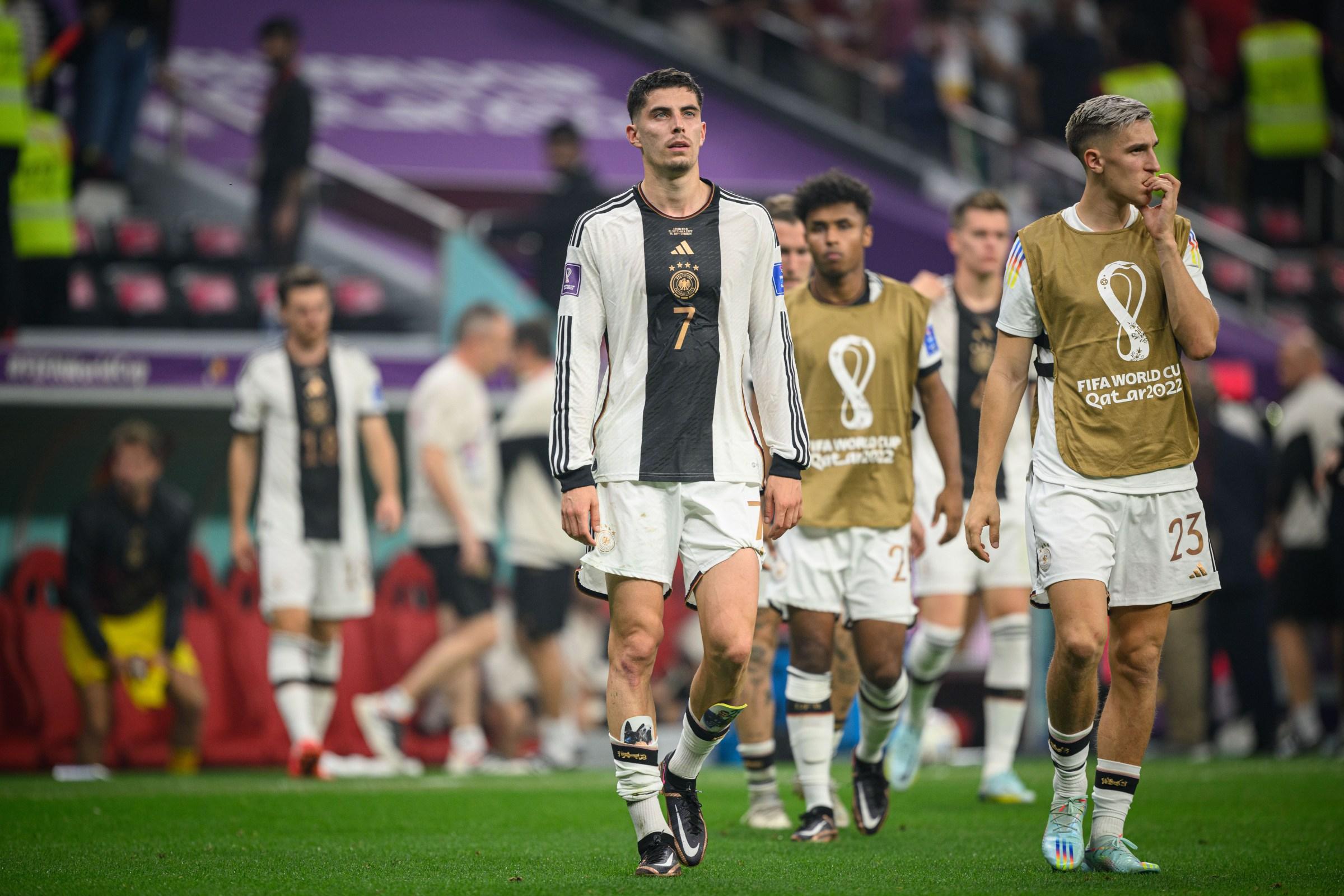
For decades, the World Cup often felt like a private stage for Europe and South America. The biggest countries carried the biggest fear: Germany, Italy, Netherlands, Spain, France, Brazil, Argentina. Those names still matter — history does not disappear. But the gap is closing. At this World Cup, several traditional powers have already felt the pressure. Germany went out to Paraguay. The Netherlands were beaten by Morocco. Italy are not even at the tournament after failing to qualify again. The message is brutal: a famous shirt is no longer enough. Morocco’s win over the Netherlands was more than a knockout result. It was a message. The Atlas Lions beat one of Europe’s most historic football nations on penalties after a tense 1-1 draw, sending the Dutch home and moving into another major World Cup test. A result that once would have been described as a shock now feels different.
Africa Is No Longer Waiting For Permission
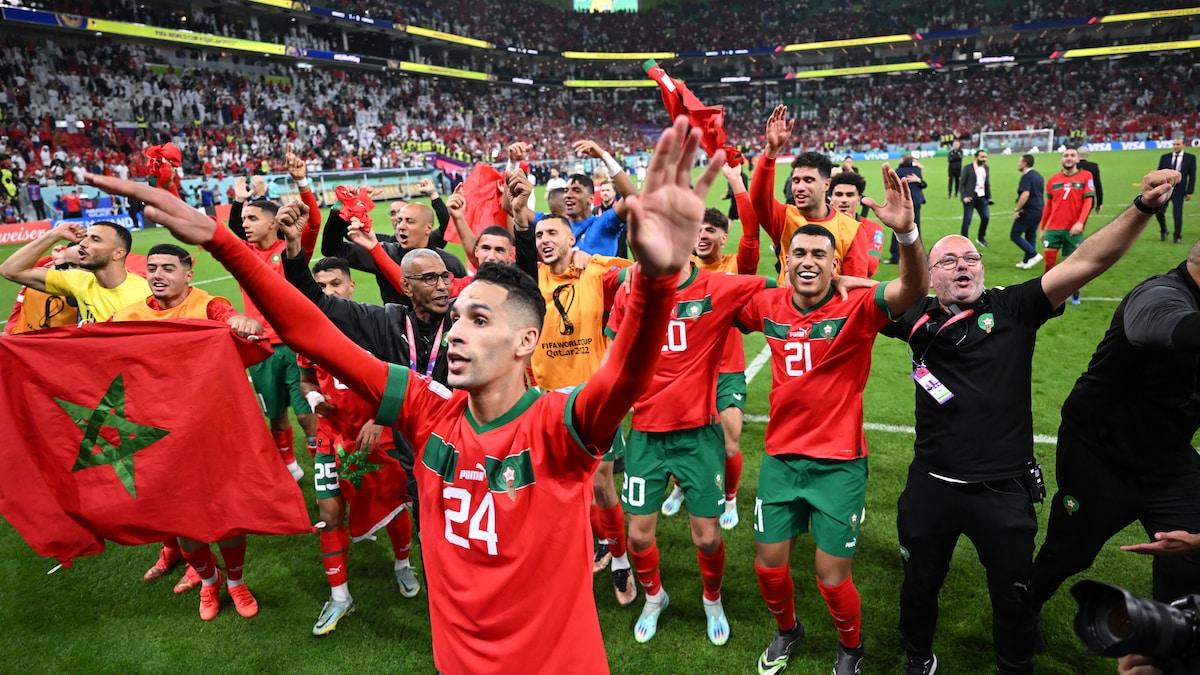
African football has spent decades being told about potential. Now the conversation is changing. Morocco’s 2022 semi-final run was historic because it broke a barrier — it showed an African team could go deep, beat elite opponents and carry a continent’s expectations. In 2026, Morocco are trying to make that level feel normal. That is the real shift. One deep run can be called magic. Two serious World Cup campaigns become a statement. When other African teams also push deeper into the tournament conversation, the picture becomes even stronger. Africa is not waiting for permission anymore. Modern national teams are built differently now, and Morocco understand that better than most. The Atlas Lions carry talent shaped by Morocco, Europe and the global diaspora — players who grew in different systems, learned different football cultures and then brought that experience back into one national team. European training, Moroccan identity, tournament emotion, global confidence.
Big Clubs Will Follow The Shift
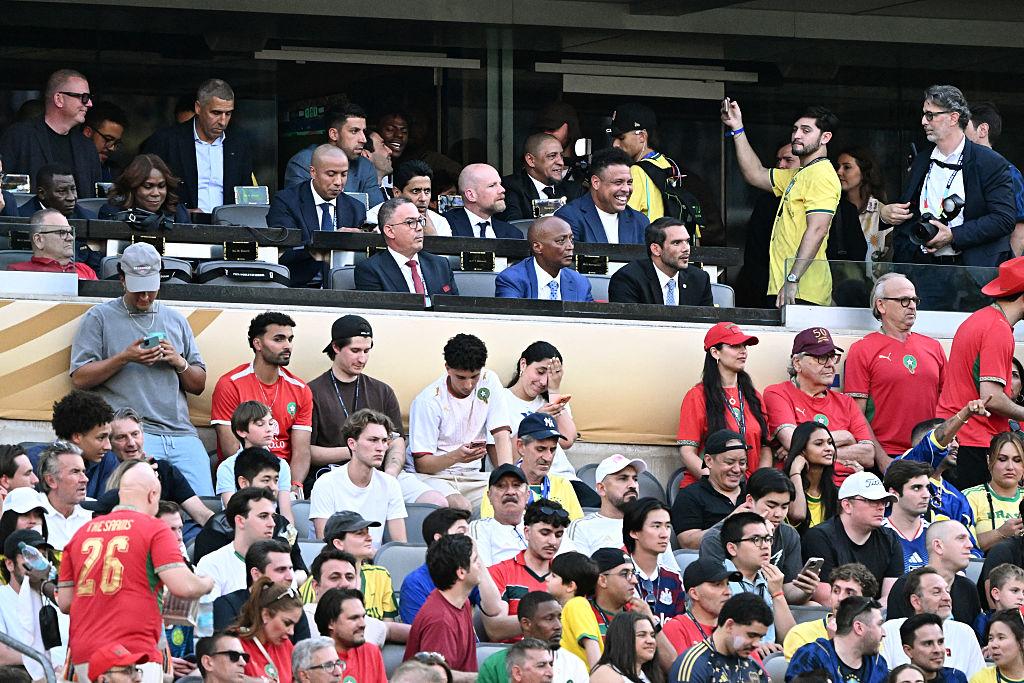
When national teams rise, the transfer market reacts. Clubs watch who performs under pressure, who survives knockout nights, who shows personality when the world is watching. Morocco’s players are benefiting from that spotlight. The team’s rise makes scouts look closer. It makes clubs take Moroccan talent more seriously. It makes the national shirt feel connected to market value. The expanded World Cup has also changed the tournament’s energy: more teams means more stories, more continents, more styles, more pressure on the old powers. A bigger tournament gives emerging football nations more room to prove that the gap is not as wide as people once believed. A country with less historical weight can still arrive with strong players, smart coaching, diaspora talent, European club experience and national belief. Morocco fit that profile perfectly.
Morocco’s Talent Is Being Repriced
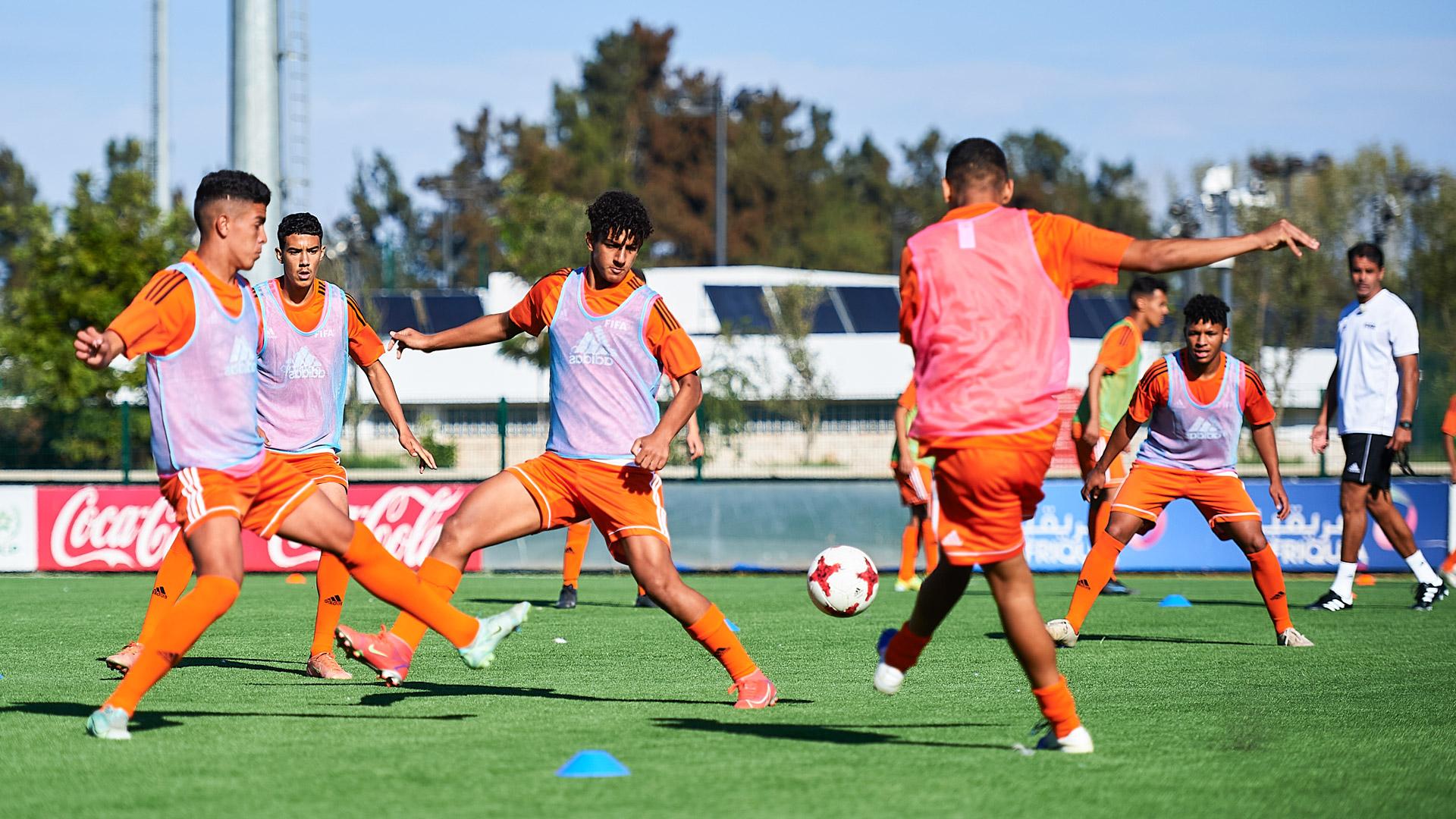
For younger fans, the picture is changing. They are growing up watching Morocco beat giants, African teams challenge heavyweights and players from smaller football nations move into Europe’s biggest leagues. That changes expectations. A young Moroccan fan does not have to dream quietly anymore — the proof is visible. The shirt can go deep. The players can move to major clubs. The national team can become a global story. That is how football culture changes: first in results, then in belief. The biggest message is simple: the World Cup is no longer predictable in the old way. Traditional giants can still win it, but they no longer have the same fear factor. Teams like Morocco are proving that belief plus structure plus talent can change the balance. More danger, more emotion, more global meaning, more countries believing the impossible is now realistic. Morocco are not just competing. They are exporting stars. That is not just a football story. It is a global power shift.
 Martino Oosterveer, Contributing Editor