

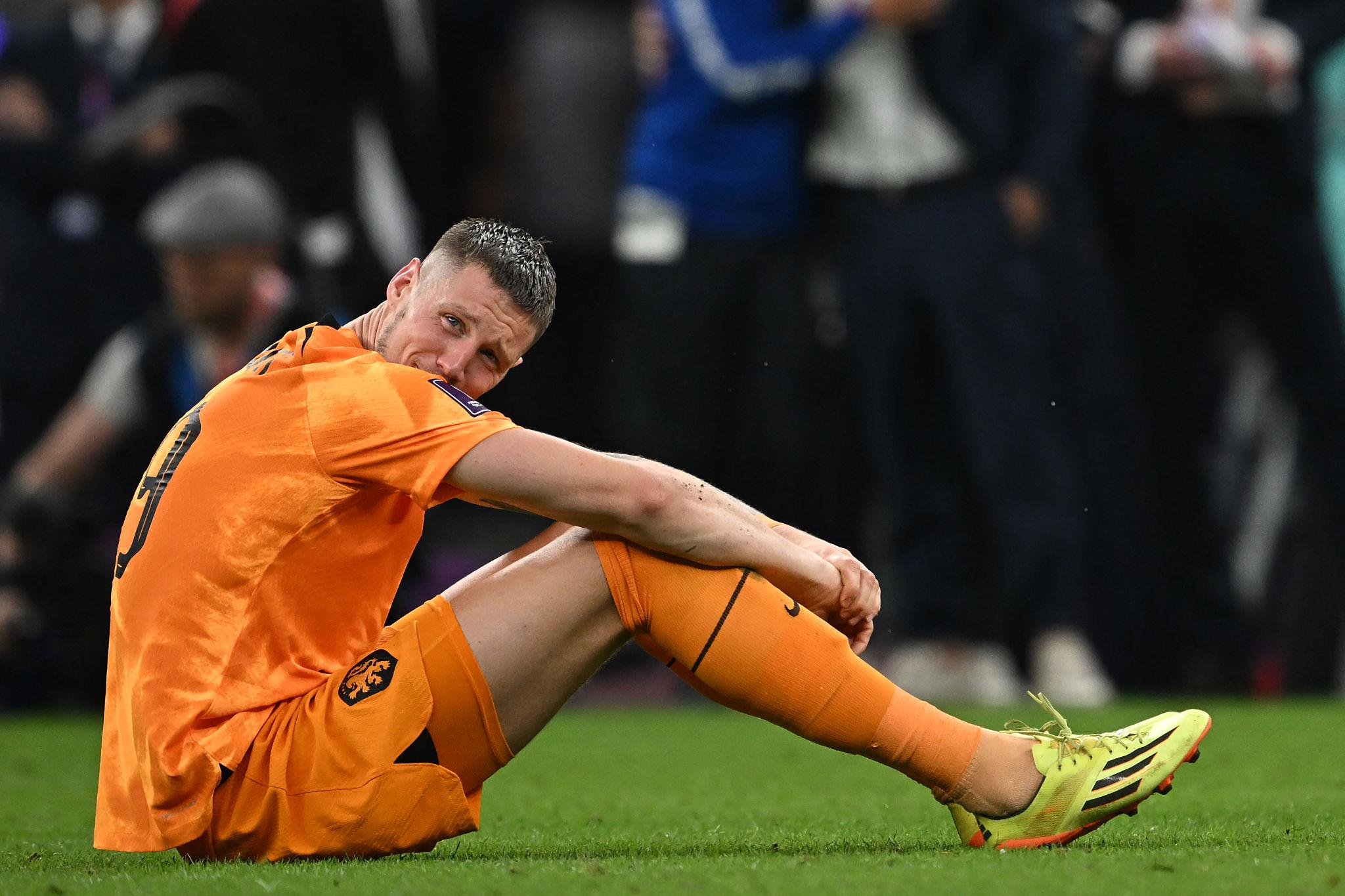
The Netherlands’ World Cup pain did not stop at the final penalty. It moved online. After Morocco knocked Oranje out in a dramatic shootout, several Dutch players were hit with racist and discriminatory abuse on social media. The football story was already huge — Morocco had won, the Netherlands were out. But within hours, the conversation turned darker. A missed penalty had become an excuse for hate.
Dutch Players Targeted After Morocco Defeat
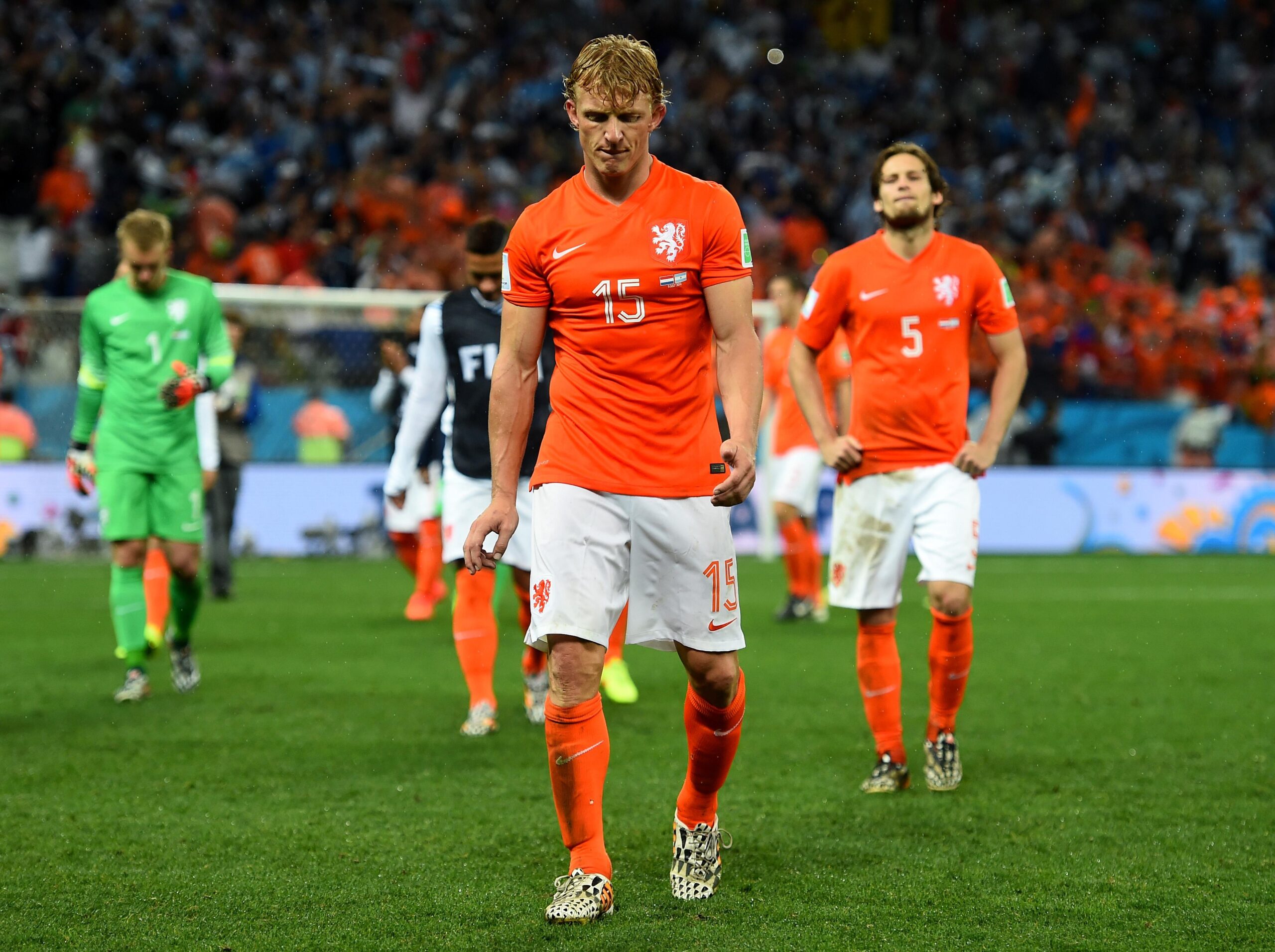
The Netherlands lost to Morocco 3-2 on penalties after a tense 1-1 draw in the World Cup knockout stage. For Morocco, it was another massive tournament moment. But after the shootout, Dutch players Justin Kluivert, Quinten Timber and Crysencio Summerville were targeted online after missing their penalties, according to Reuters. The Dutch football association, the KNVB, condemned the racist and discriminatory abuse and said it would report the incidents to Meld Online Discriminatie, the Dutch online discrimination reporting platform. That turned a painful football defeat into a much bigger racism row. A penalty miss is still football. Racist abuse is not. Players can be criticised for a poor kick, fans can question the order, pundits can debate pressure and selection — but attacking a player’s race, background or identity crosses a clear line.
Football Has Seen This Pattern Before
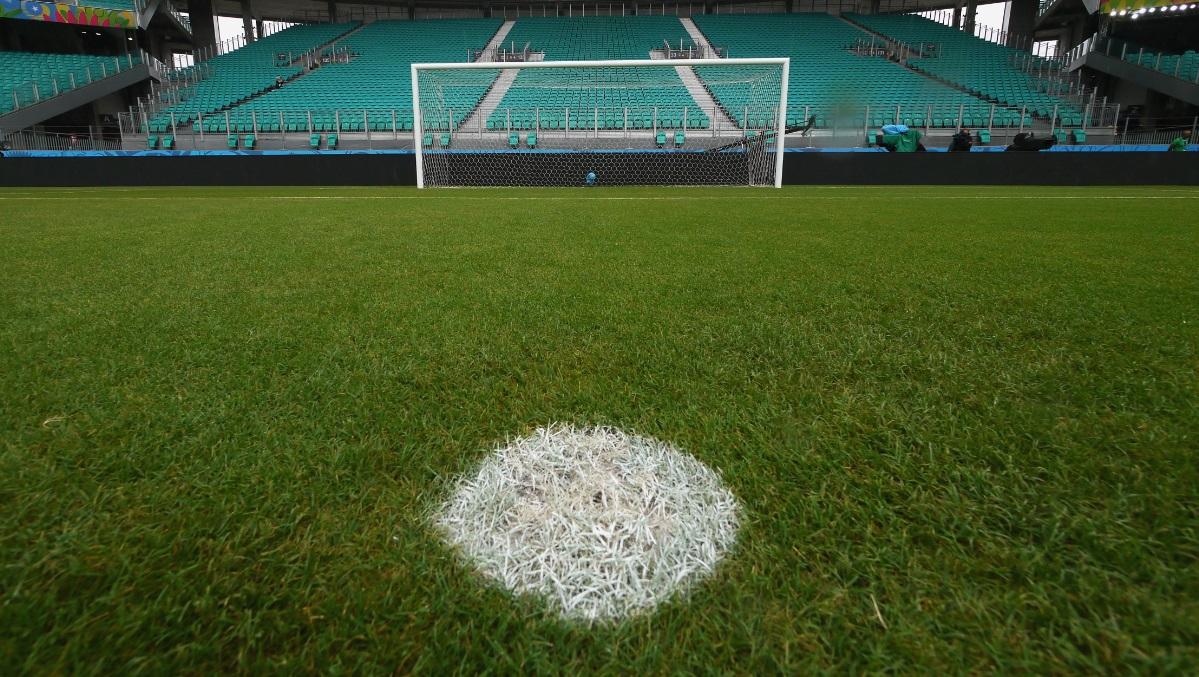
This is not the first time penalty misses have triggered racist abuse. After the Euro 2020 final, England players Marcus Rashford, Bukayo Saka and Jadon Sancho were also targeted after missing penalties against Italy. That moment became one of the clearest examples of how quickly football disappointment can turn into racism online. Now the Netherlands are facing a similar problem after their World Cup exit. Different country. Different tournament. Same ugly pattern: minority players miss, abuse follows, football keeps saying never again, then it happens again. Social media makes the damage faster too — a player can miss a penalty and see abuse before they even leave the dressing room. Messages arrive instantly, comments flood accounts, screenshots spread, and the hate becomes public, viral and personal at the same time.
Fans Can Be Passionate Without Being Cruel
Football is emotional. That is why people love it. But passion does not give anyone permission to dehumanise players. You can be angry. You can be disappointed. You can say a penalty was badly taken. You can say the Netherlands should have done better. But racism is not passion — it is poison. And football has to keep saying that clearly. Morocco’s victory was big enough on its own: the Atlas Lions showed nerve, belief and tournament toughness, and that story deserves to stand without hate around it. Morocco won on the pitch. The celebration should stay there. The racism row is not about Moroccan football’s achievement — it is about the ugly side of online fan culture after a high-pressure defeat. That distinction matters for the story, for the sport and for the 2026 World Cup’s wider message.
The KNVB Draws A Clear Line
The KNVB response matters because football authorities cannot treat online abuse as background noise anymore. Social media is now part of the stadium: it is where fans celebrate, argue, react and attack. When abuse happens there, it follows players home, reaching them directly within seconds of the final whistle. By saying it will report the incidents, the KNVB is making the issue formal — online racism is not just bad comments, it can become evidence, a case and a legal matter. The 2026 World Cup is being watched across continents, cultures and communities, making the online abuse row even more serious. This tournament is supposed to bring people together through football. But when players are attacked because of who they are, the game loses part of its meaning. Football cannot claim to be global and inclusive while treating racism as a side issue. A penalty can decide a match. It should never open the door to hate.
 Jamal Mahdad, Founder & Editor-in-Chief