

The World Cup is not only creating goals, drama and national pride. It is also creating a betting storm. In Taiwan, police have busted an illegal online betting ring linked to the tournament and seized more than US$300 million in World Cup bets. The numbers are huge, the timing is clear, and the message is serious: when football fever explodes, illegal gambling follows the money.
Eight Arrested In Tainan Raid
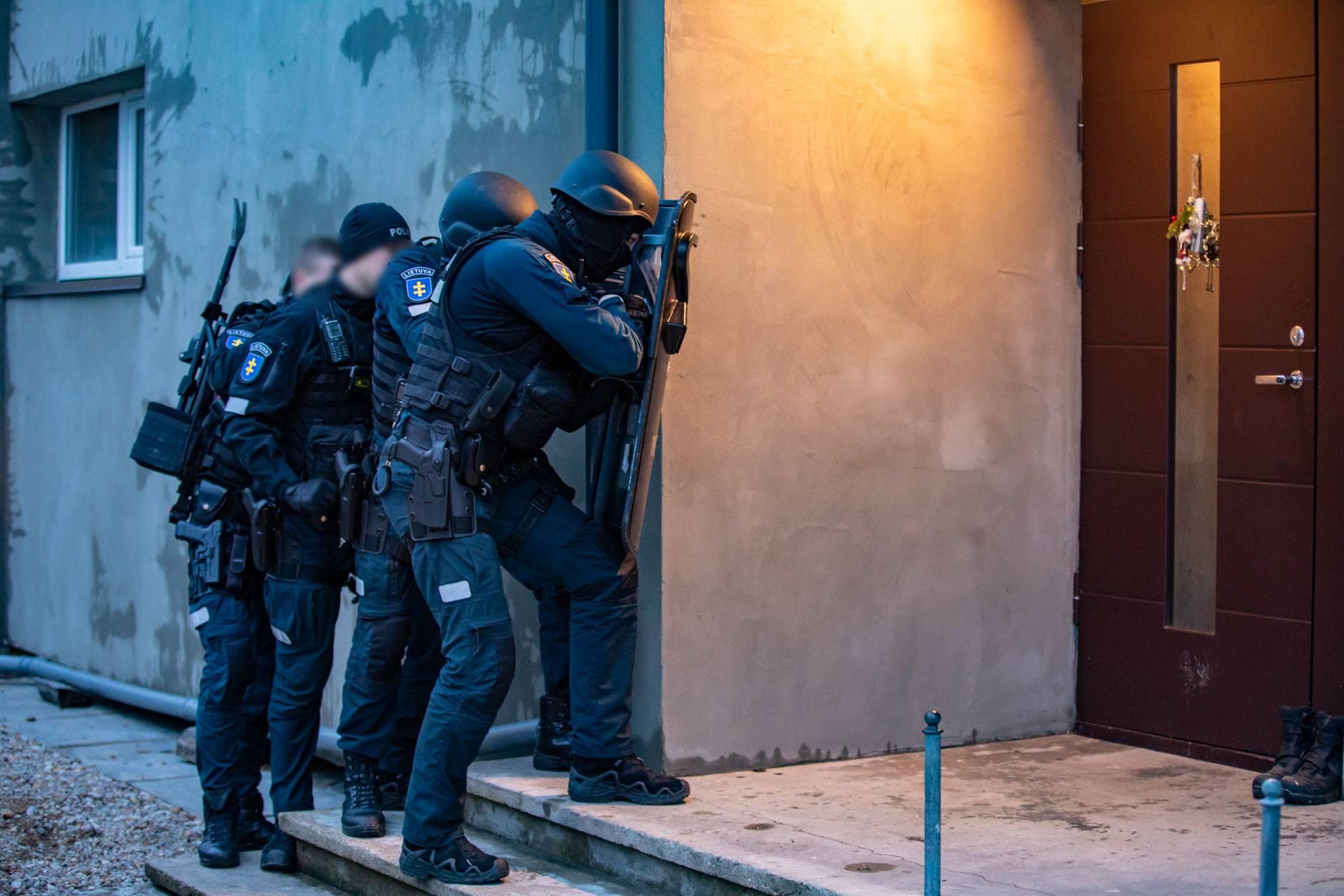
Police in Taiwan seized more than US$300 million in World Cup bets after raiding an illegal online betting operation in Tainan. Authorities arrested eight people and seized computers, mobile phones, ledgers and cash. The operation had allegedly taken in nearly NT$10 billion, equal to around US$313 million, in bets on World Cup matches. That is not small-time gambling — that is a major illegal betting business built around the biggest football tournament on earth. Five of those arrested had reportedly travelled from Hong Kong and Macao on tourist visas for the betting operation. That detail makes the story bigger: this was not only local fan betting — it appears to have involved cross-border movement, planning and a temporary base created for the World Cup period. Football created the demand. The betting ring allegedly built a business around it.
A Five-Storey House Became A Betting Base
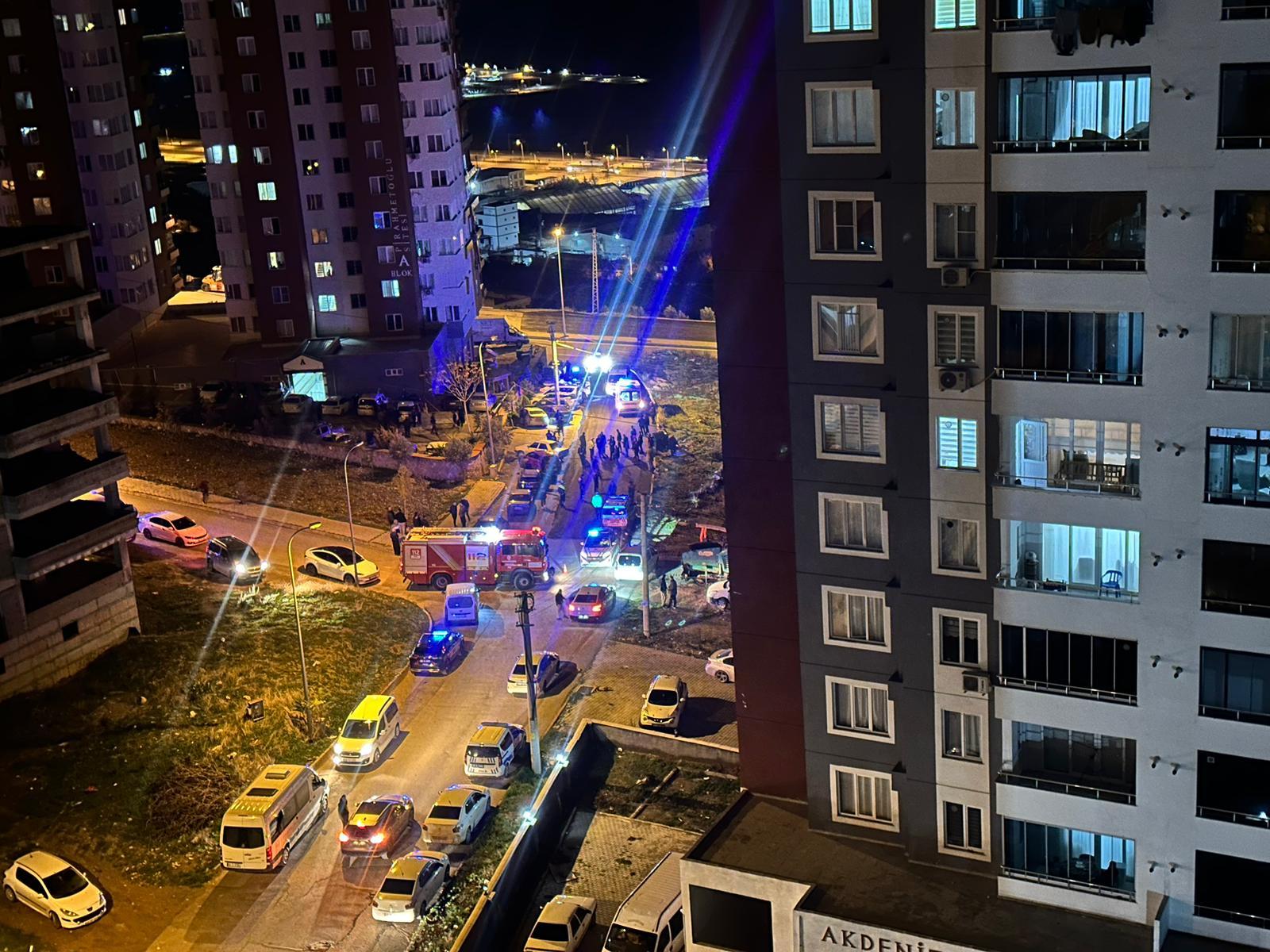
The group had reportedly rented a five-storey house for the duration of the tournament. That image is striking: while fans around the world watched matches in cafes, fan zones and living rooms, an alleged illegal betting operation was running from a rented house in Taiwan, complete with computers, phones, records and cash. World Cup matches became the product. Fans became the market. And the tournament became the window of opportunity. The 2026 tournament is bigger than ever — 48 teams, 104 matches, more markets, more time zones, more fan bases and more betting opportunities than previous editions. Reuters reported that the expanded tournament is expected by some industry figures to become the biggest betting event of all time. That does not mean all betting is illegal — many countries have regulated betting markets — but the same excitement that fuels legal platforms can also fuel illegal ones.
The Digital Risk Is Bigger Than Before
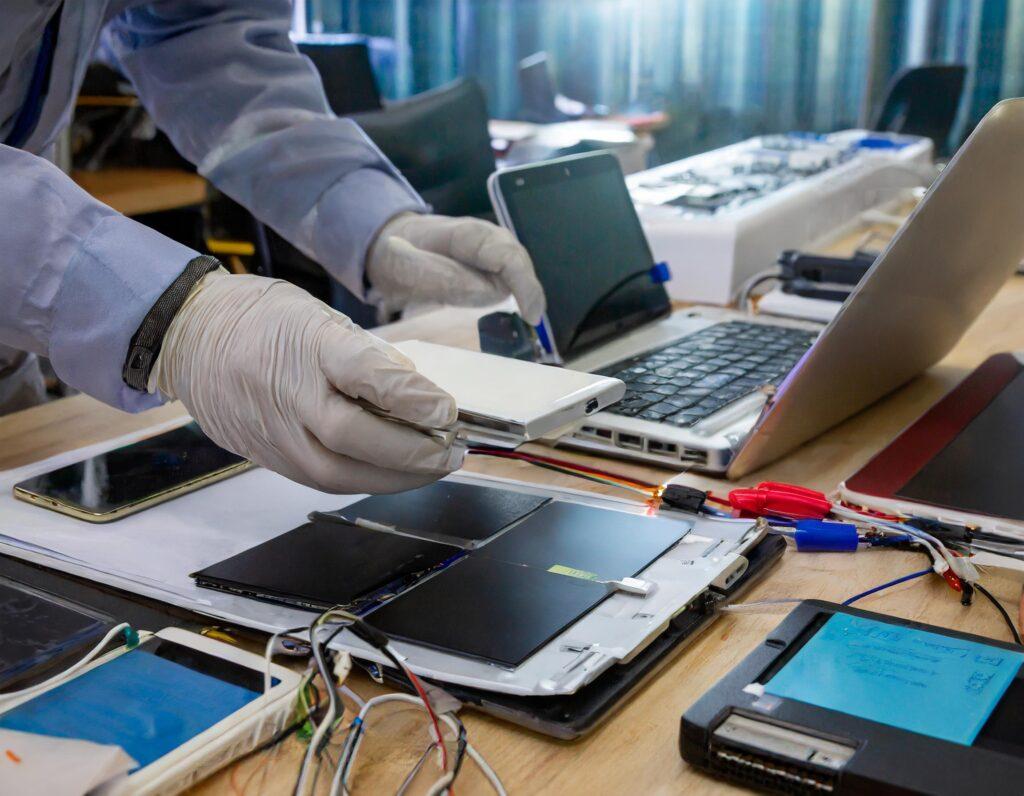
Illegal betting no longer needs a hidden room full of cash. It can live online. Phones make access easy. Messaging apps can spread links. Payments can move quickly. Accounts can be created fast. Users may not always know who is behind the platform. That makes enforcement harder, but the Taiwan raid shows authorities are watching — computers and mobile phones seized in the operation show how digital the betting world has become. Modern gambling crime is not only about bookmakers in back rooms. It is about networks, devices and data. Football authorities, police, regulators and digital platforms all face the same challenge: how to protect the tournament from becoming a playground for illegal gambling networks. The problem is not only financial — it is reputational. When illegal betting grows around football, it can damage trust, attract organised crime and put vulnerable fans at risk.
Fans Are The Real Target

The business model is simple: find fans who are emotional, give them a fast way to bet and turn the tournament into constant temptation. Football is emotional — fans do not always think calmly during a World Cup. They bet with hope, fear, anger and national pride. They chase losses. They believe in miracle comebacks. They trust rumours. They react to viral clips. Illegal operators understand that. They know major matches create quick decisions, fans want fast access, and people will bet on teams they love, not only on numbers they understand. That is why World Cup fever can become a gambling trap. Supporters need to be careful: a World Cup bet can feel harmless, especially when everyone is talking about matches. But illegal platforms carry serious risks — no protection, no regulation, no clear dispute system, no guarantee of payment, no safe limits and no accountability. The dream of a quick win can become a costly mistake. Big crackdowns like the Taiwan raid send a message before the problem becomes even bigger.
 Martino Oosterveer, Contributing Editor