

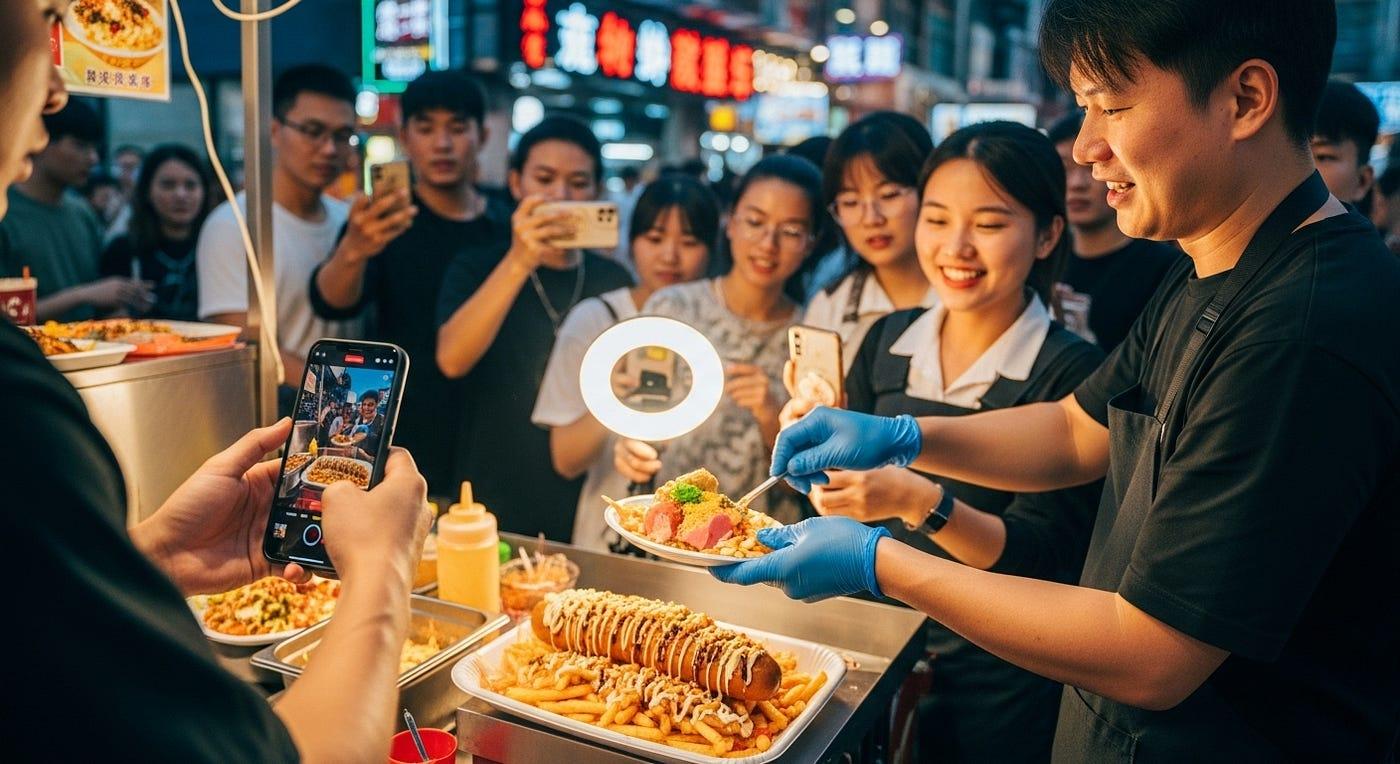
Street food is no longer just about hunger. It is becoming content. The Viral Food Festival is bringing more than 50 trending street eats to Toowoomba Showgrounds from July 10 to July 12, turning internet-famous dishes into a real-world weekend attraction.
This is the new food economy. TikTok creates the craving. Instagram builds the image. Food trucks deliver the product. And visitors arrive ready to eat, film and post.
Food Is Becoming A Social Media Event
The old food festival model was simple. People came for stalls, snacks and a day outside. The new model is different. People come for dishes they have already seen online. They want the loaded fries, the bubble waffles, the strange dessert, the giant portion, the colourful drink and the item that looks good enough to stop a scroll. That changes the business. A dish no longer needs only to taste good. It needs to travel on a phone screen.
Toowoomba Gets The Viral Treatment
Toowoomba, in Queensland, may not sound like the obvious centre of internet food culture. That is exactly what makes the story interesting. The festival is taking a social media-driven food format into a regional city, showing how online trends are no longer locked inside major capitals. A viral dish can start on TikTok, then move to a food truck, then appear at a showground, then become a weekend plan for families, teenagers, couples and creators. That is how digital culture becomes local business.
More Than 50 Dishes In One Place
The headline number matters. More than 50 trending street eats gives the event scale. For visitors, the attraction is choice. They can try multiple dishes in one trip instead of chasing single vendors across different cities or scrolling through videos of food they cannot actually buy. That is the smart part. The festival turns scattered internet cravings into one physical marketplace. One ticket, one location, one weekend, many dishes. That is simple, commercial and easy to sell.
TikTok Changed What People Want To Eat
TikTok has changed food culture quickly. It rewards visual impact: cheese pulls, crunch sounds, oversized desserts, bright sauces, unusual combinations, fast reactions. The result is a new kind of food product, designed for both appetite and attention. Some dishes become famous because they are delicious. Others become famous because they are strange, huge, colourful or dramatic. The strongest ones do both. They taste good and look good online.
The Camera Comes Before The First Bite
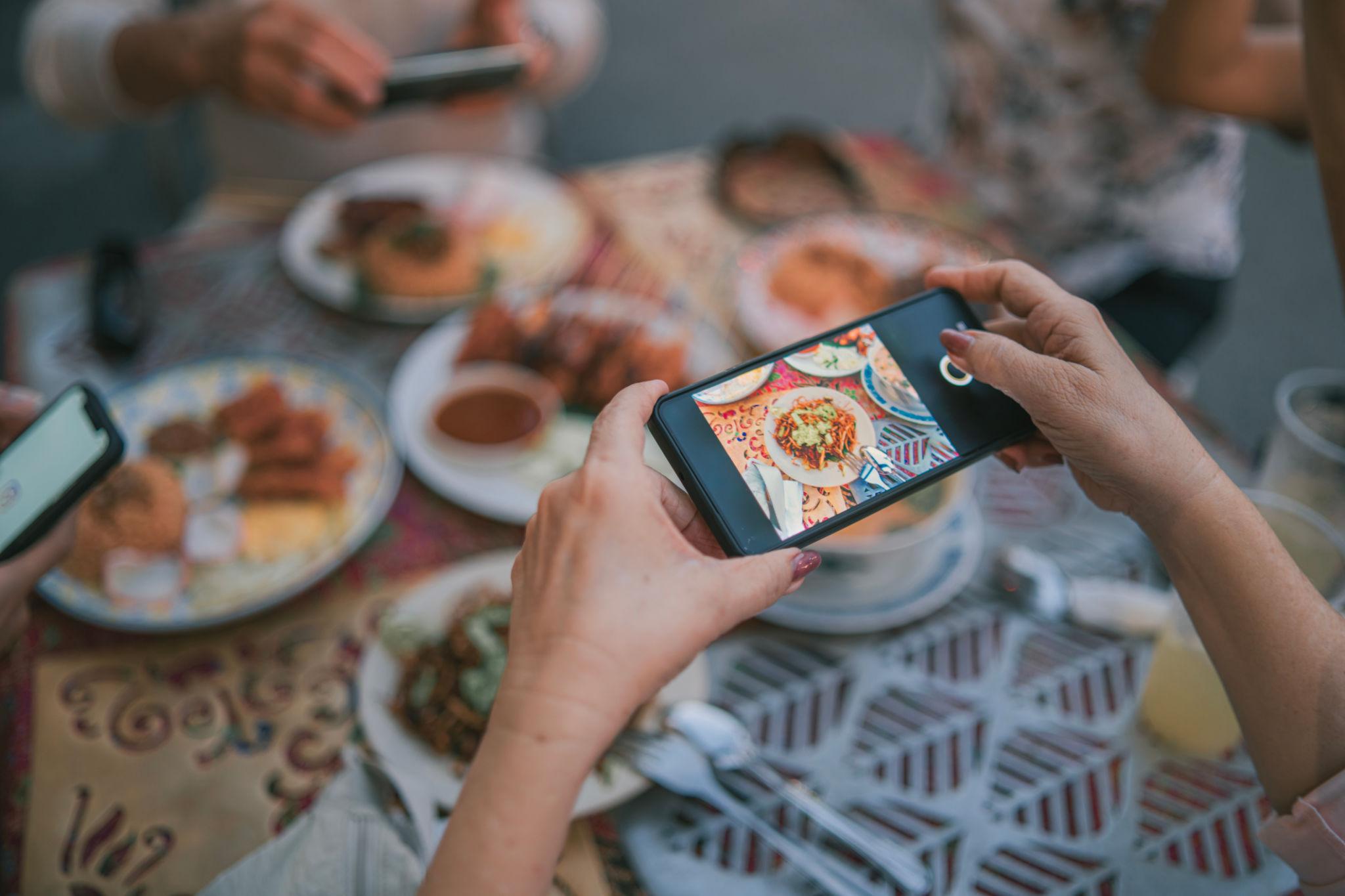
At events like this, the phone often eats first. Visitors record the stall, then the order, then the close-up, then the first bite, then the reaction. That behaviour is now part of the value chain. Every customer can become a micro-promoter. Every plate can become an ad. Every short video can send another group of people to the same festival. For organisers, that is powerful. Traditional advertising costs money. User-generated content spreads the event through the audience itself.
Food Trucks Get A Bigger Stage
The festival also gives food vendors a valuable platform. A small operator may not have a permanent restaurant or a big marketing budget. But one viral dish at the right festival can create visibility fast. That is especially important for street food businesses. They need foot traffic, word of mouth and memorable products. A food festival built around online trends gives them all three. It turns the vendor into both a kitchen and a content brand.
The Business Is Not Only Food
The Viral Food Festival is not only selling dishes. It is selling time on site. That is why entertainment matters. The event includes live entertainment, rides, carnival games, retail stalls and influencer activity. That structure encourages people to stay longer, spend more and return for a second or third meal. That is the festival logic. Food brings people in. Entertainment keeps them there. Social media sends the signal back out.
Families And Creators Can Both Fit
One reason the format works is that it can serve different audiences at once. Families can come for rides, games and casual food. Teenagers can come for TikTok dishes. Couples can treat it as a date-night plan. Influencers can come for content. Local residents can come because the event gives the city something different for the weekend. That mix is commercially useful. A festival that only targets food lovers is smaller. A festival that targets food, entertainment and social media has a wider market.
Viral Food Is Risky But Powerful
There is also a risk. Viral food can burn out quickly. What looks exciting this month may feel old next month. A dish can dominate social media and then disappear when the algorithm moves on. That makes execution important. Festivals cannot rely only on hype. They need good vendors, clean operations, fair pricing, crowd control, enough seating, family access and food that actually delivers after the camera is put away. The best viral food events understand the balance. The photo gets attention. The experience creates loyalty.
Why Regional Cities Want These Events
For regional cities, events like this are useful. They bring foot traffic. They give locals a reason to go out. They support small vendors. They create weekend activity around existing venues like showgrounds. They also help cities appear more alive online. That last point matters more than people think. A city that looks active on social media can change its image, especially among younger audiences who judge places through short videos, food clips and weekend posts.
The Festival Economy Is Changing
Food festivals used to be seasonal or cultural. Now they can be algorithmic. Organisers watch what people are sharing, what dishes are being saved, what desserts are getting reactions and what street-food concepts are moving fastest. Then they build events around that attention. That is a new kind of market research. Instead of guessing what people want, organisers can watch what people already engage with online. The feed becomes the menu.
Morocco Can Learn From This Format
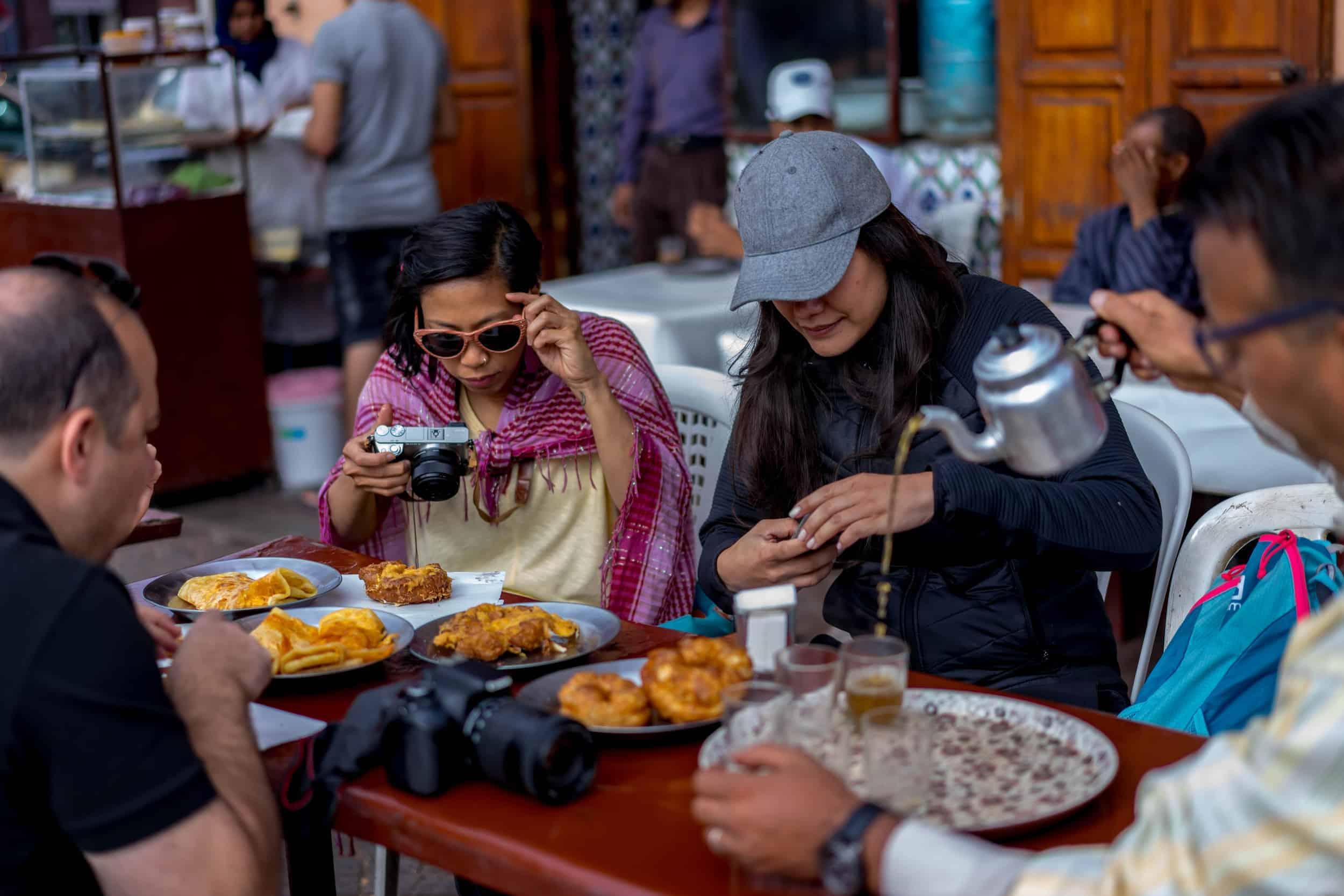
For Moroccan readers, this story is not only about Australia. Morocco has one of the strongest street-food cultures in the world. Marrakech, Casablanca, Rabat, Tangier, Fes and Agadir all have food scenes that could work beautifully in a viral festival format. Msemen, brochettes, harira, seafood, mint tea, amlou, Moroccan pastries and fresh juices. With the right staging, these are not only local favourites. They are highly visual food products. That matters for tourism, especially before 2030.
Moroccan Food Already Has The Visual Power
The advantage for Morocco is clear. The food already looks good. The colours are strong. The portions can be generous. The settings are beautiful. The cultural story is real. What is needed is packaging: clean events, strong visuals, good lighting, reliable vendors, simple payment, influencer access and a short-form video strategy. That is how traditional food becomes modern media without losing its identity.
The Bottom Line
The Viral Food Festival shows how street food is becoming part of the social media economy. With more than 50 trending street eats coming to Toowoomba Showgrounds from July 10 to July 12, the event turns TikTok and Instagram cravings into a real-world weekend attraction. This is not just about eating. It is about watching, filming, sharing and spending. For food vendors, viral dishes can become business. For cities, food events can become image-building tools. And for Morocco, the lesson is clear. Street food is no longer only something people buy. It is something people broadcast.