
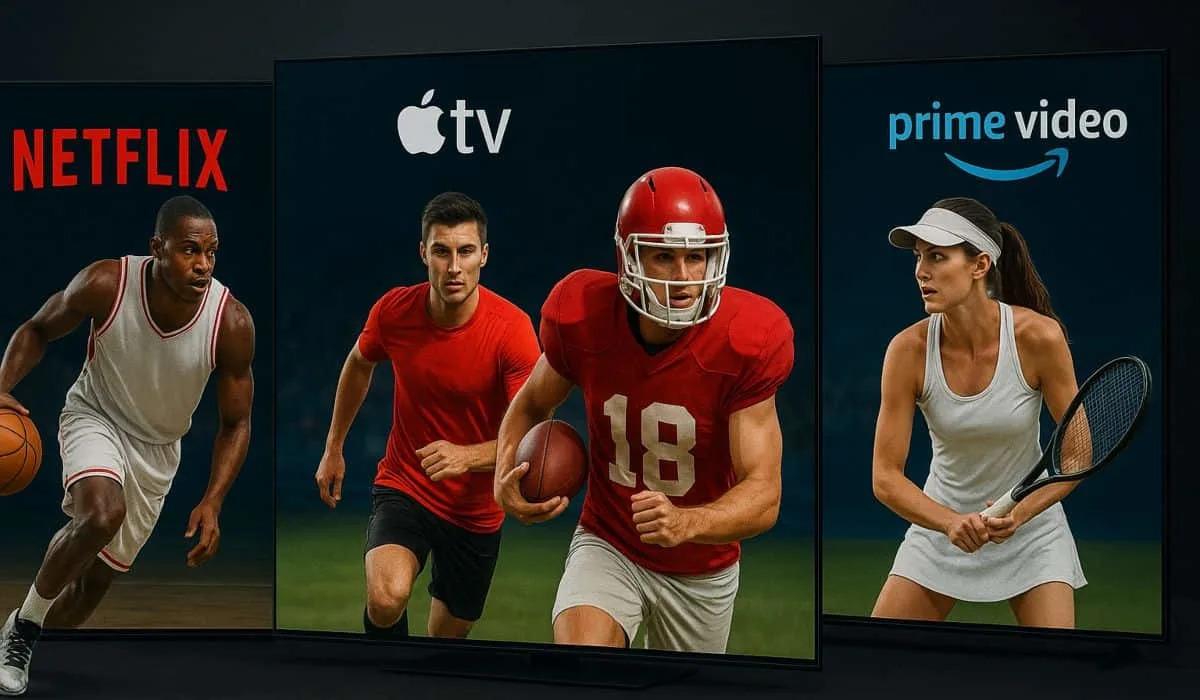
The streaming war is no longer only about series, films and subscriber numbers. It is moving into live events.
Netflix, Amazon Prime Video, YouTube and other technology platforms are pushing deeper into sports, concerts, creator events and real-time entertainment because the old streaming formula is becoming less reliable. A catalogue can attract subscribers, but a live event forces attention at the same time, in the same place, with the same urgency.
That is why live programming is becoming the new ratings war. In a fragmented media market, the most valuable content is not always what people can watch later. It is what they feel they cannot miss now.
Streaming Wants The Power Of Appointment Viewing
For years, streaming trained viewers to watch whenever they wanted. That was the revolution. No schedule. No waiting. No fixed television hour. But the same freedom created a new problem. When everything is available anytime, very little feels urgent. Viewers delay, skip, sample and abandon platforms more easily.
Live events solve that problem. A boxing match, football fixture, awards show, concert, creator tournament or celebrity livestream gives platforms something a normal drama series cannot always deliver: appointment viewing. People watch together because the event is happening now. They post now. They react now. They argue now. That creates cultural pressure, and cultural pressure is valuable.
Netflix Is Learning The Live Game
Netflix built its empire on on-demand entertainment, but the company has been moving gradually toward live programming and sports-adjacent events. That shift is not accidental. Netflix does not need to become a traditional broadcaster to understand the value of live attention. The platform needs events that create spikes, social conversation, advertising inventory and reasons for users to stay inside the Netflix ecosystem.
The company’s live experiments have shown that the next stage of streaming is not only about building bigger libraries. It is about owning moments. A live event can do what a catalogue cannot: make millions of users open the app at the same time.
Prime Video Is Chasing Stickier Audiences
Amazon Prime Video has been even more direct about the value of live sports. Reuters reported that Prime Video has shifted more focus toward live sports as it seeks stronger profitability. That makes sense because Amazon’s media strategy is not only about entertainment. It is connected to advertising, Prime memberships, shopping behaviour and data.
Live sports make users return regularly. They create predictable viewing habits. They attract advertisers. They give Amazon more reasons to keep consumers inside the Prime bundle. For Amazon, a football match or major live event is not only content. It is a retention tool inside a much larger commercial machine.
YouTube Has A Different Advantage
YouTube is not a classic streaming platform in the Netflix sense. It is a video ecosystem. That gives it a different kind of power. YouTube already owns highlights, reactions, creators, podcasts, fan analysis, livestreams and short clips around major events. Even when it does not own the full event, it often owns the conversation after the event.
That is why YouTube’s move toward more structured TV and sports packages matters. Reuters has reported that YouTube TV prepared genre-based plans, including a sports package, as it deepens its streaming bet. YouTube’s advantage is not only distribution. It is behaviour. Viewers already go there before, during and after major events.
Big Tech Is Making Local Broadcasters Nervous
The shift has alarmed traditional television groups. Reuters reported that major U.S. broadcast station owners warned regulators that Big Tech’s acquisition of sports rights could weaken local TV news. Their concern is simple: if the biggest live events move to technology platforms, the economics of local television become more fragile.
This is the hidden consequence of the streaming power play. Live sports and major events have long supported traditional broadcasters. They bring audiences, advertising revenue and negotiating power. If those rights move to deep-pocketed tech platforms, legacy media loses one of its strongest defensive walls. The fight is therefore not only about entertainment. It is about who controls the infrastructure of public attention.
Live Events Are Becoming Advertising Machines
A live event is valuable because it concentrates attention. Advertisers like that. In on-demand streaming, users are scattered across thousands of titles. In live programming, they gather around one event. That makes ad placement more powerful, especially when platforms can combine the scale of television with the targeting of digital media.
This is where technology companies have an advantage. They know more about users. They can sell better data. They can connect advertising to subscriptions, shopping, search behaviour or platform activity. Traditional broadcasters sell audiences. Tech platforms sell audiences plus measurement. That difference is changing the economics of live content.
The Super Bowl Logic Is Spreading
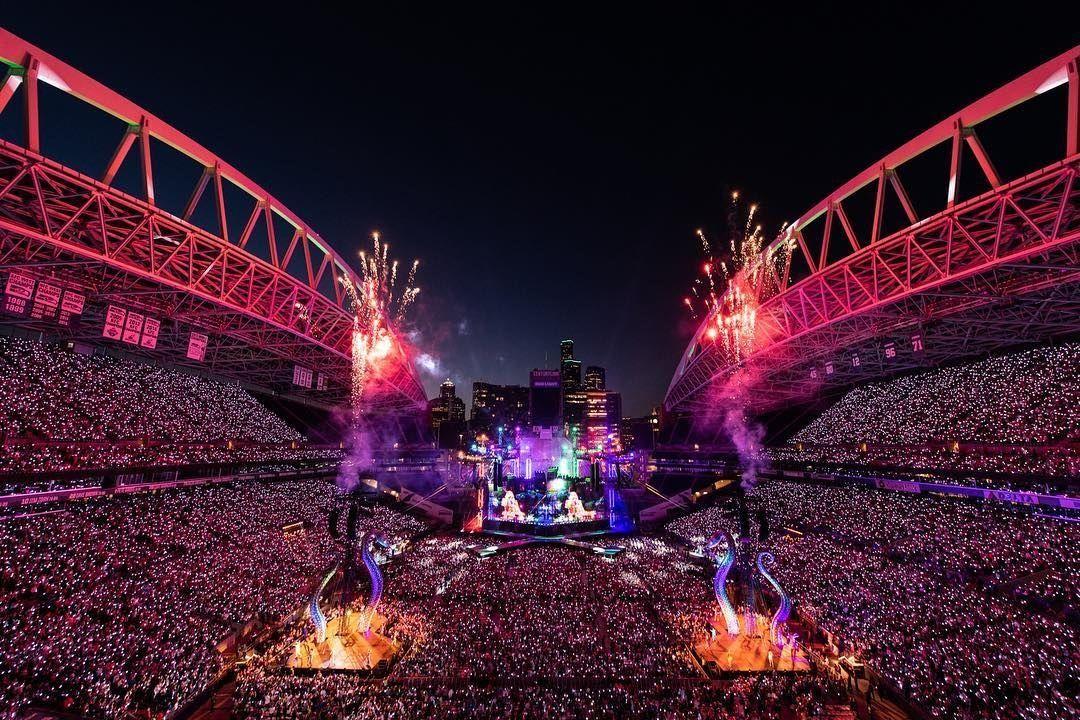
The Super Bowl has long shown the value of turning a sports event into a total entertainment product. The game is only one part of the package. There are ads, celebrity appearances, halftime shows, trailers, social media reactions, brand activations and post-event analysis. The event becomes a full cultural economy.
Streaming platforms want versions of that formula. They do not need every event to be the Super Bowl. They need more events that generate the same type of concentrated conversation: a reason for viewers to gather, advertisers to pay and platforms to dominate the feed. That is why sports, concerts and celebrity-led events are moving higher on the streaming agenda.
The Consumer Will Pay In Complexity
The downside is fragmentation. As platforms compete for rights, viewers may need more subscriptions to follow the events they care about. Football on one platform, boxing on another, concerts somewhere else, creator events on YouTube and premium documentaries behind another paywall.
That creates frustration. The streaming revolution promised simplicity compared with cable bundles. The live-event race risks rebuilding complexity in a new form. Instead of one cable package, consumers may face a patchwork of apps, passwords, prices and regional restrictions. The winners may be platforms. The losers may be viewers who just want to watch the event.
Rights Inflation Is The Real Battle
The price of live rights can rise quickly when technology companies enter the market. They have larger balance sheets than many traditional media groups, and they can justify spending through wider business models. A broadcaster needs the rights to pay off mainly through advertising and subscriptions. A tech platform can also use them to drive e-commerce, hardware, cloud services, data, bundles or platform loyalty.
That makes competition difficult. Traditional networks are not always fighting a media company. They are fighting an ecosystem. That is why sports leagues, event organisers and artists may benefit from higher bidding, while legacy broadcasters face pressure.
Morocco Should Watch The Shift
For Moroccan readers, this may sound like a U.S. media story. It is not. The shift matters for every market preparing to host or monetise major events, including Morocco before 2030. If live events are becoming the most valuable media assets, Morocco’s future sports, music, cultural and tourism events will need stronger digital distribution strategies.
It will not be enough to host an event physically. The real value will also come from clips, livestreams, rights packages, creator access and global social reach. A stadium fills once. A digital event can travel for days.
2030 Will Be A Media Test Too
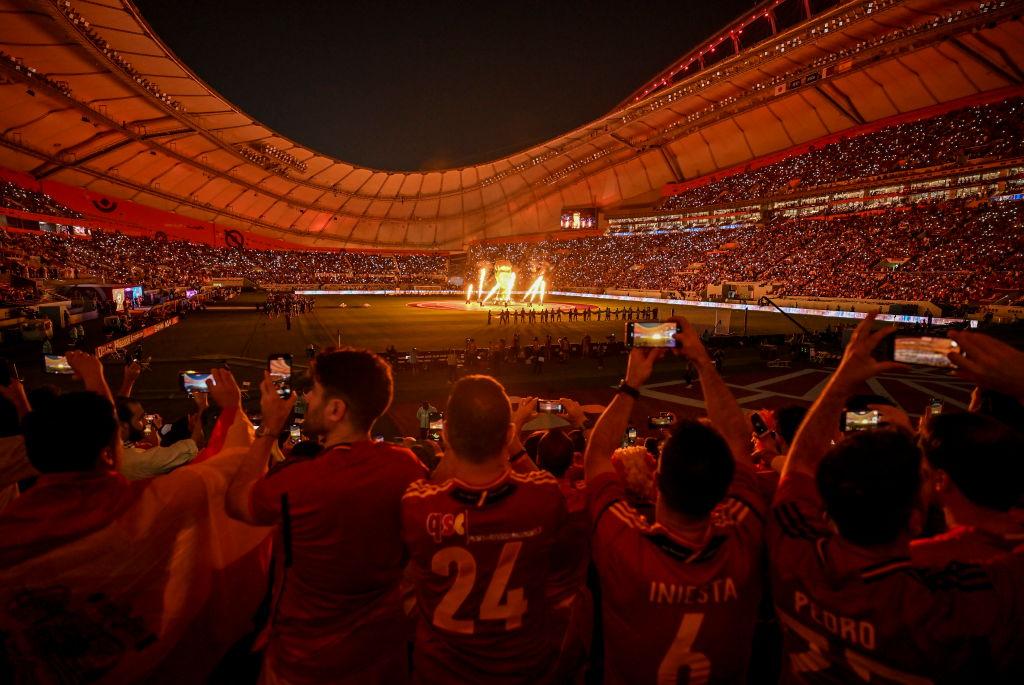
The 2030 World Cup will not only test Morocco’s stadiums, airports and hotels. It will test its media infrastructure. Fans will expect fast clips, behind-the-scenes access, creator coverage, multilingual content and seamless streaming experiences. Broadcasters and platforms will fight for attention around matches, training camps, fan zones and cultural programming.
Morocco’s opportunity is to treat 2030 as a media export moment, not only a tourism moment. If the country can package its cities, fans, food, music and match-day atmosphere for global screens, it can multiply the value of hosting.
The Bottom Line
The streaming war is moving from libraries to live events. Netflix, Prime Video, YouTube and other technology platforms are chasing sports, concerts and real-time entertainment because live programming creates urgency, advertising value and cultural conversation in a fragmented media market.
Traditional broadcasters are worried because live rights were one of their strongest advantages. Consumers may also face more complexity as major events spread across different apps. For countries preparing major global stages, including Morocco before 2030, the lesson is clear: hosting the event is only the first layer. Owning the live attention around it is where the next media battle begins.