
The Phosphate Football Machine is becoming one of the most important explanations behind Morocco’s rise from emotional football story to serious global contender.
Morocco’s recent World Cup performances have been described through passion, diaspora pride, tactical discipline and the emotional force of the Atlas Lions. All of that matters, but it does not fully explain how a country builds repeatable football strength.
Behind the flags and stadium noise sits a harder economic reality.
Football progress needs money, infrastructure, training systems, long-term planning and institutions that can turn national ambition into daily development.
Morocco’s football rise is not only a sporting story.
It is an investment story.
Phosphate Football Machine Is About System Power
The Phosphate Football Machine matters because elite football is rarely built by emotion alone.
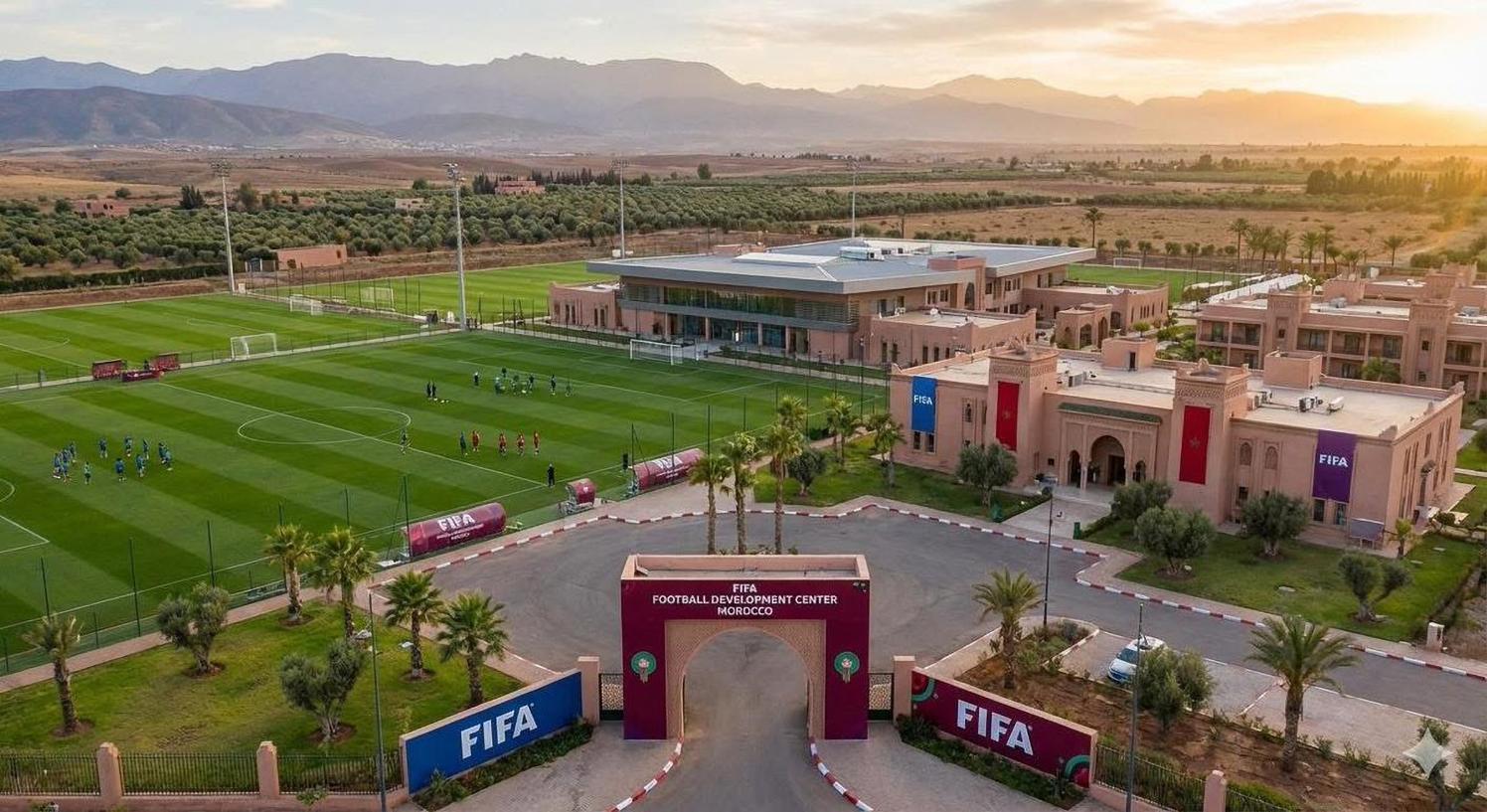
Supporters can create atmosphere. Players can create moments. Coaches can create tactical identity. But national football systems require a deeper engine: academies, training centres, scouting, medical structures, youth development, coaching education and enough funding to keep the pipeline moving.
Reuters reported that OCP Group, Morocco’s state-backed phosphate and fertiliser giant, has thrown its weight behind Moroccan football through a National Football Training Fund launched in 2024 alongside the federation and private funders.
That is the key point.
Morocco’s rise is not only about a golden generation. It is about building the machinery that can produce more of them.
Football Needs Industrial-Scale Funding
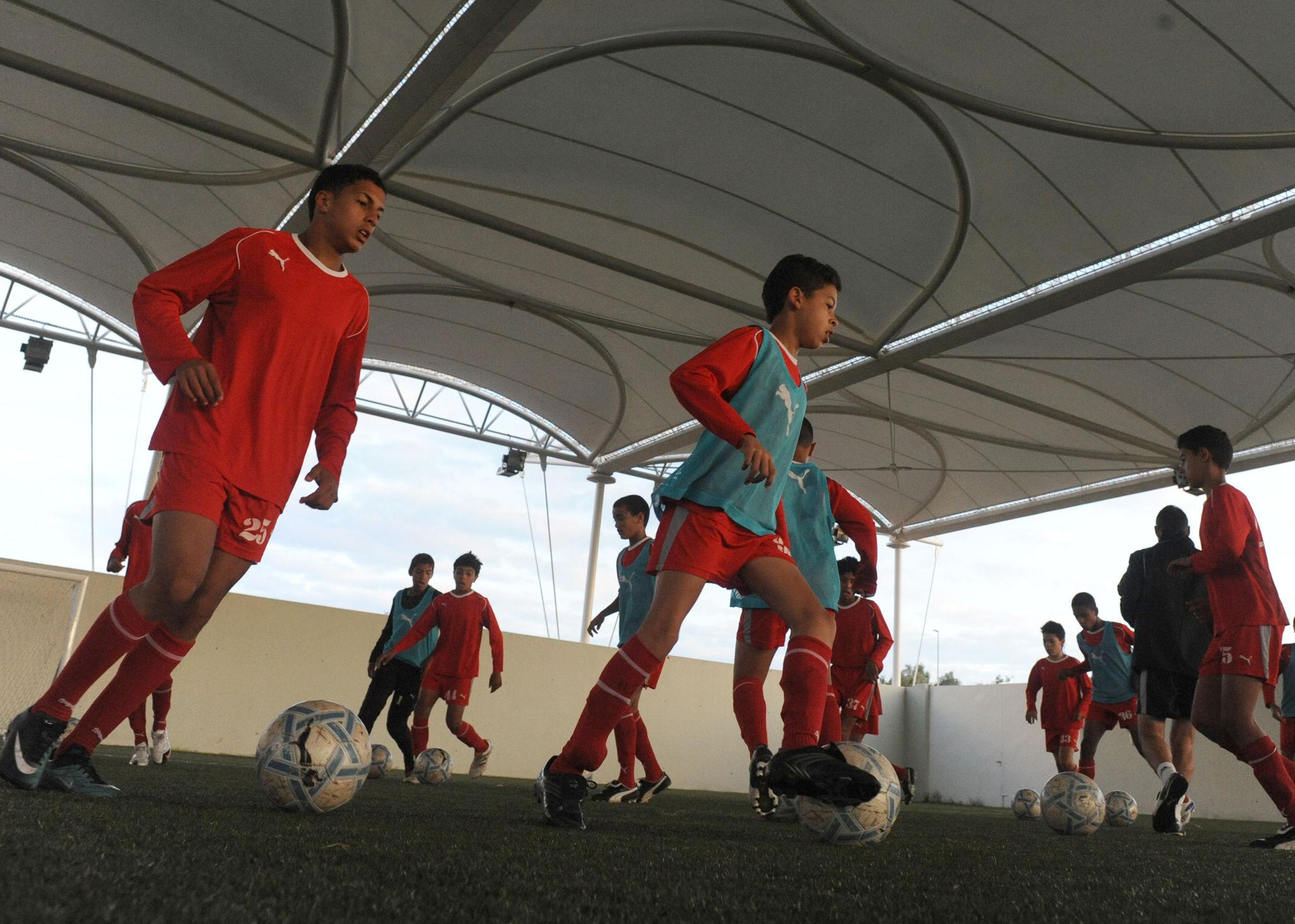
The first lesson is that football development is expensive.
A country that wants to compete at the highest level cannot depend only on occasional talent. It needs systems that find talent early, train it properly, protect it physically and expose it to elite standards before the pressure of senior international football arrives.
That requires money.
OCP’s role matters because phosphate wealth gives Morocco a financial backbone that many rising football nations do not have at the same scale. The country is not trying to build football ambition only through slogans. It is connecting the sport to one of its strongest industrial assets.
This is where the story becomes bigger than football.
Natural-resource wealth can become soft-power infrastructure when it is channelled into national performance.
OCP Turns Resource Strength Into Sporting Leverage
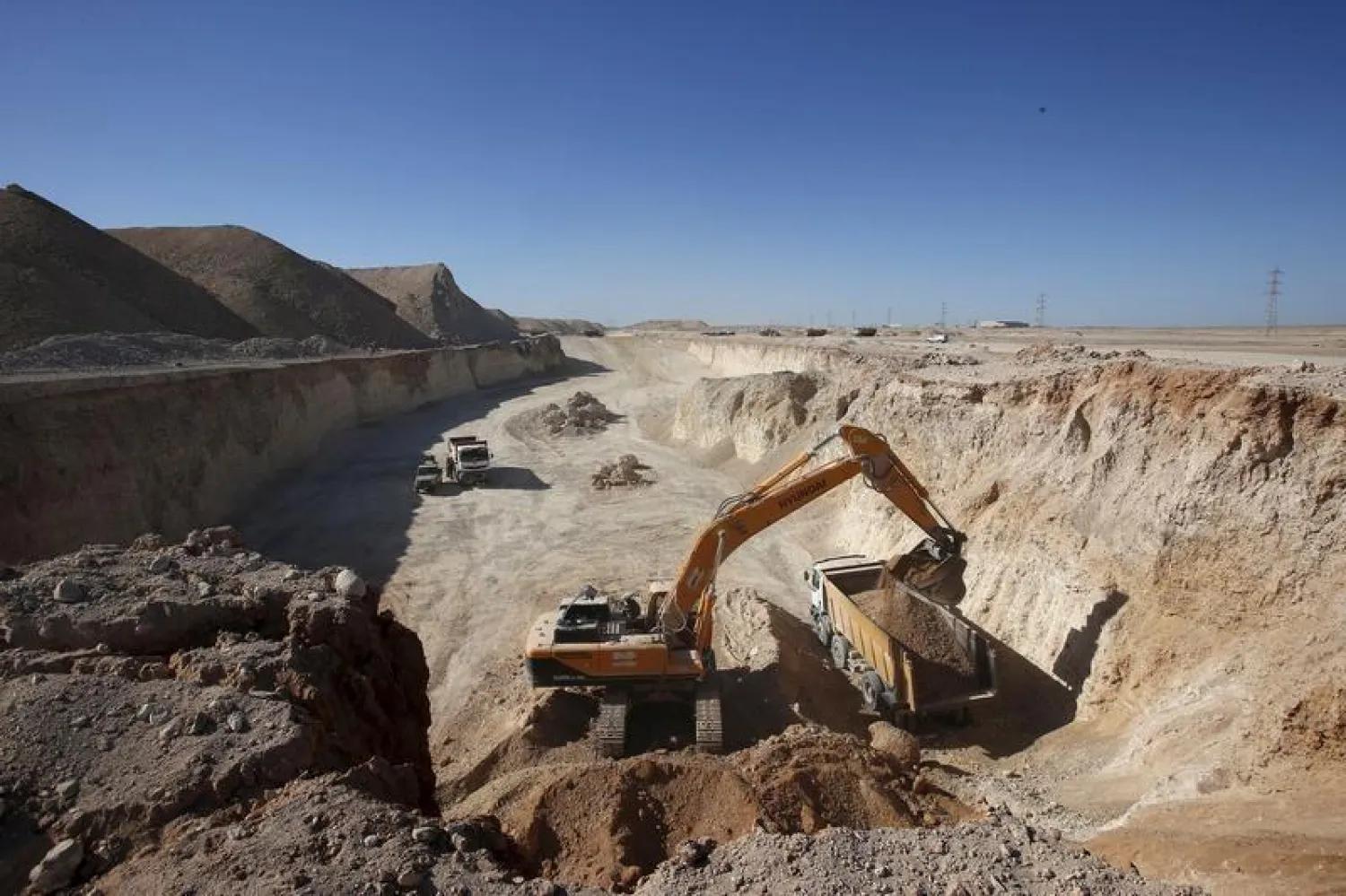
OCP is not an ordinary sponsor in this story.
It is one of Morocco’s most strategic companies and one of the country’s strongest international economic symbols. Reuters describes OCP as the world’s largest phosphate fertiliser producer and exporter, giving it a scale that turns football support into something more serious than branding.
That matters because sport sponsorship is often short-term.
A logo appears on a shirt, a campaign runs, a tournament ends, and the impact can be difficult to measure. But investment in training funds and development structures is different. It aims to create capacity.
If Morocco can use industrial strength to support football development, then the sport becomes part of a wider national strategy: resources supporting institutions, institutions supporting talent, and talent supporting global visibility.
That is the economic logic of the Phosphate Football Machine.
The 2022 Run Created The Proof Of Concept
Morocco’s 2022 World Cup semi-final was the emotional breakthrough.
It proved that an African and Arab country could reach the final stages of the tournament and force the football world to take its ambition seriously.
But a single miracle can disappear quickly if it is not followed by structure.
That is why the years after 2022 matter more than the memory itself. Morocco had to prove that the semi-final run was not only a perfect month. The country needed to turn the momentum into investment, training, recruitment and long-term planning.
The 2026 World Cup run helped confirm the shift.
Morocco did not return to global attention as a nostalgic underdog. It returned as a serious football nation with expectations, pressure and a platform before 2030.
The Diaspora Is Talent, But The System Must Hold It
Morocco’s diaspora remains one of its greatest football assets.
Players developed in Europe can bring technical education, professional discipline and high-level experience into the national team. That gives Morocco access to a wider talent pool than its domestic system alone could produce.
But diaspora talent is not a complete strategy.
A national project cannot depend only on convincing dual-nationality players to choose the flag. It must also build local development strong enough to produce, refine and retain talent at home.
That is where the training fund becomes important.
The best model is not diaspora versus domestic development. It is both. Morocco needs European-trained players, Moroccan academy graduates and a federation structure capable of integrating them into one football identity.
The talent pool is global.
The system must be Moroccan.
The Real Target Is Depth
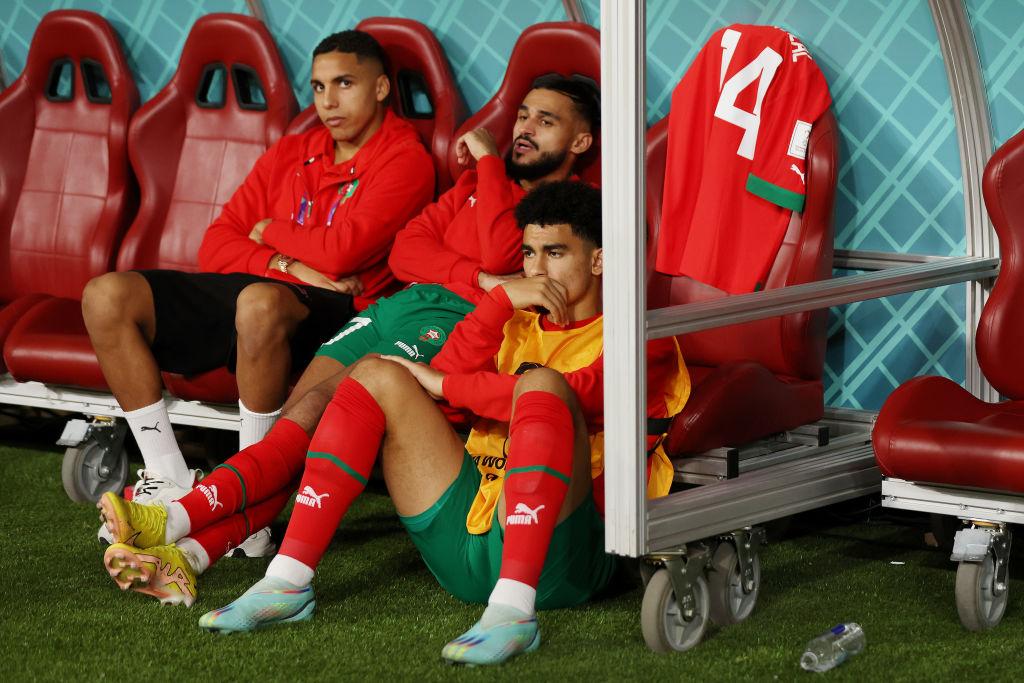
Morocco’s defeat to France showed the next requirement clearly.
Depth.
The starting eleven can compete with elite teams. The tactical culture has improved. The national team has international credibility. But the last stages of a World Cup are decided by squads, not only starters.
France, Spain, England and Argentina have benches filled with players who can change a match. Morocco’s next challenge is to make its own second layer stronger.
That is where investment becomes performance.
Training funds, academies and youth structures must eventually produce more than pride. They must produce full squads capable of surviving injuries, suspensions, fatigue and tactical pressure.
The next Moroccan breakthrough will not come only from one superstar.
It will come from more options.
The 2030 Deadline Changes Everything
Morocco’s co-hosting of the 2030 World Cup gives the football project a fixed horizon.
That deadline is powerful because it forces institutions to think beyond short-term results. Stadiums, transport, tourism and security will dominate much of the public conversation, but the national team is part of the same project.
A host country with a competitive team creates a stronger tournament.
A host country with only infrastructure creates a venue.
That is why the Phosphate Football Machine has wider importance. It supports the possibility that Morocco enters 2030 not simply as a host, but as a football nation that expects to compete.
The difference is enormous.
Football Is Now Part Of Morocco’s Soft Power Portfolio
Morocco’s global image has traditionally been built through tourism, diplomacy, culture, agriculture, renewable ambitions and strategic location.
Football now sits inside that portfolio.
Every deep World Cup run gives Morocco global visibility that advertising cannot easily buy. It creates clips, emotions, diaspora mobilisation, international media coverage and a clearer association between the country and competitive ambition.
OCP’s support connects that soft-power story to economic power.
The message is subtle but important: Morocco’s football rise is not floating separately from the economy. It is being supported by national industrial capacity.
That gives the story depth.
The Risk Is Overdependence On One Engine
There is also a warning.
If the football project becomes too dependent on one economic engine or one institutional sponsor, the system may look stronger than it really is. Sustainable football development needs multiple foundations: public investment, private clubs, schools, regional academies, professional league quality, coaching education and transparent governance.
OCP can help build the platform.
It cannot be the entire platform.
A mature football ecosystem must survive beyond one fund, one company or one tournament cycle. The goal should be institutional durability, not only financial support.
Morocco’s challenge is to turn OCP-backed momentum into a broader system that clubs, regions and youth structures can absorb.
Clubs Must Become Stronger Too
National teams are not built only in federation facilities.
They are built in clubs.
Morocco’s football rise will become more durable if domestic clubs become stronger financially, technically and commercially. Better club structures create more competitive players, better coaching environments and more meaningful pathways from youth football to professional football.
That matters for depth.
If the national team depends mainly on European-based players, the system remains partly external. If domestic clubs produce more high-level talent, Morocco gains more control over its football future.
The strongest football nations usually have both: global talent and strong domestic pipelines.
Morocco must keep building toward that balance.
The Business Lesson Is Clear
The Phosphate Football Machine also offers a broader business lesson.
Countries often talk about sport as inspiration, but the winners treat it as a sector. They invest, measure, professionalise and connect sport to education, health, tourism, media and national branding.
Football can create employment.
It can attract sponsorship.
It can strengthen tourism.
It can improve international visibility.
It can give young people a clearer pathway into professional ambition.
But only if the system is managed seriously.
Morocco’s football rise shows what happens when national emotion is connected to strategic capital.
The Bottom Line
The Phosphate Football Machine explains why Morocco’s football rise is becoming more than a romantic World Cup story.
OCP’s support for the National Football Training Fund, combined with Morocco’s phosphate strength, gives the country a deeper economic engine behind its sporting ambition. Passion still matters, but elite football requires funding, training, depth, governance and long-term planning.
The Atlas Lions have already earned global respect.
The next phase is harder.
Morocco must use its economic engine to build more players, stronger clubs, better depth and a national team capable of entering 2030 not only as a host, but as a contender.