

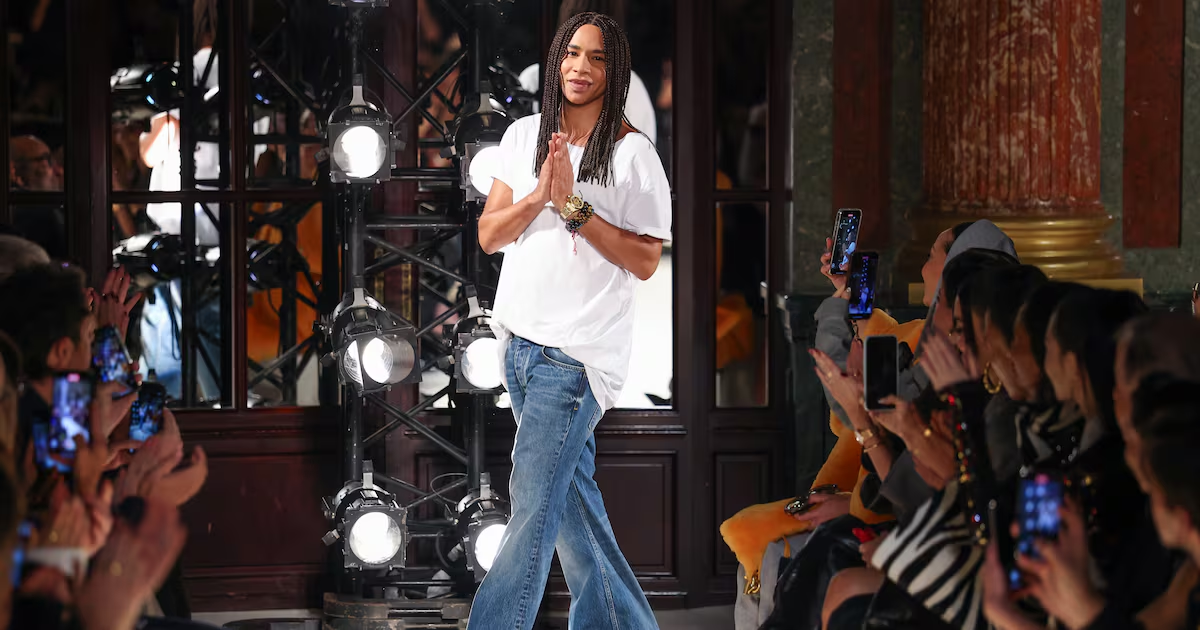
The Rabanne Reset is more than a designer appointment. It is a signal that Paris fashion is entering another power cycle, where heritage houses are looking for creative directors who can deliver not only collections, but attention, identity and cultural reach.
Olivier Rousteing’s move to Rabanne brings one of fashion’s most visible modern image-makers into a house built on metal, movement, sensuality and futuristic codes.
That combination matters.
Rabanne has history.
Rousteing has audience power.
The question now is whether the match can turn a respected Paris house into a louder global fashion force.
Rabanne Reset Begins With Visibility
The Rabanne Reset starts with one obvious fact: Rousteing knows how to make fashion visible.
During his long Balmain era, he became one of the few creative directors recognised far beyond fashion insiders. He built a celebrity-facing image, embraced digital culture early and turned the designer himself into part of the brand’s public identity.
That is not a small detail.
Modern fashion is not only judged by the runway. It is judged by how fast images travel, how strongly a collection attaches to celebrity culture, how much social media conversation it creates and whether younger consumers understand the brand before they ever enter a store.
Rousteing brings that language with him.
Rabanne is not hiring only a designer.
It is hiring a media force.
A House Built On Futurism Gets A Pop-Culture Strategist
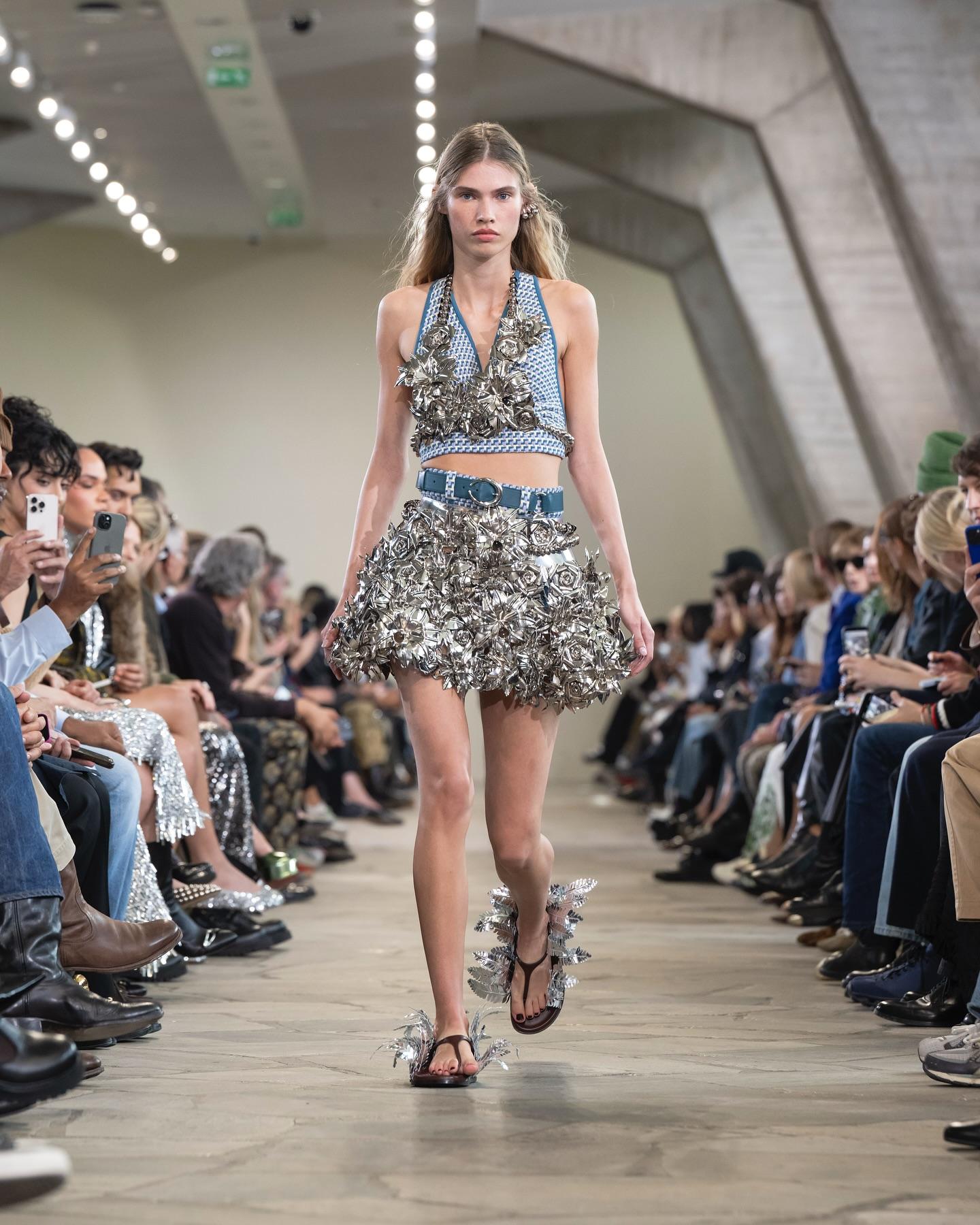
Rabanne’s identity has always carried a futuristic edge.
The house is linked to metallic dresses, experimental materials, chainmail, movement and a space-age glamour that made it different from more traditional Paris labels. That heritage gives Rousteing something strong to work with.
But heritage alone does not guarantee heat.
Many fashion houses have archives. Fewer know how to turn those archives into live cultural moments. Rousteing’s task will be to translate Rabanne’s codes into a visual language that works across runway, red carpet, digital campaigns, celebrity dressing and retail.
The opportunity is clear.
Rabanne already has recognisable design DNA.
Rousteing can make it louder without needing to invent the house from zero.
The Celebrity Machine Could Return
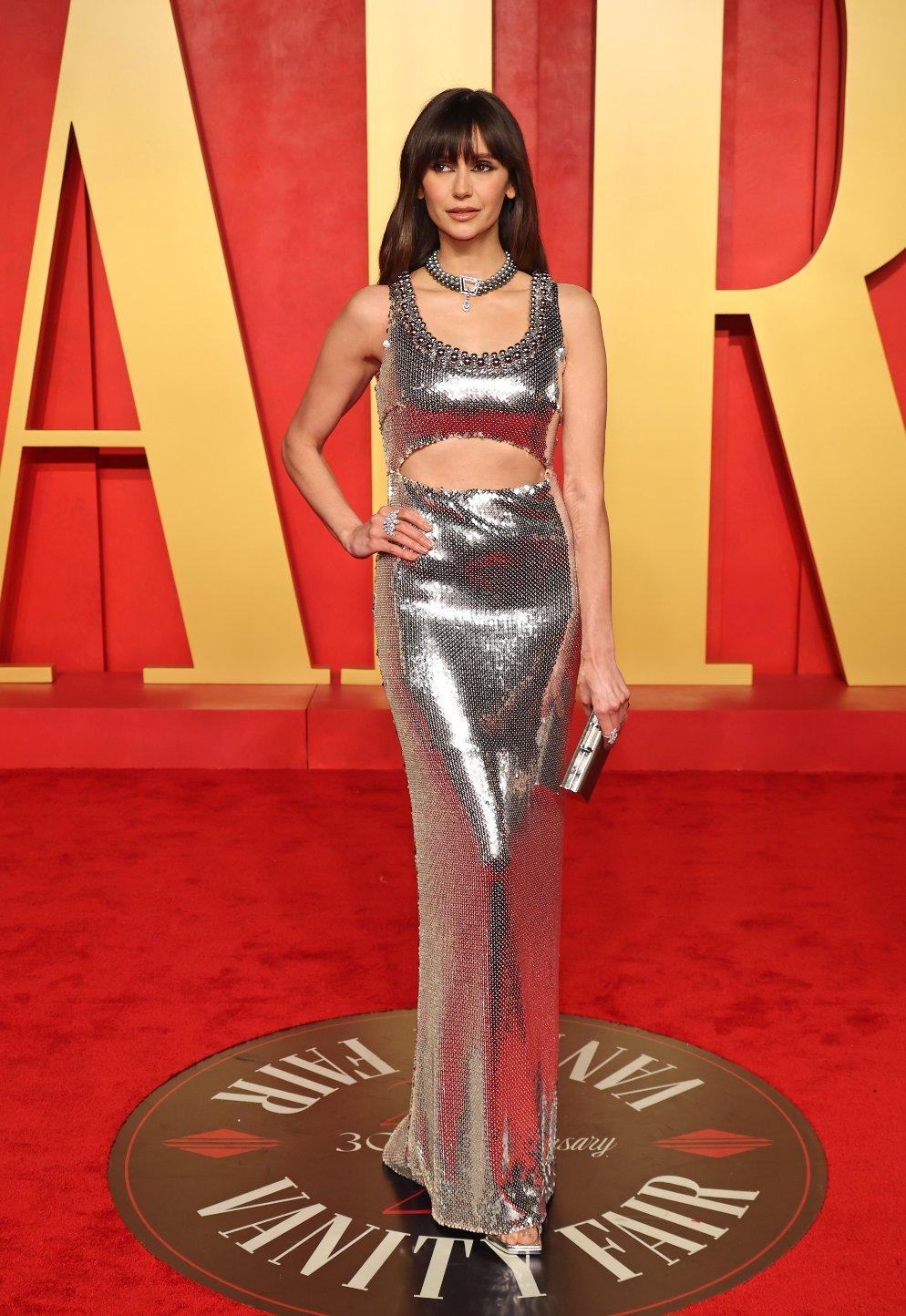
Rousteing’s Balmain years were defined partly by celebrity proximity.
He understood that fashion attention does not move only through editors and buyers anymore. It moves through musicians, actors, influencers, athletes and social media communities that can turn a look into a global image within minutes.
That approach helped make Balmain feel young, glamorous and highly visible.
At Rabanne, the same skill could matter even more.
A metallic Rabanne dress on the right star can travel faster than a traditional campaign. A dramatic runway moment can become digital content. A red-carpet look can reconnect the house with younger audiences who know the name but not the full history.
Celebrity does not replace design.
But in modern fashion, it can multiply it.
Puig Gets A Bigger Cultural Weapon
Rabanne is owned by Puig, the Spanish beauty and fashion group behind several fragrance and luxury brands. For Puig, Rousteing’s arrival gives Rabanne a stronger cultural weapon at a moment when fashion groups need sharper brand identities to compete.
Fashion is expensive to scale.
Shows, campaigns, retail, design teams, celebrity dressing and global marketing all require investment. A creative director who can generate organic attention is therefore valuable because attention reduces the distance between a brand and consumers.
Rousteing brings built-in visibility.
For Puig, that can help Rabanne compete more aggressively in a market where luxury consumers are selective and younger audiences are difficult to hold.
The Risk Is Too Much Noise
The move also carries risk.
Rousteing’s strength is visibility, but Rabanne’s challenge is not simply to become louder. The house needs to become clearer.
If the new era leans too heavily on celebrity, spectacle and social media, it could weaken the sharper design codes that make Rabanne distinct. The brand cannot become a second Balmain under another name.
That is the central creative test.
Rousteing must bring energy without erasing the house.
He must use celebrity without making the product feel secondary.
He must modernise Rabanne without turning its archive into costume.
The reset succeeds only if the Rabanne identity becomes stronger, not just noisier.
Paris Fashion Is In A Designer Shake-Up
Rousteing’s move also fits a wider reshuffling across luxury fashion.
Major houses have been changing creative leadership as the industry tries to reignite growth, reconnect with consumers and adjust to a market where the easy post-pandemic luxury boom has cooled. Reuters previously reported that several top labels, including Chanel, Dior and Gucci, were part of a broader creative overhaul across the sector.
This matters because creative directors are now expected to solve business problems.
They must deliver product.
They must deliver image.
They must deliver emotion.
They must deliver social media.
They must deliver retail desire.
The job is no longer only to design a beautiful collection. It is to give a house a reason to matter now.
Rabanne Has A Strong Beauty Base
Rabanne’s fashion reset also sits beside its fragrance and beauty power.
For many consumers, Rabanne is already familiar through scent before clothing. That can be an advantage. A fashion collection that becomes more visible can lift the whole brand universe, while fragrance gives the house broader reach beyond luxury ready-to-wear buyers.
This is one reason Puig may benefit from a high-profile fashion appointment.
A stronger runway image can feed campaigns, beauty storytelling and overall brand heat. In luxury, fashion often functions as the cultural engine even when beauty produces much of the wider consumer reach.
Rousteing understands that ecosystem.
He knows how a visual moment becomes a brand asset.
The First Show Will Matter
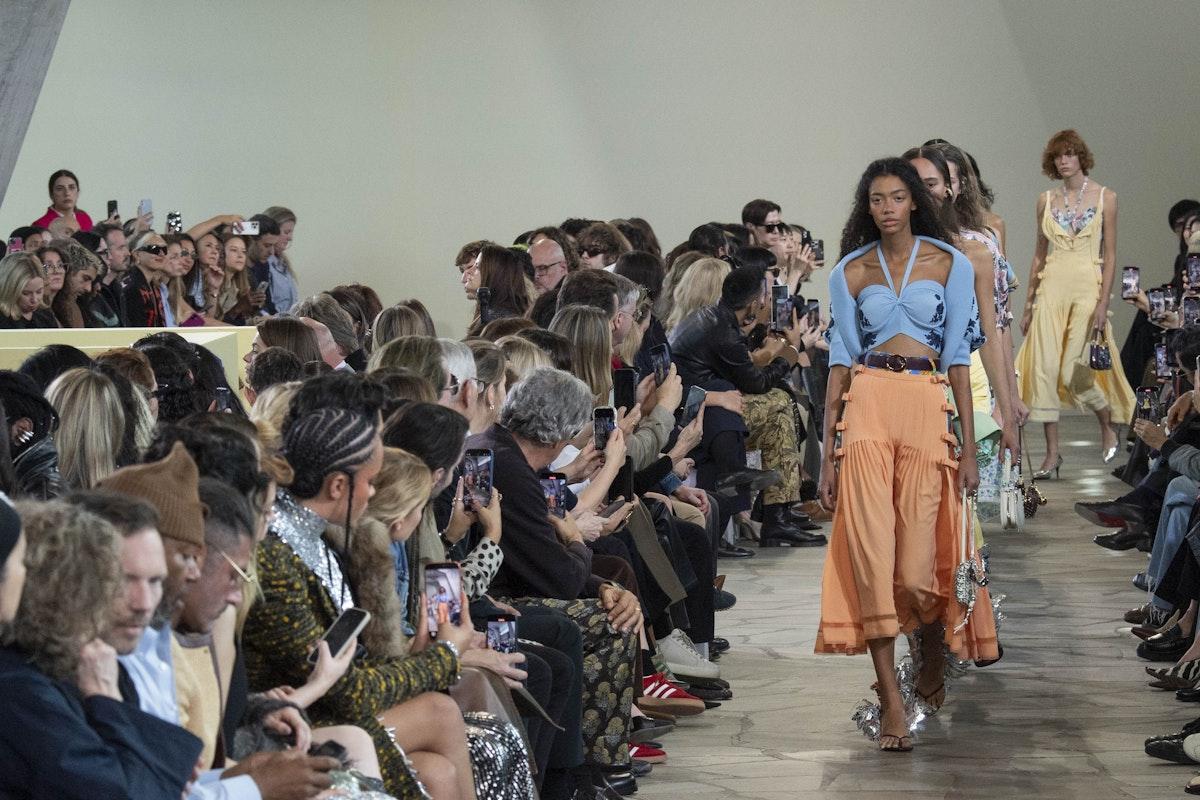
The first Rousteing show for Rabanne will be watched closely.
Vogue reports that his first collection for the house is expected at Paris Fashion Week in March 2027 for Fall/Winter 2027. That gives the brand time to build anticipation, but it also raises expectations.
The debut must answer several questions at once.
How much of Paco Rabanne’s metallic futurism remains?
How much of Rousteing’s glamour arrives?
Will the silhouette feel new?
Will celebrities immediately adopt the looks?
Will buyers see commercial potential?
Will critics see discipline or only spectacle?
A first show does not define an entire era, but it sets the vocabulary.
Fashion Now Needs A Narrative
The strongest luxury houses are not selling only clothes.
They are selling narratives.
A creative director must provide a story that editors can explain, stylists can use, celebrities can wear, clients can recognise and consumers can repeat. Without that story, collections risk becoming attractive but forgettable.
Rousteing’s advantage is that he understands narrative instinctively.
He knows how to make a designer appointment feel like an event. He knows how to use personal image, celebrity culture and brand codes to create a public conversation.
Rabanne needs that kind of narrative energy.
The house has the archive. Now it needs a new chapter that people can follow.
The Balmain Shadow Will Follow Him
Rousteing cannot fully escape Balmain.
After more than a decade there, his image is strongly associated with the house he helped define for a generation. That gives him recognition, but it also creates comparison pressure.
Every early Rabanne look will be judged against the Balmain era.
Is it too similar?
Is it different enough?
Is it more mature?
Is it more experimental?
Can he adapt to Rabanne’s codes rather than bring only his own?
This is the challenge facing any high-profile designer who moves from one major house to another. The audience expects both continuity and reinvention.
Too little change feels stale.
Too much change feels forced.
Rabanne Could Become A Red-Carpet Weapon
One likely opportunity is the red carpet.
Rabanne’s metallic and body-conscious heritage already fits celebrity dressing. Rousteing’s relationships and instinct for image can make that even stronger.
A successful Rabanne red-carpet strategy could quickly reinsert the house into global entertainment culture. Award shows, music videos, film festivals, fashion weeks and major sports events all provide stages where the right look can travel worldwide.
This is where Rousteing may move fast.
Before the first full commercial impact appears in stores, the brand can build momentum through visibility.
Fashion heat often begins with an image before it becomes a sale.
The New Luxury Consumer Wants Energy
Luxury consumers are more selective now.
They want quality, but they also want emotional reason. They want heritage, but not museum dust. They want modernity, but not generic trend-chasing. They want a brand that feels alive.
Rabanne has the chance to deliver that mix.
Its history gives it credibility.
Rousteing gives it energy.
If the house can balance both, the reset could position Rabanne as one of Paris fashion’s more interesting next chapters.
The danger is imbalance.
Too much heritage becomes nostalgia.
Too much celebrity becomes noise.
The winning formula is tension between the two.
The Bottom Line
The Rabanne Reset gives Paris fashion one of its most intriguing new power moves.
Olivier Rousteing brings visibility, celebrity fluency and digital-era brand instinct to a house known for futuristic glamour, metallic codes and sensual experimentation.
The opportunity is significant: Rabanne can become more visible, more culturally present and more competitive inside the global luxury conversation.
But the test is precise.
Rousteing must not simply make Rabanne louder. He must make it unmistakably Rabanne.
If he succeeds, this will not be just another designer switch.
It could be the beginning of a new Paris fashion chapter.