

The Gut Health Obsession has moved from health-food stores to the centre of modern lifestyle culture.
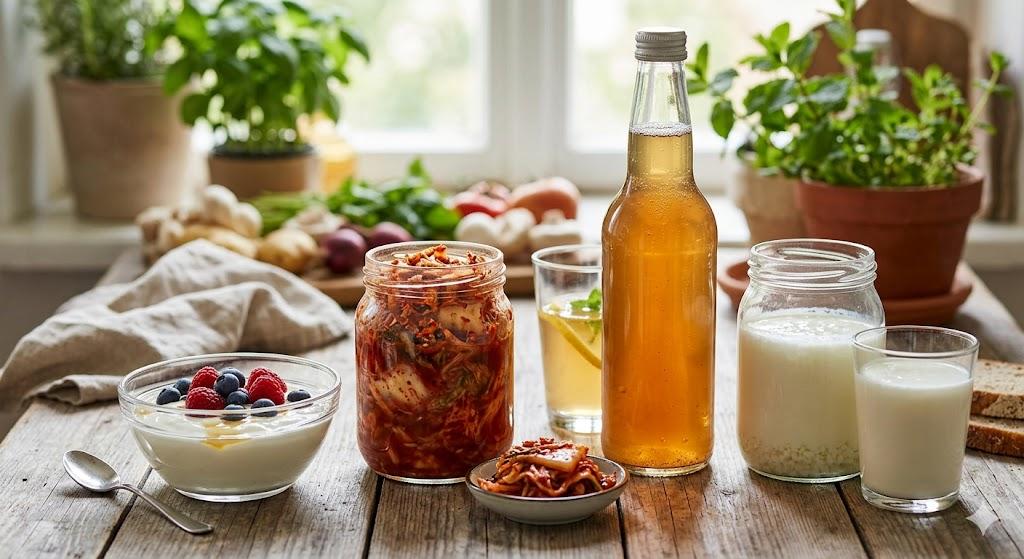
Yogurt, kefir, kimchi, kombucha, sauerkraut, fibre powders, probiotic drinks and fermented snacks are no longer treated only as niche products for nutrition enthusiasts. They have become part of a wider wellness identity built around digestion, energy, skin, mood, longevity and self-control.
This is not only about food.
It is about status.
The new luxury wellness consumer does not only want to look fit. They want to look informed, disciplined and biologically optimised. And increasingly, that story begins in the gut.
Gut Health Obsession Becomes A Lifestyle Signal
The Gut Health Obsession matters because it shows how wellness culture has changed.
In the old diet era, the language was often negative: fewer calories, less fat, less sugar, smaller portions. The new wellness language is more positive and more sophisticated. It talks about adding protein, adding fibre, adding probiotics, supporting the microbiome and improving daily function.
That sounds healthier.
It can be healthier.
But it is also more marketable.
Vox reported that the 2026 frozen yogurt revival is tied to wellness phrases such as “gut health,” “high protein” and holistic living, showing how even familiar treats are being repositioned as functional lifestyle products.
This is the key shift.
Food is no longer sold only as taste.
It is sold as self-improvement.
Fermented Foods Have Become Aspirational
Fermented foods once belonged to tradition before they belonged to wellness marketing.
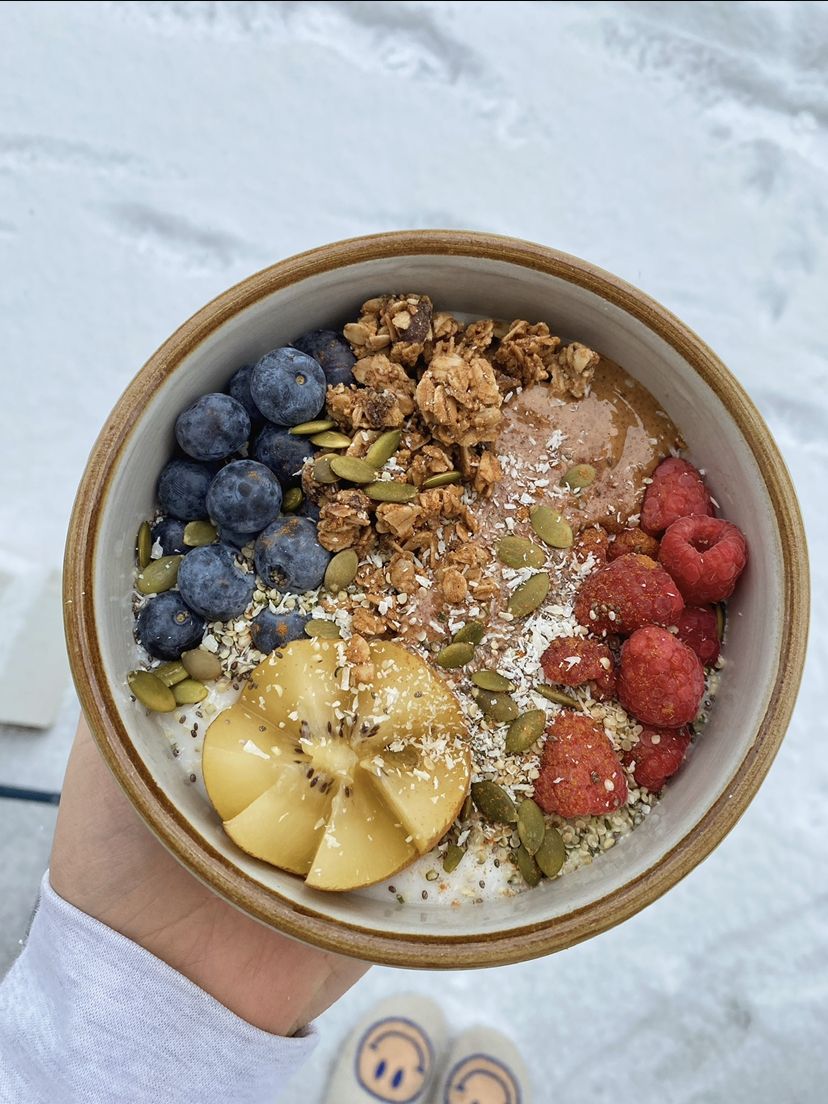
Kimchi, yogurt, kefir, miso, sauerkraut and pickled vegetables have long cultural histories. They were not invented by influencers or premium grocery aisles. They came from households, regions, preservation practices and cuisines that understood fermentation long before it became a lifestyle hashtag.
Now those same foods are being repackaged.
A jar of kimchi can sit beside skincare.
A kombucha bottle can look like a fashion accessory.
A yogurt bowl can become a social media ritual.
A sourdough starter can become part of a home identity.
That transformation says a lot about modern lifestyle culture. Consumers are not only buying fermented foods because they may support digestion. They are buying into the image of being the kind of person who takes digestion seriously.
The Market Is Already Big
This is not a small wellness niche anymore.
FoodNavigator reported that the global gut health market now exceeds $71 billion and is expected to surpass $105 billion by 2030.
That scale matters.
When a trend reaches that size, it stops being only a consumer habit and becomes an industry strategy. Food companies, supplement brands, supermarkets, cafés, restaurants and beverage makers all begin adjusting products around the same promise: better gut health.
The result is visible everywhere.
Probiotic waters.
High-fibre snacks.
Prebiotic sodas.
Protein yogurts.
Fermented condiments.
Digestive wellness shots.
Restaurants adding kimchi, pickles, labneh, kefir sauces and miso dressings to menus.
Gut health has become a product-development engine.
Wellness Is Moving From Beauty To Biology
The rise of gut health also reflects a deeper lifestyle change.
For years, beauty culture focused on the visible surface: skin, hair, body shape, makeup, clothing and fitness. Those things still matter, but wellness marketing now increasingly points inward.
The body is presented as a system.
The gut is presented as the control room.
Digestion, immunity, mood, inflammation, skin clarity and energy are all folded into one story. Sometimes the science is serious. Sometimes the marketing goes further than the evidence.
But the direction is clear.
Modern wellness sells the idea that appearance begins inside the body. That makes food feel more powerful than ordinary eating. A breakfast bowl becomes part of skincare. A fermented drink becomes part of stress management. A fibre supplement becomes part of a longevity plan.
The line between nutrition and identity becomes thinner.
The Social Media Effect Is Huge
Gut health is perfect for social media because it is both intimate and aesthetic.
A person can show a morning routine, a fridge shelf, a smoothie, a yogurt bowl, a fermented drink, a supplement stack or a grocery haul. The content looks clean, controlled and aspirational. It also sounds scientific enough to feel serious.
That combination is powerful.
Wellness content works best when it feels personal and expert at the same time. Gut health fits that formula. It allows creators to speak about bloating, energy, skin, mood and digestion while presenting a lifestyle that appears organised and desirable.
This is why the trend spreads quickly.
The products are visible.
The promise is emotional.
The language sounds intelligent.
And the routine looks easy to copy.
The Problem Is Overclaiming
The danger is that gut health becomes a marketing shortcut.
Not every probiotic product is meaningful. Not every fermented food contains live cultures by the time it reaches the consumer. Not every gut-health claim applies to every person. And not every wellness influencer can explain the difference between evidence, theory and branding.
That matters because consumers are dealing with real health questions.
Digestive problems can be complex. Bloating, fatigue, discomfort, food intolerance and gut disorders may require proper medical advice, not only a new drink or a viral breakfast routine.
The best version of the gut-health movement encourages better food habits.
The worst version turns every symptom into a product opportunity.
That distinction is important.
Traditional Foods Deserve More Credit

The gut health boom also risks erasing the cultures that preserved and developed many fermented foods.
Kimchi is not a trend before it is Korean food.
Miso is not a wellness hack before it is part of Japanese cuisine.
Sauerkraut, labneh, yogurt, kefir, pickles and sourdough all carry histories that existed long before luxury supermarkets turned them into lifestyle items.
This matters because modern wellness often takes traditional practices and strips them of context.
A fairer food culture should recognise both the health appeal and the cultural origin. Fermented foods are not new because they reached a premium shelf. They are newly fashionable inside a market that has finally decided to monetise them.
The food was already there.
The branding changed.
The New Status Symbol Is Discipline
The gut-health movement fits a broader shift in status.
Old status was often loud: logos, cars, watches, visible luxury.
New wellness status is quieter but still competitive. It appears through discipline, routine, clean kitchens, specialised products, expensive groceries, boutique fitness and knowledge of the latest health language.
The consumer signals control.
They know what prebiotics are.
They know what fermented foods to buy.
They know which yogurt has protein.
They know which drink contains live cultures.
They know which products look good on a fridge shelf.
This is why gut health has become lifestyle content. It is not only about feeling better. It is about showing that one is organised enough to pursue feeling better.
Food Companies Are Rewriting Labels
The gut-health trend is changing packaging language.
Brands now highlight fibre, cultures, probiotics, prebiotics, protein, digestion, gut support, immunity and natural fermentation. Some claims are carefully worded. Others lean on suggestion rather than proof.
The words matter because consumers scan quickly.
A product with “gut” on the label can feel more functional than one without it. A drink with “live cultures” can seem more premium. A snack with added fibre can appear more intelligent than a standard alternative.
This creates a race.
As more brands use the language, the category becomes crowded. Consumers may eventually become more sceptical. The companies that survive will likely be those that combine taste, credible claims, transparency and everyday usefulness.
Wellness branding can open the door.
Product quality keeps people buying.
Restaurants Are Joining The Trend
The restaurant world is also responding.
Fermented ingredients add flavour as well as wellness appeal. Kimchi brings heat and acidity. Pickles bring brightness. Miso adds depth. Yogurt and labneh add creaminess. Kombucha can become a non-alcoholic beverage option. Sourdough brings craft value.
This gives chefs a double advantage.
They can use fermentation for taste while benefiting from the wellness halo around gut health.
The result is a menu style that feels both traditional and modern. A simple bowl can be elevated with pickled vegetables, fermented sauces and probiotic language. A breakfast plate can become a wellness plate. A casual café can feel more premium through the right fermented ingredients.
Gut health is not only changing supermarkets.
It is changing how menus sound.
The Trend Also Reflects Anxiety
The Gut Health Obsession is not only positive.
It also reflects modern anxiety about the body.
People feel tired, stressed, bloated, overstimulated and overwhelmed by food choices. They want explanations for how they feel. The gut offers a powerful explanation because it seems to connect so many parts of daily life.
That makes the trend emotionally strong.
Consumers are not only asking, “What should I eat?”
They are asking, “Why do I feel this way?”
Gut health gives them a framework. Sometimes that framework is useful. Sometimes it becomes too broad and turns normal bodily variation into something to fix.
This is where wellness can become exhausting.
A healthy interest in digestion should not become another pressure system.
Fibre May Be The Real Winner
Behind the probiotic buzz, fibre may be the more practical story.
Many people do not eat enough fibre. Increasing fibre through fruits, vegetables, beans, whole grains, nuts and seeds can support digestion and broader diet quality. Unlike some expensive wellness products, fibre-rich foods are accessible and widely understood as part of a healthy diet.
This is where the trend could become genuinely useful.
If gut-health culture pushes people towards more diverse, plant-rich meals, that is a positive outcome. If it pushes them only toward expensive drinks and supplements, the benefit is less clear.
The best gut-health strategy may be less glamorous than the marketing.
More fibre.
More variety.
More whole foods.
Less confusion.
The Bottom Line
The Gut Health Obsession has become one of the strongest lifestyle signals of 2026.
Fermented foods, probiotics, fibre-rich products and functional wellness snacks are moving from niche health culture into mainstream identity. The market is already large, the branding is everywhere, and consumers are increasingly treating gut health as part of beauty, energy, status and self-care.
But the trend needs balance.
Fermented foods can be valuable. Better fibre intake can help many diets. Traditional food cultures deserve respect. Scientific claims should remain credible.
The gut may be central to wellness.
But not every product with a clean label and a probiotic promise deserves automatic trust.