
South Korea has just sent a message to markets: the AI boom may be powerful, but inflation still has the final vote.
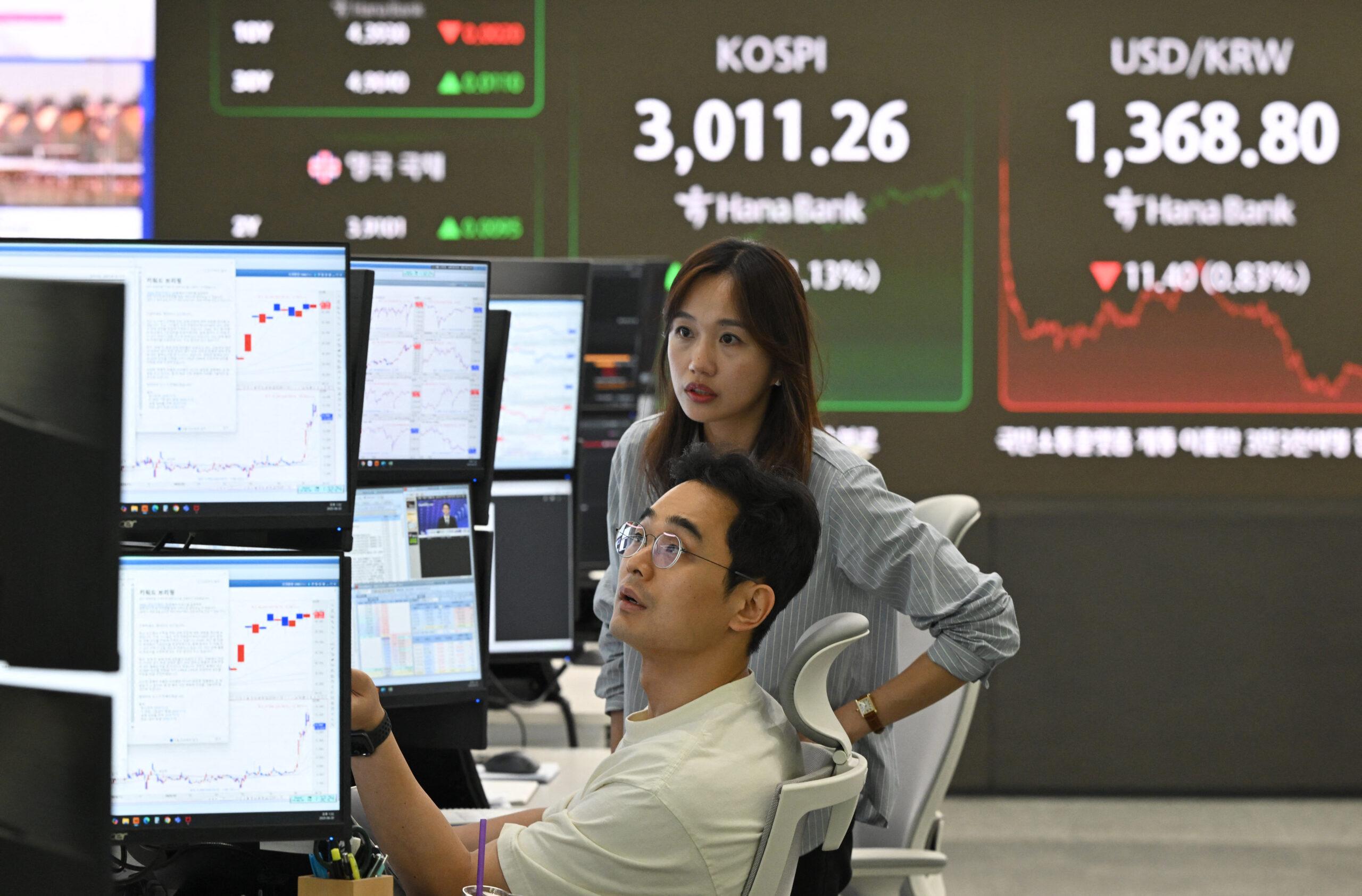
The Korea Rate Shock came as the Bank of Korea raised its benchmark interest rate by 25 basis points to 2.75%, its first hike in more than three years. For a country riding a wave of semiconductor exports, artificial intelligence demand and stronger-than-expected growth, the move shows how quickly success can create a new problem.
Growth is back.
Exports are strong.
Chipmakers are booming.
But prices, wages, the won and household debt are now forcing Seoul to tighten policy again.
Korea Rate Shock Ends The Waiting Game
The Korea Rate Shock matters because it ends a long period of caution.
Central banks do not raise rates lightly. A hike makes borrowing more expensive, can slow housing demand, pressures indebted households and can cool the stock market. But when inflation stays too high and the currency weakens, waiting can become more dangerous than acting.
Reuters reported that the Bank of Korea lifted the base rate to 2.75%, its first increase in three and a half years, with policymakers signalling that more hikes may follow.
That forward signal is important.
This is not being presented as a one-off technical adjustment.
It may be the beginning of a tighter phase.
The AI Boom Is Creating Inflation Pressure
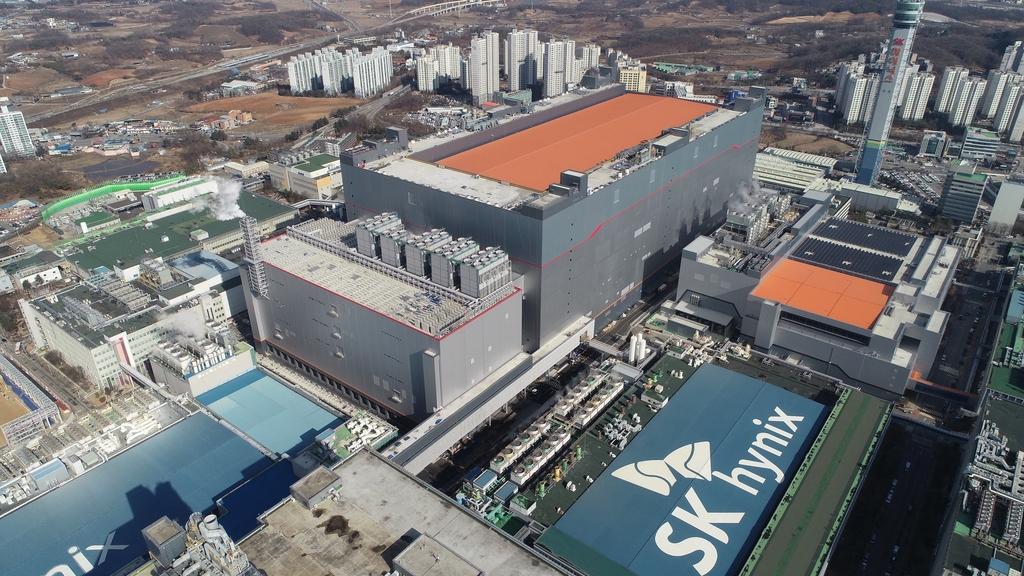
South Korea is one of the biggest winners of the global AI hardware race.
Its semiconductor champions sit at the centre of the memory-chip and advanced technology supply chain. When artificial intelligence investment rises worldwide, Korea benefits through exports, corporate earnings, factory activity and wages linked to the tech sector.
But the boom cuts both ways.
Reuters reported that Governor Shin Hyun Song pointed to demand-driven inflation linked to the semiconductor export boom, with strong chip-sector momentum feeding domestic demand.
That is the unusual part of this cycle.
AI is not only lifting stock prices.
It is also feeding macroeconomic heat.
Strong Growth Gave The Bank Room To Move
Rate hikes are easier to justify when growth is strong.
Reuters reported that South Korea’s economy grew 1.8% in the first quarter, its fastest pace in nearly six years, and that the growth forecast for the year was revised up to 3.0%.
That gave the central bank political and economic space.
If growth were weak, a rate hike would look more dangerous. It could be accused of hurting households and companies at the wrong moment. But when the economy is expanding faster than expected, the argument changes.
The central bank can say it is not killing the recovery.
It is trying to prevent the recovery from overheating.
Inflation Is The Real Enemy
The Bank of Korea’s target is price stability.
That is why the inflation picture matters more than the headline excitement around AI exports. AP reported that consumer prices exceeded 3% in both May and June, driven partly by higher energy costs linked to Middle East tensions and a weaker Korean won.
That combination is dangerous.
A weaker currency makes imports more expensive.
Higher energy prices raise costs across transport, factories and households.
Strong growth can add wage and demand pressure.
Together, those forces make inflation harder to dismiss as temporary.
The rate hike is Seoul’s attempt to stop inflation expectations from becoming embedded.
The Weak Won Forced The Issue

Currency pressure is one of the most sensitive issues for Korea.
A weaker won can help exporters by making goods more competitive abroad. But it also increases the cost of imported energy, raw materials and foreign goods. For a country exposed to global trade and energy markets, that can quickly feed consumer prices.
This is why the won matters to monetary policy.
A central bank may not publicly say that it is targeting the currency, but currency weakness can push it toward action when inflation is already above comfort levels.
In Korea’s case, the rate hike is also a credibility signal.
It tells markets that the Bank of Korea is not willing to let the won weaken without response if that weakness threatens price stability.
Markets Did Not Celebrate
Equity markets rarely cheer higher borrowing costs.
AP reported that Asian markets mostly declined after the move, with South Korea’s Kospi falling sharply as AI-related shares and chipmakers came under pressure.
That reaction shows the tension inside the Korean story.
Investors love the AI boom when it produces earnings growth.
They like it less when the same boom pushes inflation, wages and policy rates higher.
The market had to reprice the idea that strong growth always means easy money. In Korea, strong growth has now produced the opposite: tighter money.
That is a major shift.
Chip Stocks Are Now Macro Stocks
Korean semiconductor companies are no longer only corporate stories.
They are macroeconomic actors.
When chip exports rise, the trade balance changes. When chip profits surge, wages and bonuses can move. When chip stocks rally, household wealth and investor confidence can rise. When the sector slows, the entire economy feels it.
This is why the Bank of Korea is watching the AI boom closely.
The central bank is not regulating chip demand directly. But it must respond if the sector’s success creates broader inflation pressure.
In that sense, Korea is becoming a case study for AI-era central banking.
Technology growth is no longer separate from monetary policy.
It is inside the inflation debate.
Household Debt Remains A Pressure Point
South Korea’s household debt problem makes the rate hike politically sensitive.
Higher rates increase pressure on borrowers, especially households with mortgages, floating-rate loans or heavy debt exposure. That can cool property demand, but it can also squeeze disposable income.
This is the central bank’s difficult balance.
Inflation hurts everyone.
Higher rates hurt borrowers more directly.
If the Bank of Korea moves too slowly, prices and the currency may become harder to stabilise. If it moves too aggressively, households and property markets may feel the strain.
That is why the next rate decisions will be watched closely.
The first hike is a message.
The second and third would become a cycle.
Korea Is Joining A Regional Tightening Mood
Korea is not acting in isolation.
Reuters reported that the move aligns with other regional central banks that have raised rates amid global inflation pressures.
That matters because capital flows are global.
If other countries keep rates high while Korea waits too long, the won can come under more pressure. If Korea tightens too much while others pause, domestic growth could suffer.
Central banks are not only watching domestic data.
They are watching each other.
In Asia, the mix of energy shocks, AI-driven growth, currency pressure and inflation risk is forcing policymakers to choose between supporting growth and defending price stability.
Korea has now made its choice clearer.
The Government And Central Bank Must Align
A rate hike can clash with government efforts to support growth.
When fiscal policy wants to stimulate and monetary policy wants to cool inflation, the message becomes confusing. Businesses and households may receive mixed signals: spend more, but borrow at higher cost; invest more, but expect tighter financial conditions.
Korea’s policymakers therefore need coordination.
If the government pushes demand too aggressively while the central bank raises rates, inflation may remain stubborn. If both sides tighten too much, growth could weaken.
The best outcome is a controlled slowdown in inflation without damaging the export engine.
That is easier to say than to deliver.
Seoul Is Protecting Credibility
Central banks live on credibility.
If households and businesses believe inflation will stay high, they adjust behaviour. Workers demand higher wages. Companies raise prices earlier. Consumers rush purchases. Investors demand higher returns. The inflation problem then becomes harder to reverse.
The Bank of Korea’s hike is partly about stopping that psychology.
By moving now, Seoul is telling the market that price stability still matters, even during a strong growth phase. It is also telling investors that the AI boom will not be allowed to excuse inflation drift.
That credibility may be expensive in the short term.
But losing credibility would be more expensive later.
The AI Economy Faces Its First Policy Test
The Korean case shows a bigger global question.
What happens when artificial intelligence creates real economic heat?
For the last two years, AI has mostly been discussed as a growth story: more chips, more data centres, more productivity, more stock-market gains. Korea is showing another side of the story. If AI drives exports, wages, investment and consumption too quickly, it can also contribute to inflation pressure.
That does not mean AI is bad for the economy.
It means AI is not magic.
Growth still has consequences.
Central banks still respond.
Markets still reprice.
Investors Must Rethink The Korea Trade
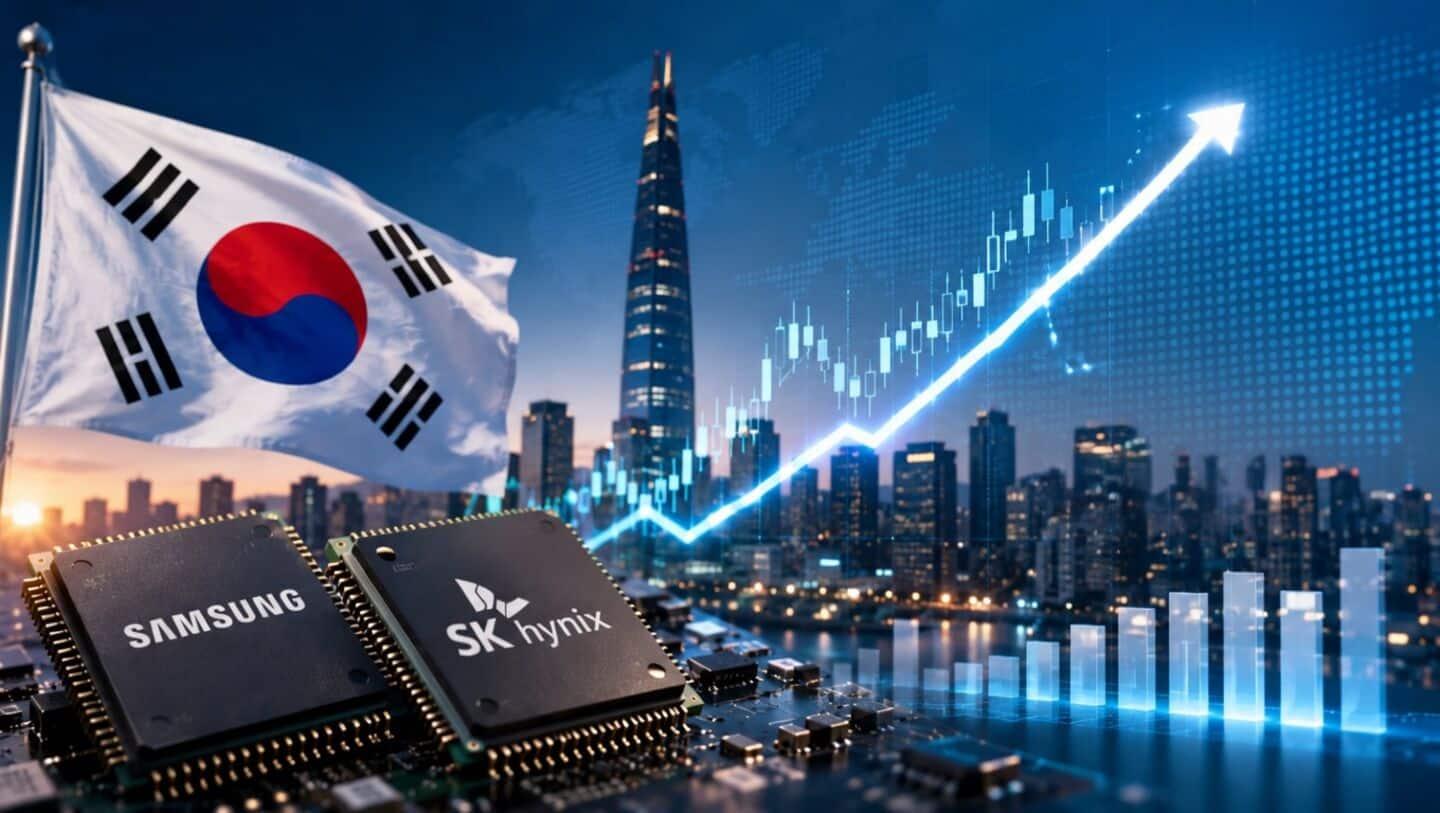
For investors, Korea has been one of the clearest AI-linked market stories.
Buy chip exposure.
Buy export momentum.
Buy the supply chain.
Buy the winners of global AI spending.
The rate hike complicates that trade.
Higher rates can pressure valuations, especially in markets where expectations have already run far ahead. Currency moves, debt costs and policy risk now need to sit beside earnings forecasts.
The Korean market may still benefit from AI demand.
But the easy version of the story is over.
Now investors must ask whether profits can keep rising while policy becomes less friendly.
More Hikes Could Follow
Reuters reported that analysts expect at least one more rate hike in 2026, with some projections seeing the key rate moving higher into 2027.
That makes the next data releases crucial.
Inflation.
The won.
Housing prices.
Household debt.
Chip exports.
Wage growth.
Energy costs.
Each will help decide whether this was a single shock or the start of a full tightening cycle.
For now, the Bank of Korea has opened the door.
Markets must price what could walk through it.
The Bottom Line
The Korea Rate Shock shows how the AI boom can create both opportunity and pressure.
South Korea is benefiting from powerful semiconductor exports and stronger growth, but the same momentum is feeding inflation concerns, currency pressure and financial-stability risks. The Bank of Korea’s first rate hike in more than three years, lifting the benchmark rate to 2.75%, is a clear signal that Seoul will defend price stability even when the economy looks strong.
The message is simple.
AI can lift growth.
It cannot cancel inflation.
And in Korea, the central bank has just reminded markets that even a technology boom must answer to monetary policy.